
You are here
Africa
'Blood was all over' - victim of Nigeria church abduction describes escape
Some 160 people are believed to be missing after attackers raided three churches in a Nigerian village on Sunday.
Categories: Africa, Swiss News
'Blood was all over' - victim of Nigeria church abduction describes escape
Some 160 people are believed to be missing after attackers raided three churches in a Nigerian village on Sunday.
'Blood was all over' - victim of Nigeria church abduction describes escape
Some 160 people are believed to be missing after attackers raided three churches in a Nigerian village on Sunday.
Categories: Africa, Swiss News
Le marché Missèbo rasé
Le marché Missèbo, longeant la lagune de Cotonou, dans le 5e arrondissement relève désormais du passé. Le site a été entièrement démoli dans la journée de ce jeudi 22 janvier 2026, veille de l'inauguration du nouveau marché moderne de friperie situé à PK3.
C'est fini ! On ne parlera plus du marché Missèbo au Bénin. Le gouvernement dans sa volonté d'améliorer les conditions d'exercice des activités dans les marchés, a honoré sa promesse envers les marchands de ce grand marché de friperie à travers la construction d'un marché moderne de friperie situé à PK3. Cette infrastructure ultra moderne, sera officiellement mise en service ce vendredi 23 janvier 2026.
Mais quelques heures avant, les autorités ont jugé nécessaire de démolir le site de l'ancien marché. L'opération s'est déroulée ce jeudi 22 janvier en présence du chef quartier de Missèbo, de quelques marchands, et des agents de la Police républicaine.
F. A. A.
« Une promesse de scandale »: l’APS dénonce un reportage de France Télévisions sur l’Algérie
L’Algérie Presse Service (APS) a réagi, ce jeudi, à l’annonce de la diffusion par France Télévisions d’un nouveau numéro de l’émission Complément d’enquête, intitulé « […]
L’article « Une promesse de scandale »: l’APS dénonce un reportage de France Télévisions sur l’Algérie est apparu en premier sur .
Thema Sicherheitsgarantien «erledigt»: Trump und Selenski treffen Vereinbarung – Gespräche mit Russland geplant
Selenski und Trump vereinbaren Sicherheitsgarantien für die Ukraine. Das Abkommen, das die nationalen Parlamente prüfen sollen, wurde am Weltwirtschaftsforum in Davos vorgestellt. Weitere Gespräche finden in Abu Dhabi statt.
Categories: Africa, Swiss News
Nahe Minneapolis: ICE nimmt mehrere Kinder fest – darunter ein Fünfjähriger
US-Einwanderungsbeamte haben im Raum Minneapolis vier Kinder aus demselben Schulbezirk festgenommen. Zuletzt wurde der fünfjährige Liam Conejo Ramos mit seinem Vater in deren Einfahrt abgeführt. Schulen und Familien sind empört.
Categories: Africa, Swiss News
Thurgauer Behörden-Zoff: Muss Familie alles verkaufen, nur weil ihr Sohn im Heim lebt?
Obwohl die Rechtslage unklar ist, bittet eine Thurgauer Gemeinde Eltern für die Heimkosten ihres Sohnes kräftig zur Kasse.
Categories: Africa, Swiss News
Comment la « chasse aux communistes » des années 1950 a effacé une icône américaine
Star de la scène, du cinéma et du football américain, Robeson était en 1939 la personnalité noire la plus célèbre des États-Unis.
Is holding Afcon every four years 'totally wrong' or 'good call'?
The announcement that the Africa Cup of Nations will be hosted every four years from 2028 sparked division, but what will it mean for the game on the continent?
Is holding Afcon every four years 'totally wrong' or 'good call'?
The announcement that the Africa Cup of Nations will be hosted every four years from 2028 sparked division, but what will it mean for the game on the continent?
Categories: Africa
Ugandan MP and Bobi Wine ally arrested over election violence
The opposition politician is accused of election violence in which at least seven people were killed.
Abgang bei Krisen-Klub Nottingham?: Neuer Top-Klub steigt in Poker um Nati-Star Dan Ndoye ein
Neben Inter hat nach Blick-Informationen auch Atlético Madrid das Dossier Dan Ndoye studiert. Der Schweizer gehört bei Nottingham zum Stamm, kämpft in den East Midlands derzeit aber mit den erheblichen Turbulenzen von Forest.
Categories: Africa, Swiss News
Als jüngste Künstlerin aller Zeiten: Taylor Swift in Songwriters Hall of Fame aufgenommen
Rekord–Jägerin Taylor Swift wurde in die Songwriters Hall of Fame aufgenommen – als jüngste Künstlerin in der Geschichte der Institution. Damit reiht sich die Sängerin in eine Liste von Legenden ein.
Categories: Africa, Swiss News
Guinea-Bissau coup leaders set December election date
Regional powers Ecowas had previously warned junta head Horta N'Tam against such a long wait for elections.
Categories: Africa, Határon túli magyar portálok összesített hírei
Big Nature-Based Finance Turnaround Needed to Restore, Protect Ecosystems
Two men at a pond wash and bathe in the shadow of wind energy in West Bengal Country, India. Credit: Climate Visuals
By Umar Manzoor Shah
NAIROBI & SRINAGAR, India, Jan 22 2026 (IPS)
The world is pouring trillions of dollars each year into activities that destroy nature while investing only a fraction of that amount in protecting and restoring the ecosystems on which economies depend, according to a new United Nations report released on today (January 22).
The State of Finance for Nature 2026 report by the United Nations Environment Programme finds that finance flows directly harmful to nature reached USD 7.3 trillion in 2023. By contrast, investment in nature-based solutions amounted to just USD 220 billion in the same year. The imbalance means that for every dollar invested in protecting nature, more than USD 30 is spent degrading it.
“Globally, finance flows continue to be heavily skewed toward negative activities, which threaten ecosystems, economies and human well-being,” the report titled Nature in the red. Powering the trillion dollar nature transition economy says. Nearly half of global economic output depends moderately or highly on nature, yet current financial systems continue to erode what the authors describe as humanity’s collective nature bank account.
Nathalie Olsen of the Climate Finance Unit at UNEP and the report’s lead author said that the barriers to reforming environmentally harmful subsidies are primarily political and structural, rather than economic.
“Our report identifies several key challenges in this regard. On the political front, entrenched interests pose a significant obstacle. Many harmful subsidies benefit powerful industries, such as fossil fuels and industrial agriculture, which actively resist change,” she said in an exclusive interview with IPS.
An ex-coal mine reworked as North Macedonia’s first large solar plant. Credit: WeBalkans EU/Climate Visuals
She added subsidy reform often leads to increased costs for consumers or producers in the short term, making such reforms politically unpopular, even when the long-term benefits are clear. Furthermore, many subsidies are deeply embedded within tax codes and budget structures, making them difficult to isolate and reform.
According to Olsen, structural challenges also play a crucial role. She says that the subsidies tend to create path dependency, establishing business models and infrastructure investments that lock in nature-negative practices.
“For instance, free or underpriced water can lead to the depletion of aquifers for irrigation, while fossil fuel subsidies artificially lower energy costs across the economy, including for products like fertilizers. Despite international commitments, such as the Global Biodiversity Framework (GBF) Target 18—which aims to reduce harmful incentives by at least USD 500 billion per year—implementation remains weak due to a lack of political will.”
Economically, however, the case for reform is strong, according to Olsen. She says that reforming harmful subsidies would free up government resources for nature-positive investments and reduce economic risks.
“Currently, the USD 2.4 trillion in public environmentally harmful subsidies far exceeds the USD 220 billion invested in Nature-based Solutions.
Successful reform is feasible.
As highlighted in our Nature Transition X-Curve framework, it requires just transition strategies to support workers and businesses during the shift, clear communication about long-term economic benefits, concurrent investment in nature-positive alternatives, and gender-responsive approaches to ensure equitable outcomes,” She said.
Olsen says that notable examples, such as Costa Rica’s fossil fuel levy financing reforestation and Denmark’s energy taxes supporting the transition to wind energy, demonstrate that reform is politically achievable when accompanied by visible investment in sustainable alternatives.
The report warns that business as usual will deepen ecosystem degradation and expose economies to rising risks. It argues that governments, businesses, consumers and investors still have the power to redirect capital flows and unlock resilience, equity and long-term growth if they act quickly.
In 2023, public and private finance that directly damaged nature totaled USD 7.3 trillion. About USD 2.4 trillion came from public sources, mostly in the form of subsidies that hurt the environment. These included USD 1.1 trillion for fossil fuels, about USD 400 billion each for agriculture and water use, and significant support for transport, construction and fisheries.
Private finance made up the larger share, at about USD 4.9 trillion. A small number of high-impact sectors received the majority of these flows. Utilities alone accounted for around USD 1.6 trillion, followed by industrials at USD 1.4 trillion, energy at about USD 700 billion and basic materials, including fertilizers and agricultural inputs, at a similar level.
The report notes that public subsidies and private investment often reinforce each other, locking capital into nature-negative sectors. Below-market prices for water, energy and other government-provided goods encourage overuse of natural resources and increase financial risks over time.
Against this backdrop, finance for nature-based solutions remains limited. Total global spending on nature-based solutions reached USD 220 billion in 2023, a modest five percent increase from the previous year. Public finance dominated, accounting for about USD 197 billion, or roughly 90 percent of the total.
Transition pathways to nature-positive outcomes. Credit: UNEP
“Our Nature Transition X-Curve framework shows these tools work best when deployed together—combining regulatory “push” (disclosure, subsidy phase-out) with financial “pull” (de-risking, incentives). Over 730 organizations representing $22.4 trillion in assets have adopted TNFD, showing willingness exists when clear frameworks are provided. The challenge isn’t lack of tools—it’s political will to deploy them at scale,” Olsen said.
Public domestic expenditure was the single largest source of funding, reaching USD 190 billion in 2023, as per the report. Spending on biodiversity and landscape protection grew by 11 percent, although support for agriculture, forestry and fisheries declined. Even so, public spending on nature-based solutions remains small compared to the more than USD 2 trillion governments spend each year on environmentally harmful subsidies.
Official Development Finance targeted at nature-based solutions reached USD 6.8 billion in 2023. This represented a 22 percent increase from 2022 and a 55 percent rise compared to 2015. The report describes development finance as a critical enabler for scaling nature-based solutions in developing countries, while warning that geopolitical pressures could constrain future budgets.
Private finance for nature-based solutions reached USD 23.4 billion in 2023. Although small in absolute terms, the report says these flows show positive momentum. Biodiversity offsets channelled more than USD 7 billion, certified commodity supply chains attracted over USD 4 billion, and biodiversity-related bonds and funds mobilized around USD 5 billion. Nature-based carbon markets accounted for about USD 1.3 billion.
“With the right enabling environment, standards and risk-sharing instruments, private capital could scale rapidly and become a game changer in closing the nature-based solutions finance gap,” the report says.
To meet global commitments under the three Rio Conventions on climate change, biodiversity, and land degradation, the report estimates that annual investment in nature-based solutions must rise to USD 571 billion by 2030. This would require a two-and-a-half-fold increase from current levels. The report projects that annual investment needs will reach approximately USD 771 billion by 2050.
The report frames investment in nature-based solutions as a form of essential maintenance for natural infrastructure. It highlights evidence that restoring degraded land can yield returns of between USD 7 and 30 for every dollar invested, if ecosystem services such as water regulation, soil fertility and disaster risk reduction are taken into account.
A review cited in the report found that in 65 percent of disaster risk reduction projects, nature-based solutions were more effective at reducing hazards than traditional engineering approaches. Floodable wetlands and permeable pavements in cities are two examples. They soak up stormwater and take some of the stress off drainage systems.
Despite these benefits, the authors contend that increasing investments in nature won’t suffice unless they eliminate harmful finance. Nature-negative finance, they say, remains the single biggest obstacle to a transition toward nature-positive outcomes.
The report introduces a new analytical framework called the Nature Transition X curve. The framework illustrates the dual challenge facing policymakers and investors. On one side, harmful activities and finance flows must be reduced and phased out. On the other hand, investment in nature-based solutions and other nature-positive activities must be scaled up rapidly.
Olsen said that the X-Curve is a diagnostic tool helping policymakers identify context-specific leverage points, sequence reforms to build political support, and ensure coherence between phasing out harmful finance and scaling up nature-positive alternatives.
“This is not just an environmental agenda but an economic transformation,” the report says. Redirecting harmful subsidies, integrating nature into fiscal frameworks and mobilizing private finance are described as central to building resilient and inclusive economies.
Olsen told IPS news that there is a need for a “Big Nature Turnaround” that repurposes trillions of dollars currently flowing into destructive activities. Key priorities include reforming environmentally harmful subsidies, aligning national budgets with biodiversity and climate targets, and mandating disclosure of nature-related risks and impacts.
More than 730 organizations have now adopted the Taskforce on Nature-related Financial Disclosures framework, representing assets under management worth USD 22.4 trillion. According to the report, this growing awareness of nature-related financial risks is starting to influence corporate and investment decisions, although progress remains uneven.
The report also points to rising legal and regulatory pressures. In some jurisdictions, courts are increasingly questioning whether financial leaders are meeting their fiduciary duties if they ignore environmental risks. At the same time, the authors warn that regulatory rollbacks in other regions could create uncertainty and delay action.
While the scale of the challenge is daunting, the report strikes a cautiously optimistic tone. Better data, a clearer framework, and growing awareness are creating conditions for faster action. The transition to a nature-positive economy, the authors argue, could unlock a trillion-dollar nature transition economy across sectors ranging from food and agriculture to construction, energy and urban infrastructure.
“Turning the wheel towards nature-positive finance is essential,” the report concludes. Without a decisive shift in how money flows through the global economy, the gap between what nature needs and what it receives will continue to widen, with profound consequences for ecosystems, livelihoods and long-term economic stability.
IPS UN Bureau Report
Follow @IPSNewsUNBureau
!function(d,s,id){var js,fjs=d.getElementsByTagName(s)[0],p=/^http:/.test(d.location)?'http':'https';if(!d.getElementById(id)){js=d.createElement(s);js.id=id;js.src=p+'://platform.twitter.com/widgets.js';fjs.parentNode.insertBefore(js,fjs);}}(document, 'script', 'twitter-wjs');
South African police not yet able to defeat gangs, minister says
Police Minister Firoz Cachalia says organised crime is growing more complex, requiring new strategies.
Categories: Africa, Határon túli magyar portálok összesített hírei
Kinder vermisst: Erdrutsch auf Campingplatz in Neuseeland
Erdrutsche in Neuseeland haben unter anderem einen Campingplatz zerstört und mindestens zwei Menschen getötet. Mehrere Personen, darunter Kinder, werden vermisst. Retter suchen mit Hundestaffeln unter gefährlichen Bedingungen nach Überlebenden.
Categories: Africa, Swiss News
World’s Oceans Hit Record Heat in 2025, at Great Economic and Social Costs
Two fishermen in their boat in Rincao, Cabo Verde. Credit: UN Photo/Mark Garten
By Oritro Karim
UNITED NATIONS, Jan 22 2026 (IPS)
In 2025, global ocean temperatures rose to some of the highest levels ever recorded, signaling a continued accumulation of heat within the Earth’s climate system and raising deep concern among climate scientists. The economic toll of ocean-related impacts—including collapsing fisheries, widespread coral reef degradation, and mounting damage to coastal infrastructure—is now estimated to be nearly double the global cost of carbon emissions, placing immense strain on economies and endangering millions of lives.
On January 14, the World Meteorological Organization (WMO) confirmed that global temperatures have reached record highs over the past 11 years, with ocean heating continuing at an alarming pace. Despite the cooling influence of La Niña, 2025 became the third hottest year ever recorded. In just the past year, ocean temperatures increased by an estimated ∼23 ± 8 zettajoules—an amount of heat roughly equivalent to 200 times the world’s total electricity generation in 2024.
With an estimated 90 percent of excess heat from global warming absorbed by the world’s oceans, rising ocean temperatures have become one of the clearest indicators of the accelerating climate crisis—carrying profound risks for ecosystems and human life. The ocean is central to global prosperity, supporting livelihoods, market economies, and overall human well-being.
“Global warming is ocean warming,” said John Abraham, a professor of thermal science at the University of St. Thomas. “If you want to know how much the Earth has warmed or how fast we will warm into the future, the answer is in the oceans.”
Zeke Hausfather, a climatologist and research scientist at University of California, Berkeley, described the ocean as the “most reliable thermostat of the planet.”
According to figures from WMO, roughly 33 percent of the Earth’s total ocean area ranked among the top three warmest conditions for ocean ecosystems in history, with roughly 57 percent falling within the top five, such as the tropical and South Atlantic Ocean, Mediterranean Sea, North Indian Ocean, and Southern Oceans.
The primary impact of human-generated carbon dioxide emissions on the ocean is the rapid warming of ocean waters, which significantly reduces the ocean’s capacity to hold oxygen—a critical lifeline for species survival. Rising temperatures also drive ocean acidification—weakening marine organisms, disrupting ecosystems, altering the physiology of numerous species, and triggering mass die-offs.
These effects have catastrophic consequences for biodiversity, fueling widespread coral reef bleaching, the collapse of seagrass beds, and the decline of kelp forests—all of which directly harm the benefits that humans yield from healthy marine environments. Rising ocean temperatures also intensify extreme weather events and accelerate sea-level rise, which in turn increase coastal flooding, erosion, and displacement, placing millions of people, particularly those in low-lying coastal communities, at heightened risk.
While some ocean-based benefits—such as seafood and maritime transport—are reflected in market prices, many others, including coastal protection, recreation, and marine biodiversity, remain overlooked, becoming part of the invisible social “blue cost” of carbon emissions, despite being essential to the deeply interconnected relationship between oceans, people, and economic systems.
“If we don’t put a price tag on the harm that climate change causes to the ocean, it will be invisible to key decision makers,” said environmental economist Bernardo Bastien-Olvera, who led a Scripps Institution of Oceanography study at the University of California San Diego, examining the social cost of carbon emissions and the economic toll of ocean degradation.
“Until now, many of these variables in the ocean haven’t had a market value, so they have been absent from calculations. This study is the first to assign monetary-equivalent values to these overlooked ocean impacts,” added Bastien-Olvera.
According to findings from the Scripps Institution of Oceanography study, accounting for the social impacts of ocean-related carbon emissions nearly doubles the estimated global cost—showing that ocean degradation is a major driver of climate-related economic losses. Researchers found that without ocean impacts included in their model, the average cost per ton of carbon dioxide was roughly USD 51. When accounting for ocean losses, the total costs increased by USD 41.6 per ton, reaching a total of USD 97.2, marking a 91 percent rise.
With the WMO Global Carbon Budget estimating global carbon dioxide emissions at roughly 41.6 billion tons in 2024, this translates to nearly $2 trillion in ocean-related losses in a single year—which is currently absent from standard climate cost assessments. Furthermore, the study found that market damages as a result of ocean degradation account for the largest costs to society and could reach global annual losses of $1.66 trillion in the year 2100.
Furthermore, damages in non-use values—such as recreational benefits provided by ocean ecosystems—now amount to an estimated USD 224 billion annually, while non-market values, including nutritional losses from collapsing fisheries, contribute an additional USD 182 billion in yearly damages. Bastien-Olvera stressed that many of these losses are not traditional market losses but cultural and societal losses, which carry different and often deeper forms of significance for affected communities.
“When an industry emits a ton of carbon dioxide into the atmosphere, as a society we are paying a cost. A company can use this number to inform cost-benefit analysis — what is the damage they will be causing society through increasing their emissions?”, asked Bastien-Olvera.
In response to the rapid warming of the Earth’s oceans, governments, scientific institutions, and international organizations are mobilizing new strategies to reduce carbon emissions and protect marine ecosystems, including expanding green energy infrastructure and advancing large-scale ecosystem restoration efforts.
The United Nations (UN) has renewed pressure on member states to meet their Paris Agreement commitments, while initiatives like the Global Ocean Observing System (GOOS) and the High Seas Treaty work to strengthen ocean monitoring and protect marine biodiversity.
Scientists are also testing emerging methods to counteract climate-driven changes in the ocean. In late 2025, marine scientist Adam Subhas and his team released 16,200 gallons of sodium hydroxide into the ocean in an effort to neutralize rising acidity levels. Though controversial and still in early development, the experiment reflects a growing interest in exploring non-traditional tools that could stabilize marine ecosystems.
“As long as the Earth’s heat continues to increase, ocean heat content will continue to rise and records will continue to fall. The biggest climate uncertainty is what humans decide to do. Together, we can reduce emissions and help safeguard a future climate where humans can thrive,” said Abraham.
IPS UN Bureau Report
Follow @IPSNewsUNBureau
!function(d,s,id){var js,fjs=d.getElementsByTagName(s)[0],p=/^http:/.test(d.location)?'http':'https';if(!d.getElementById(id)){js=d.createElement(s);js.id=id;js.src=p+'://platform.twitter.com/widgets.js';fjs.parentNode.insertBefore(js,fjs);}}(document, 'script', 'twitter-wjs');
Steering Nepal’s Economy Amid Global Challenges
The country faces a challenging transition, but it can progress if the people work together.
By Krishna Srinivasan and Sarwat Jahan
WASHINGTON DC, Jan 22 2026 (IPS)
Nepal has a unique opportunity for transformation. The recent youth-led protests underscored aspirations for greater transparency, governance and a more equal distribution of economic opportunities and resources. This yearning resonated in Nepal and beyond.
Now, Nepal must find a balance in setting prudent political, economic and financial policies to steer a difficult transition in an orderly manner. Adding to the complex domestic situation is the lingering uncertainty in the global economy. The transition process in this challenging environment should ensure an inclusive future for Nepal’s people.
Economic challenges
History shows that more equal societies tend to be associated with greater economic stability and more sustained growth. This will be a helpful guiding strategy as Nepal charts its own path to change. Indeed, a solid strategy needs to be founded on two key pillars: economic stability and inclusive growth.
In 2022, stability was among the top priorities when the country’s leaders approached the IMF for support. The collapse of tourism in the wake of the Covid-19 pandemic took a heavy toll on Nepal’s economy, including on its job market.
The IMF’s financing package assisted the authorities’ Covid-19 response in mitigating the pandemic’s impact on economic activity, protecting vulnerable groups and laying the groundwork for sustained growth. The program also supported reforms to foster durable growth and reduce poverty over the medium term, including by implementing cross-cutting institutional reforms to improve governance and reduce corruption vulnerability.
In October, Nepal completed the sixth of seven program reviews, showing tangible improvement in the economy. Indeed, Nepal has been seeing the green shoots of recovery with real GDP growth rising from a mere 2 percent in FY 2023, to 3.7 percent in FY 2024, to an estimated 4.3 percent in FY 2025—more than double the pace in just a few years.
In FY 2026, we still expect the country’s economic recovery to continue, though at a more moderate pace amid a complex domestic environment and global uncertainty.
Nepal has also been very successful in rebuilding policy buffers. Foreign exchange reserves have risen to nearly $20 billion, enough to cover almost a full year of imports. Fiscal discipline has helped stabilise public debt. Inflation remains well below the Nepal Rastra Bank’s target.
This hard-won economic stability should be safeguarded. At the same time, the economy hasn’t fully recovered. Domestic demand remains subdued, investor confidence is waning, and more efforts are needed to protect vulnerable people.
Nepal has achieved significant milestones on structural reforms, in part with support from the IMF capacity development. On the fiscal front, frameworks for increasing government revenue and fiscal transparency have improved with the publication of the domestic revenue mobilization strategy, fiscal risk statement and the tax expenditure report. The National Planning Commission has issued revised guidelines for the National Project Bank, which will strengthen capital project selection and execution.
Likewise, in the financial sector, bank supervision has improved through the Supervisory Information System. The Nepal Rastra Bank has also recently launched a loan portfolio review of 10 large commercial banks, which is expected to provide deep insights into the health of the banking sector.
Measures have been taken to improve governance and transparency, including by improving the anti-money laundering framework, though further efforts are needed to enhance implementation.
As part of the program, four priority nonfinancial public enterprises had their financial statements audited. Work is underway to amend the Nepal Rastra Bank Act to strengthen its autonomy and governance.
Yet, unresolved structural issues and emerging headwinds are testing these gains. Policymakers must ensure that the fruits of macroeconomic stability and growth are broadly shared. Continued reforms will help. In the near term, this implies accelerating budget execution and improving project readiness—particularly in areas such as hydropower and trade-related infrastructure—and reducing logistics frictions, which will crowd-in private investment.
This will also lay the foundation for a more diversified, higher value-added growth model that creates more domestic jobs.
Unlocking private sector growth to deliver more jobs and better livelihoods is critical. This can only be accomplished when the basic building blocks of private enterprise are in place: Strong institutions, free and fair markets and a stable macroeconomic environment.
Over the medium term, strengthening governance and anti-corruption institutions, improving the investment climate, enhancing financial oversight, trade integration and expanding targeted social protection will be key to unlocking inclusive and sustainable growth.
Reason for hope
Let us conclude by expressing our deep sympathy for the profound loss during the recent social unrest. We are deeply saddened by the loss, but also heartened by the resilience of the Nepali people striving for a better future.
While global economic prospects remain dim amid uncertainty, Nepal gives reason for hope—a nation reimagined with greater equality and good governance. The country faces a challenging transition, but it can make the most progress if the people work together. For policymakers, this implies steering the economy on the course of continued reforms that safeguard macroeconomic and financial stability while laying strong foundations for durable and inclusive growth, coupled with good governance.
This is a unique moment in the country’s long history, and a time to set a new standard for the future. The IMF is ready to support Nepal in its journey.
Krishna Srinivasan is the head of the Asia and Pacific Department at the IMF. Sarwat Jahan is the mission chief for Nepal and a deputy division chief in the Asia and Pacific Department.
IPS UN Bureau
Follow @IPSNewsUNBureau
!function(d,s,id){var js,fjs=d.getElementsByTagName(s)[0],p=/^http:/.test(d.location)?'http':'https';if(!d.getElementById(id)){js=d.createElement(s);js.id=id;js.src=p+'://platform.twitter.com/widgets.js';fjs.parentNode.insertBefore(js,fjs);}}(document, 'script', 'twitter-wjs');
Pages
the old site is here



© 2012-2015 Europa Varietas Foundation © 2015-2020 Europa Varietas Association
www.europavarietas.org | info(@)europavarietas(dot)org | Switzerland
This is a GDPR ready site


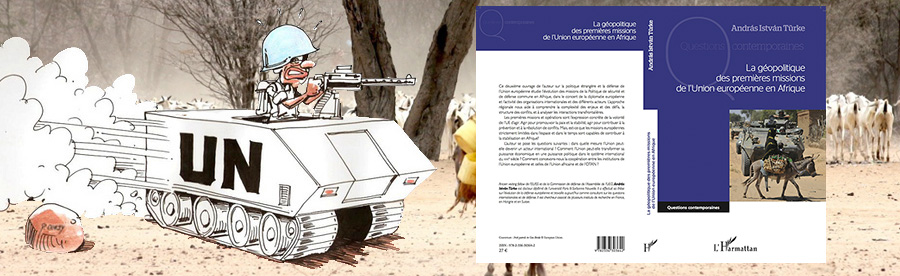

We are looking for sponsors for the English translation of these books, please contact turkeandras(at)gmail(dot)com