
You are here
Afrique
From anticolonial heroes to post-independence liabilities: morphing refugee categorizations in African geopolitics
Many colonies in Africa attained independence through negotiated settlements. However, several others engaged in armed liberation struggles, for example, Kenya, Namibia, South Africa, Southern Rhodesia (Zimbabwe), and the Portuguese colonies of Angola, Cape Verde, Guinea Bissau, Mozambique, and São Tomé and Príncipe. Newly independent states provided liberation movements with bases on their territories and political, military, intellectual, ideological, material, and moral support. In West Africa, Ghana’s first president, Kwame Nkrumah, a notable pan-Africanist, declared in his Independence Day speech in 1957, “Our independence is meaningless unless it is linked up with the total liberation of the African continent.” In East Africa, Julius Nyerere and Jomo Kenyatta, the first presidents of independent Tanzania and Kenya respectively, showed similar commitment to Pan-Africanism and anticolonialism by hosting refugees fleeing armed struggles in Southern Africa. Tanzania hosted the Organization of African Unity Liberation Committee supported anticolonial resistance and liberation movements. President Nyerere supported them for “challenging injustices of empire and apartheid” and declared, “I train freedom fighters”. He encouraged Tanzanians living around liberation movement camps to welcome these movements and their freedom fighters and also protect them from agents of colonial governments. Support also came from many other countries on the continent including Nigeria, Ethiopia, and Algeria. The latter provided sanctuary to representatives of liberation movements such as Nelson Mandela of the African National Congress (ANC) in South Africa.
Categories: Afrique, Diplomacy & Defense Think Tank News
Brâncuși Monumental Târgu Jiu
Categories: Afrique, Balkans Occidentaux
Icônes d'Albanie, trésors du Musée national d'art médiéval de Korça
Categories: Afrique, Balkans Occidentaux
Exposition : France, Suède et Empire ottoman : alliances artistiques
Au début du 18e siècle, la France, la Suède et l'Empire ottoman nouent un réseau d'alliances où la diplomatie ouvre la voie à l'imaginaire. À travers peintures, dessins, estampes et aquarelles, l'exposition explore ces circulations artistiques et culturelles.
Au 18ᵉ siècle, les relations entre Occident et Orient s'apaisent après de longs siècles marqués par les conflits armés. La France, la Suède et l'Empire ottoman s'allient contre les ennemis communs que sont la Russie et l'Autriche. Les (…)
Categories: Afrique, Balkans Occidentaux
Le test de condition physique qui permet d'évaluer votre risque de décès
Ce qui se passe après avoir arrêté l'effort peut être tout aussi révélateur du fonctionnement interne de votre corps. C'est là qu'intervient le test de récupération de la fréquence cardiaque (RFC).
Categories: Afrique, Swiss News
Sêflimi Zohoun s'installe, Claude Paqui s'en va
Le Secrétariat général de la Fédération béninoise de football (FBF) a un nouveau responsable. Sêflimi Zohoun a officiellement succédé à Claude Paqui à l'issue d'une cérémonie de passation de charges organisée, mardi 20 octobre 2026, au siège de l'institution, à Porto-Novo.
Le Secrétariat général de la FBF change de main. Claude Paqui a cédé sa place à Sêflimi Zohoun, mardi 20 octobre 2026, lors d'un e cérémonie de passation de charges, au siège de la Fédération à Porto-Novo.
Au cours de cette cérémonie, le secrétaire général sortant, Claude Paqui, a transmis les dossiers ainsi que les attributs de sa fonction à son successeur. Dans une atmosphère solennelle et cordiale, il a adressé ses vœux de réussite à Sêflimi Zohoun dans l'exercice de ses nouvelles fonctions.
Categories: Afrique
ETS market stability reserve: Council and Parliament reach provisional agreement on targeted amendment
The Council and the European Parliament reached a provisional agreement on amending the rules on the invalidation of allowances in the market stability reserve, in order to increase long-term market liquidity and predictability within its emission trading system.
Categories: Afrique, European Union
Press briefing - Agriculture and Fisheries Council of 26-27 October 2026
Press briefing ahead of the upcoming Agriculture and Fisheries Council will take place on 23 October 2026 at 13:00.
Categories: Afrique, European Union
Rapport du président António Costa au Parlement européen réuni en séance plénière
António Costa, président du Conseil européen, a présenté à la plénière du Parlement européen, à Strasbourg, un compte rendu des discussions qui ont eu lieu lors de la réunion du Conseil européen des 15 et 16 octobre 2026.
Categories: Afrique, European Union
ETS market stability reserve: Council and Parliament reach provisional agreement on targeted amendment
The Council and the European Parliament reached a provisional agreement on amending the rules on the invalidation of allowances in the market stability reserve, in order to increase long-term market liquidity and predictability within its emission trading system.
Categories: Afrique, Europäische Union
Press briefing - Agriculture and Fisheries Council of 26-27 October 2026
Press briefing ahead of the upcoming Agriculture and Fisheries Council will take place on 23 October 2026 at 13:00.
Categories: Afrique, Europäische Union
Rapport du président António Costa au Parlement européen réuni en séance plénière
António Costa, président du Conseil européen, a présenté à la plénière du Parlement européen, à Strasbourg, un compte rendu des discussions qui ont eu lieu lors de la réunion du Conseil européen des 15 et 16 octobre 2026.
Categories: Afrique, Europäische Union
ETS market stability reserve: Council and Parliament reach provisional agreement on targeted amendment
The Council and the European Parliament reached a provisional agreement on amending the rules on the invalidation of allowances in the market stability reserve, in order to increase long-term market liquidity and predictability within its emission trading system.
Categories: Afrique, Európai Unió : hírek magyarul
Press briefing - Agriculture and Fisheries Council of 26-27 October 2026
Press briefing ahead of the upcoming Agriculture and Fisheries Council will take place on 23 October 2026 at 13:00.
Categories: Afrique, Európai Unió : hírek magyarul
Rapport du président António Costa au Parlement européen réuni en séance plénière
António Costa, président du Conseil européen, a présenté à la plénière du Parlement européen, à Strasbourg, un compte rendu des discussions qui ont eu lieu lors de la réunion du Conseil européen des 15 et 16 octobre 2026.
Categories: Afrique, Európai Unió : hírek magyarul
L'ADAC lance un appel à films pour la sélection de réalisateurs béninois
Dans le cadre de la participation du Bénin à l'édition 2026 du Festival international de court métrage CLAP IVOIRE, l'Agence de Développement des Arts et de la Culture (ADAC) lance un appel à films pour la sélection nationale. L'annonce a été faite à travers un communiqué en date du 19 octobre 2026, signé du Liquidateur.
Un appel à films lancé en vue de la participation du Bénin à l'édition 2026 du Festival international de court métrage CLAP IVOIRE. Peuvent faire acte de candidatures, les jeunes réalisateurs disposant d'un court métrage de fiction ou documentaire original et captivant d'une durée maximale de 13 minutes. Ils peuvent proposer leurs œuvres pour représenter le Bénin à ce rendez-vous cinématographique sous-régional dédié aux jeunes talents des pays membres de l'UEMOA.
Communiqué de l'ADAC
Categories: Afrique
La Gambie indemnisera les victimes du régime de Yahya Jammeh grâce à la vente de sa demeure américaine saisie.
La Gambie a confirmé avoir reçu 2,5 millions de dollars provenant de la vente de la maison située dans le Maryland.
Categories: Afrique, Swiss News
Le train Algérie-Tunisie reprend du service : horaires, prix des billets et réductions
Bonne nouvelle pour les voyageurs entre l’Algérie et la Tunisie. Après plus d’un mois de suspension, le train international reliant Annaba à Tunis reprend du […]
L’article Le train Algérie-Tunisie reprend du service : horaires, prix des billets et réductions est apparu en premier sur .
Categories: Afrique, European Union
Campagne pour l'actualisation de la plateforme EducMaster
Au Bénin, le ministère des enseignements maternel et primaire organise une campagne d'actualisation sur la plateforme EducMaster. L'annonce a été faite, mardi 20 octobre 2026, à travers une note du ministre Armand Natta adressée aux directeurs départementaux.
Une campagne nationale d'actualisation de la plateforme EducMaster lancée. Le ministère des enseignements maternel et primaire a adressé ce mardi 20 octobre 2026, une circulaire aux directeurs départementaux.
Selon cette circulaire, les directeurs d'écoles (publiques et privées), sous la supervision directe des conseillers pédagogiques, sont invités à procéder à l'intégration du Numéro Personnel d'Identification (NPI) des apprenants et des enseignants sur la plateforme EducMaster. L'opération selon la note, devra être finalisée au plus tard le 29 octobre 2026.

F. A. A.
Categories: Afrique
Sa Majesté Toffa IX Gbèzè Ayontinmè a rejoint ses ancêtres
La cour royale de Porto-Novo est en deuil. Sa Majesté Toffa IX Gbèzè Ayontinmè, souverain traditionnel de la ville capitale, est décédée dans la matinée de ce mercredi 21 octobre 2026, des suites d'une courte maladie.
Deuil à la cour royale de Porto-Novo. Le roi Toffa IX Gbèzè Ayontinmè n'est plus. Il a rejoint ses ancêtres dans la matinée de ce mercredi 21 octobre 2026.
Le regretté est une figure de la royauté traditionnelle au Bénin. Il laisse derrière lui un héritage associé à la mémoire historique de Porto-Novo, à ses valeurs ancestrales et à la continuité de ses traditions. Son décès remet en lumière la place qu'occupe la chefferie traditionnelle dans la préservation de l'identité culturelle et du patrimoine historique de la cité.
Categories: Afrique, Union européenne
Pages
the old site is here


© 2012-2015 Europa Varietas Foundation © 2015-2020 Europa Varietas Association
www.europavarietas.org | info(@)europavarietas(dot)org | Switzerland
This is a GDPR ready site
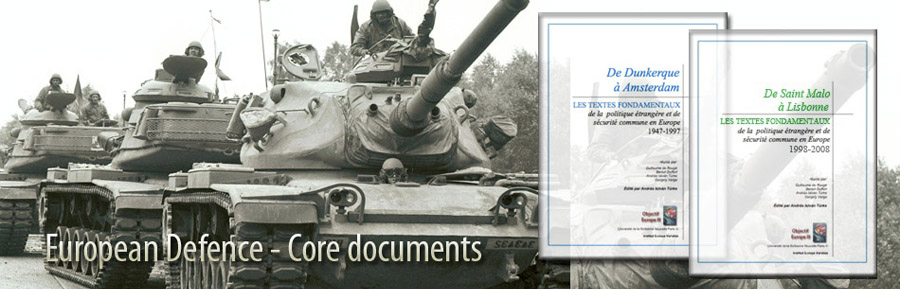
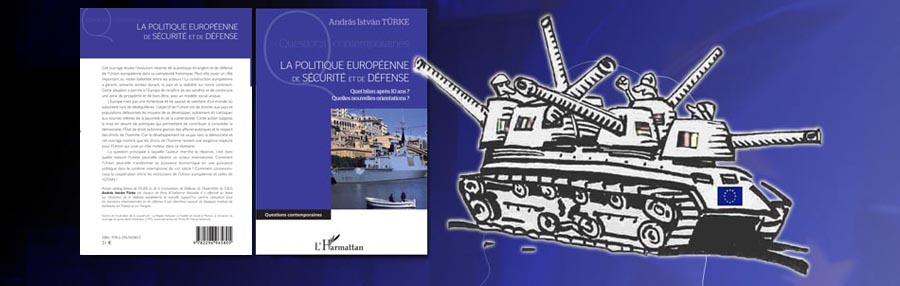
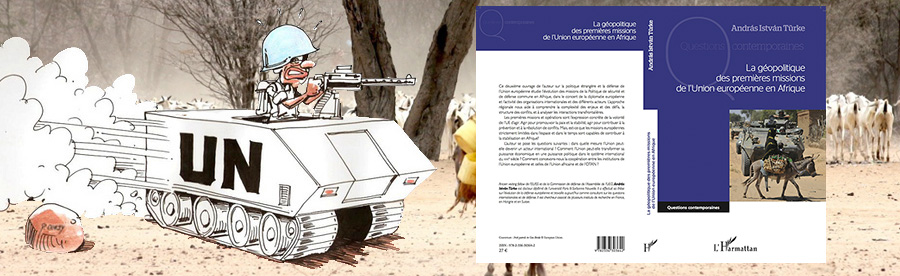
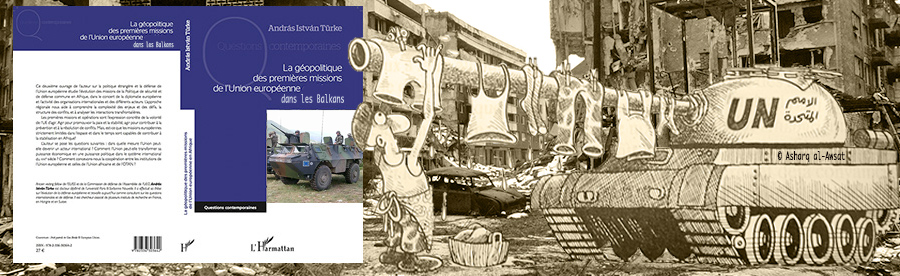
We are looking for sponsors for the English translation of these books, please contact turkeandras(at)gmail(dot)com