
You are here
Afrique
Press release - EU-China relations: Parliament’s Foreign Affairs Committee to visit Beijing and Shanghai
A delegation from Parliament’s Committee on Foreign Affairs, led by Chair David McAllister, will be in China on 21-23 July for high-level meetings with the Chinese authorities.
Committee on Foreign Affairs
Source : © European Union, 2026 - EP
Committee on Foreign Affairs
Source : © European Union, 2026 - EP
Categories: Afrique, Europäische Union
Les plaidoiries de la défense renvoyées au 22 juillet
Le Tribunal de première instance de Cotonou a renvoyé au mercredi 22 juillet 2026, les plaidoiries et les répliques de la défense dans l'affaire Pierre Urbain Dangnivo.
Initialement prévue ce jeudi 16 juillet, la reprise des débats a finalement été renvoyée au mercredi prochain. À la suite du réquisitoire du ministère public, le mercredi 15 juillet, les avocats des accusés avaient demandé un délai supplémentaire pour préparer leur défense en raison de la requalification des faits par le parquet.
Le ministère public a requis l'abandon des poursuites contre Donatien Amoussou. Il a requis une peine de 30 ans de réclusion criminelle et une amende de 150 millions de FCFA contre Codjo Alofa, principal accusé dans la disparition de l'ancien cadre du ministère de l'Économie et des Finances et militant de l'opposition béninoise.
Le procès de l'affaire Pierre Urbain Dangnivo a repris au tribunal de première instance de première classe de Cotonou, vendredi 26 juin 2026, après plus d'une année de suspension.
Categories: Afrique, Defense`s Feeds
Voici les centres où se déroulent ce vendredi les épreuves orales du BAC 2026
Voici les Centres par département pour les épreuves orales de l'examen du Baccalauréat, session de juin 2026. Les épreuves orales se déroulent ce vendredi 17 juillet 2026.
Categories: Afrique, Defense`s Feeds
Le gouvernement met en garde les réseaux d'arnaque visant les détenus
Le ministère de la Justice et de la Législation met en garde contre des individus qui réclament de l'argent à des détenus ou à leurs proches en leur promettant une inscription sur une prétendue liste de bénéficiaires de la grâce présidentielle ou d'autres mesures d'aménagement de peine.
Des personnes se présentent aux détenus comme des magistrats ou des autorités afin de convaincre leurs victimes de verser de l'argent en échange d'une supposée intervention.
Dans un communiqué publié le 16 juillet 2026, le ministère de la Justice et de la Législation a mis en garde contre ces pratiques illégales. « Aucun paiement, sous quelque forme que ce soit, ne peut être exigé ni n'est exigé ou accepté, en lien avec une demande d'aménagement de peine, de libération conditionnelle ou de grâce présidentielle », a rappelé le ministre Yvon Détchénou.
L'examen des dossiers repose uniquement sur les critères fixés par la loi, a indiqué le Garde des sceaux.
Le ministère de la Justice et de la Législation annonce avoir donné des instructions aux procureurs de la République afin que des poursuites pénales systématiques soient engagées contre les auteurs de ces escroqueries.
M. M.
Categories: Afrique, Defense`s Feeds
Du coton aux vêtements, BTC incarne l'essor de l'industrie textile béninoise
Le Bénin poursuit sa stratégie de valorisation locale du coton avec l'essor de Benin Textile Corporation (BTC), l'une des principales unités industrielles implantées dans la Zone industrielle de Glo-Djigbé (GDIZ). Grâce à une chaîne de production entièrement intégrée, l'entreprise ambitionne de produire chaque année 9 000 tonnes de tissu maille et 24 millions de pièces de vêtements, renforçant ainsi la position du pays comme futur pôle textile de référence en Afrique.
Installée sur un site de 11,4 hectares au cœur de la zone économique spéciale, BTC couvre l'ensemble du processus de transformation du coton, de la filature jusqu'à la confection de vêtements finis. Cette intégration permet à l'entreprise de maîtriser chaque étape de la production afin de garantir des standards élevés de qualité, d'efficacité et de durabilité.
L'usine fabrique une large gamme de produits textiles, notamment des fils, des tissus et des vêtements tels que des T-shirts, polos et hoodies. Le coton utilisé provient de la production locale et bénéficie de la certification Cotton made in Africa (CmiA), qui valorise un coton cultivé principalement grâce aux eaux de pluie et selon des pratiques agricoles responsables.
Une industrie textile entièrement intégrée
Le modèle industriel de BTC repose sur une chaîne de valeur complète. L'entreprise prend en charge l'approvisionnement en coton, la filature, le tricotage, la teinture, l'impression, la broderie, le contrôle qualité, la confection, l'emballage ainsi que la logistique jusqu'à la livraison des produits finis aux clients.
Pour soutenir cette capacité de production, l'usine est équipée d'infrastructures de dernière génération comprenant 32 832 broches de filature haute performance, 83 machines de tricotage et de fabrication de cols, 14 machines de teinture ainsi que 11 machines de finition. Cet important dispositif industriel permet d'assurer une production à grande échelle tout en répondant aux exigences des marchés internationaux.
À travers cet investissement, Benin Textile Corporation entend contribuer à l'ambition du Bénin de transformer localement une part croissante de sa production cotonnière, de créer davantage de valeur ajoutée sur le territoire et de développer une industrie textile compétitive. L'entreprise affiche une vision claire : devenir le leader africain de la transformation textile en bâtissant une industrie du vêtement durable, traçable et performante, tout en contribuant à l'établissement de nouveaux standards internationaux en matière de qualité et de responsabilité environnementale.
F. A. A.
Categories: Afrique
Un camion citerne chute dans un ravin à Savalou
Un camion-citerne transportant du gasoil s'est renversé ce jeudi 16 juillet 2026 à l'entrée de Kpakpa, dans la commune de Savalou.
Un poids lourd chargé de gasoil qui assurait la liaison entre Cotonou et le Burkina Faso, a quitté la chaussée, jeudi 16 juillet 2026, à l'entrée de Kpakpa, dans la commune de Savalou.
Le camion-citerne a terminé sa course dans un ravin, selon Bip radio.
Peu après l'accident, plusieurs personnes se sont rendues sur les lieux avec des bidons, visiblement dans l'espoir de récupérer une partie du carburant transporté par le camion.
L'accident n'a fait ni mort ni blessé, a précisé la même source.
M. M.
Categories: Afrique
Equipe d’Algérie : Petkovic maintenu, Morandi saute, Anthar Yahia nouvel adjoint
La Fédération algérienne de football a rendu son verdict : Vladimir Petkovic demeure sélectionneur des Verts jusqu’au terme de son contrat, fixé à fin juillet […]
L’article Equipe d’Algérie : Petkovic maintenu, Morandi saute, Anthar Yahia nouvel adjoint est apparu en premier sur .
Categories: Afrique, European Union
UBA Bénin et Celtiis Cash interconnectés pour des transferts instantanés
Envoyer de l'argent d'un compte bancaire UBA Bénin vers un portefeuille électronique, ou effectuer l'opération inverse en quelques secondes, sans passer par une agence. C'est la facilité qu'offre le service Push & Pull UBA, lancé jeudi 16 juillet 2026 à Cotonou par UBA Bénin et Celtiis Cash.
Le rapprochement entre les établissements bancaires et les opérateurs de Mobile Money s'accélère au Bénin. UBA Bénin et Celtiis Cash s'inscrivent dans cette dynamique avec le service Push & Pull. Conçu pour faciliter les transferts instantanés entre compte bancaire et portefeuille électronique, le service a été officiellement lancé, jeudi 16 juillet 2026, en présence des représentants des deux partenaires et de professionnels des médias.
« UBA rejoint une ambition que partagent nos deux entreprises : celle de faire tomber les barrières entre le monde bancaire traditionnel et l'univers du Mobile money », a déclaré Hermann Lanse, directeur de Celtiis Cash, au lancement de Push & Pull UBA.
Signature de partenariat entre UBA Bénin et Celtiis Cash
Selon lui, cette interconnexion constitue « une avancée majeure » aussi bien pour les clients de UBA Bénin et de Celtiis Cash que pour « l'écosystème financier » au Bénin.
Une offre pensée pour accélérer l'inclusion financière
Hermann Lanse a rappelé que Celtiis entend faire de la digitalisation « un levier concret d'inclusion », afin de permettre aux populations, « où qu'elles se trouvent, de gérer leur argent avec simplicité, rapidité et sécurité ».
Echange des parapheurs entre les DG de UBA Bénin et de CELTIIS CASH
Le directeur général de UBA Bénin a mis l'accent sur l'impact attendu de cette nouvelle offre. « Avoir la possibilité 24 heures sur 24, 7 jours sur 7, avoir accès à ses ressources, c'est un grand pas », a-t-il affirmé. Selon lui, ce service profitera aussi bien aux agriculteurs qu'aux commerçants, transporteurs, étudiants ou ménages.
« L'inclusion financière en Afrique est un élément qui permet de faire reculer la pauvreté et de faire bouger l'économie », a indiqué Charles Koné. Le DG de UBA Bénin a précisé que la disponibilité permanente des fonds dépasse le simple confort.
« Cela peut même sauver une vie, pouvoir avoir accès à ces ressources peut permettre de faire face à des besoins vitaux », a-t-il soutenu, avant d'inviter la population à s'approprier ce nouveau service.
Lors de la présentation technique, Jean Morel Dossou, chef département marketing de Celtiis Cash, a expliqué que les clients peuvent désormais lier eux-mêmes leur compte bancaire ou leur carte prépayée, sans passer en agence.
L'opération s'effectue en six étapes via le code USSD 889# ou en cinq étapes sur la Super App waa.

L'une des particularités du dispositif est son accessibilité. Il n'est pas nécessaire de disposer d'un numéro Celtiis pour utiliser le service Push & Pull UBA. Les utilisateurs de n'importe quel opérateur GSM au Bénin peuvent télécharger la Super App waa, créer leur portefeuille et lier leur compte bancaire UBA afin d'effectuer leurs transactions.
UBA Bénin et Celtiis Cash assurent que les opérations bénéficient de standards de sécurité bancaires, avec une double authentification et des plafonds conformes aux exigences de la BCEAO.
Marc MENSAH

Categories: Afrique
Pas d'augmentation des frais de formation de permis de conduire
Depuis l'annonce des nouvelles réformes encadrant l'obtention du permis de conduire au Bénin, de nombreuses rumeurs circulent sur les réseaux sociaux, faisant état d'une prétendue augmentation des frais de formation qui atteindraient désormais 600 000 FCFA. Des informations que l'Agence nationale des transports terrestres (ANATT) juge sans fondement.
Pas d'augmentation des frais de formation pour l'obtention du permis de conduire au Bénin. Selon Auguste Adjovi, directeur des études, de la réglementation et du contrôle de l'ANATT, « aucune augmentation des heures de formation ni des frais de formation » n'a été décidée dans le cadre des nouvelles réformes. « Il n'y a pas d'heure qui soit augmentée à la formation du permis de conduire jusqu'à ce jour », a-t-il affirmé.
Le responsable de l'ANATT a également rappelé que l'agence ne fixe pas les tarifs appliqués par les auto-écoles. Cette responsabilité incombe aux établissements de formation, qui doivent chaque année soumettre leur grille tarifaire à l'autorité compétente pour vérification.
« L'ANATT ne précise pas les frais de formation. C'est précisé par les auto-écoles en charge de la formation. Chaque année, les auto-écoles doivent fixer les frais de formation et les soumettre à l'autorité afin de voir si cela répond aux normes », a expliqué Auguste Adjovi. Il souligne que l'ANATT exerce un contrôle afin d'éviter toute augmentation abusive. « L'ANATT ne fixe pas les frais de formation, mais elle a un regard sur les augmentations anarchiques pour pouvoir les réguler », a-t-il précisé.
D'après le directeur des études, de la réglementation et du contrôle, les tarifs généralement pratiqués sur le marché restent compris entre 100 000 et 150 000 FCFA.
Il a également indiqué que les organisations faîtières des auto-écoles sont pleinement informées de la situation et savent qu'aucune hausse des frais n'a été décidée dans le cadre des réformes.
Une campagne nationale d'information sera organisée dans tous les départements du Bénin pour expliquer les nouvelles réformes dans ce secteur.
Categories: Afrique
Feux de forêt : Après la mort de deux volontaires, la Protection civile lance un appel urgent
Alors que plusieurs wilayas d’Algérie font face à de violents incendies de forêt attisés par des conditions météorologiques extrêmes, la Protection civile a lancé un […]
L’article Feux de forêt : Après la mort de deux volontaires, la Protection civile lance un appel urgent est apparu en premier sur .
Categories: Afrique, European Union
Une nouvelle espèce de singe aux lèvres orange découverte "cachée" dans la forêt de la RDC
Les scientifiques décrivent une « sensation incroyable » à l'idée de regarder le visage d'un animal dont si peu de gens connaissaient l'existence.
Categories: Afrique
Une nouvelle espèce de singe aux lèvres orange découverte "cachée" dans la forêt de la RDC
Les scientifiques décrivent une « sensation incroyable » à l'idée de regarder le visage d'un animal dont si peu de gens connaissaient l'existence.
Categories: Afrique, European Union
Voici les pays africains exemptés de visa pour l'Afrique du Sud
L'Afrique du Sud a mis à jour sa liste officielle des pays dont les ressortissants peuvent entrer sur son territoire sans visa. Le document du Département des Affaires intérieures confirme l'exemption accordée à une trentaine de pays africains dont le Bénin.
Pretoria facilite la mobilité sur le continent à travers l'actualisation de sa liste des pays exemptés d'entrée de visa. Une trentaine de pays africains dont les ressortissants sont titulaires de passeports diplomatiques, officiels ou de service sont exceptés de visa.
Selon les cas, la durée de séjour autorisée varie généralement entre 30 et 90 jours, conformément aux accords bilatéraux conclus entre Pretoria et les États concernés. Les autorités sud-africaines rappellent que l'exemption de visa ne dispense pas les voyageurs de satisfaire aux autres conditions d'entrée sur le territoire, notamment la présentation d'un passeport valide et le respect de la durée maximale de séjour autorisée.
Cette actualisation intervient dans un contexte où l'Afrique du Sud cherche à faciliter les déplacements avec plusieurs partenaires du continent, tout en maintenant le contrôle de ses frontières à travers un cadre réglementaire clairement défini.
Liste des pays africains et durée de séjour
Algérie — 30 jours
Bénin — 30 jours
Botswana — 90 jours
Cap-Vert — 30 jours
Comores — 90 jours
Côte d'Ivoire — 30 jours
Gabon — 30 jours
Guinée — 90 jours
Kenya — 30 jours
Lesotho — 30 jours
Madagascar — 30 jours
Malawi — 30 jours
Maurice — 30 jours
Mozambique — 90 jours
Namibie — 30 jours
Rwanda — 30 jours
Seychelles — 30 jours
Eswatini — 30 jours
Tanzanie — 90 jours
Tunisie — 90 jours
Zambie — 30 jours
Zimbabwe — 90 jours
Categories: Afrique
Sécurité hydrique : le projet d’une méga-station de dessalement lancé dans cette wilaya
Le coup d’envoi officiel des travaux de la future station de dessalement d’eau de mer de Skikda a été donné ce mardi dans la commune […]
L’article Sécurité hydrique : le projet d’une méga-station de dessalement lancé dans cette wilaya est apparu en premier sur .
Categories: Afrique, European Union
Taux d’emploi en France : les Algériens parmi les nationalités les moins insérées
Le marché du travail français est-il le reflet d’une immigration à deux vitesses ? C’est ce que suggère une récente étude, qui met en lumière […]
L’article Taux d’emploi en France : les Algériens parmi les nationalités les moins insérées est apparu en premier sur .
Categories: Afrique, European Union
Affaire Gleizes, coopération avec l’Allemagne… Les temps forts de la conférence de presse de Tebboune à Berlin
En visite officielle à la République Fédérale d’Allemagne depuis hier le 15 juillet, Abdelmadjid Tebboune a tenu ce 16 juillet une conférence de presse conjointe […]
L’article Affaire Gleizes, coopération avec l’Allemagne… Les temps forts de la conférence de presse de Tebboune à Berlin est apparu en premier sur .
Categories: Afrique, European Union
Deux frères condamnés pour un meurtre commis en 1984 après une opération d'infiltration de la police
Deux frères ont été condamnés pour le meurtre du fonctionnaire Anthony Littler, commis il y a 42 ans.
Categories: Afrique, European Union
Vol direct Alger – Berlin : Tebboune annonce l’ouverture de la ligne avant fin 2026
En visite officielle à Berlin, le président de la République Abdelmadjid Tebboune a annoncé l’ouverture d’une ligne aérienne directe entre Alger et Berlin avant la […]
L’article Vol direct Alger – Berlin : Tebboune annonce l’ouverture de la ligne avant fin 2026 est apparu en premier sur .
Categories: Afrique, Határon túli magyar portálok összesített hírei
Avis de recrutement : Responsable du Patrimoine Immobilier
Type de poste : CDI / CDD
Localisation : Cotonou avec déplacements selon les biens immobiliers
Prise de poste souhaitée : Dès que possible
Mission principale
Le Responsable du Patrimoine Immobilier est chargé de piloter, structurer, valoriser et gérer l'ensemble du patrimoine immobilier confié. Il assure la mise en exploitation des biens existants, la transformation des immeubles non exploités en espaces générateurs de revenus, ainsi que la gestion quotidienne, administrative, commerciale et opérationnelle des actifs immobiliers. Il est responsable de la rentabilité globale du patrimoine immobilier, de l'optimisation des loyers, de la mise en place de modèles d'exploitation adaptés location classique, courte durée type Airbnb ou autres formats innovants, et de la valorisation durable des biens dans une logique de performance et de qualité.
Responsabilités clés
Gestion globale du patrimoine immobilier
❖ Assurer la gestion complète des biens immobiliers maisons, immeubles, appartements et locaux
❖ Tenir un inventaire structuré et à jour de l'ensemble du patrimoine immobilier
❖ Suivre l'état des biens, anticiper les besoins d'entretien, de rénovation ou d'amélioration
❖ Garantir la préservation de la valeur des actifs immobiliers dans le temps
❖ Mise en exploitation et valorisation des biens
❖ Identifier les immeubles et espaces non exploités ou sous-exploités
❖ Concevoir et piloter leur transformation en biens prêts à louer
❖ Définir les usages les plus rentables location longue durée, courte durée, meublé, Airbnb, bureaux, résidences de passage
❖ Piloter les travaux d'aménagement, de rénovation et de mise aux normes
❖ Gérer la mise en place d'un modèle d'ameublement standardisé applicable à l'ensemble des biens
❖ Superviser l'ameublement, l'équipement et la mise en service des logements
Gestion locative et génération de revenus
❖ Assurer la commercialisation des biens immobiliers
❖ Définir les stratégies de mise en location et de fixation des loyers
❖ Déployer les canaux de diffusion adaptés plateformes digitales, réseaux professionnels, agences, circuits spécialisés
❖ Mettre en place les processus de réservation, de location et de suivi des occupants
❖ Assurer la collecte et le suivi des loyers et revenus locatifs
❖ Optimiser les taux d'occupation et la rentabilité des biens
❖ Communication et réseaux immobiliers
❖ Développer et activer les circuits nécessaires à la mise en location rapide des biens
❖ Entretenir un réseau de partenaires agents immobiliers, plateformes, prestataires, conciergeries
❖ Coordonner la communication autour des biens visuels, annonces, positionnement produit
❖ Valoriser les biens auprès des clientèles ciblées locales, expatriés, voyageurs, entreprises
Gestion administrative, juridique et opérationnelle
❖ Assurer la gestion administrative des baux et contrats de location
❖ Veiller au respect des obligations légales et réglementaires liées à l'immobilier
❖ Suivre les assurances, charges, taxes et obligations afférentes aux biens
❖ Coordonner les prestataires maintenance, ménage, sécurité, conciergerie
❖ Gérer les relations avec les locataires et occupants
Pilotage, reporting et optimisation
❖ Assurer un suivi financier régulier des revenus et charges immobilières
❖ Produire des reportings clairs sur la performance du patrimoine
❖ Identifier les leviers d'optimisation des revenus et de réduction des coûts
❖ Proposer des stratégies d'investissement, d'arbitrage ou de repositionnement des biens
❖ Être force de proposition sur toute opportunité immobilière créatrice de valeur
Profil recherché
Formation
Formation en immobilier, gestion immobilière, patrimoine, finance, hôtellerie ou discipline équivalente
Expérience professionnelle
❖ Expérience confirmée dans la gestion de patrimoine immobilier
❖ Expérience avérée en mise en exploitation de biens immobiliers
❖ Maîtrise des modèles de location longue durée et courte durée type Airbnb
❖ Expérience en pilotage de projets d'aménagement et d'ameublement appréciée
Compétences clés
❖ Solide expertise en gestion immobilière et valorisation d'actifs
❖ Capacité à structurer et piloter des projets immobiliers de bout en bout
❖ Maîtrise des circuits de commercialisation et de génération de revenus
❖ Bonne compréhension des enjeux financiers, locatifs et patrimoniaux
❖ Excellentes capacités de communication et de négociation
❖ Autonomie élevée et sens du résultat
Qualités personnelles
❖ Rigueur et fiabilité
❖ Sens aigu de la rentabilité et de la performance
❖ Esprit entrepreneurial et sens de l'initiative
❖ Discrétion et loyauté
❖ Capacité à gérer plusieurs biens et projets simultanément
❖ Orientation solution et résultats.
Candidature
Merci de nous faire parvenir votre CV et lettre de motivation à l'adresse : recrutement@eliteinterim.bj en mentionnant en objet de votre mail ‘'Intitulé du poste''
2
Categories: Afrique
Algérie – Allemagne : les grands dossiers de la visite officielle de Tebboune à Berlin
En s’affichant côte à côte à la Villa Borsig, Abdelmadjid Tebboune et Frank-Walter Steinmeier ne se sont pas contentés de célébrer la solidité de leurs […]
L’article Algérie – Allemagne : les grands dossiers de la visite officielle de Tebboune à Berlin est apparu en premier sur .
Categories: Afrique, Határon túli magyar portálok összesített hírei
Pages
the old site is here


© 2012-2015 Europa Varietas Foundation © 2015-2020 Europa Varietas Association
www.europavarietas.org | info(@)europavarietas(dot)org | Switzerland
This is a GDPR ready site
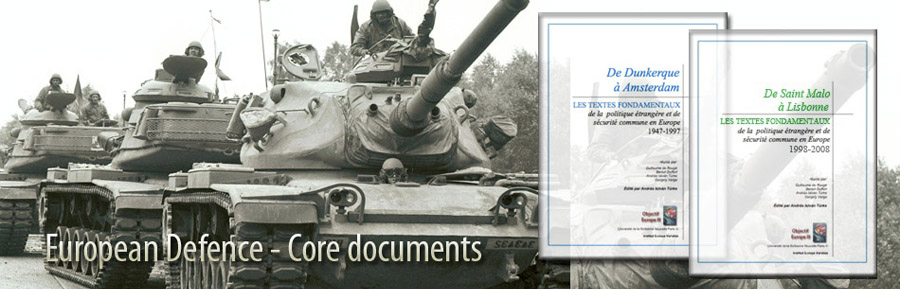
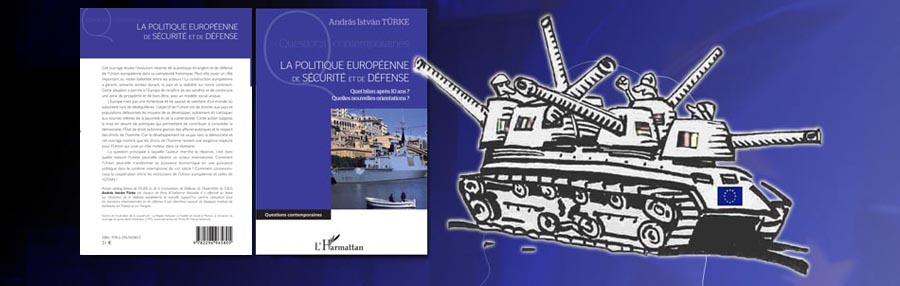
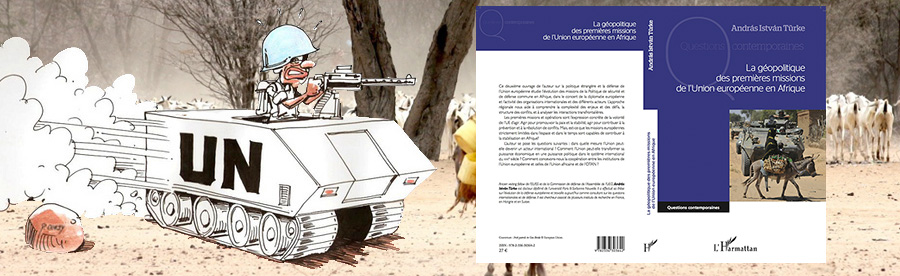
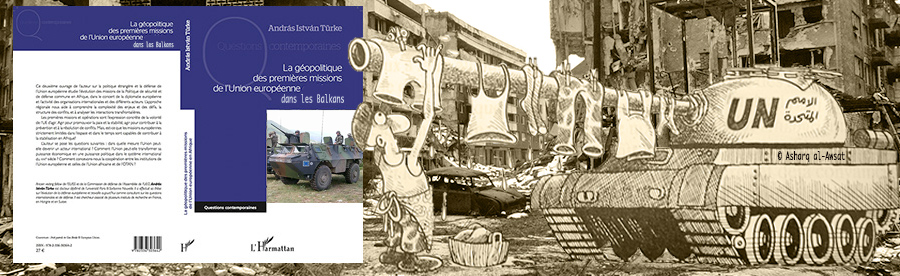
We are looking for sponsors for the English translation of these books, please contact turkeandras(at)gmail(dot)com