
You are here
Europäische Union
Rescheduling of the EU-GCC Summit
The second Summit between the European Union and the Gulf Cooperation Council, originally planned for 24 October 2026 in Riyadh, Saudi Arabia, has been postponed. A new date will be announced in due course.
Categories: Central Europe, Europäische Union
Steady progress on the 'One Europe, One Market' Roadmap
In their second review of the joint declaration and roadmap, designed to boost economic growth, the EU institutions reaffirmed their commitment to timely delivery.
Categories: Central Europe, Europäische Union
Press release - Steady progress on the One Europe, One Market roadmap
In their second review of the joint declaration and roadmap, designed to boost economic growth, the EU institutions reaffirmed their commitment to timely delivery.
Source : © European Union, 2026 - EP
Source : © European Union, 2026 - EP
Categories: Central Europe, Europäische Union
UK threatens to ban Eritreans over migrant return policy
The home secretary said she would not hesitate to impose measures on other countries "refusing to co-operate".
Categories: Africa, Europäische Union
Press release - European Parliament press kit for the European Council of 15 – 16 October 2026
This press kit includes a selection of European Parliament press releases outlining MEPs’ key priorities regarding the issues on the summit agenda.
Source : © European Union, 2026 - EP
Source : © European Union, 2026 - EP
Categories: Central Europe, Europäische Union
AMENDMENTS 1 - 321 - Draft report Institutional aspects of the Common European Defence Union - PE796.323v01-00
AMENDMENTS 1 - 321 - Draft report Institutional aspects of the Common European Defence Union
Committee on Constitutional Affairs
Committee on Security and Defence
Niclas Herbst, Salvatore De Meo
Source : © European Union, 2026 - EP
Committee on Constitutional Affairs
Committee on Security and Defence
Niclas Herbst, Salvatore De Meo
Source : © European Union, 2026 - EP
Categories: Central Europe, Europäische Union
AMENDMENTS 322 - 643 - Draft report Institutional aspects of the Common European Defence Union - PE796.382v01-00
AMENDMENTS 322 - 643 - Draft report Institutional aspects of the Common European Defence Union
Committee on Constitutional Affairs
Committee on Security and Defence
Salvatore De Meo, Niclas Herbst
Source : © European Union, 2026 - EP
Committee on Constitutional Affairs
Committee on Security and Defence
Salvatore De Meo, Niclas Herbst
Source : © European Union, 2026 - EP
Categories: Central Europe, Europäische Union
Media advisory - European Council meeting of 15-16 October 2026
Approximate timing, public sessions and press opportunities.
Categories: Europäische Union, Swiss News
Main messages from the Tripartite Social Summit of 14 October 2026
EU leaders and social partners met in Brussels for the Tripartite Social Summit, a twice-yearly forum for dialogue that brings together the leaders of the EU institutions and the European social partners. Today’s discussion focused on ‘Driving Europe Forward’.
Categories: Biztonságpolitika, Europäische Union
Remarks by President António Costa at the press conference following the Tripartite Social Summit
Remarks by President António Costa at the press conference following the Tripartite Social Summit on 14 October 2026.
Categories: Afrique, Europäische Union
« Dépister tôt, le cancer de sein se soigne beaucoup mieux » (Dr Juvénal HONVOU)
À l'occasion d'Octobre Rose, mois de sensibilisation au cancer du sein, 24 Heures au Bénin donne la parole à un spécialiste pour mieux comprendre les facteurs de risque de cette maladie, reconnaître ses signes d'alerte et connaître les moyens de dépistage. Entretien avec Dr Juvénal HONVOU, Médecin Santé Publique, Chargé du Projet SUCCESS (financé par Unitaid et Expertise France pour renforcer la prévention du cancer du col de l'utérus).
Quels sont les principaux facteurs de risque du cancer du sein ?
Nous avons des facteurs de risques modifiables et des facteurs de risques non modifiables. Le premier, c'est d'être une femme et être âgée de plus de 50 ans. Mais chez nous au Bénin, il faut nuancer tout de suite. Les données béninoises montrent que 02 patientes sur 03 ont moins de 50 ans au moment du diagnostic.
Ensuite, nous avons les facteurs génétiques. Le risque augmente si une mère ou une sœur a eu un cancer du sein, surtout jeune. C'est la même chose si plusieurs cancers du sein, de l'ovaire, du pancréas ou de la prostate sont survenus dans la même branche de la famille. Les femmes déjà soignées pour un cancer du sein ont plus de risque de développer un cancer sur l'autre sein.
Enfin, les facteurs modifiables sont le surpoids, la sédentarité, l'alcool, le tabac, et l'exposition excessive au stress.
Mais, je le dis souvent lors des campagnes : beaucoup de femmes malades n'avaient aucun de ces facteurs. Ne pas en avoir ne veut pas dire être protégée.
Quels sont les signes qui doivent alerter une femme et l'amener à consulter rapidement ?
La boule dans le sein ou sous l'aisselle, tout le monde la connaît. Il y a pourtant d'autres signes : un mamelon qui rentre, une peau qui se creuse ou qui ressemble à une peau d'orange, un écoulement de sang par le mamelon, un sein qui change de forme, une petite plaie sur le mamelon qui ne guérit pas, une douleur précise qui persiste.
Il y a aussi un point que je veux bien souligner. Au début, un cancer du sein ne fait presque jamais mal. Attendre la douleur, c'est perdre un temps précieux.
Quels sont les gestes que les femmes peuvent adopter au quotidien pour prévenir le cancer du sein et favoriser une détection précoce ?
Le premier geste est de connaître ses seins. Il ne s'agit pas d'appliquer une technique compliquée chaque mois. Il s'agit de savoir à quoi vos seins ressemblent d'habitude, pour remarquer sans tarder qu'un changement est apparu. Ce n'est pas un dépistage en soi, mais c'est ce qui pousse à consulter tôt.
Ensuite, il faut profiter de chaque passage au centre de santé ou à la maternité pour demander un examen des seins par un professionnel de santé.
A ces conseils, nous ajoutons les règles de prévention des maladies non transmissibles : 0 Alcool, 0 Tabac, 5 portions de fruits et légumes par jour, 30 minutes d'activités physiques par jour, mangez peu salé, peu sucré, peu gras.
À partir de quel âge et à quelle fréquence une femme devrait-elle effectuer un dépistage du cancer du sein, notamment par mammographie ?
Au Bénin, le référentiel national a été adapté à notre réalité, puisque nos patientes sont plus jeunes qu'en Europe. Il propose de commencer dès 35 ans, avec une échographie mammaire chaque année, parfois associée à une mammographie tous les deux ans. À partir de 50 ans, la mammographie tous les deux ans devient la règle.
Les femmes à risque familial ou génétique élevé ont un suivi à part : il commence plus tôt. Leur suivi est plus rapproché et il est coordonné par des spécialistes.
Avant 35 ans, sans symptôme ni antécédent, on ne fait pas d'examens systématiques. Mais au moindre signe, on consulte, quel que soit l'âge.
En cas de découverte d'une grosseur ou d'un autre signe suspect, quels sont les premiers gestes à faire et surtout quelles erreurs faut-il éviter ?
Elle doit consulter rapidement. Nous visons un délai de deux semaines au maximum. Le soignant l'examine puis demande une échographie mammaire et/ou une mammographie. Si l'image est suspecte, on fait une biopsie, c'est-à-dire un petit prélèvement à l'aiguille. C'est le seul moyen d'avoir une certitude. Et je rappelle que la plupart des boules ne sont pas des cancers.
Les erreurs à éviter et qui reviennent dans toutes nos enquêtes de terrain sont :
– Attendre que ça fasse mal ;
– Se croire trop jeune ;
– Commencer par des remèdes à la maison ;
– Avoir peur de la biopsie alors qu'elle n'aggrave pas la maladie ;
– Se faire opérer sans analyse préalable ;
– Faire les examens et ne jamais revenir chercher les résultats.
L'objectif national est clair : qu'une femme ait son diagnostic complet en moins de deux mois après son premier contact avec le système de santé.
Quel message essentiel adresseriez-vous aux femmes béninoises à l'occasion d'Octobre Rose pour les encourager à se faire dépister et à consulter sans attendre ?
Le cancer du sein est le premier cancer de la femme au Bénin. On estime à plus de 2 000 le nombre de nouveaux cas chaque année, et environ la moitié de ces femmes en meurent. Dans le registre de Cotonou, 03 patientes sur 04 étaient diagnostiquées à un stade avancé. Ces chiffres, nous pouvons les faire baisser. Dépister tôt, ce cancer se soigne beaucoup mieux.
Alors, mesdames, n'ayez ni honte ni peur. Au moindre changement, consultez. Acceptez le dépistage quand il vous est proposé. Octobre est rose, mais la santé de vos seins compte toute l'année.
Categories: Afrique, Europäische Union
3 postes à pourvoir à l'Agence béninoise pour le Télé-Enseignement
L'Agence béninoise pour le Télé-Enseignement (AbT-E) recrute pour trois postes en contrat à durée déterminée de deux ans renouvelables. Les candidatures sont ouvertes aux profils de directeur de la pédagogie et des contenus numériques, de personne chargée de la comptabilité et des Finances et d'agent de liaison. Les dossiers doivent être soumis par courriel au plus tard le 25 octobre 2026 à 23h59.
Categories: Afrique, Europäische Union
Loto Star 14 H : les numéros gagnants
Je LES RÉSULTATS DOUBLE CHANCE SONT LÀ !
LOTO STAR Tirage N°123/26
Mercredi 14 Octobre 2026 (14H)
– Zone A (5 premiers numéros) :
50 • 74 • 21 • 45 • 86
– Zone B (5 derniers numéros) :
54 • 15 • 87 • 33 • 70

Félicitations aux heureux gagnants.
Pas encore cette fois ? Gardez le sourire !
Rendez-vous à 18H pour le prochain tirage.
Jouez avec modération et responsabilité. Le jeu doit rester un plaisir.
A TOI DE JOUER #Akaxòa
#LNBSA #XòGbɔnAlɔkpaVo #JeuResponsable #LaChanceAvecModération
Categories: Afrique, Europäische Union
Palestine: Statement by the High Representative on behalf of the European Union on the postponement of elections
The High Representative issued a statement on behalf of the European Union on the postponement of elections in Palestina.
Categories: Europäische Union, European Union
Media advisory - Tripartite Social Summit of 14 October 2026
Main agenda items, approximate timing, public sessions and press opportunities.
Categories: Europäische Union, European Union
Ski-Legende über Odermatt und die Österreich-Hoffnung
Der ehemalige Abfahrts-Weltmeister und dreifache Weltcupsieger Michael Walchhofer schwärmt von den Ski-Schweizern, vor allem von Marco Odermatt. Für die Österreicher dagegen werde es schwierig.
Categories: Europäische Union, Swiss News
Neue Regeln fürs Homeoffice – das musst du wissen
Homeoffice soll flexibler werden: Wer von zu Hause aus arbeitet, soll seine Arbeitszeit künftig über 17 Stunden verteilen können. Mehr Sonntagsarbeit und ein ausdrücklich verankertes Recht auf Nichterreichbarkeit lehnt die zuständige Ständeratskommission hingegen ab.
Categories: Europäische Union, Swiss News
Fluggesellschaft muss wegen Haaland vor Gericht
KI-Frisur, Torjubel, Laufstil: Die Fluggesellschaft Norwegian spielte in drei WM-Posts auf Erling Haaland an – nun klagt der Stürmer. Sein Anwalt sieht darin unerlaubte Werbung.
Categories: Europäische Union, Swiss News
Trainer-Duo, Mega-Meisterrennen und Guardiola-Coup
Der FC Bayern blamiert sich bei Viking Stavanger und leistet sich mit dem 3:3-Remis einen veritablen Ausrutscher. Für den norwegischen Meister ist es der grösste Coup der Vereinsgeschichte.
Categories: Europäische Union, Swiss News
Grosse Solidarität mit Eidgenosse Odermatt
Nach dem Brand im Elternhaus von Adrian Odermatt ist die Solidarität gross. Bereits 124'800 Franken sind für die Familie des zweifachen Eidgenossen zusammengekommen. Auch der Schwinger selbst bedankt sich für die Unterstützung.
Categories: Europäische Union, Swiss News
Pages
the old site is here


© 2012-2015 Europa Varietas Foundation © 2015-2020 Europa Varietas Association
www.europavarietas.org | info(@)europavarietas(dot)org | Switzerland
This is a GDPR ready site
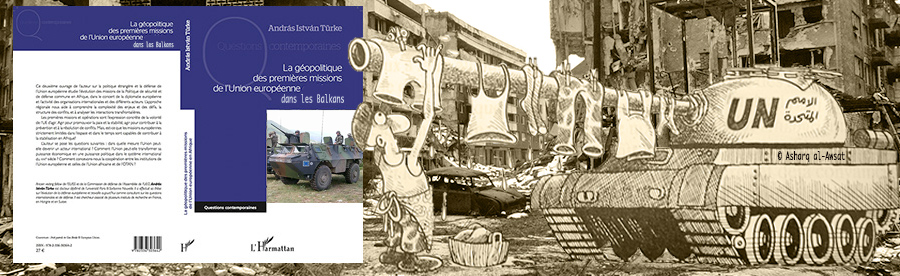
We are looking for sponsors for the English translation of these books, please contact turkeandras(at)gmail(dot)com