
You are here
Határon túli magyar portálok összesített hírei
UN Reiterates its 18-Year-Old Ban on Smoking
A smoke- free UN corridor. Credit: IPS
By Thalif Deen
UNITED NATIONS, Aug 19 2026 (IPS)
When smoking was common in the corridors of the UN, in the delegate’s lounge and in committee rooms during the 1970s and 90s, the office of the Secretary-General sent a memo that read: “Smoking was Discouraged” in the UN building—sounding far short of a ban.
The Russian Ambassador Sergey Lavrov (1994-2004), currently the country’s Foreign Minister, left a Security Council meeting and pulled out a cigarette in the presence of half a dozen reporters waiting for him outside the chamber.
As he approached the reporters, one of them told him that the Secretary-General had banned smoking in the building. And Lavrov shot back: “This building does not belong to the Secretary-General. It belongs to member states: he said, as he lit his cigarette.
And Lavrov was dead on target.
The ban on smoking became effective only after the 193-member General Assembly adopted a resolution back in 2008—18 years ago.
Under Resolution 63/8 and Secretariat Information Circular ST/IC/2016/10, the United Nations enforced a complete ban on indoor smoking and the sale of tobacco products across all UN Headquarters premises. Smoking and vaping were restricted exclusively to designated, signposted open-air areas.
- • The resolution 63/8, adopted on November 3, 2008, mandated a total ban on indoor smoking and tobacco sales at UN Headquarters in New York, while recommending similar restrictions across all regional and country offices system-wide.
• Information Circular ST/IC/2016/10: This administrative issuance updated and superseded prior circulars (such as ST/IC/2009/29), reiterating strict compliance guidelines for staff, delegates, and visitors regarding the smoke-free workplace mandate.
But apparently there were violations of the ban.
A new circular released last week by the UN’s Media and Liaison Unit (MALU) has reiterated the ban on smoking– and well ahead of the arrival of thousands of delegates who will be at the UN for the General Assembly sessions in mid-September.
“Please remember: terraces, verandas, entrances and other outdoor spaces are not automatically smoking areas. Smoking and vaping should take place only where the area is specifically designated and clearly marked”.
The World Health Organization (WHO), says the circular, states that there is no safe level of exposure to second-hand tobacco smoke and that fully smoke-free environments provide the most effective protection.
Even brief exposure can affect cardiovascular and respiratory health, particularly for people with asthma, cardiovascular disease, other respiratory conditions, or heightened sensitivity to smoke.
Second-hand smoke can drift beyond the person smoking and affect colleagues, delegates, visitors and service personnel who have not chosen to be exposed. Vape aerosol may also contain nicotine, ultrafine particles and other potentially harmful substances; for this reason, vaping is subject to the same UNHQ restrictions.
According to WHO, a UN agency based in Geneva, tobacco damages nearly every organ in the body, causing cancer, heart disease, stroke, lung disease, reduced fertility, weakened immunity and premature death.
- • Tobacco kills more than 7 million people each year, including over 1.6 million non-smokers who are exposed to second-hand smoke.
• All forms of tobacco use are harmful, and there is no safe level of exposure.
• Around 80% of the world’s 1.2 billion tobacco users live in low- and middle-income countries
• Nicotine is highly addictive and harmful, particularly for children, adolescents and young adults whose brains are still developing.
The tobacco epidemic, says WHO, is one of the biggest public health threats the world has ever faced, responsible for over 7 million deaths annually as well as disability and long-term suffering from tobacco-related diseases.
Tobacco use is a major risk factor for cardiovascular and respiratory diseases, over 20 different types or subtypes of cancer, and many other debilitating health conditions.
All forms of tobacco use are harmful, and there is no safe level of exposure to tobacco. Cigarette smoking is the most common form of tobacco use worldwide. Other tobacco products include waterpipe tobacco, cigars, cigarillos, heated tobacco, roll-your-own tobacco, pipe tobacco, bidis and kreteks, and smokeless tobacco products.
Nicotine is highly addictive and harmful, particularly for children, adolescents and young adults whose brains are still developing. Nicotine exposure during adolescence can affect brain development, including impacts on attention and learning.
Early nicotine use can increase the likelihood of long-term dependence and future use of other nicotine and tobacco products. Nicotine use also increases cardiovascular risk, the WHO warned.
“Around 80% of the 1.2 billion tobacco users worldwide live in low- and middle-income countries (2), where the burden of tobacco-related illness and death is heaviest. Tobacco use contributes to poverty by diverting household spending from basic needs such as food and shelter to tobacco. This spending behaviour is difficult to curb because tobacco is very addictive”.
The economic costs of tobacco use are substantial and include significant health care costs for treating the diseases caused by tobacco use, as well as the lost human capital that results from tobacco-attributable morbidity and mortality.
IPS UN Bureau Report
Follow @IPSNewsUNBureau
!function(d,s,id){var js,fjs=d.getElementsByTagName(s)[0],p=/^http:/.test(d.location)?'http':'https';if(!d.getElementById(id)){js=d.createElement(s);js.id=id;js.src=p+'://platform.twitter.com/widgets.js';fjs.parentNode.insertBefore(js,fjs);}}(document, 'script', 'twitter-wjs');
Categories: Africa, Határon túli magyar portálok összesített hírei
Höhere CO2-Steuern können Produktivität der grünen Wirtschaft stärken
Modellanalyse zeigt: Höhere CO2-Preise lenken Arbeit in klimafreundliche Bereiche, wo Expertise für grüne Transformation entsteht – Einnahmen sollten genutzt werden, um Einkommensteuern zu senken und damit Arbeitsanreize zu erhöhen – So ließen sich Klimaziele erreichen und zugleich die künftige ...
Kraftakt gegen Tschechen: Wawrinka beendet Niederlagenserie – aber bangt um US Open
Erfolgsmeldung von Stan Wawrinka. Er gewinnt erstmals seit Mitte Mai wieder eine Partie.
Categories: Határon túli magyar portálok összesített hírei, Swiss News
Klitschko-Ehefrau: Natalia Yegorova trauert um Hayden Panettiere (†36)
Der plötzliche Tod von Hayden Panettiere (36) erschüttert Natalia Yegorova (52), die Ex-Frau von Vitali Klitschko. Auf Instagram teilt sie bewegende Worte und erinnert an ihre tiefe Freundschaft mit der Schauspielerin.
Categories: Határon túli magyar portálok összesített hírei, Swiss News
Er ist dement und schuldunfähig – wird er jetzt verwahrt?: Ivan T. massakriert Ehefrau und Tochter mit über 210 Messerstichen
Sein Verteidiger spricht von einem «aussergewöhnlichen Mordfall». 2025 tötet Ivan T. (74) in Bülach Ehefrau und Tochter mit Hunderten Messerstichen. Laut Gutachten ist T. schuldunfähig – und soll verwahrt werden. Heute Mittwoch steht er vor Gericht – Blick tickert live.
Categories: Határon túli magyar portálok összesített hírei, Swiss News
Nach Zoff und Kritik: Memphis Depay verlängert Vertrag mit Corinthians
Memphis Depay bleibt in Brasilien. Der 32-jährige Holländer hat seinen Corinthians-Vertrag bis 2028 verlängert. Er verzichtet dabei auf viel Geld.
Categories: Határon túli magyar portálok összesített hírei, Swiss News
«Versuchten, ihn loszuwerden»: Hayden Panettieres (†36) Mutter macht Ex schwere Vorwürfe
Nach dem plötzlichen Tod von US-Schauspielerin Hayden Panettiere (†36) bricht ihre Mutter Lesley Vogel das Schweigen. Sie erhebt schwere Vorwürfe gegen den On-Off-Freund ihrer Tochter, Brian Hickerson, der bei ihrem Tod anwesend war.
Categories: Határon túli magyar portálok összesített hírei, Swiss News
Vincenz-Prozess Tag 8: Staatsanwaltschaft hat ein letztes Wort
Es ist der Wirtschaftsprozess des Jahrzehnts. Pierin Vincenz und Beat Stocker sollen dank versteckter Deals abkassiert haben. Letzten Montag hat die Verhandlung am Obergericht begonnen. Die zweite Prozesswoche geht bereits dem Ende zu. Blick berichtet livel.
Categories: Határon túli magyar portálok összesített hírei, Swiss News
Grosser Abbau am Hauptsitz: Winterthurer Industriekonzern streicht insgesamt 220 Jobs
Das Winterthurer Industrieunternehmen Burckhardt Compression will am Standort Winterthur bis zu rund 150 Stellen abbauen. Weitere 70 Stellen sollen an internationalen Standorten gestrichen werden. Grund dafür: Die kommenden Quartale werden voraussichtlich schwach.
Categories: Határon túli magyar portálok összesített hírei, Swiss News
Nach Badeunfall wieder bei Bewusstsein: Entwarnung! Zustand von Serie-A-Stürmer stabil
Gute Nachrichten aus Italien: Der 20-jährige Yael Trepy befindet sich nach seinem Badeunfall in Porto Cervo auf dem Weg der Besserung.
Categories: Határon túli magyar portálok összesített hírei, Swiss News
Succession de Petkovic : la FAF négocie avec Gustavo Poyet
La quête du futur patron technique des Verts vient de connaître un virage inattendu. Alors que les premières négociations n’ont rien donné de concret, un […]
L’article Succession de Petkovic : la FAF négocie avec Gustavo Poyet est apparu en premier sur .
Categories: Afrique, Határon túli magyar portálok összesített hírei
Pächterzoff im Camping Riarena geht bis vors Bundesgericht: Jetzt spricht die Eigentümerin zum Verweis der Dauercamper
Bald müssen die über 100 Dauercamper in Cugnasco TI den Camping Riarena verlassen. Nun äussert sich die Eigentümerin zu den geplanten Arbeiten, einer umstrittenen Vergabe – und einem jahrelangen Zoff mit dem aktuellen Pächter, der bis vor Bundesgericht ging.
Categories: Határon túli magyar portálok összesített hírei, Swiss News
Émirats – Afrique : ports, or et mercenaires : ce qu’Alger dénonçait, le Financial Times le documente
Avril 2023, Khartoum sombre dans la guerre. Pendant que les Forces de soutien rapide (FSR) affrontent l’armée soudanaise, la raffinerie d’or publique et la Banque […]
L’article Émirats – Afrique : ports, or et mercenaires : ce qu’Alger dénonçait, le Financial Times le documente est apparu en premier sur .
Categories: Afrique, Határon túli magyar portálok összesített hírei
Zambia's Hichilema re-elected president as main rival in hiding over alleged threats
Hakainde Hichilema says he was “truly humbled” by the victory and promised to work for all Zambians.
Categories: Africa, Határon túli magyar portálok összesített hírei
Nigeria influencer arrested after seizure of cocaine worth $28m destined for the UK
Afolabi Kazeem Micheal has not commented on allegations he is linked to a global drug trafficking network.
Categories: Africa, Határon túli magyar portálok összesített hírei
Saudia Airlines renforce sa présence en Algérie : ce qui change dès le 25 octobre 2026
Dès le 25 octobre 2026, Saudia Airlines passe à la vitesse supérieure ! Avec jusqu’à 15 vols par semaine entre Djeddah et Alger pour la […]
L’article Saudia Airlines renforce sa présence en Algérie : ce qui change dès le 25 octobre 2026 est apparu en premier sur .
Categories: Afrique, Határon túli magyar portálok összesített hírei
Vieira named new Senegal head coach
Former Arsenal and France captain Patrick Vieira is appointed as the new head coach of the Senegal men's national team.
Categories: Africa, Határon túli magyar portálok összesített hírei
Patricia T. (67) aus dem Aargau sass in der Engadiner Todeskutsche: «Plötzlich wurden wir schneller und schneller»
Der Kutschenunfall im Rosegtal GR forderte am 15. August 2026 ein Todesopfer (†73) und verletzte zwölf Menschen. Schuld war wohl ein Bremsversagen. Eine Betroffene schildert nun bei Blick, wie sie das Unglück überlebte.
Categories: Határon túli magyar portálok összesített hírei, Swiss News
Le navire Ottoman Sincerity quitte Sèmè avec 1 million de barils de brut nigérien
Le navire-citerne Ottoman Sincerity a quitté, le 14 août 2026, le terminal maritime de Sèmè-Kpodji après avoir embarqué une cargaison d'un million de barils de pétrole brut nigérien « Meleck ». Cette opération constitue la première cargaison commercialisée conjointement par la Société nigérienne du pétrole (SONIDEP) et le groupe algérien Sonatrach, dans le cadre de l'accord conclu entre les deux entreprises le 22 juillet 2026.
Le pétrole brut nigérien coule sur les côtes béninoises. Une cargaison d'un million de barils a embarqué le 14 août 2026. Ce chargement selon La Marina, a été effectué sous la supervision d'une mission mixte présente à Cotonou du 9 au 15 août. À l'issue des opérations, Ottoman Sincerity a levé l'ancre avec cette première cargaison destinée aux marchés internationaux.
Sèmè-Kpodji, une infrastructure essentielle pour le pétrole nigérien
Cette opération confirme l'importance stratégique du Bénin dans l'acheminement du pétrole brut nigérien. Enclavé et dépourvu d'accès direct à la mer, le Niger dépend de l'oléoduc transfrontalier de quelque 2 000 kilomètres développé par CNPC/WAPCO pour transporter sa production depuis le bassin pétrolier d'Agadem jusqu'au littoral béninois.
Sur les 2 000 kilomètres de l'infrastructure, environ 675 kilomètres traversent le territoire béninois. Le terminal de Sèmè-Kpodji constitue ainsi le principal point d'évacuation maritime du brut nigérien vers les marchés extérieurs.
Les exportations pétrolières via cette infrastructure se poursuivent malgré la fermeture de la frontière terrestre entre le Bénin et le Niger intervenue en 2023. La continuité de ces opérations illustre le caractère stratégique du corridor pétrolier pour les deux pays.
Une opération aux enjeux économiques et diplomatiques
Le départ de cette cargaison intervient alors que les relations entre Cotonou et Niamey connaissent une phase d'apaisement. Cette dynamique a notamment été marquée par le déplacement du président Romuald Wadagni à Niamey le 2 juin 2026.
Les questions liées au transport du pétrole et à la réouverture de la frontière terrestre demeurent toutefois distinctes. Un comité d'experts bénino-nigérien travaille sur les conditions d'une reprise complète des échanges, mais aucune date officielle n'a encore été annoncée.
Sur le plan économique, le transit du pétrole nigérien constitue une source de revenus pour le Bénin à travers les droits et prestations liés à l'acheminement et à l'exportation du brut. La poursuite des opérations à Sèmè-Kpodji contribue ainsi à renforcer la vocation du pays comme plateforme logistique et énergétique régionale.
L'entrée de Sonatrach dans la commercialisation du brut nigérien pourrait par ailleurs donner une nouvelle dimension à ce corridor pétrolier, en diversifiant les partenaires commerciaux et en renforçant le rôle du terminal béninois dans l'accès du pétrole nigérien aux marchés internationaux.
F. A. A.
Categories: Afrique, Határon túli magyar portálok összesített hírei
Kariba ferry death toll rises to 93, making it Zimbabwe's deadliest transport disaster
Recovery efforts continue in what is the country's deadliest transport disaster.
Categories: Africa, Határon túli magyar portálok összesített hírei
Pages
the old site is here


© 2012-2015 Europa Varietas Foundation © 2015-2020 Europa Varietas Association
www.europavarietas.org | info(@)europavarietas(dot)org | Switzerland
This is a GDPR ready site
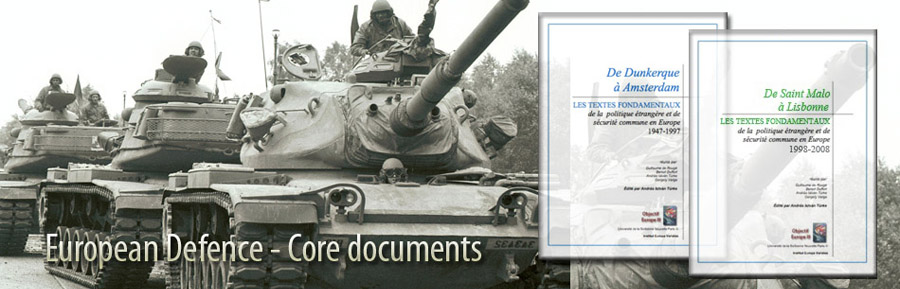

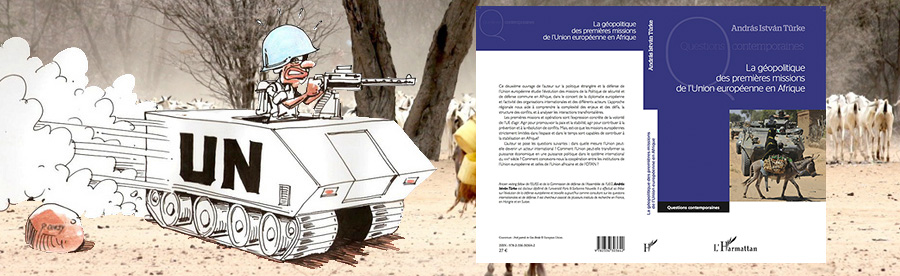

We are looking for sponsors for the English translation of these books, please contact turkeandras(at)gmail(dot)com