
You are here
European Union
Le litre d'essence vendu à 2 500 FCFA dans des localités au nord
La hausse du prix de l'essence de contrebande, communément appelée « kpayo », affecte plusieurs communes du Bénin. Dans certaines localités du département de l'Atacora, le litre a été vendu jusqu'à 2 500 FCFA le dimanche 11 octobre 2026, sur fond de pénurie liée à la crue du fleuve Okpara.
Le prix de l'essence kpayo connaît une forte hausse dans plusieurs communes du Bénin. Le Nord du Bénin est le plus touché par cette hausse. À Matéri, Tanguiéta, Kérou, Ouassa-Péhunco et Toucountouna, dans le département de l'Atacora, les populations font face à une pénurie de ce carburant de contrebande.
Dans la journée du dimanche 11 octobre 2026, le litre d'essence kpayo a été vendu à 2 000 FCFA, voire 2 500 FCFA par endroits. Une situation qui contraint les consommateurs à débourser davantage pour s'approvisionner en carburant.
Cette hausse intervient alors que plusieurs stations-services ne disposent pas de stocks suffisants pour satisfaire la demande. Faute de pouvoir s'approvisionner facilement dans ces stations, les consommateurs se tournent vers les vendeurs d'essence de contrebande, malgré les prix élevés pratiqués. Selon les informations, cette situation serait liée à la crue du fleuve Okpara, qui entrave l'acheminement de l'essence vers les localités concernées.
Pendant que le litre d'essence kpayo atteint 2 500 FCFA dans certaines zones, le prix à la pompe dans les stations-services est actuellement de 750 FCFA le litre. Mais l'insuffisance des stocks dans certaines stations limite les possibilités d'approvisionnement des consommateurs.
Categories: Afrique, European Union
Un véhicule fonce dans une boutique, 3 personnes blessées
Un accident de la circulation s'est produit dans l'après-midi du samedi 10 octobre 2026 au carrefour Gankpétin, dans l'arrondissement de Coussi, commune de Toffo, sur l'axe Toffo-Houègbo. Le bilan fait état de trois blessés et de dégâts matériels.
Un véhicule quitte sa trajectoire et fait des dégâts. Selon les informations rapportées par Radio Sèdohoun, le conducteur a terminé sa course contre une boutique en bordure de route. Le boutiquier, le conducteur et une autre victime ont été blessés. Les trois victimes ont été évacués à l'hôpital.
Les forces de sécurité se sont rendues sur les lieux pour le constat.
Categories: Afrique, European Union
Bijoux en or et en argent : une amnistie exceptionnelle se profile en 2027
Le marché des métaux précieux en Algérie pourrait connaître un changement important en 2027. Le projet de loi de finances (PLF) 2027 prévoit une opération […]
L’article Bijoux en or et en argent : une amnistie exceptionnelle se profile en 2027 est apparu en premier sur .
Categories: Afrique, European Union
«Wer so viel Geld für Berater braucht, hat ein Führungsproblem!»
Millionen für externe Berater, Sparmassnahmen beim Programm: Die SRG-Ausgaben sorgen für Zündstoff. In der Community gehen die Meinungen auseinander: Während einige die hohen Honorare als falsche Priorität kritisieren, halten andere externe Expertise für unverzichtbar.
Categories: European Union, Swiss News
Belaribi fixe la date de la 2ᵉ tranche AADL 3 : vers un paiement en deux temps ?
Les souscripteurs du programme de location-vente devront bientôt remettre la main au portefeuille. Le ministre de l’Habitat, de l’Urbanisme et de la Ville, Tarek Belaribi, […]
L’article Belaribi fixe la date de la 2ᵉ tranche AADL 3 : vers un paiement en deux temps ? est apparu en premier sur .
Categories: Afrique, European Union
Loto Fortune : Les résultats du tirage 11 H
LES RÉSULTATS LOTO FORTUNE SONT LÀ !
TIRAGE N°163/26
Lundi 12 Octobre 2026 (11H)
43 • 04 • 35 • 49 • 13
Félicitations aux heureux gagnants !
Pas encore gagné ? Gardez le sourire !
Rendez-vous au prochain tirage de 14H pour une nouvelle chance.
Jouez dans les centres de jeux ou en ligne : Tapez 590# ou lnbloto.bj
Jouez avec modération et responsabilité. Le jeu doit rester un plaisir.
A TOI DE JOUER #XòGbɔnAlɔkpaVo
#LNBSA #JeuResponsable #LaChanceAvecModération
Categories: Afrique, European Union
Un Prix national pour simplifier les procédures administratives
Le gouvernement béninois lance le « Prix national de la simplification administrative » pour recueillir et récompenser les propositions visant à rendre les services publics plus simples, plus rapides, moins coûteux et plus accessibles. Le dépôt des candidatures est prévu du 29 octobre au 12 novembre 2026.
L'initiative est portée par le ministre délégué chargé du Budget et de la Fonction publique, en collaboration avec le ministre de la Transformation digitale et de l'Innovation, chargé de la stratégie nationale d'intelligence artificielle. Elle vise à associer les citoyens et les agents publics à la modernisation de l'administration.
Le concours est ouvert aux agents de l'administration publique, aux citoyens, aux entreprises, aux associations et aux organisations de la société civile. Les participants sont invités à proposer des solutions aux difficultés rencontrées dans les démarches administratives, notamment la réduction des pièces justificatives, des délais de traitement, des déplacements et des coûts. La digitalisation et l'automatisation des procédures figurent également parmi les pistes envisagées.
Les propositions seront évaluées selon leur pertinence, leur caractère simplificateur, leur impact attendu, leur faisabilité et leur potentiel d'application à d'autres administrations. Les lauréats bénéficieront d'une reconnaissance institutionnelle et d'un accompagnement pour la mise en œuvre de leurs solutions. Selon le communiqué en date du 12 octobre 2026, les propositions pourront être déposées sur la plateforme dédiée du 29 octobre au 12 novembre.
Au-delà des récompenses, les propositions jugées pertinentes pourront faire l'objet d'analyses de faisabilité, puis être expérimentées et mises en œuvre avec les administrations compétentes.
Cette initiative s'inscrit dans la dynamique du Partenariat pour un Gouvernement ouvert et contribue à l'objectif de dématérialisation de l'ensemble des démarches administratives à l'horizon 2030.
Categories: Afrique, European Union
Betrunkener Fahrer schleppt Unfallauto mit Traktor selbst ab
Kurioser Fall im Luzernischen: Nach einem Selbstunfall probierten zwei junge Männer, ein Auto mit einem Traktor abzuschleppen – das Vorhaben scheiterte, beide mussten ihr Billett abgeben.
Categories: European Union, Swiss News
«Ich präferiere ein 3:0 – und nicht ein 7:3»
Die Nati geht mit einem Vier-Tore-Vorsprung ins WM-Playoff-Rückspiel gegen Israel. Ist dieses Ding gelaufen? Abwarten. Klar ist: Coach Rafel Navarro wird Änderungen vornehmen.
Categories: European Union, Swiss News
Meister Fribourg bedient sich bei der Konkurrenz
Thierry Schild geht neu für Fribourg-Gottéron auf Torejagd: Der Stürmer wird von Bern an den Schweizer Meister ausgeliehen.
Categories: European Union, Swiss News
Wenn Whatsapp diesen Hinweis zeigt, kommst du nicht mehr rein
Altes Handy, alte Software – kein Login: Whatsapp sperrt Nutzerinnen und Nutzer mit alten Betriebssystemen künftig aus. Wer den Messenger dann wieder nutzen will, muss aktiv werden.
Categories: European Union, Swiss News
«City? Dann wird ein grosser Schatten über der Liga liegen»
Manchester City gewinnt in Liverpool 3:0 – trotz sportlichem Glanz bleibt der Finanzskandal Thema. Gary Neville sieht die Premier League bei einer Bestätigung des Urteils schwer belastet.
Categories: European Union, Swiss News
Trump fait face à une opposition croissante concernant son projet d'importer du diesel russe
Des élus républicains et démocrates ont tous deux critiqué cet accord, annoncé quelques semaines avant les élections de mi-mandat américaines.
Categories: Afrique, European Union
3 000 dollars offerts aux enfants migrants : la nouvelle politique migratoire de Trump
Selon une révélation de Bloomberg, le gouvernement américain proposerait une prime financière aux migrants pour les inciter au départ volontaire. Mais au-delà du montant, c’est […]
L’article 3 000 dollars offerts aux enfants migrants : la nouvelle politique migratoire de Trump est apparu en premier sur .
Categories: Afrique, European Union
So pfiffig wird der neue Smart
Am Pariser Autosalon (12.–18. Oktober) zieht Smart das Tuch von der Neuauflage des kultigen Fortwo. Während die Optik des #2 sofort an den Ur-Smart erinnert, wird es unter dem kurzen Blech deutlich moderner. Auch die Preise klingen erfolgversprechend.
Categories: European Union, Swiss News
Au Mali, les Russes reprennent Kidal mais la paix attendra
La reprise de Kidal remet en scène la puissance militaire russo-malienne. Mais derrière les gains territoriaux, une question demeure : qui protège les populations ? Les données sur les victimes civiles et les enquêtes indépendantes interrogent les résultats du partenariat sécuritaire avec Moscou.
Reprendre une ville ne suffit pas à gagner la paix. Le 6 octobre 2026, les forces maliennes, soutenues par leurs alliés russes, ont réinvesti Kidal après le retrait des séparatistes du Front de libération de l'Azawad. Un succès pour Bamako, qui avait perdu cette place forte du Nord en avril. Le gouvernement annonce un retour progressif de l'administration et des services essentiels. Reste à transformer cette reconquête en sécurité durable. Des experts s'interrogent sur l'efficacité réelle du dispositif sécuritaire russe au Sahel et sur ses résultats sur le terrain. Au-delà du soutien militaire apporté aux régimes en place, une question demeure,cette coopération permet-elle véritablement de renforcer la sécurité des populations et de faire reculer la menace terroriste ?
918 civils tués, ce que disent les données
Le bilan de 2025 apporte un éclairage préoccupant. Selon les données d'ACLED rapportées par Reuters et reprises sur le site de l'organisme, 918 civils ont été tués au Mali par l'armée et les groupes paramilitaires russes Wagner et Africa Corps, contre 232 par le JNIM et l'État islamique au Sahel. Le rapport entre ces deux chiffres atteint 3,96, soit presque quatre pour un. Ce calcul porte uniquement sur les catégories d'acteurs et les décès civils cités. Il ne mesure ni l'ensemble des morts du conflit ni la totalité des violences djihadistes.Surtout, les 918 victimes ne peuvent pas être attribuées au seul Africa Corps : le décompte rassemble plusieurs forces sur une année de transition entre les deux dispositifs russes. Cette distinction est indispensable pour évaluer leur responsabilité sans fabriquer un bilan trompeur.
De Wagner à Africa Corps, une rupture à démontrer
Africa Corps a succédé à Wagner au Mali en juin 2025. Ce changement ne règle pas, à lui seul, la question des pratiques militaires et de leur contrôle. Dans une enquête publiée le 29 septembre 2026, Amnesty International documente 34 civils tués dans sept localités, au cours d'incidents survenus entre 2023 et 2025 impliquant les forces maliennes et leurs alliés de Wagner. Fondé notamment sur 119 entretiens avec des réfugiés, ce travail décrit des faits qu'Amnesty qualifie de crimes de guerre. L'organisation demande également la publication de l'accord encadrant la présence d'Africa Corps. Les autorités maliennes, sollicitées le 3 août, n'avaient pas répondu au moment de la publication. Ces cas documentés ne doivent pas être additionnés au bilan d'ACLED : les périodes et les méthodes diffèrent, et des recoupements sont possibles.
Des résultats militaires, mais quelle sécurité quotidienne ?
Le bilan ne se résume pourtant pas à une absence totale de résultats. Dans son analyse de décembre 2025, ACLED relevait le rôle croissant d'Africa Corps dans la protection des convois de carburant et des axes d'approvisionnement du sud du Mali. L'organisme soulignait simultanément les limites du partenariat russe face à l'expansion des groupes armés. C'est là que doit se situer précisément l'évaluation ; Au-delà des villes reprises, combien de routes restent praticables ? Combien de familles peuvent rentrer chez elles ? Les violences contre les civils diminuent-elles durablement ?Les chiffres disponibles ne permettent pas d'isoler l'effet du seul Africa Corps sur l'évolution du conflit. Ils imposent cependant de confronter le discours de stabilisation au sort des populations. La promesse sécuritaire russe ne se jugera pas seulement aux positions militaires conservées, mais à la possibilité, pour les Maliens, de vivre sans fuir.
Categories: Afrique, European Union
Debate: US-Russia diesel deal: what's the big idea?
US President Donald Trump announced on Friday that he had reached a deal with Russian President Vladimir Putin on diesel shipments and a temporary easing of US sanctions against Russia. Under the deal, which is aimed at bringing down fuel prices in the US, it will receive an initial shipment of 300,000 tonnes of Russian diesel in October, with further deliveries to follow. Europe's media discuss wider implications and the impact on the US's credibility as an ally.
Pages
the old site is here


© 2012-2015 Europa Varietas Foundation © 2015-2020 Europa Varietas Association
www.europavarietas.org | info(@)europavarietas(dot)org | Switzerland
This is a GDPR ready site
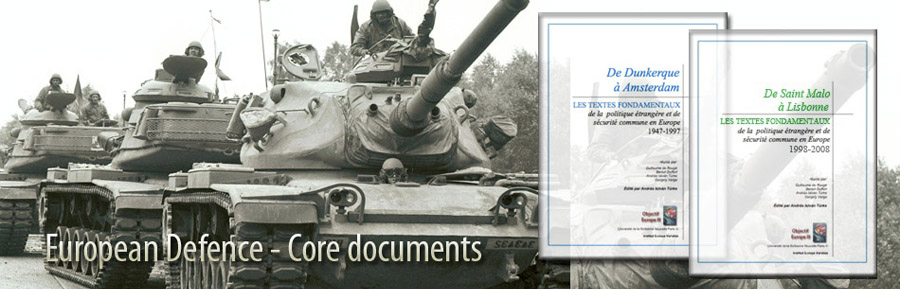
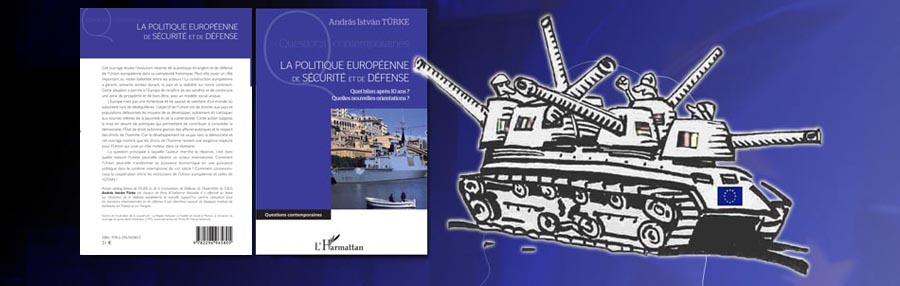
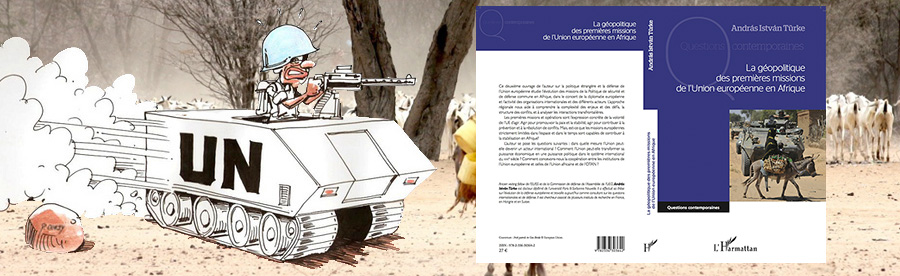
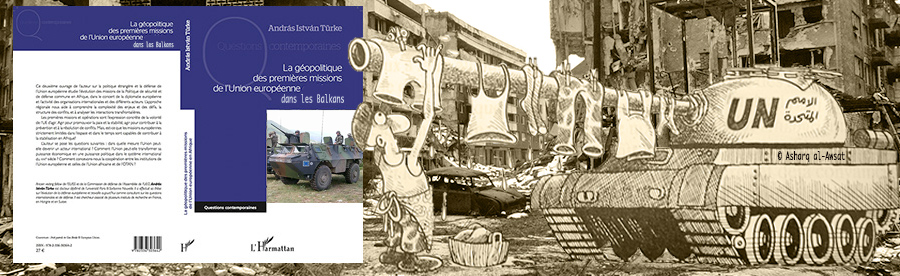
We are looking for sponsors for the English translation of these books, please contact turkeandras(at)gmail(dot)com