
You are here
Union européenne
Sport-Moderatorin Laura Wontorra ist schwanger
Nachwuchs bei Laura Wontorra und Riccardo Basile. Wie Wontorra auf Instagram verkündet, erwarten die beiden ihr erstes Kind.
Categories: Swiss News, Union européenne
Hemdani hausse le ton : des changements majeurs attendus chez les Verts
Au stade Hocine Aït-Ahmed de Tizi Ouzou, à peine le coup de sifflet final retenti face au Niger en amical (2-1), Brahim Hemdani s’est engouffré […]
L’article Hemdani hausse le ton : des changements majeurs attendus chez les Verts est apparu en premier sur .
Categories: Afrique, Union européenne
Quand le soleil signe les œuvres : Nicolas Grospierre clôt le Warsaw Gallery Weekend
Sous les plafonds peints d’une résidence royale polonaise, la lumière du jour a pris le statut d’artiste à part entière. Dimanche 20 septembre, au Palais […]
L’article Quand le soleil signe les œuvres : Nicolas Grospierre clôt le Warsaw Gallery Weekend est apparu en premier sur .
Categories: Afrique, Union européenne
Après avoir dépassé les 600 DA/kg, le prix du poulet revient à la raison
Les cours des viandes blanches laissent entrevoir les premières lueurs d’un recul, s’allégeant de près de 70 dinars le kilo en l’espace d’une semaine. Un […]
L’article Après avoir dépassé les 600 DA/kg, le prix du poulet revient à la raison est apparu en premier sur .
Categories: Afrique, Union européenne
The European Union and Moldova reiterate their strong partnership and announce the disbursement of €157 million under Growth Plan funding at the 10th EU-Moldova Association Council
On 5 October 2026, the European Union and the Republic of Moldova held their 10th Association Council Meeting where EU and Moldova reiterated their strong partnership and announce the disbursement of €157 million under Growth Plan funding.
Categories: Európai Unió : hírek magyarul, Union européenne
Press briefing - Economic and Financial Affairs Council of 9 October 2026
Press briefing ahead of the Economic and Financial Affairs Council will take place on 6 October at 16.00. The briefing will be "off the record".
Categories: Európai Unió : hírek magyarul, Union européenne
Speech by President António Costa at the opening ceremony of the academic year of the College of Europe (Natolin campus)
President António Costa travelled to Warsaw (Poland) to attend the opening ceremony of the academic year 2026/2027 of the College of Europe (Natolin campus), where he delivered a speech.
Categories: Európai Unió : hírek magyarul, Union européenne
Press release - Press briefing on this week’s plenary session
The European Parliament spokesperson will hold a last-minute briefing on the 5 – 8 October plenary session today at 16.30.
Source : © European Union, 2026 - EP
Source : © European Union, 2026 - EP
Categories: Európai Unió : hírek magyarul, Union européenne
Co-Pilot soll Absturz auf Flughafen Ben Gurion geplant haben
Der Flydubai-Co-Pilot wollte das Flugzeug offenbar in Israel zum Absturz bringen. Die Ermittler gehen davon aus, dass der Islamist alleine handelte.
Categories: Swiss News, Union européenne
Welcher Wildteller schafft es an die Spitze?
Die Blick-Community hat abgestimmt: Die vier besten Wildteller der Schweiz stehen fest und treten im grossen Finale gegeneinander an. Wallis, Graubünden, Luzern oder Solothurn – welcher Wildteller holt sich den «Blick Check»-Sieg?
Categories: Swiss News, Union européenne
Près de 150 bouteilles de gaz retirées du marché
Près de 150 bouteilles de gaz domestique ont été retirées du marché dans quatre villes du nord du Bénin.
Le poids affiché sur certaines bouteilles de gaz domestique ne correspondait pas à leur poids réel. C'est le constat fait par l'Agence nationale de métrologie et du contrôle qualité (ANM) lors de contrôles inopinés menés pendant deux semaines à Natitingou, Djougou, Kandi et Malanville.
Les opérations ont ciblé plusieurs stations-services et près de 150 bouteilles ont été retirées du circuit de distribution.
Les responsables des points de vente où des irrégularités ont été constatées ont été convoqués par l'ANM. Ils devront s'expliquer sur les écarts relevés lors des contrôles.
M. M
Categories: Afrique, Union européenne
Plus de 50 000 enfants obtiennent leur acte de naissance
Lancée le 16 septembre 2026 à l'occasion de la Journée internationale de l'identité, la campagne de délivrance gratuite des actes de naissance aux enfants de moins de 14 ans s'est achevée le 30 septembre.
Ils sont désormais 50 109 enfants de moins de 14 ans à disposer gratuitement de leur acte de naissance.
Ce résultat est l'un des principaux acquis de la campagne organisée par l'Agence nationale d'identification des personnes (ANIP) dans le cadre de l'édition 2026 de la Journée de l'Identité.
L'opération menée du 16 au 30 septembre 2026, a pour objectif de permettre aux enfants n'ayant jamais obtenu leur acte de naissance d'accéder à ce document sans frais.
L'acte de naissance constitue la preuve juridique de l'état civil d'une personne et constitue l'un des premiers éléments permettant à l'enfant d'être reconnu officiellement.
L'ANIP rappelle que l'enregistrement des naissances participe à l'accès aux droits et aux différents services tout le long de la vie.
L'édition 2026 de la Journée de l'Identité, placée sous le thème « Mon identité, mon ombre. Jamais séparés », ne s'est pas limitée à la délivrance des actes de naissance.
L'ANIP indique également avoir enregistré 814 enfants à Agonvè, dans la commune de Zagnanado, sur réquisition du procureur, dans le cadre d'une première opération de masse.
Le dispositif s'appuie notamment sur les possibilités ouvertes par le décret n°2025-679 pour l'enregistrement, sous certaines conditions, d'enfants de moins de 14 ans sur réquisition du procureur et sous témoignage.

La campagne a aussi permis la remise de 384 certificats FID à des personnes déjà enrôlées mais dépourvues de pièce d'identité, ainsi que 1 422 nouvelles cartes d'Egalité de Chance à des personnes en situation de handicap.
M. M.
Categories: Afrique, Union européenne
Double Chance : Découvrez les 10 numéros tirés
LES RÉSULTATS DOUBLE CHANCE SONT LÀ !
LOTO STAR Tirage N°118/26
Samedi 03 Octobre 2026 (14H)
– Zone A (5 premiers numéros) :
81 • 11 • 56 • 13 • 02
– Zone B (5 derniers numéros) :
89 • 07 • 26 • 42 • 83
Félicitations aux heureux gagnants.
Pas encore cette fois ? Gardez le sourire !
Rendez-vous à 18H pour le prochain tirage.
Jouez avec modération et responsabilité. Le jeu doit rester un plaisir.
A TOI DE JOUER #Akaxòa
#LNBSA #XòGbɔnAlɔkpaVo #JeuResponsable #LaChanceAvecModération
Categories: Afrique, Union européenne
Algérie Poste : ce que risquent les auteurs de dégradations sur les distributeurs automatiques
Un message d’Algérie Poste vient rappeler une règle souvent méconnue : les distributeurs automatiques de billets ne sont pas de simples équipements en libre-service. Leur […]
L’article Algérie Poste : ce que risquent les auteurs de dégradations sur les distributeurs automatiques est apparu en premier sur .
Categories: Afrique, Union européenne
Council adopts new rules on return for those with no right to stay in the EU
The Council gave its final green light to new EU rules enabling more effective returns for those with no right to stay in the EU.
Categories: European Union, Union européenne
GenZ Movements and CSOs in Kenya and Madagascar: Friends or Foes?
Amid democratic backsliding, Generation Z (GenZ1) protests have emerged as major regime challengers. Yet, social movements do not mobilize in isolation. They draw from and collaborate with a larger ecosystem of civil society organizations (CSOs). This policy brief looks at the cases of Kenya and Madagascar, where GenZ movements and CSOs initially played complementary roles. Yet, in Madagascar, the movement parted ways with CSOs quickly after the protests ended. In Kenya, collaboration prevailed, even though frictions appeared in GenZ groups. The brief concludes that social movements draw their legitimacy from acting autonomously from CSOs, the state and donors. Donor support should focus on pro-democratic CSOs who work complementarily and can translate demands into concrete reform proposals.
Categories: Diplomacy & Defense Think Tank News, Union européenne
SOEP-Core-Daten 1984–2025 (v42) ab jetzt erhältlich
Alle registrierten Datennutzer*innen können die neueste Datenedition v42 (DOI: 10.5684/soep.core.v42eu) ab sofort über unser Online-Bestellformular bestellen.
Auf Deutsch: http://www.diw.de/SOEPbestellungAuf Englisch: http://www.diw.de/SOEPorder
Die wichtigsten Neuigkeiten für die v42:
...
Categories: Diplomacy & Defense Think Tank News, Union européenne
Newsletter - 5-8 October 2026 - Strasbourg plenary session
Categories: European Union, Union européenne
Ski-Star Von Allmen poltert gegen jährliche WM
Die FIS plant ab 2032 jährliche Ski-Weltmeisterschaften. Davon sind die Schweizer Ski-Stars überhaupt nicht angetan. Franjo von Allmen findet die Idee einen «Scheiss» – und Marco Odermatt bringt einen Lösungsvorschlag.
Categories: Swiss News, Union européenne
Thomas Müller zeigt seiner neuen Liebe das Oktoberfest
Auch als Profi in der MLS lässt sich Thomas Müller das Oktoberfest nicht entgehen. Mit dabei: seine neue Freundin Eve Rose Bitbol.
Categories: Swiss News, Union européenne
Pages
the old site is here


© 2012-2015 Europa Varietas Foundation © 2015-2020 Europa Varietas Association
www.europavarietas.org | info(@)europavarietas(dot)org | Switzerland
This is a GDPR ready site
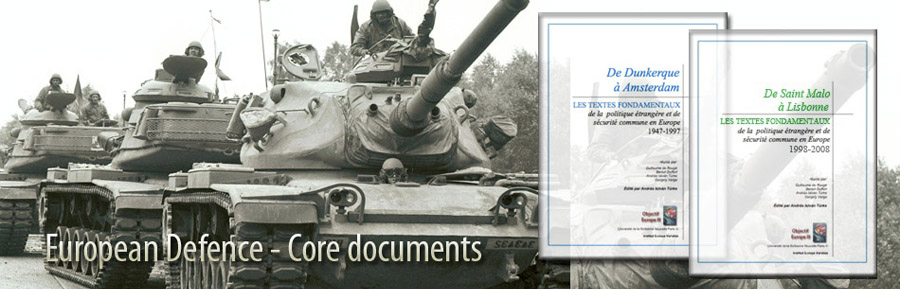
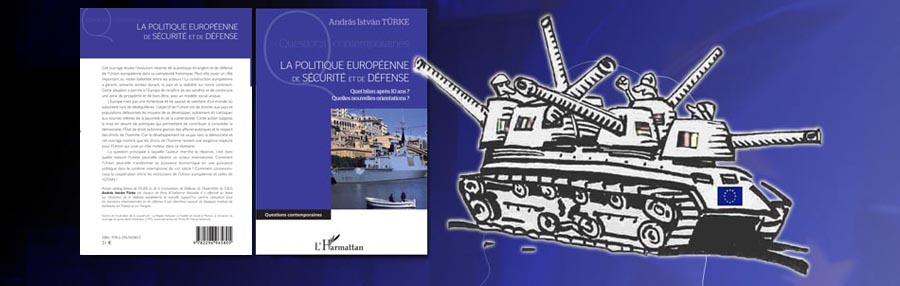
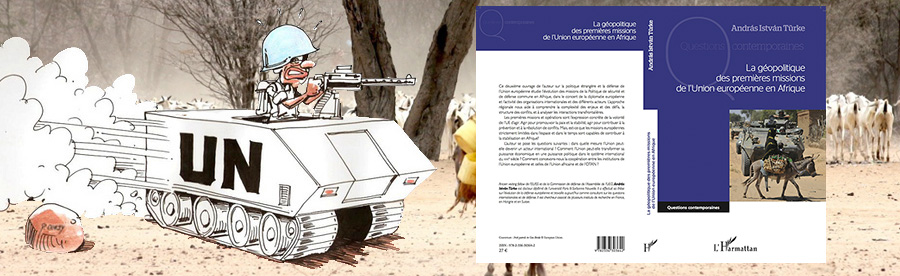
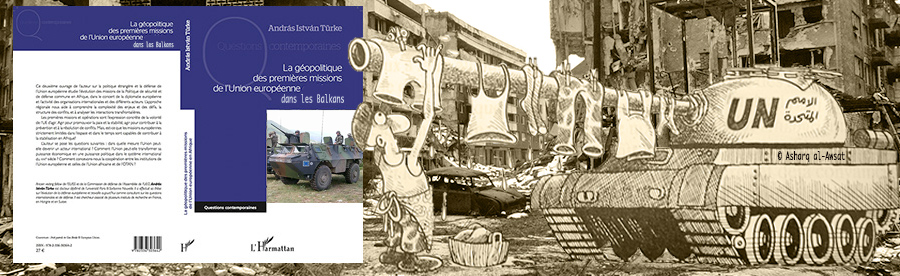
We are looking for sponsors for the English translation of these books, please contact turkeandras(at)gmail(dot)com