
You are here
Swiss News
«Sollte das Privileg haben»: Ösi-Ski-Legende setzt sich für Hirscher-Wildcard ein
Mit einer Wildcard ist Marcel Hirscher in den Weltcup zurückgekehrt. Diese hat ihm die FIS wieder entzogen. Nun bekommt er Unterstützung einer Landsfrau, die sich für eine Hirscher-Wildcard ausspricht.
Categories: Afrique, Swiss News
Vous voulez améliorer votre capacité à prendre des décisions ? Observez les fourmis
Des cafards arrogants aux mouches conscientes d'elles-mêmes, nous pouvons apprendre beaucoup de ces petites bêtes rampantes sur la façon de prendre de meilleures décisions.
Categories: Afrique, Swiss News
25 Jahre nach 9/11: Vom Generalverdacht bis in die City Hall
Vor 25 Jahren töteten islamistische Terroristen in New York und Washington knapp 3000 Menschen. Danach wurden Muslime für viele zum Feindbild. Heute regiert mit Zohran Mamdani ein Muslim die grösste Stadt der USA.
Categories: Afrique, Swiss News
Peine de mort en Algérie : ces partis politiques s’opposent au retour de son application
Le parti Jil Jadid vient de faire connaître son opposition à la réintroduction effective de la peine de mort contre les auteurs de feux volontaires, […]
L’article Peine de mort en Algérie : ces partis politiques s’opposent au retour de son application est apparu en premier sur .
Categories: Afrique, Swiss News
Air Algérie : la reprise des vols directs vers Moscou se précise
Les vols directs d’Air Algérie vers Moscou, interrompus au printemps 2026, sont en voie de réouverture. Les concertations entre l’Algérie et la Russie avancent bien […]
L’article Air Algérie : la reprise des vols directs vers Moscou se précise est apparu en premier sur .
Categories: Afrique, Swiss News
So schüttelt Gabriel Brenna Raiffeisen durch: Mister Knallhart
Trotz Spitzengewinn schwingt Gabriel Brenna bei Raiffeisen die Jobaxt. Nicht nur damit irritiert der frühere McKinsey-Berater. Auch der Ausbau seines Chefbüros und ein privates Immobilienengagement werfen Fragen auf.
Categories: Afrique, Swiss News
Servette-Noten gegen FCSG: Abwehr-Duo fällt komplett ab
Wer hat wie abgeschnitten? Hier findest du die Noten zum 0:2 von Servette gegen St. Gallen.
Categories: Afrique, Swiss News
FCSG-Noten gegen Servette: Vier Espen stechen heraus – einer fällt durch
Wer hat wie abgeschnitten? Hier findest du die Noten zu St. Gallens 2:0 gegen Servette.
Categories: Afrique, Swiss News
Skrupellose Festivalbesucher in Reading: 100'000 Fans hinterlassen riesige Müll-Halde
Nach Leeds jetzt auch in Reading: Chaos total nach dem Musik-Festival! Über 100’000 Fans lassen das Gelände auf der Little John’s Farm in Berkshire im Müll versinken, wie aktuelle Drohnenaufnahmen enthüllen.
Categories: Afrique, Swiss News
«Es ist wunderschön hier»: So war der Blitzbesuch von Take That in Luzern
Take That rockten Luzern! Die Boyband-Legenden sorgten beim Energy Air mit ihrem neuen Song «Feel My Love» und Hits wie «Back for Good» vor 40'000 Fans für Gänsehaut.
Categories: Afrique, Swiss News
Usurpation de qualité et escroquerie : lourde peine pour le faux « fils du Premier ministre »
Six ans de prison ferme assortis de 300 000 dinars d’amende : telle est la sanction infligée ce dimanche matin par le tribunal de Chéraga […]
L’article Usurpation de qualité et escroquerie : lourde peine pour le faux « fils du Premier ministre » est apparu en premier sur .
Categories: Afrique, Swiss News
Tiefstmieten an Goldküste: UBS-Tochter schreibt leergekündigte Wohnungen zur Zwischenmiete aus
Über 50 Mietparteien in Küsnacht ZH erhielten eine Kündigung per Ende August 2026. Der Grund: eine Totalsanierung. Nun werden die Wohnungen extrem günstig wieder ausgeschrieben. Was steckt dahinter?
Categories: Afrique, Swiss News
Crash im Engibergtunnel: Polizeiauto in Unfall verwickelt – Schweizer (71) muss ins Spital
Bei einem Unfall im Engibergtunnel am Sonntag war ein Polizeiauto beteiligt. Ein Schweizer landete im Spital.
Categories: Afrique, Swiss News
Kadetten bezwingen Bern: St. Otmar gibt gegen Pfadi Winterthur Führung nie ab
St. Otmar St. Gallen schlägt Pfadi Winterthur in der QHL und behält dabei in der Partie stets die Oberhand. Meister Kadetten Schaffhausen ist zu Hause gegen Bern erfolgreich
Categories: Afrique, Swiss News
Das Leben als Schweizer Tiktok-Star: «Man muss sich das wie eine Sucht vorstellen»
16 Millionen Follower: Oluyomi Scherrer ist der erfolgreichste Tiktoker im Land. Erkannt wird er fast überall. Ausser an der Aare, wo er stundenlang steht, ohne dass ihn jemand anspricht.
Categories: Afrique, Swiss News
Vitesse de l’Internet mobile : Après Alger, une 2ᵉ wilaya algérienne se hisse dans le Top 50 mondial
Selon le dernier classement mondial d’Ookla (Speedtest), Oran intègre pour la première fois le Top 50 mondial des métropoles les plus performantes en matière de […]
L’article Vitesse de l’Internet mobile : Après Alger, une 2ᵉ wilaya algérienne se hisse dans le Top 50 mondial est apparu en premier sur .
Categories: Afrique, Swiss News
Aus gesundheitlichen Gründen: Schiedsrichterin Blanco leitet ihr letztes Spiel
Schiedsrichterin Désirée Blanco pfeift am Sonntag im St. Jakob-Park ihr letztes Spiel. Die Bernerin tritt aus gesundheitlichen Gründen per sofort zurück, nachdem bei einer kardiologischen Untersuchung im August Auffälligkeiten festgestellt wurden.
Categories: Afrique, Swiss News
Übrigens – die SonntagsBlick-Kolumne: Haben wir im Tennis je wieder eine Nummer 1?
Recherche war gestern. Heute fragen wir die KI. Die Kolumne von Felix Bingesser.
Categories: Afrique, Swiss News
Patrice Talon attendu à Abidjan pour une église céleste réunifiée
L'ancien président béninois, Patrice Talon, facilitateur du processus de réunification de l'Eglise du Christianisme Céleste (ECC) est attendu à Abidjan, à partir du jeudi 24 septembre 2026, selon une note d'information du diocèse de Côte d'Ivoire.
Après la France, où il a rencontré le 29 août dernier des responsables et fidèles de l'Église du Christianisme Céleste (ECC), Patrice Talon met le cap sur la Côte d'Ivoire.
Accompagné du Conseil supérieur de mise en œuvre (CSMO), Patrice Talon doit rencontrer, le samedi 26 septembre, les chrétiens célestes du diocèse ivoirien.
La rencontre est placée sous le signe de « l' unité, de la paix, de la fraternité et de la communion dans le Seigneur », selon le diocèse de Côte d'Ivoire.
Cette étape ivoirienne intervient alors que le processus de réunification de l'ECC a franchi plusieurs jalons.
Initiée en février 2025 par Patrice Talon, la démarche a conduit à la mise en place d'un Conseil supérieur de transition (CST), chargé notamment de créer les conditions d'un retour à l'unité et de préparer les bases d'une gouvernance mondiale consensuelle.
En juin 2026, le Conseil supérieur de mise en œuvre (CSMO) a officiellement pris le relais pour traduire les recommandations issues de la transition en actions concrètes. Trente-quatre membres ont été installés pour poursuivre la dynamique de réunification de l'église.
Au Bénin, les consultations se sont également poursuivies avec les différentes composantes de l'Eglise. En juillet, un consensus a notamment été rapporté autour de la perspective d'un diocèse unique, du pèlerinage de la Nativité et de la gouvernance durant la période transitoire.
Après la rencontre de Saint-Ouen, en région parisienne, le facilitateur avait réaffirmé sa conviction : « Je crois à la réunification de l'Église du Christianisme Céleste ».
La Côte d'Ivoire constitue ainsi une nouvelle étape de cette « Grande Marche vers l'Unité ».
Dans sa note, le diocèse ivoirien appelle ses responsables à une forte mobilisation des fidèles et à faire de la rencontre du 26 septembre « un véritable rendez-vous de l'unité » de l'ECC, en Côte d'Ivoire comme dans le monde.
M. M.

Categories: Afrique, Swiss News
Double Chance : les 10 numéros gagnants de 14H
LES RÉSULTATS DOUBLE CHANCE SONT LÀ !
LOTO STAR Tirage N°107/26
Dimanche 06 septembre 2026 (14H)
– Zone A (5 premiers numéros) :
70 • 54 • 28 • 89 • 76
– Zone B (5 derniers numéros) :
24 • 31 • 85 • 23 • 30
Félicitations aux heureux gagnants.
Pas encore cette fois ? Gardez le sourire !
Rendez-vous à 18H pour le prochain tirage.
Jouez avec modération et responsabilité. Le jeu doit rester un plaisir.
Categories: Afrique, Swiss News
Pages
the old site is here


© 2012-2015 Europa Varietas Foundation © 2015-2020 Europa Varietas Association
www.europavarietas.org | info(@)europavarietas(dot)org | Switzerland
This is a GDPR ready site


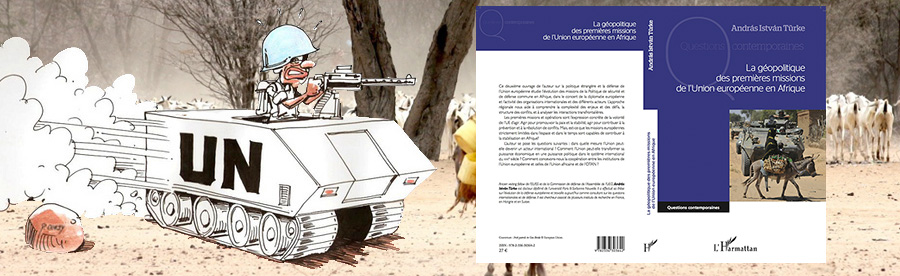
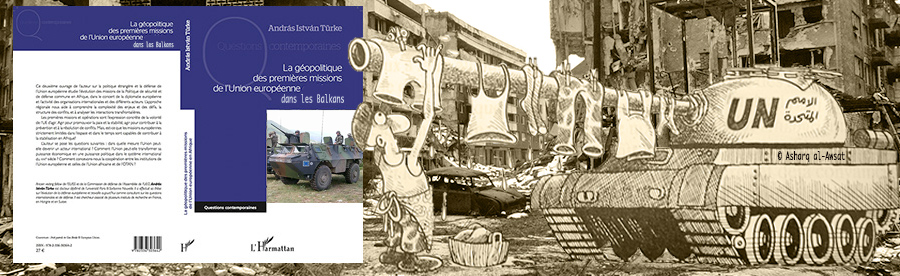
We are looking for sponsors for the English translation of these books, please contact turkeandras(at)gmail(dot)com