
You are here
Diplomacy & Defense Think Tank News
The OECD Development Assistance Committee in the New World Order: five challenges for the future of global development policy
The year 1961 can be seen as the “Big Bang” of international development policy. First, in that year, the Development Assistance Committee (DAC) of the OECD was established. In the context of the Cold War, the United States pushed for an international system to support developing countries. In 1961, US President John F. Kennedy consolidated existing efforts to assist developing nations into USAID. Last but not least, in the same year, Germany’s Federal Ministry for Economic Cooperation and Development (BMZ) was established in what was then West Germany as a dedicated ministry to support developing regions (Bracho, Carey, Hynes, Klingebiel, & Trzeciak-Duval, 2021). The DAC has long been both a symbol of, and a “norm entrepreneur” in, development cooperation (Esteves & Klingebiel, 2021; Janus, 2022; Sumner & Klingebiel, 2025). It is often seen as synonymous with the form of development cooperation practised by “traditional donors”, that is, a club of high-income countries. Linked to this has been the criticism that the governance of ODA reflects persistent global power inequalities. At the same time, the DAC has served as the central forum in which key norms and quality standards of development cooperation have been negotiated over more than 60 years. It was within the DAC that the concept of “official development assistance” (ODA) was developed. ODA refers to public resources provided on concessional terms to promote economic and social development in developing countries. DAC members are also regularly assessed through peer review processes that assess their adherence to agreed standards (Ashoff, 2013). Like the role of the Programme for International Student Assessment (PISA) in education policy, these reviews in theory serve both disciplinary and supportive functions. In practice, no DAC member country has wished to be publicly criticised for failing to comply with jointly adopted DAC standards and relevant international agreements. Last but not least, the DAC members also issue statements of good practice and position papers on the international development agenda. These documents have been influential and have, for instance, influenced the 2000 UN Millennium Declaration and the eight Millennium Development Goals adopted – which in turn evolved into the current 2030 Agenda and its Sustainable Development Goals (SDGs). DAC membership has expanded considerably since its creation, growing to 33 members today. Several nations once classified as developing countries, such as Spain, South Korea and a number of states that joined the EU in and after 2004, later sought and obtained DAC membership. At the same time, a growing number of OECD members, including Turkey, Mexico and Chile, have decided not to join the DAC. This reflects differing approaches to development cooperation and varying degrees of commitment to ODA-based norms. Countries that do not see themselves as part of a collective commitment around the ODA target of 0.7 per cent – such as Mexico, which historically identified with the Global South and was a founding member of the G77 before joining the OECD in 1994 – have so far remained outside the committee. Despite these variations, the United States played a decisive role in establishing the DAC as a rule-setting and coordinating body. US influence extended beyond institutional design. For decades, the United States also dominated personnel decisions and held the DAC chair until a rotating system was introduced (Bracho et al., 2021).
Categories: Afrique, Diplomacy & Defense Think Tank News
The OECD Development Assistance Committee in the New World Order: five challenges for the future of global development policy
The year 1961 can be seen as the “Big Bang” of international development policy. First, in that year, the Development Assistance Committee (DAC) of the OECD was established. In the context of the Cold War, the United States pushed for an international system to support developing countries. In 1961, US President John F. Kennedy consolidated existing efforts to assist developing nations into USAID. Last but not least, in the same year, Germany’s Federal Ministry for Economic Cooperation and Development (BMZ) was established in what was then West Germany as a dedicated ministry to support developing regions (Bracho, Carey, Hynes, Klingebiel, & Trzeciak-Duval, 2021). The DAC has long been both a symbol of, and a “norm entrepreneur” in, development cooperation (Esteves & Klingebiel, 2021; Janus, 2022; Sumner & Klingebiel, 2025). It is often seen as synonymous with the form of development cooperation practised by “traditional donors”, that is, a club of high-income countries. Linked to this has been the criticism that the governance of ODA reflects persistent global power inequalities. At the same time, the DAC has served as the central forum in which key norms and quality standards of development cooperation have been negotiated over more than 60 years. It was within the DAC that the concept of “official development assistance” (ODA) was developed. ODA refers to public resources provided on concessional terms to promote economic and social development in developing countries. DAC members are also regularly assessed through peer review processes that assess their adherence to agreed standards (Ashoff, 2013). Like the role of the Programme for International Student Assessment (PISA) in education policy, these reviews in theory serve both disciplinary and supportive functions. In practice, no DAC member country has wished to be publicly criticised for failing to comply with jointly adopted DAC standards and relevant international agreements. Last but not least, the DAC members also issue statements of good practice and position papers on the international development agenda. These documents have been influential and have, for instance, influenced the 2000 UN Millennium Declaration and the eight Millennium Development Goals adopted – which in turn evolved into the current 2030 Agenda and its Sustainable Development Goals (SDGs). DAC membership has expanded considerably since its creation, growing to 33 members today. Several nations once classified as developing countries, such as Spain, South Korea and a number of states that joined the EU in and after 2004, later sought and obtained DAC membership. At the same time, a growing number of OECD members, including Turkey, Mexico and Chile, have decided not to join the DAC. This reflects differing approaches to development cooperation and varying degrees of commitment to ODA-based norms. Countries that do not see themselves as part of a collective commitment around the ODA target of 0.7 per cent – such as Mexico, which historically identified with the Global South and was a founding member of the G77 before joining the OECD in 1994 – have so far remained outside the committee. Despite these variations, the United States played a decisive role in establishing the DAC as a rule-setting and coordinating body. US influence extended beyond institutional design. For decades, the United States also dominated personnel decisions and held the DAC chair until a rotating system was introduced (Bracho et al., 2021).
Categories: Diplomacy & Defense Think Tank News, Swiss News
Navigating trade and development cooperation in a fragmenting global order
The rules-based trading system has been a central pillar of the post–Cold War international order. Predictable economic relations and lower trade barriers supported an unprecedented expansion of global trade and economic integration. Institutions such as the WTO helped establish a framework of shared principles designed to prevent protectionism and resolve disputes peacefully. This system contributed significantly to economic growth and poverty reduction, particularly in emerging and developing economies (e.g. Baldwin, 2016). However, the system has also faced mounting difficulties over time, with its gradual erosion becoming increasingly evident in the collapse of the Doha Development Round after 2008 and the paralysis of the WTO Appellate Body from 2019 onwards. More recently, unilateral trade measures, successive waves of US tariffs, rising geopolitical competition and the resurgence of industrial policy have not only undermined the multilateral trading system but also generated substantial disruptions and uncertainties in both trade and investment relations. Developing countries are among the most affected by these developments, not least because contemporary global trade involves more than just the exchange of final goods. Around 80 per cent of world trade now takes place within global value chains (GVCs) linked to transnational corporations, with production stages fragmented across multiple countries (UNCTAD, 2013). In these chains, developing countries typically occupy upstream positions and specialise in supplying raw materials or labour-intensive inputs, whereas more technologically complex and higher value-added activities are concentrated elsewhere. Especially economies in Latin America and the Caribbean as well as in Africa remain locked into low-complexity, low-margin tasks, whereas foreign-controlled firms dominate higher-value segments (ADB et al., 2025). This structural position renders developing countries particularly vulnerable to substitution and constrains economic diversification and development (e.g. Barrot, Calderón, & Servén, 2018). Against this background, trade-related development cooperation plays a crucial role. At the multilateral level, it does so by helping to sustain a fair and inclusive rules-based trading system. At the regional and country levels, it does so by strengthening institutions and investing in infrastructure as well as productive and trade capacities. These efforts also enhance developing countries’ attractiveness as investment destinations and trading partners within GVCs, helping them integrate more effectively into global markets and supporting a more resilient development pathway in an increasingly fragmented global order. This contribution begins by examining the implications of a fragmenting global order for trade. It then highlights why development cooperation in the field of trade remains vital before concluding with an exploration of how development cooperation can help build a more equitable and sustainable international trading system.
Categories: Afrique, Diplomacy & Defense Think Tank News
Navigating trade and development cooperation in a fragmenting global order
The rules-based trading system has been a central pillar of the post–Cold War international order. Predictable economic relations and lower trade barriers supported an unprecedented expansion of global trade and economic integration. Institutions such as the WTO helped establish a framework of shared principles designed to prevent protectionism and resolve disputes peacefully. This system contributed significantly to economic growth and poverty reduction, particularly in emerging and developing economies (e.g. Baldwin, 2016). However, the system has also faced mounting difficulties over time, with its gradual erosion becoming increasingly evident in the collapse of the Doha Development Round after 2008 and the paralysis of the WTO Appellate Body from 2019 onwards. More recently, unilateral trade measures, successive waves of US tariffs, rising geopolitical competition and the resurgence of industrial policy have not only undermined the multilateral trading system but also generated substantial disruptions and uncertainties in both trade and investment relations. Developing countries are among the most affected by these developments, not least because contemporary global trade involves more than just the exchange of final goods. Around 80 per cent of world trade now takes place within global value chains (GVCs) linked to transnational corporations, with production stages fragmented across multiple countries (UNCTAD, 2013). In these chains, developing countries typically occupy upstream positions and specialise in supplying raw materials or labour-intensive inputs, whereas more technologically complex and higher value-added activities are concentrated elsewhere. Especially economies in Latin America and the Caribbean as well as in Africa remain locked into low-complexity, low-margin tasks, whereas foreign-controlled firms dominate higher-value segments (ADB et al., 2025). This structural position renders developing countries particularly vulnerable to substitution and constrains economic diversification and development (e.g. Barrot, Calderón, & Servén, 2018). Against this background, trade-related development cooperation plays a crucial role. At the multilateral level, it does so by helping to sustain a fair and inclusive rules-based trading system. At the regional and country levels, it does so by strengthening institutions and investing in infrastructure as well as productive and trade capacities. These efforts also enhance developing countries’ attractiveness as investment destinations and trading partners within GVCs, helping them integrate more effectively into global markets and supporting a more resilient development pathway in an increasingly fragmented global order. This contribution begins by examining the implications of a fragmenting global order for trade. It then highlights why development cooperation in the field of trade remains vital before concluding with an exploration of how development cooperation can help build a more equitable and sustainable international trading system.
Categories: Balkans Occidentaux, Diplomacy & Defense Think Tank News
Navigating trade and development cooperation in a fragmenting global order
The rules-based trading system has been a central pillar of the post–Cold War international order. Predictable economic relations and lower trade barriers supported an unprecedented expansion of global trade and economic integration. Institutions such as the WTO helped establish a framework of shared principles designed to prevent protectionism and resolve disputes peacefully. This system contributed significantly to economic growth and poverty reduction, particularly in emerging and developing economies (e.g. Baldwin, 2016). However, the system has also faced mounting difficulties over time, with its gradual erosion becoming increasingly evident in the collapse of the Doha Development Round after 2008 and the paralysis of the WTO Appellate Body from 2019 onwards. More recently, unilateral trade measures, successive waves of US tariffs, rising geopolitical competition and the resurgence of industrial policy have not only undermined the multilateral trading system but also generated substantial disruptions and uncertainties in both trade and investment relations. Developing countries are among the most affected by these developments, not least because contemporary global trade involves more than just the exchange of final goods. Around 80 per cent of world trade now takes place within global value chains (GVCs) linked to transnational corporations, with production stages fragmented across multiple countries (UNCTAD, 2013). In these chains, developing countries typically occupy upstream positions and specialise in supplying raw materials or labour-intensive inputs, whereas more technologically complex and higher value-added activities are concentrated elsewhere. Especially economies in Latin America and the Caribbean as well as in Africa remain locked into low-complexity, low-margin tasks, whereas foreign-controlled firms dominate higher-value segments (ADB et al., 2025). This structural position renders developing countries particularly vulnerable to substitution and constrains economic diversification and development (e.g. Barrot, Calderón, & Servén, 2018). Against this background, trade-related development cooperation plays a crucial role. At the multilateral level, it does so by helping to sustain a fair and inclusive rules-based trading system. At the regional and country levels, it does so by strengthening institutions and investing in infrastructure as well as productive and trade capacities. These efforts also enhance developing countries’ attractiveness as investment destinations and trading partners within GVCs, helping them integrate more effectively into global markets and supporting a more resilient development pathway in an increasingly fragmented global order. This contribution begins by examining the implications of a fragmenting global order for trade. It then highlights why development cooperation in the field of trade remains vital before concluding with an exploration of how development cooperation can help build a more equitable and sustainable international trading system.
Categories: Diplomacy & Defense Think Tank News, Swiss News
Emerging cooperation strategies in development finance amid a shifting global order
In the context of the changing global order and rising nationalism, several countries, including the United States and some European countries, have cut their official development assistance (ODA). The OECD forecasts a decline of ODA by around 23 per cent between 2024 and 2025 (OECD, 2026). At the same time there is a significant financing gap for achieving the Sustainable Development Goals (SDGs), currently estimated at about $4 trillion. Furthermore, the annual financing required to achieve the SDGs by 2030 increased by 36 per cent between 2015 and 2022, rising from $6.81 trillion to $9.24 trillion. This increase was driven by climate-related challenges, the impact of the pandemic, supply chain disruptions, and rising food and energy prices. These two trends have led to a significant SDG financing gap, which is projected to reach $6.4 trillion by 2030, assuming that it continues to grow at the rate observed between 2015 and 2022. Furthermore, mounting debt obligations are exerting pressure on pivotal investments in health, education and climate resilience (OECD, 2025). According to the debt sustainability analysis of the International Monetary Fund (IMF) and World Bank, about half of low-income countries are either at high risk of debt distress or already in debt distress.
Categories: Afrique, Diplomacy & Defense Think Tank News
Emerging cooperation strategies in development finance amid a shifting global order
In the context of the changing global order and rising nationalism, several countries, including the United States and some European countries, have cut their official development assistance (ODA). The OECD forecasts a decline of ODA by around 23 per cent between 2024 and 2025 (OECD, 2026). At the same time there is a significant financing gap for achieving the Sustainable Development Goals (SDGs), currently estimated at about $4 trillion. Furthermore, the annual financing required to achieve the SDGs by 2030 increased by 36 per cent between 2015 and 2022, rising from $6.81 trillion to $9.24 trillion. This increase was driven by climate-related challenges, the impact of the pandemic, supply chain disruptions, and rising food and energy prices. These two trends have led to a significant SDG financing gap, which is projected to reach $6.4 trillion by 2030, assuming that it continues to grow at the rate observed between 2015 and 2022. Furthermore, mounting debt obligations are exerting pressure on pivotal investments in health, education and climate resilience (OECD, 2025). According to the debt sustainability analysis of the International Monetary Fund (IMF) and World Bank, about half of low-income countries are either at high risk of debt distress or already in debt distress.
Categories: Balkans Occidentaux, Diplomacy & Defense Think Tank News
Emerging cooperation strategies in development finance amid a shifting global order
In the context of the changing global order and rising nationalism, several countries, including the United States and some European countries, have cut their official development assistance (ODA). The OECD forecasts a decline of ODA by around 23 per cent between 2024 and 2025 (OECD, 2026). At the same time there is a significant financing gap for achieving the Sustainable Development Goals (SDGs), currently estimated at about $4 trillion. Furthermore, the annual financing required to achieve the SDGs by 2030 increased by 36 per cent between 2015 and 2022, rising from $6.81 trillion to $9.24 trillion. This increase was driven by climate-related challenges, the impact of the pandemic, supply chain disruptions, and rising food and energy prices. These two trends have led to a significant SDG financing gap, which is projected to reach $6.4 trillion by 2030, assuming that it continues to grow at the rate observed between 2015 and 2022. Furthermore, mounting debt obligations are exerting pressure on pivotal investments in health, education and climate resilience (OECD, 2025). According to the debt sustainability analysis of the International Monetary Fund (IMF) and World Bank, about half of low-income countries are either at high risk of debt distress or already in debt distress.
Categories: Diplomacy & Defense Think Tank News, Swiss News
Deutschlands goldenes Sparschwein
30 Milliarden Euro fehlen der Bundesregierung, um die akute Krise zu meistern. Zugleich sitzt das Land auf riesigen Goldreserven. Warum nicht einige davon nutzen? , Die Bundesregierung steckt mal wieder in einem finanziellen Dilemma: Auf der einen Seite klafft eine Haushaltslücke, die noch deutlich größer ausfallen dürfte als die 20 oder 30 Milliarden Euro, über die bisher diskutiert wird. Es könnte aber noch mehr Geld im Bundeshaushalt fehlen. Auf der anderen ...
Categories: Balkans Occidentaux, Diplomacy & Defense Think Tank News
Das UN-Weltstädteforum: Eine globale Bühne für autoritären Urbanismus?
Bonn, 11. Mai 2026. Die zunehmende Prominenz autoritärer Planungsansätze auf dem Weltstädteforum erhöht die Gefahr, dass UN-Habitats wichtigste Konferenz Autokraten eine globale Bühne bietet.
Vom 17. bis 22. Mai findet in Baku, Aserbaidschan, das 13. UN-Weltstädteforum (WUF) statt. Zum zweiten Mal in Folge und zum dritten Mal seit 2020 richtet ein autoritärer Staat UN-Habitats wichtigste Konferenz zur Stadtentwicklung aus. Während Deutschland und andere demokratische Staaten ihre Präsenz auf dem Forum zurückfahren, wächst die Sichtbarkeit autoritärer Staaten. Setzt sich dieser Trend fort, droht die Konferenz zu einer globalen Bühne für autoritären Urbanismus zu werden.
Das letzte WUF im Jahr 2024 war dafür ein Paradebeispiel. Gastgeberland Ägypten nutzte die globale mediale und politische Aufmerksamkeit in Kairo, um sein umstrittenes Projekt einer neuen Hauptstadt zu präsentieren: die mehrere Milliarden US-Dollar teure Planstadt wurde heftig dafür kritisiert vor allem einer kleinen wohlhabenden Minderheit zu dienen, weitgehend unbewohnt zu sein und Investitionen aus Ägyptens bestehenden Städten abzuziehen. Das Magazin „The Economist“ bezeichnete das Projekt pointiert als „Egypt‘s new pyramid scheme“ (übersetzt „Ägyptens neues Schneeballsystem“ – womit auf eine Betrugsmasche angespielt wird).
An städtischen Herausforderungen, die neue Entwicklungsansätze erfordern, mangelt es nicht. In Afrika schreitet die Urbanisierung rasant voran; die städtische Bevölkerung wird sich Prognosen zufolge von 700 Millionen im Jahr 2020 auf 1,4 Milliarden im Jahr 2050 verdoppeln. Weltweit leben noch immer rund eine Milliarde Menschen in informellen Siedlungen, oft ohne ausreichenden Zugang zu sauberem Wasser und sanitären Einrichtungen. Gleichzeitig verursachen Städte über 70 % der globalen Treibhausgasemissionen und spielen damit eine zentrale Rolle im Klimaschutz.
Doch der von vielen Autokratien bevorzugte Planungsansatz – der in ihren WUF-Pavillons deutlich sichtbar wird – scheitert häufig bei der Bewältigung dieser Herausforderungen, vor allem, weil er nicht darauf ausgelegt ist, der Mehrheit der Bevölkerung zugutezukommen. Vielmehr dient dieser Ansatz, den der Politikwissenschaftler James Scott als „autoritären Hochmodernismus“ bezeichnet hat, in der Regel vor allem den Interessen und Fantasien des Regimes, etwa der Festigung politischer Macht und der Ausübung sozialer Kontrolle. Als Ideologie setzt dieser Ansatz auf von oben gesteuerte Masterpläne, die notfalls auch mit Gewalt durchgesetzt werden und von den Lebensrealitäten der Menschen losgelöst sind.
Abgesehen davon, dass dieser Planungsansatz autoritäre Regime stärkt, zeigt sich historisch, dass er städtische Probleme häufig eher verschärft als löst. Der Ansatz geht in der Regel mit einer enormen Verschwendung öffentlicher und privater Ressourcen einher und verursacht meist erhebliche soziale und ökologische Schäden. Prominente Beispiele für gescheiterten autoritären Hochmodernismus sind Planstädte wie etwa Malaysias „Forest City“, Saudi-Arabiens „The Line“ und Abu Dhabis gescheiterte Ökostadt „Masdar City“. Schätzungen zufolge stehen zwei Drittel dieser neuen Stadtprojekte nahezu leer oder sind vollständig unbewohnt und resultieren in sogenannten „Geisterstädten“. Projekte wie diese kommen in erster Linie politischen Eliten, Interessengruppen und Investor*innen zugute – nicht den Bedürfnissen der Stadtbevölkerung oder deren Menschenrechten.
Alternative Stadtentwicklungsmodelle, die auf Stadterneuerung statt Masterpläne, auf Bürger*innenbeteiligung statt Eliteprojekte und auf die Bedürfnisse der Bevölkerung statt auf Regimeinteressen setzen, wirken oft weniger spektakulär. Diese pluralistischen Planungsansätze funktionieren jedoch häufig nicht nur besser, sondern sind auch unerlässlich für den Abbau städtischer Ungleichheit, auch und gerade in informellen Siedlungen.
Daher ist es wichtig, auf Konferenzen wie dem WUF pluralistische Ansätze der Stadtentwicklung sichtbar zu machen. Tausende politische Entscheidungsträger*innen, Investor*innen, Journalist*innen und Vertreter*innen der Zivilgesellschaft kommen bei solchen Veranstaltungen zusammen, um Planungskonzepte der Stadtentwicklung zu beleuchten, zu diskutieren und zu entwerfen. Beim letzten WUF in Kairo bot der deutsche Pavillon eine wichtige Insel demokratischen Diskurses inmitten einer Flut überwiegend autoritärer urbaner Visionen. Er war als öffentliches Forum konzipiert, brachte unterschiedliche Perspektiven und Denkweisen zusammen und ermöglichte somit wichtige inklusive Diskussionen.
In diesem Jahr in Baku wird es jedoch keinen deutschen Pavillon geben. Auch andere Demokratien reduzieren aufgrund von Kürzungen ihrer Entwicklungsprogramme ihre Präsenz auf der Konferenz. Die Abwesenheit dieser Pavillons und Begegnungsräume bedeutet verpasste Gelegenheiten, WUF-Teilnehmenden aus aller Welt demokratischere, pluralistische und nachhaltigere Wege der Stadtentwicklung vorzustellen.
Die in den Pavillons präsentierten Stadtvisionen sind natürlich nur eine Dimension der Veranstaltung. Doch wenn Deutschland und andere Demokratien ihre Partner bei der Bewältigung drängender städtischer Herausforderungen wirksam und zugleich finanziell verantwortungsvoll unterstützen wollen, dürfen sie sich dem globalen Wettbewerb um die Gestaltung der Städte von morgen nicht entziehen. Deutschland sollte daher erwägen, beim nächsten WUF 2028 in Mexiko-Stadt wieder einen Pavillon zu organisieren und gemeinsam mit demokratischen Partnerländern Möglichkeiten auszuloten, dem autoritären Trend entgegenzuwirken. Dies könnte auch bedeuten, selbst in der Zukunft ein Weltstädteforum auszurichten.
Das UN-Weltstädteforum: Eine globale Bühne für autoritären Urbanismus?
Bonn, 11. Mai 2026. Die zunehmende Prominenz autoritärer Planungsansätze auf dem Weltstädteforum erhöht die Gefahr, dass UN-Habitats wichtigste Konferenz Autokraten eine globale Bühne bietet.
Vom 17. bis 22. Mai findet in Baku, Aserbaidschan, das 13. UN-Weltstädteforum (WUF) statt. Zum zweiten Mal in Folge und zum dritten Mal seit 2020 richtet ein autoritärer Staat UN-Habitats wichtigste Konferenz zur Stadtentwicklung aus. Während Deutschland und andere demokratische Staaten ihre Präsenz auf dem Forum zurückfahren, wächst die Sichtbarkeit autoritärer Staaten. Setzt sich dieser Trend fort, droht die Konferenz zu einer globalen Bühne für autoritären Urbanismus zu werden.
Das letzte WUF im Jahr 2024 war dafür ein Paradebeispiel. Gastgeberland Ägypten nutzte die globale mediale und politische Aufmerksamkeit in Kairo, um sein umstrittenes Projekt einer neuen Hauptstadt zu präsentieren: die mehrere Milliarden US-Dollar teure Planstadt wurde heftig dafür kritisiert vor allem einer kleinen wohlhabenden Minderheit zu dienen, weitgehend unbewohnt zu sein und Investitionen aus Ägyptens bestehenden Städten abzuziehen. Das Magazin „The Economist“ bezeichnete das Projekt pointiert als „Egypt‘s new pyramid scheme“ (übersetzt „Ägyptens neues Schneeballsystem“ – womit auf eine Betrugsmasche angespielt wird).
An städtischen Herausforderungen, die neue Entwicklungsansätze erfordern, mangelt es nicht. In Afrika schreitet die Urbanisierung rasant voran; die städtische Bevölkerung wird sich Prognosen zufolge von 700 Millionen im Jahr 2020 auf 1,4 Milliarden im Jahr 2050 verdoppeln. Weltweit leben noch immer rund eine Milliarde Menschen in informellen Siedlungen, oft ohne ausreichenden Zugang zu sauberem Wasser und sanitären Einrichtungen. Gleichzeitig verursachen Städte über 70 % der globalen Treibhausgasemissionen und spielen damit eine zentrale Rolle im Klimaschutz.
Doch der von vielen Autokratien bevorzugte Planungsansatz – der in ihren WUF-Pavillons deutlich sichtbar wird – scheitert häufig bei der Bewältigung dieser Herausforderungen, vor allem, weil er nicht darauf ausgelegt ist, der Mehrheit der Bevölkerung zugutezukommen. Vielmehr dient dieser Ansatz, den der Politikwissenschaftler James Scott als „autoritären Hochmodernismus“ bezeichnet hat, in der Regel vor allem den Interessen und Fantasien des Regimes, etwa der Festigung politischer Macht und der Ausübung sozialer Kontrolle. Als Ideologie setzt dieser Ansatz auf von oben gesteuerte Masterpläne, die notfalls auch mit Gewalt durchgesetzt werden und von den Lebensrealitäten der Menschen losgelöst sind.
Abgesehen davon, dass dieser Planungsansatz autoritäre Regime stärkt, zeigt sich historisch, dass er städtische Probleme häufig eher verschärft als löst. Der Ansatz geht in der Regel mit einer enormen Verschwendung öffentlicher und privater Ressourcen einher und verursacht meist erhebliche soziale und ökologische Schäden. Prominente Beispiele für gescheiterten autoritären Hochmodernismus sind Planstädte wie etwa Malaysias „Forest City“, Saudi-Arabiens „The Line“ und Abu Dhabis gescheiterte Ökostadt „Masdar City“. Schätzungen zufolge stehen zwei Drittel dieser neuen Stadtprojekte nahezu leer oder sind vollständig unbewohnt und resultieren in sogenannten „Geisterstädten“. Projekte wie diese kommen in erster Linie politischen Eliten, Interessengruppen und Investor*innen zugute – nicht den Bedürfnissen der Stadtbevölkerung oder deren Menschenrechten.
Alternative Stadtentwicklungsmodelle, die auf Stadterneuerung statt Masterpläne, auf Bürger*innenbeteiligung statt Eliteprojekte und auf die Bedürfnisse der Bevölkerung statt auf Regimeinteressen setzen, wirken oft weniger spektakulär. Diese pluralistischen Planungsansätze funktionieren jedoch häufig nicht nur besser, sondern sind auch unerlässlich für den Abbau städtischer Ungleichheit, auch und gerade in informellen Siedlungen.
Daher ist es wichtig, auf Konferenzen wie dem WUF pluralistische Ansätze der Stadtentwicklung sichtbar zu machen. Tausende politische Entscheidungsträger*innen, Investor*innen, Journalist*innen und Vertreter*innen der Zivilgesellschaft kommen bei solchen Veranstaltungen zusammen, um Planungskonzepte der Stadtentwicklung zu beleuchten, zu diskutieren und zu entwerfen. Beim letzten WUF in Kairo bot der deutsche Pavillon eine wichtige Insel demokratischen Diskurses inmitten einer Flut überwiegend autoritärer urbaner Visionen. Er war als öffentliches Forum konzipiert, brachte unterschiedliche Perspektiven und Denkweisen zusammen und ermöglichte somit wichtige inklusive Diskussionen.
In diesem Jahr in Baku wird es jedoch keinen deutschen Pavillon geben. Auch andere Demokratien reduzieren aufgrund von Kürzungen ihrer Entwicklungsprogramme ihre Präsenz auf der Konferenz. Die Abwesenheit dieser Pavillons und Begegnungsräume bedeutet verpasste Gelegenheiten, WUF-Teilnehmenden aus aller Welt demokratischere, pluralistische und nachhaltigere Wege der Stadtentwicklung vorzustellen.
Die in den Pavillons präsentierten Stadtvisionen sind natürlich nur eine Dimension der Veranstaltung. Doch wenn Deutschland und andere Demokratien ihre Partner bei der Bewältigung drängender städtischer Herausforderungen wirksam und zugleich finanziell verantwortungsvoll unterstützen wollen, dürfen sie sich dem globalen Wettbewerb um die Gestaltung der Städte von morgen nicht entziehen. Deutschland sollte daher erwägen, beim nächsten WUF 2028 in Mexiko-Stadt wieder einen Pavillon zu organisieren und gemeinsam mit demokratischen Partnerländern Möglichkeiten auszuloten, dem autoritären Trend entgegenzuwirken. Dies könnte auch bedeuten, selbst in der Zukunft ein Weltstädteforum auszurichten.
Categories: Diplomacy & Defense Think Tank News, Swiss News
Das UN-Weltstädteforum: Eine globale Bühne für autoritären Urbanismus?
Bonn, 11. Mai 2026. Die zunehmende Prominenz autoritärer Planungsansätze auf dem Weltstädteforum erhöht die Gefahr, dass UN-Habitats wichtigste Konferenz Autokraten eine globale Bühne bietet.
Vom 17. bis 22. Mai findet in Baku, Aserbaidschan, das 13. UN-Weltstädteforum (WUF) statt. Zum zweiten Mal in Folge und zum dritten Mal seit 2020 richtet ein autoritärer Staat UN-Habitats wichtigste Konferenz zur Stadtentwicklung aus. Während Deutschland und andere demokratische Staaten ihre Präsenz auf dem Forum zurückfahren, wächst die Sichtbarkeit autoritärer Staaten. Setzt sich dieser Trend fort, droht die Konferenz zu einer globalen Bühne für autoritären Urbanismus zu werden.
Das letzte WUF im Jahr 2024 war dafür ein Paradebeispiel. Gastgeberland Ägypten nutzte die globale mediale und politische Aufmerksamkeit in Kairo, um sein umstrittenes Projekt einer neuen Hauptstadt zu präsentieren: die mehrere Milliarden US-Dollar teure Planstadt wurde heftig dafür kritisiert vor allem einer kleinen wohlhabenden Minderheit zu dienen, weitgehend unbewohnt zu sein und Investitionen aus Ägyptens bestehenden Städten abzuziehen. Das Magazin „The Economist“ bezeichnete das Projekt pointiert als „Egypt‘s new pyramid scheme“ (übersetzt „Ägyptens neues Schneeballsystem“ – womit auf eine Betrugsmasche angespielt wird).
An städtischen Herausforderungen, die neue Entwicklungsansätze erfordern, mangelt es nicht. In Afrika schreitet die Urbanisierung rasant voran; die städtische Bevölkerung wird sich Prognosen zufolge von 700 Millionen im Jahr 2020 auf 1,4 Milliarden im Jahr 2050 verdoppeln. Weltweit leben noch immer rund eine Milliarde Menschen in informellen Siedlungen, oft ohne ausreichenden Zugang zu sauberem Wasser und sanitären Einrichtungen. Gleichzeitig verursachen Städte über 70 % der globalen Treibhausgasemissionen und spielen damit eine zentrale Rolle im Klimaschutz.
Doch der von vielen Autokratien bevorzugte Planungsansatz – der in ihren WUF-Pavillons deutlich sichtbar wird – scheitert häufig bei der Bewältigung dieser Herausforderungen, vor allem, weil er nicht darauf ausgelegt ist, der Mehrheit der Bevölkerung zugutezukommen. Vielmehr dient dieser Ansatz, den der Politikwissenschaftler James Scott als „autoritären Hochmodernismus“ bezeichnet hat, in der Regel vor allem den Interessen und Fantasien des Regimes, etwa der Festigung politischer Macht und der Ausübung sozialer Kontrolle. Als Ideologie setzt dieser Ansatz auf von oben gesteuerte Masterpläne, die notfalls auch mit Gewalt durchgesetzt werden und von den Lebensrealitäten der Menschen losgelöst sind.
Abgesehen davon, dass dieser Planungsansatz autoritäre Regime stärkt, zeigt sich historisch, dass er städtische Probleme häufig eher verschärft als löst. Der Ansatz geht in der Regel mit einer enormen Verschwendung öffentlicher und privater Ressourcen einher und verursacht meist erhebliche soziale und ökologische Schäden. Prominente Beispiele für gescheiterten autoritären Hochmodernismus sind Planstädte wie etwa Malaysias „Forest City“, Saudi-Arabiens „The Line“ und Abu Dhabis gescheiterte Ökostadt „Masdar City“. Schätzungen zufolge stehen zwei Drittel dieser neuen Stadtprojekte nahezu leer oder sind vollständig unbewohnt und resultieren in sogenannten „Geisterstädten“. Projekte wie diese kommen in erster Linie politischen Eliten, Interessengruppen und Investor*innen zugute – nicht den Bedürfnissen der Stadtbevölkerung oder deren Menschenrechten.
Alternative Stadtentwicklungsmodelle, die auf Stadterneuerung statt Masterpläne, auf Bürger*innenbeteiligung statt Eliteprojekte und auf die Bedürfnisse der Bevölkerung statt auf Regimeinteressen setzen, wirken oft weniger spektakulär. Diese pluralistischen Planungsansätze funktionieren jedoch häufig nicht nur besser, sondern sind auch unerlässlich für den Abbau städtischer Ungleichheit, auch und gerade in informellen Siedlungen.
Daher ist es wichtig, auf Konferenzen wie dem WUF pluralistische Ansätze der Stadtentwicklung sichtbar zu machen. Tausende politische Entscheidungsträger*innen, Investor*innen, Journalist*innen und Vertreter*innen der Zivilgesellschaft kommen bei solchen Veranstaltungen zusammen, um Planungskonzepte der Stadtentwicklung zu beleuchten, zu diskutieren und zu entwerfen. Beim letzten WUF in Kairo bot der deutsche Pavillon eine wichtige Insel demokratischen Diskurses inmitten einer Flut überwiegend autoritärer urbaner Visionen. Er war als öffentliches Forum konzipiert, brachte unterschiedliche Perspektiven und Denkweisen zusammen und ermöglichte somit wichtige inklusive Diskussionen.
In diesem Jahr in Baku wird es jedoch keinen deutschen Pavillon geben. Auch andere Demokratien reduzieren aufgrund von Kürzungen ihrer Entwicklungsprogramme ihre Präsenz auf der Konferenz. Die Abwesenheit dieser Pavillons und Begegnungsräume bedeutet verpasste Gelegenheiten, WUF-Teilnehmenden aus aller Welt demokratischere, pluralistische und nachhaltigere Wege der Stadtentwicklung vorzustellen.
Die in den Pavillons präsentierten Stadtvisionen sind natürlich nur eine Dimension der Veranstaltung. Doch wenn Deutschland und andere Demokratien ihre Partner bei der Bewältigung drängender städtischer Herausforderungen wirksam und zugleich finanziell verantwortungsvoll unterstützen wollen, dürfen sie sich dem globalen Wettbewerb um die Gestaltung der Städte von morgen nicht entziehen. Deutschland sollte daher erwägen, beim nächsten WUF 2028 in Mexiko-Stadt wieder einen Pavillon zu organisieren und gemeinsam mit demokratischen Partnerländern Möglichkeiten auszuloten, dem autoritären Trend entgegenzuwirken. Dies könnte auch bedeuten, selbst in der Zukunft ein Weltstädteforum auszurichten.
Categories: Diplomacy & Defense Think Tank News, Swiss News
The Global Tax Expenditures Transparancy Index: Companion paper (May 2026)
Revised version (May 2026)
Tax expenditures (TEs) are benefits granted through the tax system that lower government revenue and the taxliability of beneficiaries. Governments worldwide use TEs to pursue different policy goals such as attracting investment, boosting innovation and mitigating inequality. At the same time, TEs are costly: according to the Global Tax Expenditures Database (GTED), the worldwide average over the 1990-2023 period is 3.7 percent of GDP and 23.0 percent of tax revenue (Redonda et al., 2025). When ill designed, they can be ineffective in reaching their stated goals. They can also be highly distortive and trigger negative externalities. Yet, despite the fact that TEs have similar effects on public budgets as direct spending programmes, the lack of transparency in the TE field is striking, as only 116 out of 218 jurisdictions have reported on TEs at least once since 1990.1 In addition, the quality, regularity and scope of such reports are highly heterogeneous and, in many cases, do not allow to engage in meaningful discussions on the effectiveness and efficiency of TEs. The Global Tax Expenditures Transparency Index (GTETI) is the first comparative assessment of TE reporting covering jurisdictions worldwide. It provides a systematic framework to rank jurisdictions according to the regularity, quality and scope of their TE reports, and seeks to increase transparency and accountability in the TE field. Note that countries are not scored, ranked or compared on the size of revenue forgone reported, nor on the quality of their TE policy as such. This new version of the Companion Paper introduces the GTETI, outlines the updates made to the index since December 2024, and provides an in-depth explanation of its five dimensions and 25 indicators. It also discusses the rationale, scope, methodology, and assumptions underpinning the GTETI assessment process. The Companion Paper explains the limitations and issues users should bear in mind when consulting the index, which is publicly available free of charge on the Tax Expenditures Lab website, www.taxexpenditures.org.
The Global Tax Expenditures Transparancy Index: Companion paper (May 2026)
Revised version (May 2026)
Tax expenditures (TEs) are benefits granted through the tax system that lower government revenue and the taxliability of beneficiaries. Governments worldwide use TEs to pursue different policy goals such as attracting investment, boosting innovation and mitigating inequality. At the same time, TEs are costly: according to the Global Tax Expenditures Database (GTED), the worldwide average over the 1990-2023 period is 3.7 percent of GDP and 23.0 percent of tax revenue (Redonda et al., 2025). When ill designed, they can be ineffective in reaching their stated goals. They can also be highly distortive and trigger negative externalities. Yet, despite the fact that TEs have similar effects on public budgets as direct spending programmes, the lack of transparency in the TE field is striking, as only 116 out of 218 jurisdictions have reported on TEs at least once since 1990.1 In addition, the quality, regularity and scope of such reports are highly heterogeneous and, in many cases, do not allow to engage in meaningful discussions on the effectiveness and efficiency of TEs. The Global Tax Expenditures Transparency Index (GTETI) is the first comparative assessment of TE reporting covering jurisdictions worldwide. It provides a systematic framework to rank jurisdictions according to the regularity, quality and scope of their TE reports, and seeks to increase transparency and accountability in the TE field. Note that countries are not scored, ranked or compared on the size of revenue forgone reported, nor on the quality of their TE policy as such. This new version of the Companion Paper introduces the GTETI, outlines the updates made to the index since December 2024, and provides an in-depth explanation of its five dimensions and 25 indicators. It also discusses the rationale, scope, methodology, and assumptions underpinning the GTETI assessment process. The Companion Paper explains the limitations and issues users should bear in mind when consulting the index, which is publicly available free of charge on the Tax Expenditures Lab website, www.taxexpenditures.org.
Categories: Diplomacy & Defense Think Tank News, Swiss News
The Global Tax Expenditures Transparancy Index: Companion paper (May 2026)
Revised version (May 2026)
Tax expenditures (TEs) are benefits granted through the tax system that lower government revenue and the taxliability of beneficiaries. Governments worldwide use TEs to pursue different policy goals such as attracting investment, boosting innovation and mitigating inequality. At the same time, TEs are costly: according to the Global Tax Expenditures Database (GTED), the worldwide average over the 1990-2023 period is 3.7 percent of GDP and 23.0 percent of tax revenue (Redonda et al., 2025). When ill designed, they can be ineffective in reaching their stated goals. They can also be highly distortive and trigger negative externalities. Yet, despite the fact that TEs have similar effects on public budgets as direct spending programmes, the lack of transparency in the TE field is striking, as only 116 out of 218 jurisdictions have reported on TEs at least once since 1990.1 In addition, the quality, regularity and scope of such reports are highly heterogeneous and, in many cases, do not allow to engage in meaningful discussions on the effectiveness and efficiency of TEs. The Global Tax Expenditures Transparency Index (GTETI) is the first comparative assessment of TE reporting covering jurisdictions worldwide. It provides a systematic framework to rank jurisdictions according to the regularity, quality and scope of their TE reports, and seeks to increase transparency and accountability in the TE field. Note that countries are not scored, ranked or compared on the size of revenue forgone reported, nor on the quality of their TE policy as such. This new version of the Companion Paper introduces the GTETI, outlines the updates made to the index since December 2024, and provides an in-depth explanation of its five dimensions and 25 indicators. It also discusses the rationale, scope, methodology, and assumptions underpinning the GTETI assessment process. The Companion Paper explains the limitations and issues users should bear in mind when consulting the index, which is publicly available free of charge on the Tax Expenditures Lab website, www.taxexpenditures.org.
Categories: Diplomacy & Defense Think Tank News, Swiss News
Beitragsjahre als Kriterium für Renteneintritt würde neue Ungleichheiten schaffen – und das eigentliche Problem nicht lösen
Zusammenfassung:
8. Mai 2026 – In der rentenpolitischen Debatte gewinnt ein aktueller Vorschlag viel Zuspruch: das Renteneintrittsalter an die Zahl der geleisteten Beitragsjahre zu koppeln. Als Kriterium für den Renteneintritt werden in der Regel 45 Beitragsjahre genannt. Die Idee dahinter ist intuitiv einleuchtend: Wer früh berufstätig war und lange eingezahlt hat, soll auch früher in Rente gehen dürfen. Doch so plausibel diese Logik auf den ersten Blick erscheint, so komplex sind die Fragen, die sich für eine Umsetzung ergeben würden. Entscheidend ist, welche Zeiten überhaupt als anrechenbare Wartezeiten gelten. Denn Versicherungsbiografien verlaufen selten geradlinig. Für viele Versicherte wechseln sich Erwerbsphasen mit Zeiten der Arbeitslosigkeit, Krankheit, Kindererziehung oder Pflege ab. Um diese Vielfalt näher zu beleuchten, betrachtet diese Kurzstudie empirische Versicherungszeiten nach verschiedenen rentenrechtlichen Definitionen für die Geburtskohorte 1957. Die Analyse der Versicherungsdaten zeigt, dass unter der aktuellen Definition der Wartezeit von 45 Jahren nur 40 Prozent der Versicherten dieses Jahrgangs die 45-Jahres-Schwelle bis zum Renteneintritt erreicht hatten. Würde man diese Schwelle für alle Versicherten verbindlich einführen, würden vor allem zwei Gruppen erst später als bisher in Rente gehen können: einerseits Akademiker*innen, die später ins Erwerbsleben eintreten, andererseits Personen mit unterbrochenen Erwerbsbiografien. Zu letzteren zählen insbesondere Frauen mit Kindern und Personen mit Phasen längerer Arbeitslosigkeit.
Categories: Diplomacy & Defense Think Tank News, Swiss News
The effects of agricultural environment-related provisions in regional trade agreements on agricultural trade
As environmental challenges, including climate change and biodiversity loss, increasingly shape global policy discussions, the integration of environmental concerns into regional trade agreements (RTAs) has gained significant importance. A novel database on environment-related provisions for agriculture, fisheries, and forestry (Ag-ERPs) in RTAs allows us to analyse their effects on trade and environmental outcomes. Putting the spotlight on sustainable agricultural practices, these provisions aim to ensure that trade liberalization does not come at the cost of environmental degradation. Agriculture-related environmental provisions can most directly contribute to positive environmental outcomes by altering the trade flows of partner countries within the respective RTAs. The purpose of this study is therefore to explore how Ag-ERPs influence agricultural trade flows between partner countries, with specific emphasis on the composition of trade and the environmental outcomes these provisions might foster. The study analyses the impact of Ag-ERPs on agricultural trade flows using bilateral trade data, which allows for a detailed examination of product-level trade patterns. It looks at both economic and environmental effects.
The effects of agricultural environment-related provisions in regional trade agreements on agricultural trade
As environmental challenges, including climate change and biodiversity loss, increasingly shape global policy discussions, the integration of environmental concerns into regional trade agreements (RTAs) has gained significant importance. A novel database on environment-related provisions for agriculture, fisheries, and forestry (Ag-ERPs) in RTAs allows us to analyse their effects on trade and environmental outcomes. Putting the spotlight on sustainable agricultural practices, these provisions aim to ensure that trade liberalization does not come at the cost of environmental degradation. Agriculture-related environmental provisions can most directly contribute to positive environmental outcomes by altering the trade flows of partner countries within the respective RTAs. The purpose of this study is therefore to explore how Ag-ERPs influence agricultural trade flows between partner countries, with specific emphasis on the composition of trade and the environmental outcomes these provisions might foster. The study analyses the impact of Ag-ERPs on agricultural trade flows using bilateral trade data, which allows for a detailed examination of product-level trade patterns. It looks at both economic and environmental effects.
Categories: Diplomacy & Defense Think Tank News, Swiss News
The effects of agricultural environment-related provisions in regional trade agreements on agricultural trade
As environmental challenges, including climate change and biodiversity loss, increasingly shape global policy discussions, the integration of environmental concerns into regional trade agreements (RTAs) has gained significant importance. A novel database on environment-related provisions for agriculture, fisheries, and forestry (Ag-ERPs) in RTAs allows us to analyse their effects on trade and environmental outcomes. Putting the spotlight on sustainable agricultural practices, these provisions aim to ensure that trade liberalization does not come at the cost of environmental degradation. Agriculture-related environmental provisions can most directly contribute to positive environmental outcomes by altering the trade flows of partner countries within the respective RTAs. The purpose of this study is therefore to explore how Ag-ERPs influence agricultural trade flows between partner countries, with specific emphasis on the composition of trade and the environmental outcomes these provisions might foster. The study analyses the impact of Ag-ERPs on agricultural trade flows using bilateral trade data, which allows for a detailed examination of product-level trade patterns. It looks at both economic and environmental effects.
Categories: Diplomacy & Defense Think Tank News, Swiss News
Teresa Schildmann: „Steuerschätzung ist Warnsignal für Finanzpolitik der Bundesregierung“
Der neuesten Steuerschätzung zufolge dürfte der Gesamtstaat bis 2030 jedes Jahr fast 18 Milliarden Euro weniger als noch im Oktober erwartet zur Verfügung haben. Auf Bundesebene fehlen im Vergleich zum vergangene Woche präsentierten Finanzplan des Bundesfinanzministers im kommenden Jahr voraussichtlich vier Milliarden Euro und 2028 und 2029 jeweils zwei Milliarden Euro. Dazu eine Einschätzung von Teresa Schildmann, Wissenschaftlerin in der Abteilung Makroökonomie im Deutschen Institut für Wirtschaftsforschung (DIW Berlin) und Mitglied des Arbeitskreises Steuerschätzung:
Die aktuelle Steuerschätzung ist ein Warnsignal für die Finanzpolitik der Bundesregierung. Der finanzielle Spielraum des Bundes wird wieder enger – nicht nur aufgrund der wirtschaftlichen Folgen des Iran-Kriegs, sondern auch wegen zusätzlicher steuerlicher Entlastungsmaßnahmen der vergangenen Monate. Das dürfte die Haushaltsaufstellung für die kommenden Jahre weiter erschweren.
Zwar profitiert der Staat kurzfristig teilweise von höheren Preisen vor allem bei Energie, da diese die Einnahmen etwa bei der Umsatzsteuer erhöhen. Gleichzeitig überwiegen jedoch die negativen Effekte: Die hohe Unsicherheit belastet Konsum und Investitionen, die wirtschaftliche Dynamik schwächt sich ab und insbesondere bei gewinnabhängigen Steuern fallen die Einnahmen geringer aus. Hinzu kommen neue steuerpolitische Maßnahmen wie die dauerhafte Umsatzsteuersenkung in der Gastronomie, die dauerhafte Senkung der Stromsteuer für das produzierende Gewerbe oder der Tankrabatt, also die temporäre Absenkung der Energiesteuer auf Kraftstoffe, die die öffentlichen Haushalte zusätzlich belasten.
Die Bundesregierung steht damit zunehmend vor einem Zielkonflikt: Einerseits besteht weiterhin der politische Wunsch nach Entlastungen für Bürger*innen sowie Unternehmen. Andererseits werden die Spielräume für zusätzliche Ausgaben kleiner. Zusätzliche Einnahmen durch höhere Verbrauchsteuern etwa auf Tabakprodukte und zuckerhaltige Getränke können dabei nur begrenzt helfen.
Es spricht daher vieles dafür, dass die Politik künftig stärker auf die Ausgabenseite schauen muss. Dazu gehören eine konsequentere Prüfung und gegebenenfalls der Abbau von Subventionen, eine effizientere Verwaltung und langfristig auch Reformen bei den Sozialversicherungssystemen. Entscheidend wird sein, die öffentlichen Finanzen nachhaltig zu stabilisieren, ohne die wirtschaftliche Erholung zusätzlich zu belasten.
Categories: Diplomacy & Defense Think Tank News, Swiss News
Pages
the old site is here


© 2012-2015 Europa Varietas Foundation © 2015-2020 Europa Varietas Association
www.europavarietas.org | info(@)europavarietas(dot)org | Switzerland
This is a GDPR ready site


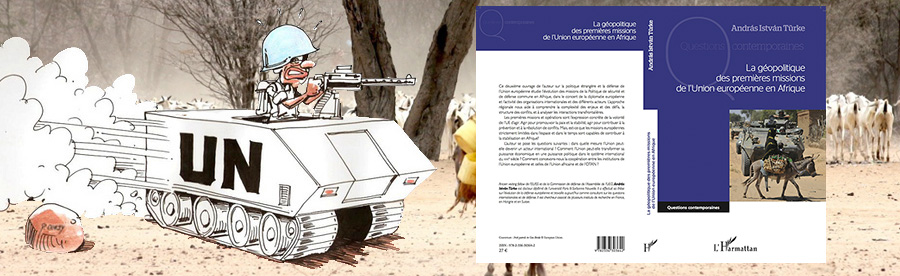
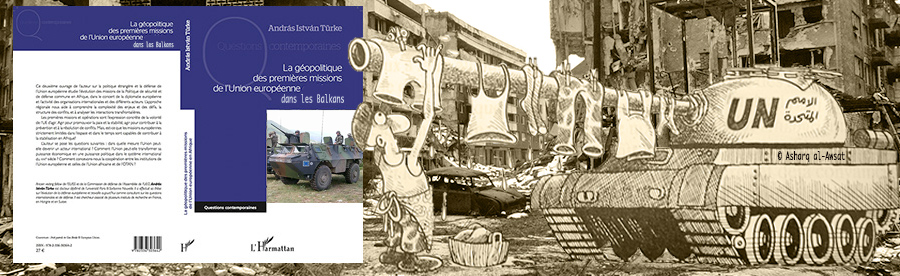
We are looking for sponsors for the English translation of these books, please contact turkeandras(at)gmail(dot)com