
You are here
Afrique
Press release - Military mobility: press conference on Wednesday at 10.30
Parliament’s co-rapporteurs Michał Szczerba and Roberts Zīle will brief journalists on new EU military mobility rules, ahead of possible interinstitutional talks.
Committee on Security and Defence
Committee on Transport and Tourism
Source : © European Union, 2026 - EP
Committee on Security and Defence
Committee on Transport and Tourism
Source : © European Union, 2026 - EP
Categories: Afrique, Europäische Union
Pannenpanzer sorgt für Kritik: «Der M113 gehört nicht in die Armee, sondern ins Museum!»
Die Schweizer Armee steht erneut vor Problemen mit ihrer veralteten Schützenpanzerflotte. Zwischen Kritik an der Politik, der Beschaffung und dem Zustand der Armee entsteht erneut eine breite Debatte über die Zukunft der Bodentruppen.
Categories: Afrique, Swiss News
Sforza über Fifa-Skandal-Entscheid: «Als Belgien würde ich gar nicht antreten!»
Die WM hat ihren ersten riesigen Aufreger mit der Begnadigung des US-Stürmers Balogun durch die Fifa. Soll Belgien im Viertelfinal gegen die USA nun streiken? Im Podcast «FORZA!» diskutieren Ciriaco Sforza, Blick-Sportchef Emanuel Gisi und Reporter Florian Raz.
Categories: Afrique, Swiss News
«Einstweilige Verfügung nötig»: Trump provoziert Meloni erneut mit Post
Bricht der nächste Streit zwischen Washington und Rom los? Erneut stichelt US-Präsident Trump gegen die italienische Ministerpräsidentin Meloni. Sein Post geht aber offenbar nach hinten los.
Categories: Afrique, Swiss News
5 ans de prison dont 2 fermes requis contre l'ex CA du 12e arrondissement
Le procès de l'ex-chef du 12e arrondissement de Cotonou, Samuel Akindes Adékambi, s'est une fois encore ouvert ce lundi 6 juillet 2026, à la Cour de répression des infractions économiques et du terrorisme (CRIET). Le ministère public, au cours de cette nouvelle audience, a requis une peine de 5 ans de prison dont 2 fermes contre le prévenu.
Samuel Akindes Adékambi, ex chef du 12e arrondissement bientôt fixé sur son sort. Le ministère public a fait ses réquisitions lors de l'audience de ce lundi 6 juillet 2026. Il a requis à son encontre, une peine de 5 ans de prison dont 2 ans fermes. Le prévenu selon le premier substitut du Procureur, devra également payer une amende de 5 millions de francs CFA.
Les avocats de la défense ont plaidé la relaxe pure et simple de leur client. Le délibéré est renvoyé au 27 juillet prochain.
L'ex chef du 12e arrondissement est poursuivi pour abus de fonction. Il aurait détourné des fonds dans le cadre de la réalisation d'un projet avec Lionel Talon, fils de l'ex président Patrice Talon.
Au procès ce jour, l'assistante du plaignant a déclaré avoir remis une somme de 3 millions de francs CFA au prévenu, mais ignore si la somme d'argent était destinée aux frais de campagne ou au projet du centre communautaire Eya.
F. A. A.
Categories: Afrique, European Union
Le commissariat de Bariénou attaqué
Dans la nuit du dimanche au lundi, des individus armés non identifiés ont attaqué le commissariat de police de Bariénou, dans la commune de Djougou, et y ont mis feu.
Le commissariat de Bariénou attaqué. Des assaillants ont pris d'assaut le poste de police avant d'y mettre le feu, causant d'importants dégâts matériels. En observant les dégâts causés, les assaillants auraient fait usage d'armes lourdes. Plusieurs biens, notamment des motocyclettes stationnées sur les lieux ont été brûlés.
Joint par Fraternité, Ganiou Kpékpassi, chef de l'arrondissement de Bariénou a confirmé l'attaque. A en croire l'élu local, outre les dégâts matériels, aucune perte en vie humaine n'a été enregistrée.
Rassurant les populations, le CA a indiqué que le calme est revenu dans la localité. Les forces de sécurité ont repris le contrôle de la situation et les habitants peuvent d'après lui, vaquer librement à leurs occupations.
F. A. A.
Categories: Afrique, European Union
Le Bénin remporte 10 médailles aux Championnats ouest-africains d'athlétisme U18 et U20
Au terme des Championnats ouest-africains d'athlétisme U18 et U20, organisés à Dakar au Sénégal, la délégation béninoise a réalisé une prestation exceptionnelle remportant 10 médailles : 3 en or, 2 en argent et 5 en bronze.
Avec seulement 8 athlètes engagés dans les Championnats ouest-africains d'athlétisme U18 et U20, le Bénin affiche l'un des meilleurs rendements de la compétition. Et ce, grâce à Houmou Boukary et Rufine Sono, figures de proue de la compétition.
Houmou Boukary (U20), s'est imposée comme la grande révélation de la compétition. L'athlète béninoise a remporté deux titres ouest-africains, en s'adjugeant la médaille d'or au triple saut avec un bond de 12,14 mètres, puis au lancer du javelot. Elle complète son remarquable parcours avec une médaille d'argent au saut en longueur grâce à une performance de 5,35 mètres.
Comme elle, Rufine Sonon (U18), s'est également illustrée comme l'une des meilleures athlètes de la compétition. Victorieuse du 800 mètres au terme d'une course parfaitement maîtrisée, elle a confirmé par sa performance, le potentiel de la jeunesse béninoise et renforcé la présence du pays parmi les meilleures jeunes athlètes de la sous-région.
Au-delà des médailles d'or, plusieurs jeunes talents béninois se sont distingués en montant sur le podium.
C'est le cas de Fidélia Houéhou (U18) qui a obtenu une médaille d'argent au saut en hauteur (1,50 m), ainsi que deux médailles de bronze au saut en longueur (5,58 m) et au 100 mètres haies, bouclé en 15''87.
Loudie Ogoubi (U18), membre de la délégation béninoise décroche pour sa part, le bronze sur le 100 mètres grâce à un chrono de 11''85, tandis que Kissagui Ibrahim (U18) s'offre la troisième place au lancer du poids avec un jet de 11,02 mètres. Chabi Alassane (U20) complète la récolte béninoise en remportant le bronze sur le 800 mètres.
Ces résultats illustrent la montée en puissance de la nouvelle génération et témoignent des efforts consentis pour développer l'athlétisme à la base.
F. A. A.
Categories: Afrique, European Union
Historische Konstellation: Drei Seconda-Frauen regieren die grossen Berner Städte
Am Sonntag wurde Eveline Salzmann zur Stadtpräsidentin von Thun gewählt. Nun geben in den drei grössten Berner Städten drei Frauen mit Migrationsgeschichte den Takt vor. Eine historische Konstellation.
Categories: Afrique, Swiss News
Stylist nennt es «peinlich»: Carmen und Davina Geiss polarisieren im Partnerlook
Carmen und Davina Geiss zeigen sich im Partnerlook. Für Carmen bedeutet dieser Stil viel mehr als Mode – es symbolisiert ihre enge Verbindung. Stylist Alf Heller nennt es derweil «peinlich».
Categories: Afrique, Swiss News
Nous recrutons des Technico-Commercial (H/F), CDD
– Localisation : Cotonou, Bénin (déplacements sur sites clients)
– Secteur : Grande distribution (Alimentation et produits de grande consommation)
Prise de poste souhaitée : Immédiate
Conditions de rémunération : locales
Mission principale
Le Technico-Commercial est l'ambassadeur de l'enseigne sur le terrain. Il développe et fidélise le portefeuille clients professionnels (B2B), détecte les opportunités de marché et contribue directement à la croissance du chiffre d'affaires de l'enseigne.
Responsabilités principales
Développement commercial
✓ Prospecter activement de nouveau clients professionnels : entreprises, administrations, hôtels, restaurants, collectivités, …
✓ Développer et animer un portefeuille clients existant : visites régulières, suivi des commandes, relances, …
✓ Négocier les conditions commerciales dans le respect des politiques tarifaires de l'enseigne
✓ Atteindre et dépasser les objectifs de chiffres d'affaires définis mensuellement.
Suivi et reporting
✓ Assurer le suivi des commandes, des livraisons et de la satisfaction client
✓ Remonter les informations terrain à la direction commerciale (besoins, concurrence, opportunités)
✓ Rédiger des rapports d'activités hebdomadaires et des comptes rendus de visites
✓ Participer aux réunions commerciales et à la mise en place des actions promotionnelles
Veille et représentation
✓ Assurer une veille concurrentielle active sur les prix et les offres du marché
✓ Représenter l'enseigne lors d'évènements professionnels et commerciaux
✓ Préparer et participer aux appels d'offres institutionnels et privés
Profil recherché
Formation : Diplôme BAC+2 en Commerce, Marketing ou discipline équivalente (BAC+3 apprécié en Commerce et vente, Marketing).
Expériences professionnelles
✓ 2 ans d'expérience minimum à un poste de commercial terrain (B2B de préférence)
✓ Expérience en grande distribution, FMCG ou services aux entreprise souhaitées.
???? Compétences clés
✓ Maitrise des techniques de vente et de la négociation commerciale
✓ Bonne connaissance du tissu économique béninois et des marchés publics
✓ Capacité à lire et à analyser des indicateurs commerciaux (CA, marge, taux de conversion)
✓ Maitrise des outils bureautiques et de communication (Pack Office, WhatApp Business)
✓ Excellente présentation et aisance relationnelle
✓ Autonomie, sens de l'organisation et rigueur dans le suivi des dossiers
✓ Résistant à la pression et orienté résultat
✓ Honnêteté et sens de l'éthique commerciale
✓ Permis de conduire et moyen de déplacement (obligatoire)
Nous recrutons des Acheteurs (H/F), CDD
– Localisation : Cotonou, Bénin (déplacements sur sites clients)
– Secteur : Grande distribution (Alimentation et produits de grande consommation)
Prise de poste souhaitée : Immédiate
Conditions de rémunération : locales
Mission principale
L'Acheteur est le garant de la disponibilité des produits en rayon, de la compétitivité des prix et de la qualité des relations fournisseurs. Il joue un rôle central dans la rentabilité et la compétitivité de l'enseigne.
Responsabilités principales
Achats & Approvisionnement
✓ Définir et mettre en œuvre la politique d'achat pour les gammes de produits dont il a la charge (alimentaire et/ou non-alimentaire)
✓ Identifier, sélectionner et qualifier les fournisseurs locaux et internationaux
✓ Négocier les conditions d'achat : prix, délais, volumes, conditions de paiement, remises
✓ Passer et suivre les commandes dans le respect des niveaux de stock cibles
✓ Assurer la disponibilité permanente des produits en rayon en anticipant les ruptures
Gestion de la relation fournisseurs
✓ Animer et développer le portefeuille fournisseurs : évaluation régulière des performances
✓ Conduire les négociations annuelles et les revues de contrats
✓ Traiter les litiges fournisseurs (qualité, délais, facturation) en lien avec les services concernés
✓ Développer les partenariats avec les producteurs locaux en cohérence avec la politique de promotion des produits béninois
Gestion des gammes & Performance
✓ Analyser les ventes, les marges et les rotations pour optimiser les assortiments
✓ Suivre les indicateurs de performance achats : taux de service, taux de rupture, marge brute
✓ Participer aux comités de référencement et aux décisions de déréférencement
✓ Veiller au respect des réglementations en matière d'hygiène, de sécurité alimentaire et d'étiquetage
Profil recherché
– Formation : Bac+3 minimum en Achats, Commerce International, Logistique, Gestion ou équivalent ; Bac+4/5 apprécié (Master en Achats & Supply Chain, Commerce International)
Expériences professionnelles
Minimum 3 ans d'expérience en achats ou approvisionnement, idéalement en grande distribution, FMCG ou import-export ; Expérience en négociation fournisseurs et gestion de gammes souhaitée
-Compétences clés
✓ Maîtrise des techniques de négociation achats et des Incoterms
✓ Bonne connaissance des marchés locaux et des procédures d'importation au Bénin
✓ Capacité d'analyse : lecture des tableaux de bord, des indicateurs de gestion de stocks et de marge
✓ Maîtrise du Pack Office (Excel avancé indispensable) et des logiciels de gestion (ERP, WMS)
✓ La maîtrise de l'anglais commercial est un atout
✓ Sens aigu de la négociation et esprit analytique
✓ Rigueur, organisation et capacité à gérer plusieurs dossiers simultanément
✓ Intégrité et sens de l'éthique dans les relations commerciales
✓ Bon relationnel, aptitude au travail en équipe transversale
✓ Réactivité et capacité à travailler sous pression dans un environnement dynamique
Categories: Afrique, European Union
Louis Vlavonou quitte le Parlement pour le Sénat
L'ancien président de l'Assemblée nationale, Louis Vlavonou va siéger au Sénat. Il a renoncé à son mandat de député, 10e législature à travers une démission adressée au président, Joseph Djogbénou.
Entre le Parlement et le Sénat, Louis Vlavonou, ex président de l'Assemblée nationale, a fait son choix, mettant ainsi fin aux spéculations. En raison du caractère incompatible des deux fonctions (député et sénateur), il a adressé sa démission au président de l'Assemblée nationale, Joseph Djogbénou, le jeudi 2 juillet 2026. Il siègera au Sénat en qualité de membre de droit aux côtés des anciens responsables des institutions de la République. Les autres membres (personnalités de haut rang) de cette nouvelle institution de la République ont été nommés en Conseil des ministres mercredi 1er juillet 2026.
Louis Vlavonou quitte ainsi l'Assemblée nationale, après y avoir passé 20 ans dont 6 ans, 8 mois et 22 jours au perchoir (8e et 9e législatures).
F. A. A.
Categories: Afrique, European Union
Attaques au Mali : l'Union africaine exprime sa solidarité aux autorités et au peuple malien
Au lendemain des attaques simultanées perpétrées en terre malienne et revendiquées par les séparatistes Touaregs du Front de libération de l'Azawad (FLA), l'Union africaine a condamné et exprimé sa solidarité envers le peuple malien.
Categories: Afrique, Swiss News
Attaques au Mali : l'Union africaine exprime sa solidarité aux autorités et au peuple malien
Au lendemain des attaques simultanées perpétrées en terre malienne et revendiquées par les séparatistes Touaregs du Front de libération de l'Azawad (FLA), l'Union africaine a condamné et exprimé sa solidarité envers le peuple malien.
Categories: Afrique, Balkans Occidentaux
Remarks by Kyriakos Pierrakakis, President of the Eurogroup, at the Rencontres Économiques
Kyriakos Pierrakakis, President of the Eurogroup, attended the Rencontres Économiques in Aix-en-Provences. He spoke at the plenary session 'One World, Clashing Visions: Who Sets the Standards?'.
Categories: Afrique, Europäische Union
Weekly schedule of President António Costa
Weekly schedule of President António Costa, 6-12 July 2026.
Categories: Afrique, Europäische Union
Chemical weapons: EU sanctions six individuals involved in Navalny’s poisoning and death
The Council imposed restrictive measures on six Russian individuals involved in the development of chemical weapons, notably epibatidine, which is highly likely the cause of Alexei Navalny’s death.
Categories: Afrique, Europäische Union
Dans le détroit d'Ormuz, la BBC découvre des navires saisis et des pêcheurs de requins alors qu'un calme précaire revient
La BBC se rend à Bandar Abbas pour observer comment la guerre américano-israélienne contre l'Iran a affecté la vie quotidienne dans cette ville portuaire.
Categories: Afrique, Swiss News
Dans le détroit d'Ormuz, la BBC découvre des navires saisis et des pêcheurs de requins alors qu'un calme précaire revient
La BBC se rend à Bandar Abbas pour observer comment la guerre américano-israélienne contre l'Iran a affecté la vie quotidienne dans cette ville portuaire.
Categories: Afrique, Balkans Occidentaux
Un Béninois nommé président du Conseil d'Administration de l'ALCoMA
Le Béninois Wilfrid Lauriano Do Rego a été nommé président du Conseil d'Administration de l'Autorité de gestion du Corridor Abidjan-Lagos (ALCoMA) pour un mandat de quatre ans.
Le Conseil d'Administration de l'Autorité de gestion du Corridor Abidjan-Lagos (ALCoMA), réuni les 11 et 12 juin à Lagos, au Nigeria, a installé sa nouvelle équipe dirigeante chargée d'accompagner la mise en œuvre du vaste projet d'intégration régionale reliant cinq pays d'Afrique de l'Ouest.
A cette occasion, l'expert-comptable et financier béninois Wilfrid Lauriano Do Rego a été porté à la présidence du Conseil d'Administration pour les quatre prochaines années. Sa nomination découle des dispositions de l'Accord intergouvernemental qui institue une rotation alphabétique entre les Etats membres, en commençant par le Bénin.
Un autre Béninois, Jacques Ayadji, occupe également le poste de vice-président.
Fort de plus de 36 ans d'expérience dans l'audit, la finance et la gouvernance d'entreprises, Wilfrid Lauriano Do Rego a exercé des fonctions de conseil et siégé au sein des conseils d'administration de multinationales, d'institutions financières, de fonds d'investissement et d'organisations africaines.
Lors de cette réunion inaugurale, le Conseil a également arrêté les principales orientations destinées à accélérer le développement du Corridor Abidjan-Lagos et à concrétiser les objectifs fixés par les chefs d'État des cinq pays concernés.
Pour accompagner la phase de démarrage de l'Autorité, deux sous-comités intérimaires ont été créés. Le premier supervisera le recrutement du directeur général ainsi que du secrétaire juridique et corporatif de l'ALCoMA, tout en examinant les politiques de rémunération. Le second sera chargé des questions financières, notamment de la mobilisation des ressources, de la préparation des budgets, de l'architecture financière de l'institution ainsi que de la gestion des risques et des recettes liées au corridor.
Le Conseil a par ailleurs pris acte de la désignation de Chris Appiah, directeur des transports de la CEDEAO, comme représentant de l'organisation régionale au sein de l'instance.
M. M.
Categories: Afrique, European Union
Les candidatures ouvertes pour accueillir les CAN 2028, 2032 et 2036
La Confédération Africaine de Football (CAF), a officiellement ouvert l'appel à candidatures pour l'organisation des Coupes d'Afrique des Nations 2028, 2032 et 2036.
La Confédération Africaine de Football (CAF) a invité ses Associations Membres qui représentent 54 pays africains à soumettre des candidatures pour accueillir la COUPE D'AFRIQUE DES NATIONS (CAN ) 2028, 2032 et 2036 .
La compétition CAF CAN est le plus grand événement sportif d'Afrique et figure également parmi les plus grands événements sportifs au monde, avec plus de 3,2 milliards de téléspectateurs et 6 milliards de vues numériques à l'échelle mondiale.
La CAF a également rappelé que la CAN 2027 sera co-organisée par le Kenya, la Tanzanie et l'Ouganda, avec une phase finale prévue du 19 juin au 17 juillet 2027.
M. M.
Categories: Afrique, European Union
Pages
the old site is here


© 2012-2015 Europa Varietas Foundation © 2015-2020 Europa Varietas Association
www.europavarietas.org | info(@)europavarietas(dot)org | Switzerland
This is a GDPR ready site
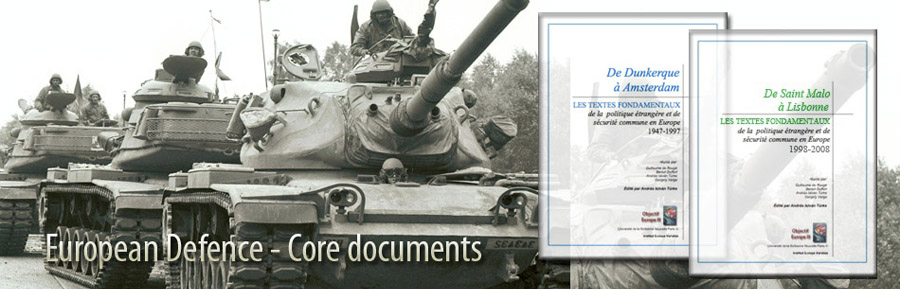
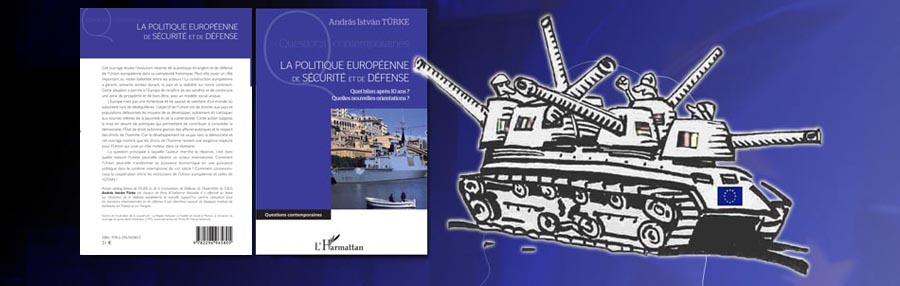
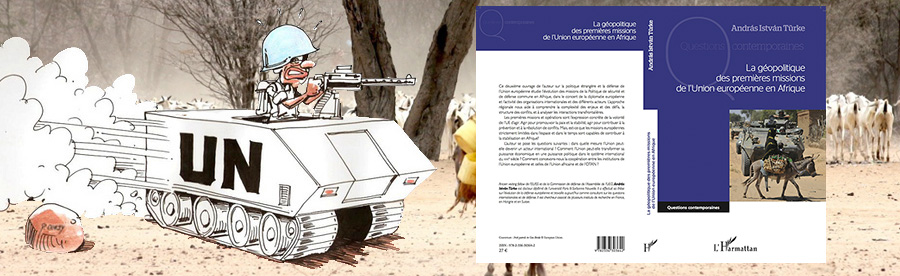
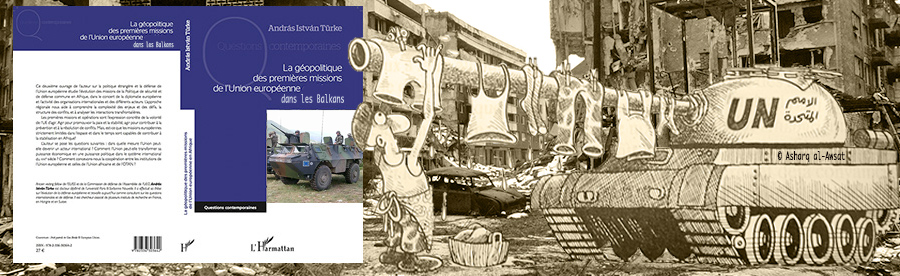
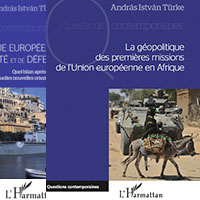
We are looking for sponsors for the English translation of these books, please contact turkeandras(at)gmail(dot)com