
You are here
Europäische Union
18-Jähriger rast in Menschenmenge – Kind und Mann in Lebensgefahr
Ein Auto raste am Samstag in eine Menschenmenge von Rugby-Fans im australischen Newcastle. Zehn Personen wurden dabei verletzt. Ein fünfjähriges Mädchen und ein 67-jähriger Mann befinden sich im kritischen Zustand. Der 18-jährige Fahrer wurde festgenommen.
Categories: Europäische Union, Swiss News
ZDF‑Experte erhält kurioses Abschiedsgeschenk
Nach sechs Jahren legt Per Mertesacker das Mikrofon als ZDF-Experte nieder. Ab 1. Januar 2027 übernimmt er den Posten als Geschäftsführer Sport beim DFB. Bei seinem letzten Auftritt fürs ZDF erhält er als Dank ein kurioses Geschenk.
Categories: Europäische Union, Swiss News
Amira Aly macht ihren Kritikern eine Ansage
Amira Alys Followerschaft freut sich seit Monaten gemeinsam mit der Influencerin auf ihr Baby. Bis zur Geburt dürfte es auch nicht mehr lang dauern. Doch bis zuletzt muss sich Aly mit Kritikern herumärgern, die sich an ihrem Verhalten während der Schwangerschaft stören.
Categories: Europäische Union, Swiss News
Le CNIN ouvre des agences à Porto-Novo, Abomey et Parakou
Les citoyens béninois résidant dans les villes de Porto-Novo, d'Abomey et de Parakou n'ont plus besoin de descendre à Cotonou pour déposer leurs plaintes physiques au Centre national d'investigations numériques (CNIN). La structure en charge de la lutte contre la cybercriminalité et les infractions connexes, a ouvert ses agences dans ces trois villes du pays.
Le Centre national d'investigations numériques se rapproche davantage des populations. Une agence est désormais ouverte à Porto-Novo, la capitale du pays afin de limiter les déplacements des populations vers Cotonou. Ladite agence est basée au quartier Oganla, dans l'enceinte du commissariat central de la ville.
A l'instar de Porto-Novo, Abomey dispose également de son agence CNIN, logée au quartier Hounli, dans l'enceinte du commissariat central de la ville.
Dans la partie septentrionale du pays, une agence est ouverte à Parakou, au quartier Transa, dans les locaux de la direction départementale de la Police républicaine.
Dans ces agences, des équipes du CNIN sont sur place pour enregistrer les plaintes des populations, les orienter et veiller à la protection de leurs droits numériques.
F. A. A.
Categories: Afrique, Europäische Union
Un conducteur de taxi-moto arrêté pour tentative de vol
Un conducteur de taxi-moto a été interpellé mardi 29 septembre 2026 à Tori-Bossito après avoir tenté de reprendre une moto qu'il conduisait auparavant.
Le mardi 29 septembre 2026 vers 5 heures du matin, un conducteur de taxi-moto s'est présenté au domicile de son ancien employeur pour récupérer une Bajaj qui lui avait été retirée environ un mois plus tôt.
Le "zémidjan" avait cessé d'exploiter le deux-roues à la suite d'échéances impayées.
La moto avait depuis été confiée à un autre conducteur. C'est chez ce dernier que le suspect s'est rendu mardi matin. Il a profité de l'absence momentanée du nouveau conducteur, sorti de son domicile pour satisfaire un besoin naturel, pour entrer dans la chambre et tenter de s'emparer de la moto.
Mais les enfants de la maison ont rapidement donné l'alerte. Le propriétaire est revenu et a réussi à maîtriser l'intrus avant de le conduire au commissariat de l'arrondissement central de Tori-Bossito.
Le suspect a été placé en garde à vue.
M. M.
Categories: Afrique, Europäische Union
Pressemitteilung - Daphne-Caruana-Galizia-Preis für Journalismus 2026: zehn Beiträge im Finale
Die Jury des Daphne-Caruana-Galizia-Preises für Journalismus hat zehn Recherchen für die sechste Ausgabe des Preises in die Endauswahl aufgenommen.
Quelle : © Europäische Union, 2026 - EP
Quelle : © Europäische Union, 2026 - EP
Categories: Europäische Union, Swiss News
Protokoll - Dienstag, 23. Juni 2026 - PE790.162v01-00 - Ausschuss für Sicherheit und Verteidigung , Ausschuss für Verkehr und Tourismus
Quelle : © Europäische Union, 2026 - EP
Categories: Europäische Union, Swiss News
Press release - EU long-term budget: press conference with lead MEPs on Tuesday at 15.30
Parliament’s co-rapporteurs for the EU’s 2028-2034 multiannual financial framework (MFF) will brief journalists ahead of Wednesday’s plenary debate.
Committee on Budgets
Source : © European Union, 2026 - EP
Committee on Budgets
Source : © European Union, 2026 - EP
Categories: Europäische Union, Swiss News
Press release - EU long-term budget: press conference with lead MEPs on Tuesday at 15.30
Parliament’s co-rapporteurs for the EU’s 2028-2034 multiannual financial framework (MFF) will brief journalists ahead of Wednesday’s plenary debate.
Committee on Budgets
Source : © European Union, 2026 - EP
Committee on Budgets
Source : © European Union, 2026 - EP
Categories: Európai Unió : hírek magyarul, Europäische Union
Press release - Highlights of the next AGRI meeting
Committee on Agriculture and Rural Development (AGRI) to meet on Monday 5 October from 8:00 to 9:00 pm in Strasbourg
Committee on Agriculture and Rural Development
Source : © European Union, 2026 - EP
Committee on Agriculture and Rural Development
Source : © European Union, 2026 - EP
Categories: Europäische Union
Press release - Highlights of the next AGRI meeting
Committee on Agriculture and Rural Development (AGRI) to meet on Monday 5 October from 8:00 to 9:00 pm in Strasbourg
Committee on Agriculture and Rural Development
Source : © European Union, 2026 - EP
Committee on Agriculture and Rural Development
Source : © European Union, 2026 - EP
Categories: Európai Unió : hírek magyarul, Europäische Union
ZWISCHENBERICHT über den Vorschlag für einen Beschluss des Rates über den Abschluss eines umfangreichen Pakets von Abkommen zur Konsolidierung, Vertiefung und Ausweitung der bilateralen Beziehungen zur Schweizerischen Eidgenossenschaft - A10-0235/2026
ZWISCHENBERICHT über den Vorschlag für einen Beschluss des Rates über den Abschluss eines umfangreichen Pakets von Abkommen zur Konsolidierung, Vertiefung und Ausweitung der bilateralen Beziehungen zur Schweizerischen Eidgenossenschaft
Ausschuss für auswärtige Angelegenheiten
Christophe Grudler
Quelle : © Europäische Union, 2026 - EP
Ausschuss für auswärtige Angelegenheiten
Christophe Grudler
Quelle : © Europäische Union, 2026 - EP
Categories: Europäische Union, Swiss News
BERICHT über die Empfehlung des Europäischen Parlaments an den Rat, die Kommission und die Vizepräsidentin der Kommission und Hohe Vertreterin der Union für Außen- und Sicherheitspolitik zu den politischen Beziehungen zwischen der EU und China - A10...
BERICHT über die Empfehlung des Europäischen Parlaments an den Rat, die Kommission und die Vizepräsidentin der Kommission und Hohe Vertreterin der Union für Außen- und Sicherheitspolitik zu den politischen Beziehungen zwischen der EU und China
Ausschuss für auswärtige Angelegenheiten
Hilde Vautmans
Quelle : © Europäische Union, 2026 - EP
Ausschuss für auswärtige Angelegenheiten
Hilde Vautmans
Quelle : © Europäische Union, 2026 - EP
Categories: Europäische Union, Swiss News
EMPFEHLUNG zu dem Entwurf eines Beschlusses des Rates über den Abschluss eines umfangreichen Pakets von Abkommen zwischen der Europäischen Union einerseits und der Schweizerischen Eidgenossenschaft andererseits zur Konsolidierung, Vertiefung und...
EMPFEHLUNG zu dem Entwurf eines Beschlusses des Rates über den Abschluss eines umfangreichen Pakets von Abkommen zwischen der Europäischen Union einerseits und der Schweizerischen Eidgenossenschaft andererseits zur Konsolidierung, Vertiefung und Ausweitung ihrer bilateralen Beziehungen und zur Änderung der Beschlüsse 2011/51/EU und 2011/738/EU
Ausschuss für auswärtige Angelegenheiten
Christophe Grudler
Quelle : © Europäische Union, 2026 - EP
Ausschuss für auswärtige Angelegenheiten
Christophe Grudler
Quelle : © Europäische Union, 2026 - EP
Categories: Europäische Union, Swiss News
Press release - Civil protection mechanism: improve preparedness and anticipate crises
Environment committee and public health committee MEPs want the next EU crisis prevention and response tool to do more to anticipate crises and support recovery.
Committee on the Environment, Public Health and Food Safety
Committee on Public Health
Source : © European Union, 2026 - EP
Committee on the Environment, Public Health and Food Safety
Committee on Public Health
Source : © European Union, 2026 - EP
Categories: Europäische Union
Press release - Civil protection mechanism: improve preparedness and anticipate crises
Environment committee and public health committee MEPs want the next EU crisis prevention and response tool to do more to anticipate crises and support recovery.
Committee on the Environment, Public Health and Food Safety
Committee on Public Health
Source : © European Union, 2026 - EP
Committee on the Environment, Public Health and Food Safety
Committee on Public Health
Source : © European Union, 2026 - EP
Categories: Európai Unió : hírek magyarul, Europäische Union
Les navires chinois accusés de piller les eaux africaines par la pêche illégale
Du Sénégal au golfe de Guinée, des enquêtes documentent l'implication de navires chinois ou contrôlés par des intérêts chinois dans des pratiques de pêche illégale. Les captures de juvéniles, les incursions dans les zones interdites et les débarquements échappant aux contrôles fragilisent un secteur essentiel aux économies côtières et à la sécurité alimentaire. Face à cette pression, comment les États renforcent leur surveillance ?
Les armateurs chinois derrière les pavillons
L'identification des propriétaires réels constitue le premier enjeu. Au Ghana, une enquête d'EJF publiée en 2018 estimait qu'environ 90 % de la flotte industrielle de pêche était liée à des intérêts chinois. Ce chiffre historique décrit une structure de propriété, pas une proportion de navires coupables d'infractions. Au Sénégal, un rapport de 2025 estime que 43,7 % des navires autorisés sont contrôlés par des intérêts étrangers, principalement chinois. Les sociétés mixtes et les pavillons locaux compliquent l'identification des bénéficiaires réels.
Les infractions documentées jusqu'aux ports
En Guinée, Greenpeace avait observé, entre octobre et novembre 2014, 16 activités de pêche illégale impliquant 12 navires chinois ou détenus par des intérêts chinois. Ces observations anciennes établissent un précédent, sans mesurer la situation actuelle. L'alerte se poursuit en 2026. En juillet, EJF publie une enquête fondée sur des témoignages concernant l'aileronnage de requins à bord de thoniers appartenant à des intérêts chinois et taïwanais faisant escale à Dakar. L'ONG décrit des débarquements d'ailerons échappant aux contrôles portuaires.A u Ghana, une enquête publiée en février 2026 documente l'utilisation de filets illégalement modifiés et le débarquement de poissons trop petits. Dans les échantillons étudiés, 97 % des sardinelles rondes sont sous la taille minimale légale. La capture de ces poissons avant leur reproduction compromet le renouvellement des stocks. Parmi les pêcheurs artisanaux interrogés, 94 % signalent une baisse de leurs captures et 87 % une diminution de leurs revenus.
Quelle riposte des États face aux pertes économiques
Les pertes annuelles sont estimées à 70 millions de dollars au Nigeria et à 33 millions au Cameroun. Ces évaluations anciennes, toujours citées, concernent l'ensemble de la pêche illégale : elles ne permettent pas d'isoler la responsabilité des opérateurs chinois. À la fin d'août 2026, une opération nigériane conduit à l'arrestation de 33 personnes, dont trois ressortissants chinois. Ces arrestations ne valent pas condamnation. En août, le Comité des pêches du golfe de Guinée Centre-Ouest examine également un registre régional des navires autorisés, testé au Nigeria. En Guinée, les autorités et la FAO ont travaillé, en octobre 2025, au renforcement des contrôles portuaires.La publication des propriétaires réels, le partage des licences et l'application des sanctions doivent protéger les recettes publiques, les emplois côtiers et l'approvisionnement des populations en poisson.
Les sociétés-écrans et les captures revendues aux populations
Le recours d'opérateurs chinois à des sociétés-écrans locales pour immatriculer leurs chalutiers sous pavillon ghanéen et contourner les restrictions à la propriété étrangère est désormais un fait établi. La pêche illégale alimente ensuite un circuit commercial, les chalutiers capturent de petits poissons, notamment des juvéniles, puis les congèlent et les revendent aux communautés côtières. Historiquement, ces cargaisons étaient transférées en mer à des pirogues spécialement adaptées, selon la pratique interdite du « saiko ». L'enquête publiée par EJF en février 2026 indique que ces transbordements ont fortement reculé, mais documente toujours l'utilisation de filets illégalement modifiés et la commercialisation de poissons sous la taille légale. La dissimulation des propriétaires complique l'identification des responsables, tandis que les captures interdites deviennent une source de revenus.
Categories: Afrique, Europäische Union
Le maire Luc Gnacadja réagit à la démission du SE
Le maire de Cotonou a officiellement accepté la démission du Secrétaire exécutif de la mairie, Anges Paterne Amoussouga.
Dans une lettre d'acceptation en date du 1er octobre, signé par son chef cabinet, le maire Luc Gnacadja prend acte de la démission de Anges Paterne Amoussouga et remercie le Secrétaire exécutif pour les services rendus à la Commune.
Le maire souhaite au SE démissionnaire plein succès pour la suite de son parcours.
M. Amoussouga continuera toutefois d'exercer ses fonctions jusqu'au 31 octobre 2026, date effective de sa démission.
La mairie précise que cette acceptation ne constitue pas un quitus de gestion. Les contrôles et éventuelles suites prévus par les textes restent donc applicables.
M. M.

Categories: Afrique, Europäische Union
Une chambre dédiée aux litiges commerciaux internationaux
Le Tribunal de commerce de Cotonou vient de créer une formation spécialement chargée des affaires commerciales comportant un élément international. La nouvelle chambre devra notamment traiter les différends impliquant des entreprises étrangères et certaines procédures liées à l'arbitrage international.
Par ordonnance, rendue publique le 29 septembre 2026, le président du Tribunal de commerce de Cotonou, Romain KOFFI a créé la Chambre des Contentieux de Commerce International (CCCI/S1).
Cette formation est rattachée à la première section du tribunal, déjà compétente pour plusieurs contentieux spécialisés. Elle aura notamment à connaître des affaires opposant des entreprises étrangères, mais aussi des dossiers dans lesquels se pose une question de conflit de lois.
La chambre pourra également examiner les demandes portant sur la reconnaissance de sentences arbitrales rendues à l'étranger. Son fonctionnement est prévu autour d'une audience ordinaire tous les quinze jours, les premier et troisième lundis de chaque mois. Des audiences extraordinaires pourront toutefois être organisées.
Des juges choisis pour leur expérience
La présidence de cette chambre sera assurée par le président du tribunal ou par un magistrat désigné en cas d'empêchement. Pour les juges consulaires, l'ordonnance prévoit une sélection prioritaire fondée sur leur expérience des pratiques et usages du commerce international.
La saisine pourra se faire par voie électronique, soit directement par les parties, soit à la suite du renvoi d'un dossier par une autre chambre du tribunal.
M. M.
Categories: Afrique, Europäische Union
Les résultats et gains du Tiercé, Quarté, Quinté+
La Loterie Nationale du Bénin vous donne les résultats du TIERCE / QUARTE/ QUINTE+ DU JEUDI 01 OCTOBRE 2026
Arrivée de la course : 15-03-14-01-09
Tous Partants
TIERCE
Gain dans l'Ordre : 124.500 FCFA (04)
Gain dans le Désordre : 24.900 FCFA (13)
QUARTE
Gain dans l'Ordre : NEANT (00)
Gain dans le Désordre : 37.200 FCFA (13)
QUINTE+
Gain dans l'Ordre : 580.050 FCFA (01)
Gain dans le Désordre : 19.200 FCFA (05)
Bonus : 3.900 FCFA (56)
PARI SIMPLE / PARI COUPLE
15 Gagnant : NEANT (00)
15 Placé : NEANT (00)
03 Placé : 3.000 FCFA (01)
14 Placé : NEANT (00)
15-03 Gagnant : 10.000 FCFA (03)
15-03 Placé : 4.750 FCFA (15)
15-14 Placé : 18.250 FCFA (04)
03-14 Placé : 3.000 FCFA (23)
MASSE PARTAGÉE : 2.446.000 FCFA
MONTANT DU JACKPOT DU VENDREDI 02 OCTOBRE 2026 : 6.292.042 FCFA
MONTANT DE LA TIRELIRE DU MARDI 27 OCTOBRE 2026 : NEANT
CAGNOTTE « 4+1 » ORDRE DU SAMEDI 03 OCTOBRE 2026 : 1.166.502 FCFA
Categories: Afrique, Europäische Union
Pages
the old site is here


© 2012-2015 Europa Varietas Foundation © 2015-2020 Europa Varietas Association
www.europavarietas.org | info(@)europavarietas(dot)org | Switzerland
This is a GDPR ready site


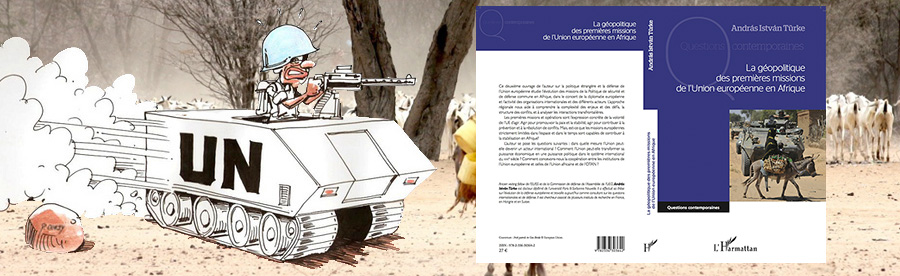

We are looking for sponsors for the English translation of these books, please contact turkeandras(at)gmail(dot)com