
You are here
Africa
Mourners killed by Kenya police at ex-PM's national farewell not part of violence, BBC finds
After analysing 1,500 videos and images of the Raila Odinga memorial, Africa Eye finds that those killed were far from the scuffles.
Categories: Africa, Swiss News
DIGITAL 20 H : le verdict
DIGITAL 20H : Avez-vous tenté votre chance ?
Le tirage DIGITAL 20H N°257 a livré son verdict !
Dimanche 11 Octobre 2026
Avez-vous joué ?
Avez-vous misé sur vos numéros porte-bonheur ?
RÉSULTAT : 63 • 22 • 02• 88• 79
Félicitations aux heureux gagnants !
Pas encore cette fois ? Gardez le sourire.
Rendez-vous à 00H pour le prochain tirage.
Jouez dans les points de vente ou : Tapez *590# ou rendez-vous sur lnbloto.bj
Jouez avec modération et responsabilité. Le jeu doit rester un plaisir.
A TOI DE JOUER #XòGbɔnAlɔkpaVo
#LNBSA #JeuResponsable #LaChanceAvecModération
Dozens of gold prospectors killed in strikes on Egypt-Sudan border, rights group says
Neither Egypt nor Sudan has commented on the alleged strikes on an artisanal mining camp on Saturday.
Gantenbein-Tor beim Bundesliga-Debüt am Ende wertlos
Nicht Bayern, nicht Dortmund, nicht Leverkusen. Der Spitzenreiter nach dem fünften Bundesliga-Spieltag heisst Freiburg. Freiburg rettet sich in Unterzahl, das Tor des Ex-Winterthurers Adrian Gantenbein ist für Schalke am Ende wertlos.
Categories: Africa, Swiss News
Rad-Verrückte riskieren ihr Leben für 100'000 Dollar
7000 Dollar Startgeld, 100'000 Dollar für den Sieger: Die Red Bull Rampage in Utah ist spektakulär und riskant zugleich. Rampage-Veteran Brendan Fairclough erklärt, weshalb sich das Abenteuer für die Fahrer trotzdem lohnt.
Categories: Africa, Swiss News
Children among 139 dead after boat capsizes off Djibouti, UN says
The boat was travelling from Djibouti to Yemen with 305 people on board, when it capsized near the port town of Obock on Thursday night.
Categories: Africa, Határon túli magyar portálok összesített hírei
Messis herzzerreissender letzter Tango – was nun?
Der Abschied von Messi von der argentinischen Nationalmannschaft war ein Höhepunkt der Woche und wurde zum Abend der Tränen.
Categories: Africa, Swiss News
Affaire Ayoub Aissiou : nouveau rebondissement en Espagne dans la procédure d’extradition
Le parquet espagnol s’oppose à l’extradition de l’homme d’affaires algérien Ayoub Aissiou, selon les informations publiées par The Objective ce 10 octobre 2026. Un nouveau […]
L’article Affaire Ayoub Aissiou : nouveau rebondissement en Espagne dans la procédure d’extradition est apparu en premier sur .
Fin du cash : le PLF 2027 prévoit un nouvel avantage pour encourager le paiement électronique
Le paiement électronique pourrait devenir plus avantageux pour les commerçants et les professionnels en Algérie. Le projet de loi de finances 2027 prévoit une réduction […]
L’article Fin du cash : le PLF 2027 prévoit un nouvel avantage pour encourager le paiement électronique est apparu en premier sur .
HVH krönt Steigerungslauf mit drittem Sieg in Serie
In Zusammenarbeit mit RED+ präsentiert Blick die Highlights der Partie HV Herzogenbuchsee – LK Zug (33:30).
Categories: Africa, Swiss News
Kipchoge, 41, breaks course record at Melbourne Marathon
Double Olympic champion Eliud Kipchoge says "his body is still peaking" after winning the Melbourne Marathon in a course record time at the age of 41.
Categories: Africa, Balkan News
Kipchoge, 41, breaks course record at Melbourne Marathon
Double Olympic champion Eliud Kipchoge says "his body is still peaking" after winning the Melbourne Marathon in a course record time at the age of 41.
Kipchoge, 41, breaks course record at Melbourne Marathon
Double Olympic champion Eliud Kipchoge says "his body is still peaking" after winning the Melbourne Marathon in a course record time at the age of 41.
Categories: Africa, Határon túli magyar portálok összesített hírei
Drone strike by Sudan paramilitary kills 41 near Ethiopian border, rights group says
Eight children are said to be among those killed by the strike, which hit a gathering of displaced people.
Categories: Africa, Határon túli magyar portálok összesített hírei
Questions remain over Ebola patient who travelled across three nations undetected
Fresh details reveal how the 40-year-old businessman flew and crossed regional borders while seriously ill.
Categories: Africa, Határon túli magyar portálok összesített hírei
Questions remain over Ebola patient who travelled across three nations undetected
Fresh details reveal how the 40-year-old businessman flew and crossed regional borders while seriously ill.
Categories: Africa, Biztonságpolitika
Afrobeats singer Ayra Starr on making history at her NFL half-time show
The Nigerian star will become the first African artist to headline the show at an international NFL game.
Categories: Africa, European Union
UNICEF Warns Impending El Niño Threatens Education, Health, and Safety for Millions
A mother and her child stand in the wreckage of their destroyed home in Toamasina, Madagascar, following a devastating cyclone. Credit: UNICEF/Tsiory Ny Aina Andriantsoarana
By Oritro Karim
UNITED NATIONS, Oct 9 2026 (IPS)
New figures from the United Nations Children’s Fund (UNICEF) project that the impending 2026-2027 El Niño cycle could be one of the strongest on record. Marked by unusually wet and dry conditions, this cycle is forecast to trigger a host of extreme weather events, threatening the health, security, education, and development of over 347 million children worldwide.
“For children, El Niño is far more than a weather pattern. It can mean increased displacement, malnutrition, water shortages, and disease outbreaks. Children are also at risk of schools closing, while families could experience added financial hardship,” said UNICEF Executive Director Catherine Russell, emphasizing that anticipatory action is critical in protecting communities from climate shocks in the coming months.
Nearly half of the world’s children—roughly 1.1 billion—are already exposed to at least three overlapping climate hazards, including droughts, extreme heat, and floods. The impending El Niño cycle could affect children and communities across nearly 100 countries and territories between October and December 2026.
Rohini Sampoornam Swaminathan, UNICEF Statistics and Monitoring Manager, tells IPS that children are uniquely vulnerable because of their early developmental stage and dependence on essential services and caregivers. This significantly limits their ability to withstand climate shocks, especially as basic services begin to disappear when extreme weather hits.
“Communities may not have fully recovered from one shock before another one strikes, causing the impacts to compound over time,” she said.
The Asia-Pacific region is projected to face the heaviest toll, with roughly 190 million children estimated to be at risk. Substantial populations are also critically vulnerable across East and Southern Africa, with 41 million children vulnerable to climate shocks, alongside another 41 million in Latin America and the Caribbean. Approximately 22 million children are similarly vulnerable in Europe and Central Asia, followed by 20 million in the Middle East and North Africa, and 20 million in West and Central Africa.
El Niño’s regional impacts are expected to vary significantly and could compound pre-existing humanitarian crises. Swaminathan underscored that climate shocks that are manageable in some areas can become pronounced humanitarian crises in others.
Tropical nations—such as Colombia, Papua New Guinea, Fiji, and the Philippines—are forecast to face unusually dry conditions, driving weaker agricultural outputs and severe water scarcity. This, in turn, could elevate rates of acute malnutrition and adverse health outcomes among children.
Conversely, communities in the Greater Horn of Africa could face alarmingly high levels of rainfall, particularly in Somalia, where there is a greater risk of riverine and flash flooding. Children in this region are especially vulnerable to outbreaks of water-borne diseases.
Between 2016 and 2023, weather-related disasters displaced more than 20,000 children daily. Swaminathan stressed to IPS that regions facing wetter climates could experience exacerbated displacement as floods push more communities far from their homes and into crowded, temporary shelters, which amplifies protection risks.
In protracted conflict or crisis zones such as Chad and Afghanistan, El Niño poses a direct threat to survival for children. Already bearing the burdens of extreme hunger, displacement, and an overwhelming lack of access to essential services such as protection, these children have no safety net when climate shocks ravage their communities, as they are already on the brink of collapse.
Beyond physical hazards, UNICEF’s findings highlight that disruptions to schooling are among the most alarming consequences of the impending cycle. Severe droughts and floods threaten widespread school closures, declining attendance, and rising dropout rates. In 2025 alone, extreme weather patterns interrupted education for an estimated 171 million students globally.
Swaminathan warned that climate-induced disruptions to schooling carry profound risks for children’s safety, exposing them to heightened risks of violence, exploitation, and child marriage. Girls bear the brunt of these impacts, often taking on family caregiving roles that can lead to compromised health and nutrition, as well as limited access to essential services. “When girls leave school, they are often less likely than boys to return,” she noted.
UNICEF estimates show that every US $1 invested in disaster risk reduction and prevention efforts can yield up to $15 in saved recovery costs. Yet less than 1 percent of humanitarian funding is allocated for anticipatory action, even with months of warning and massive projected losses.
The agency continues to call on governments, donors, and partners to invest in lifesaving anticipatory intervention before peak impacts hit vulnerable communities. UNICEF highlights building climate resilience, securing essential services, and guaranteeing humanitarian access as key priorities in its response.
Swaminathan underscored that children with disabilities, who already face persistent barriers in education, healthcare, and nutrition, must be considered in disaster preparedness. She emphasized that inclusive planning is essential in addressing structural inequalities and ensuring every region is adequately prepared.
“Despite efforts to plan for disasters, most resources are mobilized only after the damage occurs, and the focus is often on the immediate response phase of a crisis,” said Swaminathan. “With forecasts providing months of warning, UNICEF is urging governments, donors, and partners to act before needs escalate by investing early and before impacts peak. Building resilience is not only about infrastructure and early warning systems, but also about strengthening the services and institutions children rely on and addressing the inequalities that make some communities far more vulnerable to climate shocks than others.”
IPS UN Bureau Report
South Africa's Navi Pillay wins Nobel Peace Prize for 'efforts to promote peace and international law'
Pillay is recognised for her "efforts to promote peace and international law", the Norwegian Nobel Committee says.
Categories: Africa, Biztonságpolitika
EHS2: Rat billigt Vorschriften zur Stärkung der Marktstabilitätsreserve
Der Rat hat gezielte Änderungen der Marktstabilitätsreserve (MSR) für das EU-Emissionshandelssystem für Gebäude, Straßenverkehr und weitere Sektoren (EHS2) angenommen.
Categories: Africa, Europäische Union
Pages
the old site is here


© 2012-2015 Europa Varietas Foundation © 2015-2020 Europa Varietas Association
www.europavarietas.org | info(@)europavarietas(dot)org | Switzerland
This is a GDPR ready site

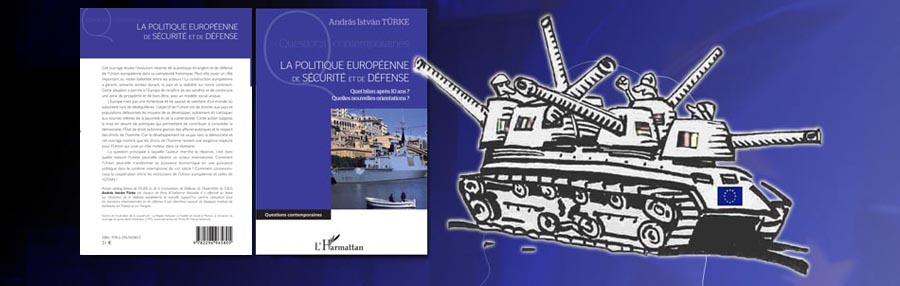
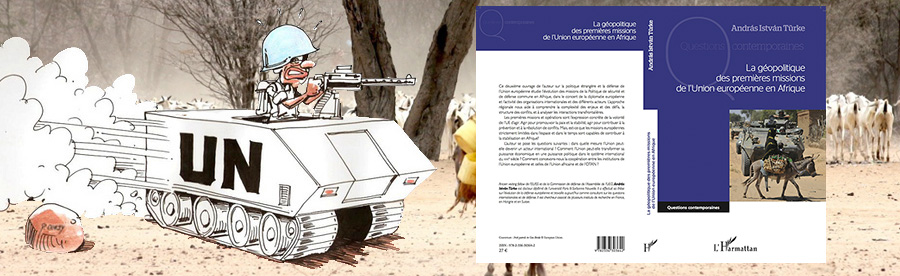
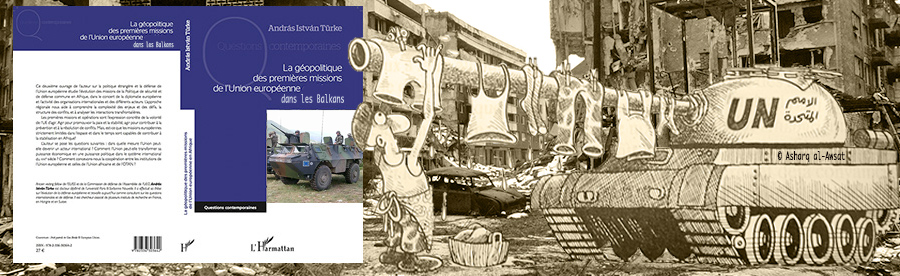
We are looking for sponsors for the English translation of these books, please contact turkeandras(at)gmail(dot)com