
You are here
Feed aggregator
Le commissaire Magnus Brunner appelle les ministres de l’UE à discuter de la répartition de la charge migratoire
Le commissaire européen aux Migrations, Magnus Brunner, a convoqué les États membres le mois prochain pour une réunion informelle afin de discuter du futur mécanisme de solidarité envisagé dans le cadre du Pacte européen sur les migrations.
The post Le commissaire Magnus Brunner appelle les ministres de l’UE à discuter de la répartition de la charge migratoire appeared first on Euractiv FR.
Vaccins, dépistages… Quand les pharmaciens empiètent sur le travail des médecins
Un récent rapport met en lumière l’élargissement du rôle des pharmaciens, qui offrent désormais une gamme étendue de services de santé au‑delà de la simple délivrance de médicaments. Cette évolution suscite des inquiétudes parmi les médecins.
The post Vaccins, dépistages… Quand les pharmaciens empiètent sur le travail des médecins appeared first on Euractiv FR.
Stellungnahme zu dem Gesamthaushaltsplan der Europäischen Union für das Haushaltsjahr 2026 – alle Einzelpläne - PE776.850v01-00
Stellungnahme zu dem Gesamthaushaltsplan der Europäischen Union für das Haushaltsjahr 2026 – alle Einzelpläne
Ausschuss für Sicherheit und Verteidigung
Marie-Agnes Strack-Zimmermann
Quelle : © Europäische Union, 2025 - EP
Ausschuss für Sicherheit und Verteidigung
Marie-Agnes Strack-Zimmermann
Quelle : © Europäische Union, 2025 - EP
Categories: Europäische Union, European Union
Women, Peace, and Leadership Symposium on Women’s Leadership for International Peace and Security
Event Video
Photos
Photos

jQuery(document).ready(function($){$("#isloaderfor-okgpqe").fadeOut(300, function () { $(".pagwrap-okgpqe").fadeIn(300);});});
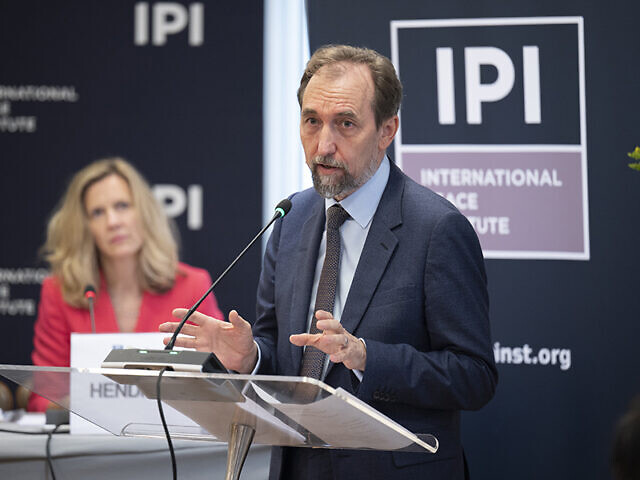
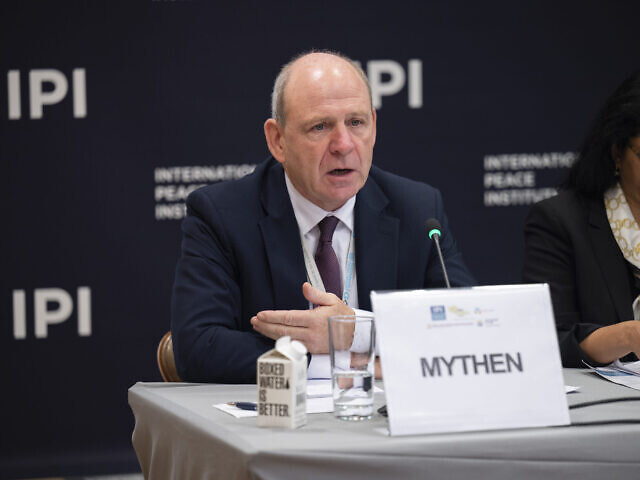
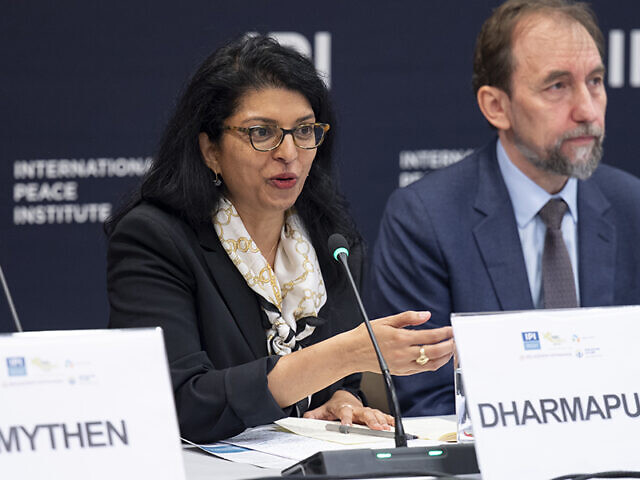
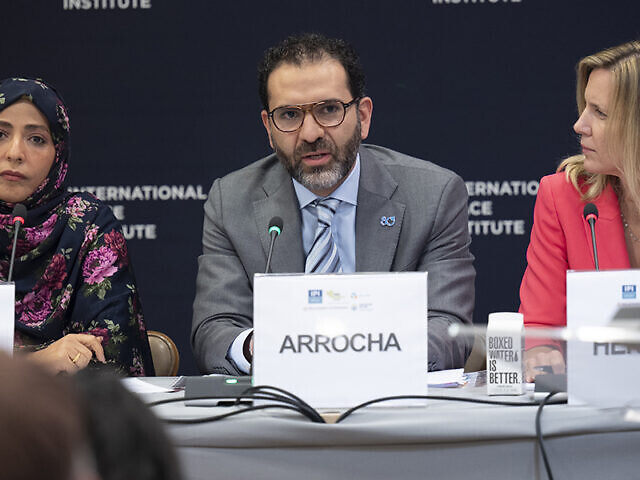
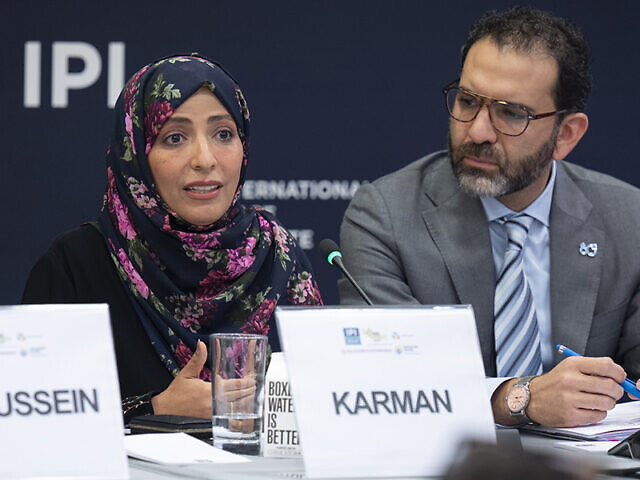
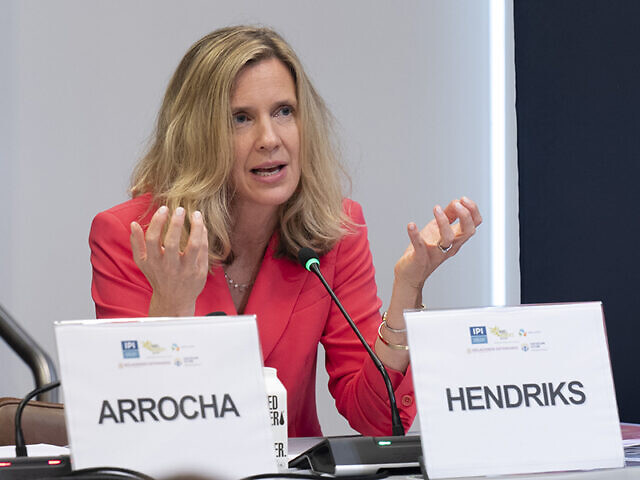
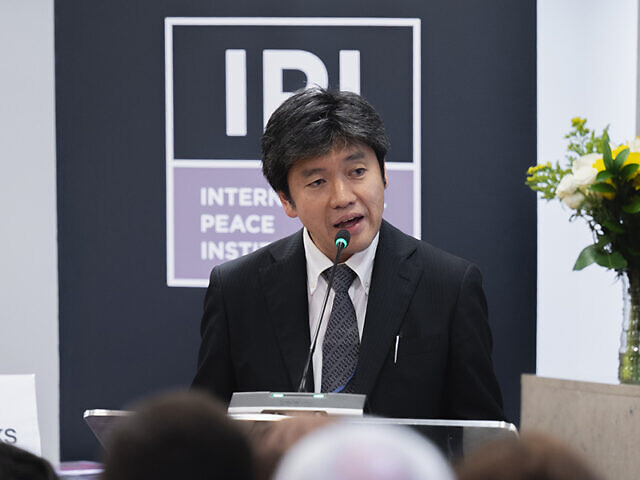
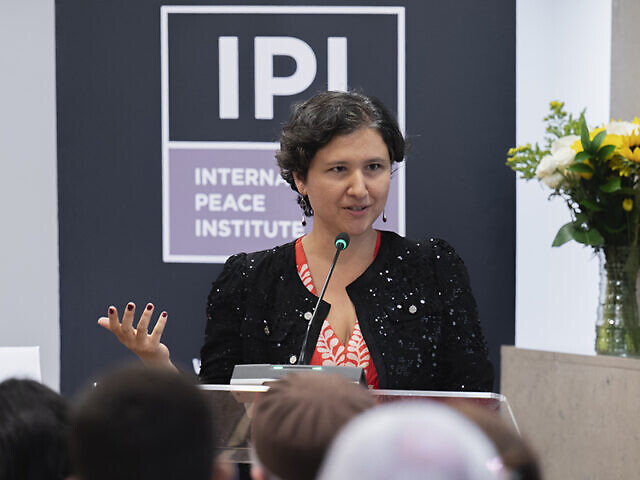
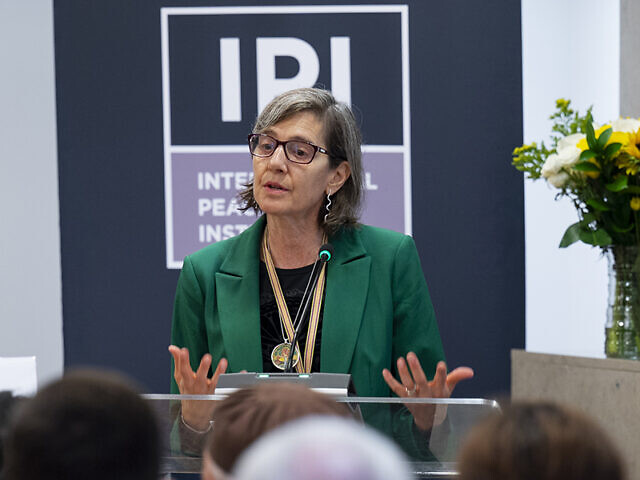
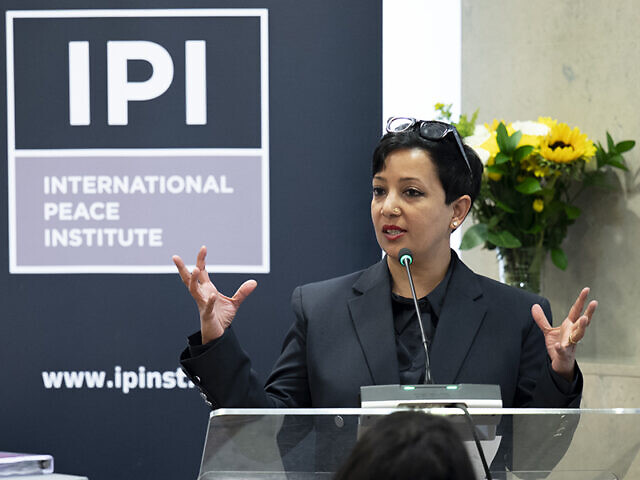
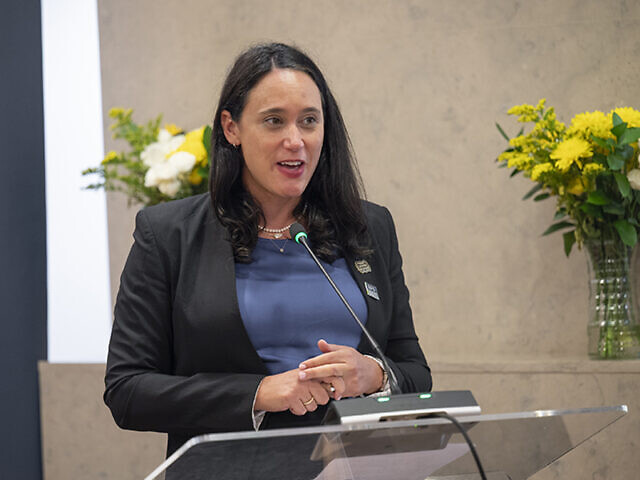
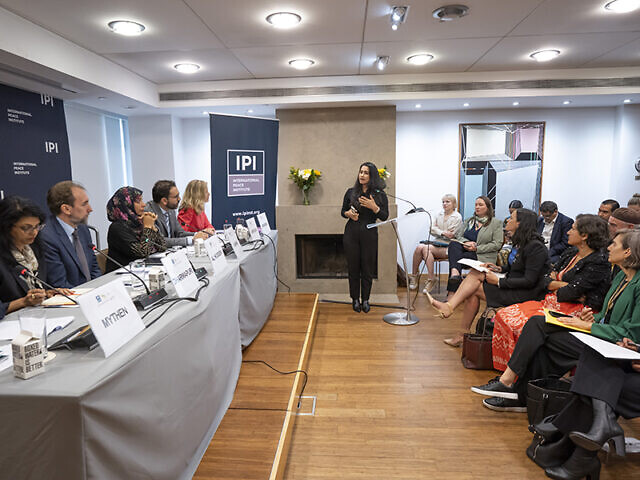
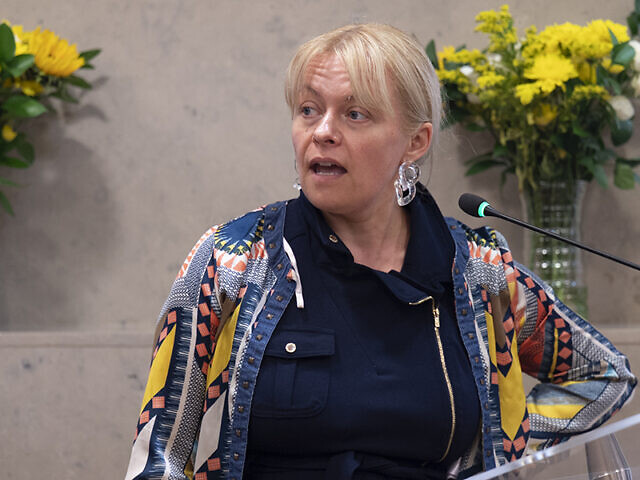
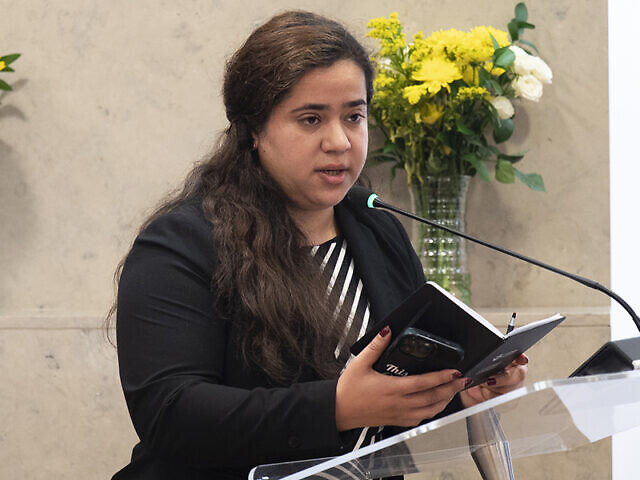
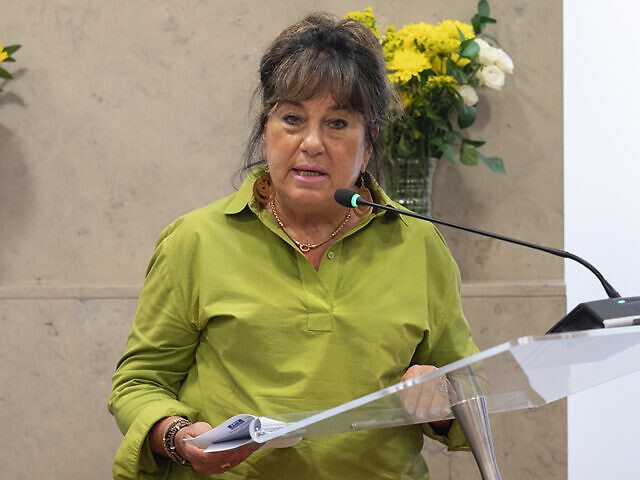
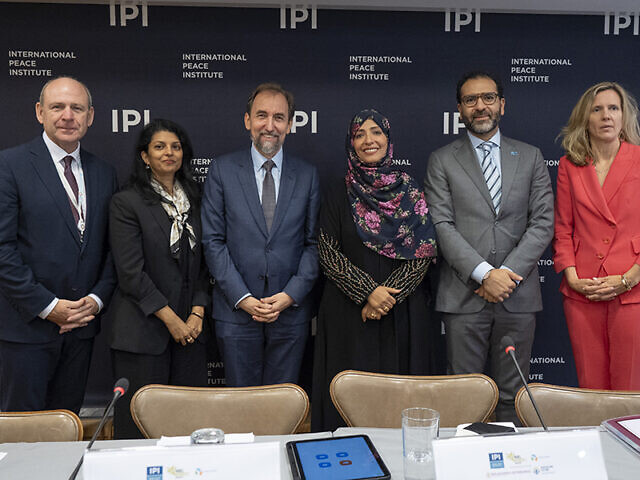
IPI together with the Permanent Mission of Ireland to the United Nations, and the Secretary of Foreign Affairs of Mexico, in partnership with Our Secure Future and the Nobel Women’s Initiative, cohosted the annual “Women, Peace, and Leadership Symposium on Women’s Leadership for International Peace and Security” on September 24th. Now in its eighth year, this symposium aims to ensure that WPS is not only discussed within the UN Security Council during “WPS week” in October but is also integrated into broader high-level discussions at the UN.
This year, the Women, Peace, and Leadership Symposium returns to the foundation of the series and focuses on women’s leadership in international peace and security. The discussion examined women’s leadership in formal political spaces, within conflict settings, at the community level, and in areas that are crucial to international peace and security, including technology. While this event highlighted innovations and successes in women’s leadership, the conversation encouraged people of all genders to fight these barriers and be accountable to international obligations to increase women’s participation.
Opening Remarks:
Hiroyuki Saruhashi, Director, Gender Mainstreaming Division at Ministry of Foreign Affairs, Japan
Speakers:
H.E. Fergal Mythen, Permanent Representative of Ireland to the United Nations
Sahana Dharmapuri, Vice President of Our Secure Future and Vice President of the PAX sapiens Foundation
Pablo Arrocha, Legal Advisor, Mexico Ministry of Foreign Affairs
Tawakkol Karman, Nobel Peace Prize laureate
Sarah Hendriks, Director of Policy, Programme, and Intergovernmental Support Division (PPID), UN Women
Moderator:
Zeid Ra’ad Al Hussein, President and CEO, International Peace Institute
Closing Remarks:
Phoebe Donnelly, IPI Senior Fellow and Head of Women, Peace, and Security
The post Women, Peace, and Leadership Symposium on Women’s Leadership for International Peace and Security appeared first on International Peace Institute.
Categories: Afrique, Diplomacy & Defense Think Tank News
Sino-Pakistan partnership under the China-Pakistan economic corridor and the burden of expectations
This book has come up with the most up-to-date, comprehensive and objective analysis of China’s investments in Pakistan under the China-Pakistan Economic Corridor, a flagship project of the Belt and Road Initiative. It covers the broad range of Sino-Pakistan relations in the backdrop of Pakistan’s complex political, governance, security, socio-environmental and technological challenges that hinder implementation of CPEC projects.
Categories: Afrique, Diplomacy & Defense Think Tank News
Les États de l’UE freinent l’ambition d’Ursula von der Leyen concernant les retours de migrants
Les capitales européennes ont considérablement affaibli le projet phare de la Commission sur les retours de migrants. Elles rejettent notamment l’idée d’un système commun contraignant, optant pour un contrôle national accru et une plus grande marge d’appréciation pour les expulsions.
The post Les États de l’UE freinent l’ambition d’Ursula von der Leyen concernant les retours de migrants appeared first on Euractiv FR.
Migration irrégulière vers les côtes espagnoles : Les drames se poursuivent, les départs et arrivées en baisse
Malgré les nombreuses initiatives de l’État, des organisations internationales et des ONG, des jeunes sénégalais continuent toujours de risquer leur vie en mer, en tentant de rejoindre les côtes européennes via les îles Canaries.
Categories: Afrique
Video einer Ausschusssitzung - Mittwoch, 24. September 2025 - 08:30 - Ausschuss für auswärtige Angelegenheiten - Haushaltsausschuss - Entwicklungsausschuss
Dauer des Videos : 90'
Haftungsausschluss : Die Verdolmetschung der Debatten soll die Kommunikation erleichtern, sie stellt jedoch keine authentische Aufzeichnung der Debatten dar. Authentisch sind nur die Originalfassungen der Reden bzw. ihre überprüften schriftlichen Übersetzungen.
Quelle : © Europäische Union, 2025 - EP
Categories: Europäische Union
General budget of the European Union for the financial year 2026 - all sections - PE776.822v03-00
General budget of the European Union for the financial year 2026 - all sections
Ausschuss für auswärtige Angelegenheiten
Michael Gahler
Quelle : © Europäische Union, 2025 - EP
Ausschuss für auswärtige Angelegenheiten
Michael Gahler
Quelle : © Europäische Union, 2025 - EP
Categories: Europäische Union
Accident ferroviaire en Grèce : après le blocage des exhumations, les familles accusent la justice de couvrir un scandale
La pression monte sur les autorités grecques pour autoriser l’exhumation des victimes d’un accident ferroviaire de 2023. Leurs parents, qui accusent le système judiciaire et le gouvernement de dissimuler la véritable cause de la tragédie, demandent désormais l’aide de l’UE.
The post Accident ferroviaire en Grèce : après le blocage des exhumations, les familles accusent la justice de couvrir un scandale appeared first on Euractiv FR.
Video einer Ausschusssitzung - Mittwoch, 24. September 2025 - 08:45 - Ausschuss für Sicherheit und Verteidigung
Dauer des Videos : 60'
Haftungsausschluss : Die Verdolmetschung der Debatten soll die Kommunikation erleichtern, sie stellt jedoch keine authentische Aufzeichnung der Debatten dar. Authentisch sind nur die Originalfassungen der Reden bzw. ihre überprüften schriftlichen Übersetzungen.
Quelle : © Europäische Union, 2025 - EP
Categories: Europäische Union, European Union
L’Allemagne dévoile son budget 2026 avec un emprunt record et un déficit imminent
Le gouvernement allemand a présenté son budget 2026 au Bundestag. Il prévoit des emprunts historiques pour financer 126,7 milliards d’euros de nouveaux investissements dans les infrastructures, les transports, les écoles et d’autres grands projets, et met en garde contre un déficit de 30 milliards d’euros pour 2027.
The post L’Allemagne dévoile son budget 2026 avec un emprunt record et un déficit imminent appeared first on Euractiv FR.
ENTWURF EINES BERICHTS zur Umsetzung der Gemeinsamen Außen- und Sicherheitspolitik – Jahresbericht 2025 - PE776.921v01-00
ENTWURF EINES BERICHTS zur Umsetzung der Gemeinsamen Außen- und Sicherheitspolitik – Jahresbericht 2025
Ausschuss für auswärtige Angelegenheiten
David McAllister
Quelle : © Europäische Union, 2025 - EP
Ausschuss für auswärtige Angelegenheiten
David McAllister
Quelle : © Europäische Union, 2025 - EP
Categories: Europäische Union
Saving the Ocean – Act Now!
It is time to shine a spotlight on small island nations in different parts of the world, argues James Alix Michel, former President Republic of Seychelles.
By James Alix Michel
VICTORIA, Sep 24 2025 (IPS)
Like so many problems besetting the world, the existential threats facing small island states are all too obvious. Island nations are surrounded by the sea, and they depend on it for their livelihood and for their security. The sheer power of the sea can never be tamed but islanders have learnt to work with it and in doing so, there has always been a productive balance. But this balance, however, has been cast aside – the relationship has broken down. Our mighty ocean is in poor shape.
The Ocean has been wilfully exploited by the world, in the name of ‘progress’. And it is now hitting back. We are all too familiar with related issues of rising sea levels, overfishing, the polluting effects of shipping, seabed mining, acidification and the destruction of marine ecosystems. And the list goes on. The question now is what can be done about it. Or is it too late?
The world’s superpowers are more preoccupied in their own competition for primacy, middle-ranking powers scrambling to catch up with those above them and small island states, who are not blameless, with all too many examples of harmful development.
James Alix Michel
Sadly, we are running out of options. Various international institutions responsible for driving solutions have become overly bureaucratic and subject to partisan interests, which in turn slows down progress in conservation and sustainability efforts. The United Nations—once everyone’s hope in averting international crisis—is in many ways failing to deliver. There is no magic wand to be waved in that forum. But some people do care, and young people especially. If a top-down approach has not worked, can we even now do more to activate change from the bottom up? This is probably our best hope of reversing the downward trend. So how would we do it?
Firstly, at the individual and community level, focus on promoting sustainable practices that reduces pollution, reduces carbon footprints, restores habitats and increases ocean literacy. These grassroots actions will drive change from the ground-up, opening doors to influence policy.
Secondly, grow local action. There are already some wonderful initiatives around the world. And they really do make a difference – protecting marine breeding grounds, restoring coral reefs, replanting mangrove and coastal coconut plantations, creating green coastal defences. But these are not enough. Multiply the number of projects not by measly single figures but by a hundred!
Thirdly, make our political systems more responsive. Leaders are too often elected with manifestos that are quickly forgotten. Lest we forget that leaders must prioritize the ocean because it is fundamental to human health, planetary stability, and economic prosperity. Ignoring ocean health would worsen, if not trigger, severe climate impacts leading to economic instability, making its protection a matter of human survival and sustainable development.
Next, use the media effectively to shine a spotlight on small island nations in different parts of the world. Show the state of the ocean now but also show what is being done locally to stop the rot. Point out that tourists can themselves act as a force for change by supporting local economies, raising awareness for marine health, reducing their own impact and directly participating in conservation actions. When done right, marine tourism can become one of the most powerful tools for ocean conservation and restoration.
Lastly, a high-profile competition in which all small island states present their own bottom-up plans. This would be not only a matter of status and prestige but also material benefit in attracting further investment. It would soon become evident which are doing the most to save the ocean and which are not. Those in the latter category would then be encouraged to adopt some of the winning ways.
Notably, Sustainable Development Goal 14, which focuses on life below water, remains the least funded among all SDGs due to Ocean health being seen as a less immediate or tangible priority compared to other issues, despite its critical role in supporting life on Earth. Yet, high profile events such as The Monaco Ocean Protection Challenge and other high profile initiatives are continuously encouraging creative expression from the youth and attracting political and industry leaders to support innovative and powerful solutions to save the Ocean.
The fact is that it would be all too easy to throw in the towel. Things have deteriorated so much, but it is never too late to fight back. The stakes in this case are too high to dismiss. Saving the ocean should not be a mere slogan. We need to be able to see its manifestation in the sea. Act now!
IPS UN Bureau Report
Follow @IPSNewsUNBureau
!function(d,s,id){var js,fjs=d.getElementsByTagName(s)[0],p=/^http:/.test(d.location)?'http':'https';if(!d.getElementById(id)){js=d.createElement(s);js.id=id;js.src=p+'://platform.twitter.com/widgets.js';fjs.parentNode.insertBefore(js,fjs);}}(document, 'script', 'twitter-wjs');
Excerpt:
James Alix Michel, Former President of the Republic of Seychelles, argues that the key to saving the ocean may be found in a bottom-up approach—sustainable practices, growing local action and making elected officials accountable.
Categories: Africa, European Union
Latest news - AFET committee meetings - Committee on Foreign Affairs
Next AFET committee meeting will be held on:
- Thursday, 16 October, Brussels
Meetings are webstreamed with the exception of agenda items held "in camera".
AFET - DROI calendar of meetings 2025
Meeting documents
Webstreaming
Source : © European Union, 2025 - EP
Categories: Europäische Union
Report de la loi anti-déforestation de l’UE : failles techniques ou recul politique face à Washington ?
Bruxelles a choisi de reporter — une fois de plus — l’application de sa loi interdisant les importations ayant causé de la déforestation. Officiellement, cette décision serait due à des dysfonctionnements techniques dans la plateforme informatique prévue pour contrôler les chaînes d’approvisionnement. Mais pour certains, il s’agirait plutôt d’un choix politique.
The post Report de la loi anti-déforestation de l’UE : failles techniques ou recul politique face à Washington ? appeared first on Euractiv FR.
Video einer Ausschusssitzung - Mittwoch, 24. September 2025 - 08:00 - Ausschuss für auswärtige Angelegenheiten - Entwicklungsausschuss
Dauer des Videos : 30'
Haftungsausschluss : Die Verdolmetschung der Debatten soll die Kommunikation erleichtern, sie stellt jedoch keine authentische Aufzeichnung der Debatten dar. Authentisch sind nur die Originalfassungen der Reden bzw. ihre überprüften schriftlichen Übersetzungen.
Quelle : © Europäische Union, 2025 - EP
Categories: Europäische Union
En Roumanie, la galère et les souffrances des internes en médecine
La Roumanie a beau former des médecins à la pelle, les candidats au départ ne baissent pas. Le décès de deux internes nous en apprend un peu plus sur les conditions de travail des futurs praticiens durant leur période d'internat, que tous endurent comme un calvaire.
- Articles / Roumanie corruption, Exode, Roumanie, Courrier des Balkans, Santé, SociétéPages
the old site is here


© 2012-2015 Europa Varietas Foundation © 2015-2020 Europa Varietas Association
www.europavarietas.org | info(@)europavarietas(dot)org | Switzerland
This is a GDPR ready site
We are looking for sponsors for the English translation of these books, please contact turkeandras(at)gmail(dot)com