
You are here
Feed aggregator
Remarks by President António Costa at the press conference following the Tripartite Social Summit
Remarks by President António Costa at the press conference following the Tripartite Social Summit on 14 October 2026.
Categories: Európai Unió : hírek magyarul, Swiss News
Main messages from the Tripartite Social Summit of 14 October 2026
EU leaders and social partners met in Brussels for the Tripartite Social Summit, a twice-yearly forum for dialogue that brings together the leaders of the EU institutions and the European social partners. Today’s discussion focused on ‘Driving Europe Forward’.
Categories: Biztonságpolitika, European Union
Remarks by President António Costa at the press conference following the Tripartite Social Summit
Remarks by President António Costa at the press conference following the Tripartite Social Summit on 14 October 2026.
Categories: Biztonságpolitika, European Union
Main messages from the Tripartite Social Summit of 14 October 2026
EU leaders and social partners met in Brussels for the Tripartite Social Summit, a twice-yearly forum for dialogue that brings together the leaders of the EU institutions and the European social partners. Today’s discussion focused on ‘Driving Europe Forward’.
Categories: Biztonságpolitika, Europäische Union
Remarks by President António Costa at the press conference following the Tripartite Social Summit
Remarks by President António Costa at the press conference following the Tripartite Social Summit on 14 October 2026.
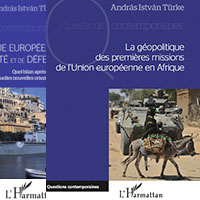
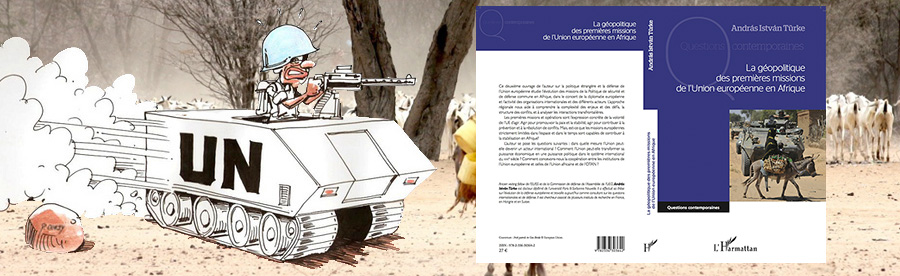
Categories: Afrique, Europäische Union
Zwei weitere Flydubai-Piloten werden verhört
Nach dem vereitelten Anschlag auf einen Flydubai-Flug von Dubai nach Tel Aviv haben die VAE zwei weitere Piloten zum Verhör vorgeladen. Der beschuldigte Copilot Hamam Al-Hammami soll zuvor ausgesagt haben, alleine gehandelt zu haben.
Categories: Swiss News
«Dieser Anblick war schlimm»
Zwei Personen kletterten aufs Brauerei-Dach und stürzten durch die Oberlichtkuppel – mit tödlichen Folgen. Alt Nationalrat und Einsiedler-Bier-Boss Alois Gmür (71) ist im Schock.
Categories: Swiss News
«War hart, das mitanzusehen zu müssen»
Während neben der Einsiedler Brauerei Rosengarten über tausend Gäste feierten, stürzten zwei Menschen durch eine Oberlichtkuppel ins Getränkelager. Eine 22-jährige Frau erlag Tage später ihren Verletzungen. Nun spricht der Mitinhaber der Brauerei, Alois Gmür, über den tödlichen Unfall.
Categories: Swiss News
Un ultimatum de 48h donné aux stations-services pour résorber la pénurie
Les distributeurs de produits pétroliers ont jusqu'au vendredi 16 octobre pour rétablir un approvisionnement normal des stations-services au Bénin. Cette exigence a été formulée mercredi 14 octobre, à l'issue d'une réunion d'urgence convoquée par le ministère du Commerce, alors que les difficultés d'accès au carburant alimentent les files d'attente, particulièrement dans le septentrion.
Face aux longues files d'attente dans les stations-services, notamment dans le nord du Bénin, le gouvernement exige un rétablissement rapide de la distribution des hydrocarbures. Un ultimatum de 48 heures a été donné aux acteurs pétroliers pour résorber la pénurie.
L'annonce a été faite, mercredi 14 octobre 2026, à l'issue d'une réunion d'urgence avec les distributeurs pétroliers.
Présidée par Laurent Akpo, directeur de cabinet de la ministre Shadiya Alimatou Assouman, en présence du directeur général des Dépôts pétroliers du Bénin (DPB), Sosthène Mesmin Hounsou, la rencontre a réuni les acteurs de la chaîne d'approvisionnement.
Pour y parvenir, les sociétés pétrolières et les gestionnaires de stations sont appelés à renforcer leurs moyens logistiques et à accélérer le remplissage des cuves, en fonction des besoins des consommateurs.

De son côté, l'administration promet de réduire les lenteurs dans le traitement des formalités nécessaires à l'acheminement du carburant, afin de faciliter la circulation des camions-citernes.
Le marché parallèle dans le viseur du gouvernement
Le ministère du Commerce Intérieur, en charge de la formalisation de l'économie entend également renforcer les contrôles contre les ventes clandestines de carburant.
Lors de la réunion, le directeur de cabinet a dénoncé des opérations nocturnes au cours desquelles certains pompistes rempliraient clandestinement des bidons jaunes en grande quantité pour alimenter le marché informel.

Ces détournements présumés privent les automobilistes et les motocyclistes d'une partie des stocks disponibles, tout en favorisant la revente du carburant en dehors du circuit réglementé.
Un dispositif de surveillance renforcée a ainsi été annoncé. Les responsables de stations et les employés impliqués dans de telles pratiques s'exposent à des sanctions conformément à la législation en vigueur.
M. M.
Categories: Afrique, Balkan News
Emotionaler England-Award für Schweizer Red-Bull-Juniorin
Nicht das Saisonfinale, sondern eine Abstimmung der Teamchefs bringt Chiara Bättig eine besondere Auszeichnung: Die Red-Bull-Juniorin erhält nach ihrem ersten Jahr in der britischen Formel 4 den Jake Cook Memorial Award.
Categories: Swiss News
Schweizer Motorsport-Juwel Bättig stellt sich vor
Die grosse Schweizer Motorsport-Hoffnung Chiara Bättig stellt sich vor.
Categories: Swiss News
Bättig rast bei F1-Academy-Debüt im Juli gleich auf die Pole Position
Im Juli konnte das grosse Schweizer Motorsport-Talent Chiara Bättig erstmals Luft in der Formel-1-Academy schnuppern. In Silverstone sorgt sie dann auch gleich für Furore. Im Qualifying holt sich die 16-Jährige, als jüngste Fahrerin überhaupt, die Pole Position.
Categories: Swiss News
Wallis Zoumarou renonce au poste de chargé de mission du président
L'ancien député, Wallis Zoumarou, a renoncé à sa nomination au poste de chargé de mission du président de l'Assemblée nationale. Il a fait part de sa décision au président du parti Bloc Républicain (BR) sa formation politique dans une correspondance datée du 10 octobre 2026.
Nommé parmi les 13 chargés de mission du président de l'Assemblée nationale, à la suite d'une décision rendue publique le 7 octobre 2026, Wallis Zoumarou a choisi de renoncer à cette fonction. Dans sa correspondance, il a justifié sa décision par plusieurs motifs.
Selon les informations rapportées par La Nation, le coordonnateur du Bloc républicain dans la 13ᵉ circonscription électorale s'interroge notamment sur les raisons de son éviction du Conseil économique et social (CES) départemental de la Donga, où il occupait les fonctions de coordonnateur.
Il déplore également n'avoir fait l'objet d'aucune consultation préalable de la part de son parti avant sa nomination. Par ailleurs, il estime que ses responsabilités actuelles au sein du BR, ainsi que sa loyauté, sa fidélité et son dévouement à la formation politique, n'auraient pas été suffisamment pris en compte dans cette décision.
Malgré son refus du poste, Wallis Zoumarou a réaffirmé son engagement à poursuivre son action en faveur du Bloc républicain et à contribuer à son développement.
F. A. A.
Categories: Afrique, Balkan News
Aviation : l’Algérie devient le 1er client mondial de l’US Cessna SkyCourier
Tassili Travail Aérien (TTA) , la filiale aérienne du groupe Sonatrach, vient de boucler les opérations de réception technique en usine de deux appareils Cessna […]
L’article Aviation : l’Algérie devient le 1er client mondial de l’US Cessna SkyCourier est apparu en premier sur .
Categories: Afrique, Swiss News
« Dépister tôt, le cancer de sein se soigne beaucoup mieux » (Dr Juvénal HONVOU)
À l'occasion d'Octobre Rose, mois de sensibilisation au cancer du sein, 24 Heures au Bénin donne la parole à un spécialiste pour mieux comprendre les facteurs de risque de cette maladie, reconnaître ses signes d'alerte et connaître les moyens de dépistage. Entretien avec Dr Juvénal HONVOU, Médecin Santé Publique, Chargé du Projet SUCCESS (financé par Unitaid et Expertise France pour renforcer la prévention du cancer du col de l'utérus).
Quels sont les principaux facteurs de risque du cancer du sein ?
Nous avons des facteurs de risques modifiables et des facteurs de risques non modifiables. Le premier, c'est d'être une femme et être âgée de plus de 50 ans. Mais chez nous au Bénin, il faut nuancer tout de suite. Les données béninoises montrent que 02 patientes sur 03 ont moins de 50 ans au moment du diagnostic.
Ensuite, nous avons les facteurs génétiques. Le risque augmente si une mère ou une sœur a eu un cancer du sein, surtout jeune. C'est la même chose si plusieurs cancers du sein, de l'ovaire, du pancréas ou de la prostate sont survenus dans la même branche de la famille. Les femmes déjà soignées pour un cancer du sein ont plus de risque de développer un cancer sur l'autre sein.
Enfin, les facteurs modifiables sont le surpoids, la sédentarité, l'alcool, le tabac, et l'exposition excessive au stress.
Mais, je le dis souvent lors des campagnes : beaucoup de femmes malades n'avaient aucun de ces facteurs. Ne pas en avoir ne veut pas dire être protégée.
Quels sont les signes qui doivent alerter une femme et l'amener à consulter rapidement ?
La boule dans le sein ou sous l'aisselle, tout le monde la connaît. Il y a pourtant d'autres signes : un mamelon qui rentre, une peau qui se creuse ou qui ressemble à une peau d'orange, un écoulement de sang par le mamelon, un sein qui change de forme, une petite plaie sur le mamelon qui ne guérit pas, une douleur précise qui persiste.
Il y a aussi un point que je veux bien souligner. Au début, un cancer du sein ne fait presque jamais mal. Attendre la douleur, c'est perdre un temps précieux.
Quels sont les gestes que les femmes peuvent adopter au quotidien pour prévenir le cancer du sein et favoriser une détection précoce ?
Le premier geste est de connaître ses seins. Il ne s'agit pas d'appliquer une technique compliquée chaque mois. Il s'agit de savoir à quoi vos seins ressemblent d'habitude, pour remarquer sans tarder qu'un changement est apparu. Ce n'est pas un dépistage en soi, mais c'est ce qui pousse à consulter tôt.
Ensuite, il faut profiter de chaque passage au centre de santé ou à la maternité pour demander un examen des seins par un professionnel de santé.
A ces conseils, nous ajoutons les règles de prévention des maladies non transmissibles : 0 Alcool, 0 Tabac, 5 portions de fruits et légumes par jour, 30 minutes d'activités physiques par jour, mangez peu salé, peu sucré, peu gras.
À partir de quel âge et à quelle fréquence une femme devrait-elle effectuer un dépistage du cancer du sein, notamment par mammographie ?
Au Bénin, le référentiel national a été adapté à notre réalité, puisque nos patientes sont plus jeunes qu'en Europe. Il propose de commencer dès 35 ans, avec une échographie mammaire chaque année, parfois associée à une mammographie tous les deux ans. À partir de 50 ans, la mammographie tous les deux ans devient la règle.
Les femmes à risque familial ou génétique élevé ont un suivi à part : il commence plus tôt. Leur suivi est plus rapproché et il est coordonné par des spécialistes.
Avant 35 ans, sans symptôme ni antécédent, on ne fait pas d'examens systématiques. Mais au moindre signe, on consulte, quel que soit l'âge.
En cas de découverte d'une grosseur ou d'un autre signe suspect, quels sont les premiers gestes à faire et surtout quelles erreurs faut-il éviter ?
Elle doit consulter rapidement. Nous visons un délai de deux semaines au maximum. Le soignant l'examine puis demande une échographie mammaire et/ou une mammographie. Si l'image est suspecte, on fait une biopsie, c'est-à-dire un petit prélèvement à l'aiguille. C'est le seul moyen d'avoir une certitude. Et je rappelle que la plupart des boules ne sont pas des cancers.
Les erreurs à éviter et qui reviennent dans toutes nos enquêtes de terrain sont :
– Attendre que ça fasse mal ;
– Se croire trop jeune ;
– Commencer par des remèdes à la maison ;
– Avoir peur de la biopsie alors qu'elle n'aggrave pas la maladie ;
– Se faire opérer sans analyse préalable ;
– Faire les examens et ne jamais revenir chercher les résultats.
L'objectif national est clair : qu'une femme ait son diagnostic complet en moins de deux mois après son premier contact avec le système de santé.
Quel message essentiel adresseriez-vous aux femmes béninoises à l'occasion d'Octobre Rose pour les encourager à se faire dépister et à consulter sans attendre ?
Le cancer du sein est le premier cancer de la femme au Bénin. On estime à plus de 2 000 le nombre de nouveaux cas chaque année, et environ la moitié de ces femmes en meurent. Dans le registre de Cotonou, 03 patientes sur 04 étaient diagnostiquées à un stade avancé. Ces chiffres, nous pouvons les faire baisser. Dépister tôt, ce cancer se soigne beaucoup mieux.
Alors, mesdames, n'ayez ni honte ni peur. Au moindre changement, consultez. Acceptez le dépistage quand il vous est proposé. Octobre est rose, mais la santé de vos seins compte toute l'année.
Categories: Afrique, Europäische Union
3 postes à pourvoir à l'Agence béninoise pour le Télé-Enseignement
L'Agence béninoise pour le Télé-Enseignement (AbT-E) recrute pour trois postes en contrat à durée déterminée de deux ans renouvelables. Les candidatures sont ouvertes aux profils de directeur de la pédagogie et des contenus numériques, de personne chargée de la comptabilité et des Finances et d'agent de liaison. Les dossiers doivent être soumis par courriel au plus tard le 25 octobre 2026 à 23h59.
Categories: Afrique, Europäische Union
SCB-Stürmer erhält Strafe für Vortäuschen eines Fouls
In den Augen der Liga hat sich SCB-Stürmer Tristan Scherwey gegen Biel zu theatralisch fallen lassen und wird deshalb gebüsst. Zur Kasse gebeten werden auch zwei Spieler der SCL Tigers.
Categories: Swiss News
Loto Star 14 H : les numéros gagnants
Je LES RÉSULTATS DOUBLE CHANCE SONT LÀ !
LOTO STAR Tirage N°123/26
Mercredi 14 Octobre 2026 (14H)
– Zone A (5 premiers numéros) :
50 • 74 • 21 • 45 • 86
– Zone B (5 derniers numéros) :
54 • 15 • 87 • 33 • 70

Félicitations aux heureux gagnants.
Pas encore cette fois ? Gardez le sourire !
Rendez-vous à 18H pour le prochain tirage.
Jouez avec modération et responsabilité. Le jeu doit rester un plaisir.
A TOI DE JOUER #Akaxòa
#LNBSA #XòGbɔnAlɔkpaVo #JeuResponsable #LaChanceAvecModération
Categories: Afrique, Europäische Union
Hackerangriff auf Schweizer Onlinehändler – Daten von 115'000 Kunden möglicherweise gestohlen
Der Schweizer Onlinehändler Offerz wurde Opfer eines Hackerangriffs. Unbekannte verschafften sich Zugriff auf sensible Daten von rund 115'000 Kunden. Der Angriff blieb über einen Tag lang unbemerkt. Das Unternehmen räumt Sicherheitsfehler ein.
Categories: Swiss News
Das steckt hinter der Trennung von Yann und Alina Sommer
Aus und vorbei nach sieben Jahren Ehe: Ex-Nati-Star Yann Sommer und seine Frau Alina haben sich getrennt. Während sie mit den Kindern bereits im März zurück nach Deutschland gezogen ist, geniesst der Goalie sein neues Leben als Junggeselle in Brügge.
Categories: Swiss News
Pages
the old site is here


© 2012-2015 Europa Varietas Foundation © 2015-2020 Europa Varietas Association
www.europavarietas.org | info(@)europavarietas(dot)org | Switzerland
This is a GDPR ready site



We are looking for sponsors for the English translation of these books, please contact turkeandras(at)gmail(dot)com