
You are here
Afrique
Le Sénégal choisit l’expertise algérienne pour développer son industrie pétrolière
Le ministre d’État, ministre des Hydrocarbures, Mohamed Arkab, a reçu ce dimanche à Alger le ministre de l’Intégration africaine, des Affaires étrangères et des Sénégalais […]
L’article Le Sénégal choisit l’expertise algérienne pour développer son industrie pétrolière est apparu en premier sur .
Categories: Afrique, Union européenne
Maroc-Amicale-Bénin salue le leadership du Roi Mohammed VI pour les partenariats Sud-Sud
En prélude à la célébration du 27e anniversaire de l'accession au Trône de Sa Majesté le Roi Mohammed VI, l'Amicale des anciens étudiants et stagiaires béninois au Maroc dénommée Maroc-Amicale-Bénin (MAB), a organisé une conférence, samedi 25 juillet 2026, à l'hôtel Azalaï de Cotonou. La rencontre placée sous le thème « Le Maroc sous Sa Majesté Mohammed VI : Leadership continental et consolidation des partenariats sud-sud », a été rehaussée par la présence de Son Excellence Monsieur, Rachid Rguibi, ambassadeur extraordinaire et plénipotentiaire du Royaume du Maroc au Bénin.
L'Amicale des anciens étudiants et stagiaires béninois au Maroc donne le top des activités marquant le 27e anniversaire de l'accession au Trône de Sa Majesté le Roi Mohammed VI. Une conférence a été organisée dans ce cadre ce samedi 25 juillet 2026 à l'hôtel Azalaï Cotonou en collaboration avec l'Ambassadeur de Sa Majesté le Roi.
A cette occasion, la présidente du MAB a salué les relations de coopération fondées sur le respect mutuel et la solidarité qu'entretiennent le Maroc et le Bénin. Cette coopération selon Ghislaine Planta, se traduit dans les secteurs tels que l'agriculture, à travers le transfert de savoir-faire et d'intrants ; dans le domaine de la santé, avec l'accueil des patients béninois et la formation de personnel médical ; et le secteur de l'économie, à travers la présence des investisseurs marocains au Bénin.
Cette vision panafricaine de Sa Majesté, a-t-elle relevé, fait du Maroc « un partenaire stratégique pour le Bénin, et montre la voie d'une Afrique qui se construit par elle-même, avec ses propres fils ».
Après avoir fait ses hommages au Souverain marocain pour sa vision panafricaine et la générosité de son Royaume envers le Bénin, la présidente de MAB a réitéré l'engagement de l'Amicale à « être un acteur actif de cette diplomatie des peuples » et contribuer au rayonnement des relations entre les deux nations.

L'Ambassadeur du Roi et Doyen du Corps Diplomatique, Rachid Rguibi, a exprimé ses remerciements aux organisateurs de cette rencontre qui a permis d'aborder la place qu'occupe le Royaume du Maroc sur la scène africaine, avec « la contribution déterminante » de Sa Majesté le Roi Mohammed VI, à « l'émergence d'une Afrique plus unie, plus solidaire, et plus confiante de ses propres capacités ».
L'Afrique au cœur des priorités stratégiques du Royaume
Selon SEM. Rachid Rguibi, depuis son accession au Trône de ses « Glorieux Ancêtres », Sa Majesté le Roi a placé l'Afrique au cœur des priorités stratégiques et diplomatiques de son Royaume. « Cette orientation procède d'une conviction profonde. L'Afrique ne constitue pas seulement l'environnement géographique du Maroc, elle représente son appartenance naturelle, sa profondeur historique, son prolongement humain et spirituel, ainsi que son horizon stratégique », a-t-il expliqué, inistant sur la coopération qui d'après lui, repose sur « une approche raisonnablement pragmatique qui ne se limite pas aux déclarations d'intention, mais se traduit par des projets concrets, des investissements productifs, des transferts de compétences et des actions ayant un impact direct sur les populations ».
La coopération sud-sud, a-t-il poursuivi, constitue l'un des fondements essentiels de la politique africaine du Royaume du Maroc. « Sous l'impulsion de sa Majesté le Roi Mohammed VI, le Maroc a fait de cette coopération non pas un simple concept diplomatique, mais un véritable instrument de développement, d'intégration et d'émancipation collective. Dans les hautes orientations royales, la coopération sud-sud ne saurait être réduite à une formule de circonstance. Elle répond à une nécessité historique et stratégique pour les pays en développement », a précisé le diplomate marocain.
SEM. Rachid Rguibi, Ambassadeur du Maroc
Le Doyen du Corps Diplomatique a formulé le vœu que les travaux de la conférence permettent de mieux saisir la profondeur de cette vision royale, d'en apprécier les réalisations et d'ouvrir de nouvelles pistes de réflexion sur l'avenir du partenariat Sud-Sud. Il n'a pas manqué de réitérer ses « sincères remerciements » à l'Amicale pour son dynamisme, et à l'ensemble des membres pour leur attachement à leur deuxième pays, le Maroc, ainsi que leur volonté de constituer « un pont solide entre les peuples béninois et marocains ».
Près de 850 bourses de formation octroyées aux étudiants béninois
Cette conférence selon la représentante du ministre de l'enseignement supérieur et de la recherche scientifique, est l'expression vivante d'une amitié historique, d'une coopération féconde et d'une vision commune qui place l'éducation, la formation et le développement du capital humain, au cœur des priorités. « Les relations entre le Bénin et le Royaume du Maroc constituent aujourd'hui un modèle de coopération sud-sud fondé sur la confiance mutuelle, le respect réciproque et une ambition commune de construire un avenir meilleur pour nos peuples », a souligné Sylvie de Chacus.
Elle a rappelé que dans le domaine de l'enseignement supérieur et de la formation technique, cette coopération a produit des résultats remarquables matérialisée par l'accord cadre relatif à l'octroi de bourses d'études et de stages, signé en mars 2019 à Marrakech. Depuis l'année académique 2018-2019, 844 places de formation ont été offertes aux étudiants béninois dont 253 spécifiquement consacrées aux formations professionnelles.
Mme Sylvie de Chacus, représentante de la ministre de l'enseignement supérieur
Ces chiffres, selon la représentante du ministre de l'enseignement supérieur, ne sont pas de simples statistiques. « Ils traduisent des destins transformés, des compétences développées, des rêves réalisés, et des perspectives nouvelles ouvertes à des centaines de jeunes Béninois.
Sur l'effectif sus indiqué, et après les différentes formalités administratives, 702 candidats ont été définitivement retenus, 533 étudiants ont effectivement rejoint le Royaume de Maroc, et 82 diplômés sont déjà revenus servir leur pays. Les autres diplômés quant à eux, ont été directement recrutés par des entreprises marocaines témoignant ainsi de la qualité des formations dispensées et de leur parfaite adéquation avec les exigences du marché de l'emploi.
« Ces résultats témoignent de l'excellence du système de formation marocain mais également de la pertinence du partenariat qui unit les deux pays. Il démontre surtout que lorsqu'un État investit dans la jeunesse il investit dans son avenir », a expliqué Sylvie de Chacus.
Au vu des actions menées par l'Ambassadeur du Roi, depuis une dizaine d'années pour le renforcement de cette coopération agissante entre le Bénin et le Maroc, et les nombreses actions du Royaume au profit des jeunes Béninois, la représentante du ministre a fait le vœu que SEM. le Doyen du corps diplomatique soit naturalisé Béninois.
MAB, creuset pour les ''ambassadeurs" de la coopération Sud-Sud
S'adressant aux membres des anciens étudiants et stagiaires béninois au Maroc, Sylvie de Chacus a souligné qu'ils représentent bien plus que les bénéficiaires d'un programme de bourse. « Vous êtes les ambassadeurs et les ambassadrices vivants de cette coopération exemplaire. Vous incarnez le succès de l'investissement consenti par nos deux États. À travers vos parcours, vos réussites et votre engagement professionnel, vous inspirez toute une génération de jeunes Béninois qui rêvent, eux aussi d'excellence », a-t-elle souligné exhortant les membres à préserver l'esprit de solidarité qui caractérise leur association.
« Continuez à accompagner vos jeunes frères et sœurs, à partager vos expériences, à les orienter et à leur transmettre les valeurs d'excellence, de discipline, de travail, et de responsabilité qui ont façonné votre réussite », a-t-elle conseillé.
Les panélistes
Le 27e anniversaire de l'accession au Trône de Sa Majesté le Roi Mohammed VI sera célébré le 30 juillet prochain. Le panel de discussion de la conférence a été animé Martial Kakanou, conseiller en gestion du patrimoine ; l'Ambassadeur Moïse Kérékou, consultant à Royal à Miming Group ; Christian Adda, ingénieur d'Etat des procédés industriels ; et Alida Ahouandjinou, CEO Oyali SARL.
Les panélistes ont mis en lumière au cours des échanges, les nombreuses opportunités que le Maroc accorde aux jeunes Béninois dans divers domaines. Ils ont évoqué aussi des préoccupations relatives à l'exemption de visa marocain aux citoyens béninois.
Quelques images de la rencontre


F. A. A.
Categories: Afrique
Feux de forêt en Algérie : 7 suspects placés en détention pour incendies volontaires
Sept individus se retrouvent aujourd’hui en détention provisoire après que le juge d’instruction du tribunal de Sidi M’hamed a ordonné leur incarcération dans le cadre […]
L’article Feux de forêt en Algérie : 7 suspects placés en détention pour incendies volontaires est apparu en premier sur .
Categories: Afrique, Union européenne
Taux de change : à combien s’échangent l’euro et le dollar ce dimanche 26 juillet ?
En ce dernier dimanche du mois de juillet 2026, les cours de change des monnaies étrangères face au dinar algérien affichent une stabilité remarquable sur […]
L’article Taux de change : à combien s’échangent l’euro et le dollar ce dimanche 26 juillet ? est apparu en premier sur .
Categories: Afrique, Europäische Union
Sang9 invite les adultes à « réparer » leur enfant intérieur pour mieux éduquer
La première édition de « La Récré des Parents » a réuni, samedi 25 juillet 2026 à Morland à Hêvié, une soixantaine de parents, enseignants et futurs tuteurs, et une cinquantaine d'enfants autour d'un message simple : on ne transmet pas ce qu'on n'a pas compris chez soi.
Loin des conférences classiques, Sang9 a proposé une journée différente. Baptisée « La Récré des Parents », l'initiative portée par Mabelle Fatigba Tronnou, communicatrice en parentalité, s'est tenue sous le thème : « Avant d'être parent, je suis aussi l'enfant de quelqu'un ! ».
L'objectif était de faire une pause, se remettre en question, et guérir. Le programme a mêlé atelier pratique, tests psychologiques, travaux en groupe et en plénière. Au centre, un exercice peu habituel pour des adultes : retrouver et apaiser l'enfant qui sommeille en chacun.
Les échanges ont porté sur des questions directes. Faut-il éduquer comme on a été éduqué ? Les parents ont-ils fait de leur mieux ? Peut-on donner ce qu'on n'a jamais reçu ? « Pour nous, l'éducation est l'affaire de tous. Chaque adulte laisse une empreinte dans la vie d'un enfant », a rappelé la promotrice.
« À travers La Récré des Parents, nous invitons chacun à revisiter son parcours pour réfléchir à ce qu'il souhaite transmettre à la génération qui grandit », a-t-elle ajouté.
Jouer pour se reconstruire
La journée a alterné réflexions profondes et jeux. Rires, cris, spontanéité : le but était de renouer avec le plaisir simple d'être ensemble.
« Je me suis retrouvée comme une enfant, à m'amuser, à crier, à sourire. Voir des personnes même plus âgées s'amuser comme des enfants, ça en vaut vraiment le coup », témoigne Dr Djouérath Baloubi.
Pour Joël Pognon, cette pause fait du bien : « Nous sommes tout le temps dans le travail. Cette récréation rehausse notre moral et nous permet de rebondir efficacement dans nos activités professionnelles. »
Au cours des activités, les participants ont aussi listé les pratiques à bannir du foyer et les valeurs à préserver pour une éducation plus saine.
Une parentalité bienveillante
Avec cette première édition, Sang9 réaffirme sa mission : faire de la parentalité une responsabilité collective et bienveillante. Dans un contexte de perte de repères, le programme veut être ce « sang neuf » qui remet l'éthique, la morale et l'intégrité au cœur de l'éducation.
Trois axes structurent l'action : Ateliers et Formations, Espaces d'Échange, et Sensibilisation. La prochaine étape est la création d'une École de la Parentalité, espace de formation et d'accompagnement.
« Changer la manière d'éduquer aujourd'hui pour rtransformer la société de demain ». La vision a trouvé un écho fort auprès des participants, premiers ambassadeurs d'une génération d'adultes qui choisissent de se réparer avant de transmettre.
Julien HOUEDIKIN
Categories: Afrique
Le Pr Joseph Djogbénou au cœur de la diaspora béninoise
Au-delà des travaux académiques de haute volée qui l'ont conduit au Congo, le secrétaire général de l'Association africaine de droit processuel (AADP), le professeur Joseph Djogbénou, a tenu à accorder une place centrale à la nation et à ses fils. Le vendredi 24 juillet, l'universitaire et homme d'État a répondu avec enthousiasme à l'appel de la communauté béninoise établie en République du Congo pour un moment d'échanges direct, empreint de fraternité et de convivialité.
Organisée dans une atmosphère chaleureuse dans les locaux du consulat général du Bénin à Brazzaville, cette rencontre patriotique s'est déroulée en présence du Consul général du Bénin au Congo, M. Younoussa Okanlawon Mamadou, entouré pour la circonstance des responsables des diverses associations de la diaspora.
Un dialogue constructif sur le civisme et le développement
Devant l'assistance venue saluer la haute personnalité, les échanges se sont rapidement structurés autour des préocupations majeures de nos compatriotes à l'étranger. De la vie quotidienne de la communauté au Congo aux dynamiques socio-économiques en cours au pays, en passant par les exigences du civisme à l'extérieur, aucun sujet n'a été éludé.
Prenant la parole, le Pr Joseph Djogbénou a rendu un vibrant hommage au dynamisme de la diaspora. Saluant la résilience et l'esprit de réussite de la communauté béninoise du Congo, il a vivement exhorté les participants à poursuivre dans cette voie d'excellence, en demeurant en tout lieu et en toute circonstance des ambassadeurs dignes et exemplaires de leur patrie.
De son côté, le Consul général Younoussa Okanlawon Mamadou a exprimé sa gratitude au Pr Djogbénou pour cette marque d'attention accordée à la diaspora. Une présence jugée réconfortante et motivante par les responsables associatifs locaux.
Par ce geste de proximité et d'écoute, le Pr Joseph Djogbénou a su imprimer une empreinte humaine et patriotique forte à son passage dans la capitale congolaise, rappelant fort heureusement que le lien avec la patrie reste indéfectible, quel que soit le lieu où elle s'exprime.
Pierre-Claver Sossou Bassinga depuis Brazzaville
Categories: Afrique
1 300 km pour alimenter 4 wilayas : l’Algérie prépare un chantier hydraulique titanesque
Le ministre des Ressources en eau, Lounès Bouzegza, a affirmé que le projet d’aménagements et de transferts hydrauliques « Sud-Sud » figurait parmi les projets […]
L’article 1 300 km pour alimenter 4 wilayas : l’Algérie prépare un chantier hydraulique titanesque est apparu en premier sur .
Categories: Afrique, Europäische Union
Vols Espagne – Algérie : Volotea ouvre une nouvelle route dès le 28 novembre 2026
Volotea passe à la vitesse supérieure entre l’Espagne et l’Algérie ! La compagnie aérienne à bas prix renforce sa présence sur le marché algérien en […]
L’article Vols Espagne – Algérie : Volotea ouvre une nouvelle route dès le 28 novembre 2026 est apparu en premier sur .
Categories: Afrique, Europäische Union
Les locataires invités à dénoncer les bailleurs en infraction
Le gouvernement béninois appelle les locataires à ne plus se taire face aux abus constatés dans le secteur de la location immobilière. Lors du rendez-vous en direct tenu le jeudi 23 juillet 2026, avec les internautes, le ministre porte-parole, Wilfried Léandre Houngbédji, a exhorté les citoyens à signaler aux commissariats les propriétaires qui ne respectent pas la loi.
La Loi n° 2022-30 du 20 décembre 2022 fixant le régime juridique du bail à usage d'habitation en République du Bénin encadre les relations entre bailleurs et locataires. Il fixe le montant du cautionnement à un maximum de trois mois de loyer. Malgré cette disposition, plusieurs propriétaires continuent d'exiger des cautions supérieures.
« Si vous voulez prendre un bâtiment en bail chez quelqu'un qui vous fait le contraire, vous dénoncez cette personne au commissariat. Il y a eu des cas et des gens ont été condamnés », a-t-il déclaré.
Pour Wilfried Léandre Houngbédji, ces pratiques ne relèvent pas de l'État, mais de comportements individuels qu'il faut combattre. « L'État ne cherche pas à louer (...). Ceux qui le font essayent d'abuser des citoyens. Il appartient donc aux citoyens de remonter l'information et de se plaindre », a-t-il insisté.
Interrogé sur la possibilité d'un plafonnement des loyers face à la flambée des prix de l'immobilier dans la capitale économique, le ministre porte-parole du gouvernement a écarté cette option. « Le débat n'est pas aujourd'hui de contrôler ou de plafonner les loyers. Nous n'en sommes pas là », a-t-il indiqué.
Le gouvernement privilégie plutôt le respect de la législation en vigueur et l'assainissement des pratiques dans le secteur. Selon le ministre, chaque dénonciation contribue à faire appliquer les textes et à moraliser le marché locatif. « C'est en faisant cela que, collectivement, nous allons contribuer à corriger nos pratiques. À partir du moment où l'État a pris une loi, il nous appartient maintenant à chacun de nous de la faire respecter », a conclu Wilfried Léandre Houngbédji.
Categories: Afrique
Jusqu’à 30 DA de hausse en pleine canicule : les bouteilles d’eau plus chères, que se passe-t-il ?
Consommer de l’eau minérale en cette période de forte chaleur coûte soudainement un peu plus cher aux foyers algériens. Dans de nombreuses épiceries, les packs […]
L’article Jusqu’à 30 DA de hausse en pleine canicule : les bouteilles d’eau plus chères, que se passe-t-il ? est apparu en premier sur .
Categories: Afrique, Europäische Union
Un cadre de la mairie suspendu
A la mairie d'Allada, dans le département de l'Atlantique, le secrétaire exécutif, par une décision en date du 20 juillet 2026, a procédé à la suspension de la Directrice des affaires administratives et financières (DAAF).
Sanction à la mairie d'Allada. La Directrice des affaires administratives et financières n'est plus à son poste. Le directeur exécutif, par la décision N°2026-032 du 20 juillet 2026, a procédé à sa suspension. Cette décision, selon nos sources, fait suite à une procédure administrative engagée à son encontre.
Invitée à fournir des explications sur les faits qui lui sont reprochés, elle n'aurait pas apporté d'éléments convaincants. Ce qui a motivé la décision de suspension prise par la hiérarchie.
F. A. A.
Categories: Afrique
Pierre Léonard Hinvi reconduit pour un nouveau mandat
Le président sortant de la Fédération béninoise de boxe (FÉBÉBOXE), Pierre Léonard Hinvi renouvelle son mandat. Il a été réélu ce samedi 25 juillet 2026, au terme d'une Assemblée générale élective à Bohicon.
Pierre Léonard Hinvi reconduit pour la mandature 2026-2030 de la Fédération béninoise de boxe, ce samedi 25 juillet 2026, au terme d'une Assemblée générale élective à Bohicon.
Sur les 26 délégués présents, le président sortant de la FÉBÉBOXE a recueilli 18 voix, contre 8 voix pour son challenger, Jean-Marc Mèdétadji.
Le scrutin s'est déroulé sous la supervision de la Commission électorale présidée par Appolinaire Dassi, assisté du vice-président Georges D'Almeida et du rapporteur Sénan Calixte Akabassi.
Pierre Léonard Hinvi pour ce second mandat aura la mission de consolider les acquis des quatre dernières années et de poursuivre les réformes engagées en faveur du développement de la boxe béninoise, notamment la formation des jeunes talents, le renforcement des compétitions nationales et le rayonnement du Bénin sur la scène internationale.
Composition du nouveau bureau
– Président : Pierre Léonard Hinvi
– 1er vice-présidente : Sitou Bamiké Rafiatou
– 2e vice-président : Viviano Akouété D'Almeida
– 3e vice-président : Bonaventure Agnan
– 4e vice-président : Bienvenu Avohou
– 5e vice-président : Apollinaire Loko Agossou
– 6e vice-président : Paul Isaac Ahouassou
– 7e vice-président : Paqui Jonas
– Secrétaire général : Lionel Léopold Hounkpè
– Secrétaire général adjoint : Agossou Olorun Tobi Solahou Dine
– Trésorier général : Marcus Kpondéhou
– Trésorier général adjoint : Romaric Tognon Agbogbé
– Responsable à l'organisation : Alphonse Houinnon Montcho
– Responsable à l'organisation adjoint : Fulbert Sodjinou Akodègbè.
F. A. A.
Categories: Afrique
La vidéo a choqué les Algériens : l’auteur de l’attaque à l’essence à Djelfa arrêté en moins de 30 min
Une scène d’une brutalité absolue a sidéré l’Algérie. Le 19 juillet, aux alentours de 19 heures, un individu s’en est pris à un homme dans […]
L’article La vidéo a choqué les Algériens : l’auteur de l’attaque à l’essence à Djelfa arrêté en moins de 30 min est apparu en premier sur .
Categories: Afrique, Europäische Union
Trois listes en compétition pour la succession de Chacus
Les listes en compétition pour le renouvellement du comité exécutif de la Fédération Béninois de football (FBF), ont déposé leurs candidatures ce samedi 25 juillet 2026, au siège de la Fédération à Porto-Novo.
Pour la succession de Mathurin de Chacus à la tête de la Fédération béninoise de football, trois candidatures ont été enregistrées ce samedi 25 juillet 2026, date de clôture. Il s'agit de la liste « Ensemble, cap sur l'excellence » de Euloge Adda, de la liste « Ensemble, structurons le présent pour construire l'avenir », de Cosme Adandozan, et de la liste « Ensemble, visons plus haut », portée par le bureau sortant.
Après cette étape importante d'enregistrement des candidatures, le dépouillement est prévu pour le mardi 28 juillet prochain.
L'élection du nouveau bureau de la FBF aura lieu le 25 août 2026.
F. A. A.
Categories: Afrique
L'INF et l'ONU unissent leurs efforts en faveur des femmes et des filles
L'Institut National de la Femme (INF) et le Système des Nations Unies au Bénin consolident leur partenariat autour de la promotion des droits des femmes et des filles.
L'Institut National de la Femme et le Système des Nations Unies au Bénin ont échangé sur leurs priorités communes afin de renforcer leurs actions en faveur de l'égalité de genre. C'est à l'occasion d'une réunion avec les responsables des deux institutions.
Les discussions ont porté sur plusieurs axes majeurs, notamment l'autonomisation des femmes et des filles, la lutte contre les stéréotypes et la désinformation, ainsi que le renforcement des capacités institutionnelles de l'INF.
Dans cette dynamique, le Système des Nations Unies au Bénin, à travers ONU Femmes Afrique, apportera un appui technique à l'Institut National de la Femme. Cet accompagnement concernera le partage de connaissances, la réalisation d'études, le renforcement des capacités et le développement d'initiatives innovantes en faveur des femmes et des filles.
Categories: Afrique
Talon relance le processus de réunification de l'église Céleste
A l'initiative de l'ancien président de la République Patrice Talon, facilitateur du processus de réunification de l'Eglise du Christianisme Céleste, les responsables des principales tendances de cette confession au Bénin ont réaffirmé leur engagement en faveur d'un diocèse unique et validé plusieurs orientations destinées à accélérer les réformes.
L'ancien président de la République Patrice Talon, facilitateur du processus de réunification de l'Église du Christianisme Céleste, a réuni, vendredi 24 juillet 2026, à sa résidence de Cotonou, les responsables des principales tendances de cette confession religieuse, notamment le Saint-Siège de Porto-Novo, Imèko et le Diocèse de la Constitution Bleue.
La rencontre avait pour objectif de dégager un consensus sur la mise en œuvre des réformes institutionnelles issues des travaux du Conseil supérieur de transition (CST).
À l'issue des échanges, les participants ont convenu de poursuivre un processus permanent de concertation afin de mettre en place, dans les meilleurs délais, les organes de gouvernance prévus par les textes du CST.
Ils ont ainsi réaffirmé leur adhésion au principe d'un diocèse unique au Bénin, conformément au concept de « Un pays, un diocèse », soutenu par le facilitateur.
Les participants ont également approuvé une précision recommandée par l'ex président Patrice Talon concernant le pèlerinage de la Nativité. Les conclusions retiennent que celui-ci « se déroule sur le site historique révélé de Sèmè-Kpodji ou, à défaut, à Imèko ».
Une autre précision validée porte sur l'attitude du futur diocèse du Bénin à l'égard des Révérends Adeogun et Oshoffa. Il a été convenu que, jusqu'à l'installation d'un pasteur mondial unique de l'Eglise du Christianisme Céleste, les fidèles du diocèse béninois devront manifester « respect et déférence » à chacun des deux responsables, sans préjudice de l'autorité des organes de gouvernance du diocèse.
Au terme de cette concertation du 24 juillet 2026, les participants ont salué le climat de dialogue ayant marqué les échanges et réaffirmé leur engagement à poursuivre les discussions en vue de renforcer durablement l'unité, la paix et la cohésion au sein de l'Eglise du Christianisme Céleste.
M. M.
Categories: Afrique
The notorious Cameroonian prison with its own record label
New Bell's inmates have become mini stars, recording songs and music videos from the confines of the jail.
La SGDS SA veille à la propreté des sites du Festival des Masques
À l'occasion du Festival des Masques qui se déroule à Porto-Novo les 25 et 26 juillet 2026, la Société de Gestion des Déchets et de la Salubrité (SGDS SA) déploie un important dispositif afin d'assurer la propreté des différents sites de l'événement. Des agents sont mobilisés sur les sites et leurs environs pour offrir aux festivaliers un cadre sain et accueillant.
La SGDS SA assure la propreté de la ville de Porto-Novo grâce à un important dispositif de salubrité. Selon le chef du service Salubrité de la SGDS SA, Larys Akuesson, plus de 130 agents sont déployés. Il s'agit notamment d'agents de propreté, d'éco-animateurs, de superviseurs de terrain et d'agents de tri.
« Les opérations de balayage, de ramassage des déchets et de curage des ouvrages d'assainissement sont menées avant, pendant et se poursuivront après le festival afin d'assurer un retour à la propreté », a-t-il expliqué.
Pour faciliter la gestion des déchets, 28 paires de bacs de tri de 240 litres ont été installées sur les sites. Une benne à ordures ménagères permet le vidage régulier de ces bacs tout au long de l'événement. Les agents de propreté interviennent en continu pour balayer les espaces et ramasser les déchets.
Les 20 éco-animateurs, informe Larys Akuesson, sensibilisent les festivaliers aux comportements éco-responsables et les orientent vers les bacs à ordures afin de préserver la propreté des lieux.
Des agents de la SGDS SA à l'œuvre dans la ville de Porto-Novo
Les efforts déployés sont salués par les festivaliers. « La ville est propre et cela donne envie de poursuivre la découverte des différents lieux de spectacles. Il n'y a pas de déchets au sol. C'est bien organisé », apprécie Noélie Dansou.
Gildas Alowanou est également satisfait des actions de la SGDS SA. « C'est bien d'avoir aussi pris en compte cet aspect dans l'organisation. La fête se déroule dans un cadre propre. J'ai vu des agents de la SGDS SA et des poubelles sur les sites. Ils font du bon boulot », témoigne-t-il.
Venue assister au festival avec sa famille, Fabienne Houénou se réjouit de l'ambiance qui règne dans la capitale. « Je suis venue avec toute ma famille pour vivre ce festival. C'est vraiment agréable de voir la ville aussi propre », confie-t-elle.
Le chef du service Salubrité de la SGDS SA, Larys Akuesson, invite les festivaliers à utiliser les poubelles mises à leur disposition et à adopter les bons gestes afin de maintenir la ville propre durant toute la fête.
Grâce à cette mobilisation de la SGDS SA, les festivaliers profitent des différents spectacles et animations dans un environnement propre, contribuant ainsi à la réussite de cette édition 2026 du Festival des Masques.


Categories: Afrique
Joshua wins first fight since fatal Nigeria crash despite knockdowns
Anthony Joshua suffers two knockdowns before recovering to dramatically stop Kristian Prenga in the second round.
Retour en images sur l'ouverture du colloque scientifique à Porto-Novo
Le Festival des Masques 2026 s'est ouvert ce samedi 25 juillet à l'École du Patrimoine Africain (EPA), à Porto-Novo, par un colloque scientifique international placé sous le thème « Masques Vodun : Héritage et modernité ».
Chercheurs, universitaires, praticiens du Vodun et experts venus de plusieurs pays y échangent autour des enjeux liés aux traditions masquées, entre préservation du patrimoine, transmission des savoirs et défis de la modernité. Quelques images de cette première journée marquée par la réflexion et le partage. Les échanges se poursuivent ce dimanche 26 juillet 2026.


Categories: Afrique
Pages
the old site is here


© 2012-2015 Europa Varietas Foundation © 2015-2020 Europa Varietas Association
www.europavarietas.org | info(@)europavarietas(dot)org | Switzerland
This is a GDPR ready site
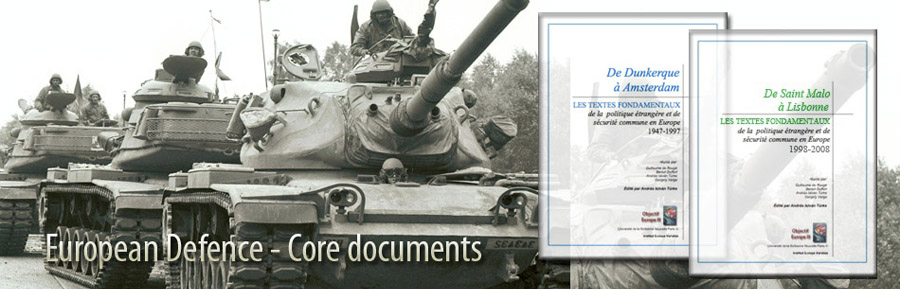


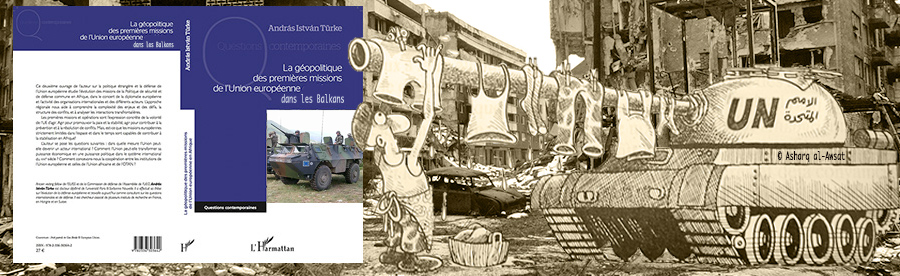
We are looking for sponsors for the English translation of these books, please contact turkeandras(at)gmail(dot)com