
You are here
Diplomacy & Defense Think Tank News
Domestic revenue instead of development cooperation? Low- and middle-income countries facing the challenge of generating additional revenue
Exacerbated by the cuts in development cooperation (DC), many low- and middle-income countries (LMICs) are currently facing severe financial constraints. Against this backdrop, higher domestic revenue is a desirable goal for most countries. Greater attention is being devoted to enhancing domestic revenue in the international development policy discourse too – across the entire political spectrum. For some, the goal is to extend the decision-making scope of government and enhance the development focus of public action, while others hope to relieve the burden of transfers on industrialised nations of the Global North and end the recipient countries’ “addiction” to DC payments. Yet what options are actually available to LMICs to generate more domestic revenue? The present policy brief shows that taxing personal income and landed property in particular could offer opportunities for additional revenue. Another important area is the rationalisation of tax expenditures, which often lead to substantially less revenue without providing any evident benefit. At the same time, however, it is also important to recognise the systemic – and eminently political – nature of tax reforms. Above and beyond the issue of technical and administrative feasibility, the political achievability of reforms must also be taken into
account. Short-term tax increases – for example through higher consumer taxes or tariffs – are often not very sustainable in their own right.
Instead, the aim must be to place the “fiscal contract” between taxpayers and the state on a broader and more stable base where better public services also play a role. One type of revenue (in this case DC) therefore cannot simply be replaced by another (taxes) – a fact that advocates of DC cuts often fail to mention. During the transition, DC must continue to provide contributions, despite declining overall funds.
International players, including the German Government and the EU, can support partner governments in a variety of ways. They are already doing so, for example by promoting the Addis Tax Initiative (ATI). In addition, Germany and the EU should make a determined effort to help strengthen multilateral approaches to cooperation. This particularly applies to the United Nations (UN) Framework Convention on International Tax Coopera-tion currently being negotiated.
Categories: Diplomacy & Defense Think Tank News, Swiss News
Klima-Recht und Klima-Diplomatie können sich sinnvoll ergänzen
Vor genau einem Jahr stellte der Internationale Gerichtshof in Den Haag in einem Rechtsgutachten fest: Staaten sind völkerrechtlich verpflichtet, das Klima zu schützen und erhebliche Schäden zu verhindern. Der Klimaspruch kann ein Instrument der internationalen Klimadiplomatie sein, diese aber nicht ersetzen.
Categories: Afrique, Diplomacy & Defense Think Tank News
Klima-Recht und Klima-Diplomatie können sich sinnvoll ergänzen
Vor genau einem Jahr stellte der Internationale Gerichtshof in Den Haag in einem Rechtsgutachten fest: Staaten sind völkerrechtlich verpflichtet, das Klima zu schützen und erhebliche Schäden zu verhindern. Der Klimaspruch kann ein Instrument der internationalen Klimadiplomatie sein, diese aber nicht ersetzen.
Categories: Afrique, Diplomacy & Defense Think Tank News
Klima-Recht und Klima-Diplomatie können sich sinnvoll ergänzen
Vor genau einem Jahr stellte der Internationale Gerichtshof in Den Haag in einem Rechtsgutachten fest: Staaten sind völkerrechtlich verpflichtet, das Klima zu schützen und erhebliche Schäden zu verhindern. Der Klimaspruch kann ein Instrument der internationalen Klimadiplomatie sein, diese aber nicht ersetzen.
Categories: Afrique, Diplomacy & Defense Think Tank News
Sachsen-Anhalt zeigt das AfD-Paradox: Strukturschwache AfD-Hochburgen würden unter ihrer Politik am stärksten leiden
Zusammenfassung:
24. Juli 2026 – Im September 2026 wählt Sachsen-Anhalt einen neuen Landtag. Die AfD hat gute Chancen, stärkste Kraft zu werden. Doch was würden weniger Europa, weniger Zuwanderung und geringere öffentliche Investitionen für die Menschen bedeuten? Diese Kurzstudie belegt ein AfD-Paradox: Regionen, die überproportional stark für die AfD stimmen, leiden deutlich stärker unter einer AfD-Politik als andere. Obwohl vieles an der Unzufriedenheit der Menschen in starken AfD-Regionen verständlich ist, würden sie sich mit der Wahl der AfD selbst am meisten schaden. Das gilt nirgendwo mehr als in Sachsen-Anhalt. Durch die von der AfD geforderte Politik – den Austritt aus Euro und EU, Abschottung und einen Stopp der Zuwanderung sowie massive staatliche Kürzungen – würden Menschen dort im Durchschnitt jährlich rund 1.600 Euro pro Kopf an Einkommen verlieren; zudem könnten rund 10.000 Arbeitsplätze verloren gehen. Die Einkommensverluste durch eine AfD-Politik könnten in Sachsen-Anhalt bis zu doppelt so hoch ausfallen wie im Bundesdurchschnitt. Die Gefahr einer Abwärtsspirale ist groß. Unzufriedenheit treibt die Unterstützung für die AfD, was wiederum die Lebenssituation weiter verschlechtert. Eine hoffnungsvolle Perspektive: Gelingt es, neue Zukunftschancen zu schaffen, kann aus der Abwärts- eine Aufwärtsspirale werden. Denn diese Kurzstudie zeigt auch, dass AfD-Wähler*innen, gerade im Osten, auf Veränderungen reagieren. Die deutsche Geschichte belegt es: Die 1990er und 2000er Jahre waren gerade in den ostdeutschen Ländern Jahrzehnte der Stärkung der Demokratie, des wachsenden Wohlstands und sozialer Teilhabe.
Categories: Afrique, Diplomacy & Defense Think Tank News
Migration, internal displacement and social cohesion in northern Mozambique
The majority of the people displaced by the armed conflict in Mozambique’s Cabo Delgado Province live in host communities. Our research shows that many Internally Displaced Persons (IDPs) live with family/friends. Less than half live in displacement camps. As in many other internal displacement contexts, the government of Mozambique, development partners and humanitarian organisations use the terms IDPs and host communities to distinguish between the people who fled the conflict and those who welcomed them, respectively. This is a necessary distinction because IDPs are in a particularly precarious situation, having lost homes, family members and means of livelihoods, which renders material and psychosocial support to them indispensable. However, this policy brief identifies two issues that are pertinent to this distinction and the provision of material support to IDPs. First, while the categories of IDPs and host communities may provide clarity for interventions, they do not always reflect the broader history of local communities and how people identify and relate to each other. Second, in contexts where economically vulnerable host communities share their meagre resources with IDPs prior to the arrival of external humanitarian support, humanitarian organisations need to be sensitive to the material circumstances of host communities so that these do not see such support as discriminatory, leading to conflict. When the material support that humanitarian organisations provide to IDPs is beyond the means of their hosts, the latter can become resentful and withdraw their own support from the IDPs. This is a common problem, and the policy brief shows some ways to address it. Governments, development partners, and humanitarian organisations that adopt simplistic distinctions between IDPs and host communities without locating them in the specific socio-economic context risk missing local acts of solidarity and mutual identification as channels of inclusion that are central to maintaining social cohesion.
Key policy messages:
- Contextualise displacement. In contexts where displacement occurs within a broader history of regional migration, IDPs are not always seen as outsiders in their host communities because many have prior personal connections to host communities. The government of Mozambique, development partners and humanitarian actors need to embed and understand the current displacement within the long history of migration, ethnolinguistic identification and displacement which shapes relations and contributes to social cohesion.
- Integrate local ethos of solidarity. In the absence of external humanitarian support or prior to the arrival of emergency aid, host communities mobilise themselves through an ethos of solidarity, care and hospitality to help displaced people. External interventions coming into such situations need to be sensitive to this ethos and build on existing inclusive social support mechanisms and locally led initiatives so that they do not disrupt positive relations.
- Build on locally led integration. Locally led efforts are integral to local ownership of the integration of IDPs and its sustainability. When external support builds on local initiatives, this reduces unintended consequences such as resentment and conflicts between IDPs and host communities.
Categories: Afrique, Diplomacy & Defense Think Tank News
Migration, internal displacement and social cohesion in northern Mozambique
The majority of the people displaced by the armed conflict in Mozambique’s Cabo Delgado Province live in host communities. Our research shows that many Internally Displaced Persons (IDPs) live with family/friends. Less than half live in displacement camps. As in many other internal displacement contexts, the government of Mozambique, development partners and humanitarian organisations use the terms IDPs and host communities to distinguish between the people who fled the conflict and those who welcomed them, respectively. This is a necessary distinction because IDPs are in a particularly precarious situation, having lost homes, family members and means of livelihoods, which renders material and psychosocial support to them indispensable. However, this policy brief identifies two issues that are pertinent to this distinction and the provision of material support to IDPs. First, while the categories of IDPs and host communities may provide clarity for interventions, they do not always reflect the broader history of local communities and how people identify and relate to each other. Second, in contexts where economically vulnerable host communities share their meagre resources with IDPs prior to the arrival of external humanitarian support, humanitarian organisations need to be sensitive to the material circumstances of host communities so that these do not see such support as discriminatory, leading to conflict. When the material support that humanitarian organisations provide to IDPs is beyond the means of their hosts, the latter can become resentful and withdraw their own support from the IDPs. This is a common problem, and the policy brief shows some ways to address it. Governments, development partners, and humanitarian organisations that adopt simplistic distinctions between IDPs and host communities without locating them in the specific socio-economic context risk missing local acts of solidarity and mutual identification as channels of inclusion that are central to maintaining social cohesion.
Key policy messages:
- Contextualise displacement. In contexts where displacement occurs within a broader history of regional migration, IDPs are not always seen as outsiders in their host communities because many have prior personal connections to host communities. The government of Mozambique, development partners and humanitarian actors need to embed and understand the current displacement within the long history of migration, ethnolinguistic identification and displacement which shapes relations and contributes to social cohesion.
- Integrate local ethos of solidarity. In the absence of external humanitarian support or prior to the arrival of emergency aid, host communities mobilise themselves through an ethos of solidarity, care and hospitality to help displaced people. External interventions coming into such situations need to be sensitive to this ethos and build on existing inclusive social support mechanisms and locally led initiatives so that they do not disrupt positive relations.
- Build on locally led integration. Locally led efforts are integral to local ownership of the integration of IDPs and its sustainability. When external support builds on local initiatives, this reduces unintended consequences such as resentment and conflicts between IDPs and host communities.
Categories: Afrique, Diplomacy & Defense Think Tank News
Migration, internal displacement and social cohesion in northern Mozambique
The majority of the people displaced by the armed conflict in Mozambique’s Cabo Delgado Province live in host communities. Our research shows that many Internally Displaced Persons (IDPs) live with family/friends. Less than half live in displacement camps. As in many other internal displacement contexts, the government of Mozambique, development partners and humanitarian organisations use the terms IDPs and host communities to distinguish between the people who fled the conflict and those who welcomed them, respectively. This is a necessary distinction because IDPs are in a particularly precarious situation, having lost homes, family members and means of livelihoods, which renders material and psychosocial support to them indispensable. However, this policy brief identifies two issues that are pertinent to this distinction and the provision of material support to IDPs. First, while the categories of IDPs and host communities may provide clarity for interventions, they do not always reflect the broader history of local communities and how people identify and relate to each other. Second, in contexts where economically vulnerable host communities share their meagre resources with IDPs prior to the arrival of external humanitarian support, humanitarian organisations need to be sensitive to the material circumstances of host communities so that these do not see such support as discriminatory, leading to conflict. When the material support that humanitarian organisations provide to IDPs is beyond the means of their hosts, the latter can become resentful and withdraw their own support from the IDPs. This is a common problem, and the policy brief shows some ways to address it. Governments, development partners, and humanitarian organisations that adopt simplistic distinctions between IDPs and host communities without locating them in the specific socio-economic context risk missing local acts of solidarity and mutual identification as channels of inclusion that are central to maintaining social cohesion.
Key policy messages:
- Contextualise displacement. In contexts where displacement occurs within a broader history of regional migration, IDPs are not always seen as outsiders in their host communities because many have prior personal connections to host communities. The government of Mozambique, development partners and humanitarian actors need to embed and understand the current displacement within the long history of migration, ethnolinguistic identification and displacement which shapes relations and contributes to social cohesion.
- Integrate local ethos of solidarity. In the absence of external humanitarian support or prior to the arrival of emergency aid, host communities mobilise themselves through an ethos of solidarity, care and hospitality to help displaced people. External interventions coming into such situations need to be sensitive to this ethos and build on existing inclusive social support mechanisms and locally led initiatives so that they do not disrupt positive relations.
- Build on locally led integration. Locally led efforts are integral to local ownership of the integration of IDPs and its sustainability. When external support builds on local initiatives, this reduces unintended consequences such as resentment and conflicts between IDPs and host communities.
Categories: Afrique, Diplomacy & Defense Think Tank News
Digital Authoritarianism in Turkey: The Erosion of Press Freedom and the Weaponization of Technology
The following paper was awarded first prize in the policy paper competition organized by ELIAMEP’s Turkey Programme, focusing on Turkey’s domestic developments, foreign relations, and socio-political dynamics.
The policy paper examines the systematic erosion of press freedom and digital rights in Turkey, focusing particularly on events following the arrest of Istanbul Metropolitan Mayor Ekrem İmamoğlu on March 19, 2025. The Saraçhane protests that erupted in response revealed the full dimensions of the Turkish government’s digital censorship apparatus: bandwidth throttling, mass social media account suspensions, and the systematic suppression of citizen journalism. Through an analysis of recent policy developments, legal frameworks, and the relationship between the Erdoğan regime and Big Tech companies, this report documents how authoritarian governments leverage digital platforms to silence dissent.
The analysis shows that with 90% of traditional media under state control, journalists have migrated to YouTube and social media platforms only to face expensive licensing requirements, threats of arrest, and platform-level censorship. The report argues that İmamoğlu’s case represents a dangerous precedent: his social media accounts remain suspended, despite his legal case maintaining the presumption of innocence, which effectively prevents him from campaigning as a presidential candidate. This systematic destruction of information infrastructure has implications not only for Turkey, but for democratic movements worldwide.
Read here in pdf the Policy paper by Ezgi Daryurek, Master’s Program in Media and Migration Flows, National and Kapodistrian University of Athens.
Podcast 'fossilfrei' Folge 45: Dunkelflaute: Wie viel Speicher braucht die Energiewende?
In dieser Folge geht es weiter mit dem Reizthema Dunkelflauten, über das wir einmal mehr unaufgeregt sprechen wollen. Zu Gast ist ein weiteres Mal Martin Kittel. In der letzten Folge haben wir mit ihm schon ausführlich darüber gesprochen, was Dunkelflauten eigentlich sind und wie man sie misst – wir ...
Categories: Afrique, Diplomacy & Defense Think Tank News
Scaling green investment for SMEs in low- and middle-income countries through guarantees and blended finance
Climate mitigation and adaptation require substantial investment to advance sustainable development. In low- and middle-income countries (LMICs), mobilising such finance is particularly challenging for small and medium-sized enterprises (SMEs) due to persistent market failures, including limited financial disclosure and weak credit-risk information. High upfront costs, uncertain returns and weak regulatory frameworks further constrain adoption of low-carbon technologies. While fiscal constraints and the capital-intensive transition underscore the need for private capital, traditional bank financing is restricted by long project horizons, high risk and macroeconomic instability. Blended finance and guarantees are key instruments for mobilising private investment in LMICs. Blended finance combines concessional public resources with private or additional public capital to mitigate profitability risks, while guarantees reduce perceived risk by covering partial losses, particularly for non-commercial risks. This policy brief assesses their role in scaling SME climate finance, alongside their limitations and context-specific applicability. Evidence suggests that leverage effects, especially for blended finance, are more modest than often assumed and are context dependent; nonetheless, these instruments remain relevant for de-risking SME finance, contingent on improved design and implementation. The policy brief advances the following recommendations:
- Financial intermediaries should prioritise SMEs facing binding financing constraints that prevent projects with clear socio-economic and environmental benefits. Project selection should integrate financial and climate vulnerability, though assessment remains difficult in low-income countries (LICs). De-risking instruments should target specific constraints, with guarantees mitigating risks and blended finance supporting projects with insufficient risk-adjusted returns to attract private capital. Multilateral development banks (MDBs) and development finance institutions (DFIs) should ensure additionality, minimise concessionality and strengthen monitoring and transparency.
- MDBs and DFIs should better align donor incentives with effective risk-sharing and flexible financing structures. Concessional senior loans dominate blended finance but have limited loss absorption, reducing effectiveness in high-risk environments. A more balanced mix, including subordinated debt, equity and guarantees, can improve risk allocation and crowd in private investors. Greater use of special purpose vehicles and off-balance-sheet structures can further expand financing capacity in fragile contexts.
- MDBs and DFIs should strengthen coordination, standardisation and local engagement. Fragmentation in blended finance and guarantees increases complexity and transaction costs and deters institutional investors. Greater harmonisation across MDBs, DFIs and private investors would improve capital allocation and complementarity, while standardised procedures and contracts would streamline project preparation and scaling in LMICs.
Governments in LMICs should address structural constraints, with MDBs and DFIs providing complementary de-risking and capacity-building support. Weak investment climates, shallow financial markets, poor project pipelines and weak credit information systems reduce the effectiveness of blended finance and guarantees, particularly in LICs. Governments should strengthen investment climates, deepen financial markets and improve SME capabilities, while MDBs and DFIs support local intermediaries and broader reforms.
Categories: Afrique, Diplomacy & Defense Think Tank News
Scaling green investment for SMEs in low- and middle-income countries through guarantees and blended finance
Climate mitigation and adaptation require substantial investment to advance sustainable development. In low- and middle-income countries (LMICs), mobilising such finance is particularly challenging for small and medium-sized enterprises (SMEs) due to persistent market failures, including limited financial disclosure and weak credit-risk information. High upfront costs, uncertain returns and weak regulatory frameworks further constrain adoption of low-carbon technologies. While fiscal constraints and the capital-intensive transition underscore the need for private capital, traditional bank financing is restricted by long project horizons, high risk and macroeconomic instability. Blended finance and guarantees are key instruments for mobilising private investment in LMICs. Blended finance combines concessional public resources with private or additional public capital to mitigate profitability risks, while guarantees reduce perceived risk by covering partial losses, particularly for non-commercial risks. This policy brief assesses their role in scaling SME climate finance, alongside their limitations and context-specific applicability. Evidence suggests that leverage effects, especially for blended finance, are more modest than often assumed and are context dependent; nonetheless, these instruments remain relevant for de-risking SME finance, contingent on improved design and implementation. The policy brief advances the following recommendations:
- Financial intermediaries should prioritise SMEs facing binding financing constraints that prevent projects with clear socio-economic and environmental benefits. Project selection should integrate financial and climate vulnerability, though assessment remains difficult in low-income countries (LICs). De-risking instruments should target specific constraints, with guarantees mitigating risks and blended finance supporting projects with insufficient risk-adjusted returns to attract private capital. Multilateral development banks (MDBs) and development finance institutions (DFIs) should ensure additionality, minimise concessionality and strengthen monitoring and transparency.
- MDBs and DFIs should better align donor incentives with effective risk-sharing and flexible financing structures. Concessional senior loans dominate blended finance but have limited loss absorption, reducing effectiveness in high-risk environments. A more balanced mix, including subordinated debt, equity and guarantees, can improve risk allocation and crowd in private investors. Greater use of special purpose vehicles and off-balance-sheet structures can further expand financing capacity in fragile contexts.
- MDBs and DFIs should strengthen coordination, standardisation and local engagement. Fragmentation in blended finance and guarantees increases complexity and transaction costs and deters institutional investors. Greater harmonisation across MDBs, DFIs and private investors would improve capital allocation and complementarity, while standardised procedures and contracts would streamline project preparation and scaling in LMICs.
Governments in LMICs should address structural constraints, with MDBs and DFIs providing complementary de-risking and capacity-building support. Weak investment climates, shallow financial markets, poor project pipelines and weak credit information systems reduce the effectiveness of blended finance and guarantees, particularly in LICs. Governments should strengthen investment climates, deepen financial markets and improve SME capabilities, while MDBs and DFIs support local intermediaries and broader reforms.
Categories: Afrique, Diplomacy & Defense Think Tank News
Scaling green investment for SMEs in low- and middle-income countries through guarantees and blended finance
Climate mitigation and adaptation require substantial investment to advance sustainable development. In low- and middle-income countries (LMICs), mobilising such finance is particularly challenging for small and medium-sized enterprises (SMEs) due to persistent market failures, including limited financial disclosure and weak credit-risk information. High upfront costs, uncertain returns and weak regulatory frameworks further constrain adoption of low-carbon technologies. While fiscal constraints and the capital-intensive transition underscore the need for private capital, traditional bank financing is restricted by long project horizons, high risk and macroeconomic instability. Blended finance and guarantees are key instruments for mobilising private investment in LMICs. Blended finance combines concessional public resources with private or additional public capital to mitigate profitability risks, while guarantees reduce perceived risk by covering partial losses, particularly for non-commercial risks. This policy brief assesses their role in scaling SME climate finance, alongside their limitations and context-specific applicability. Evidence suggests that leverage effects, especially for blended finance, are more modest than often assumed and are context dependent; nonetheless, these instruments remain relevant for de-risking SME finance, contingent on improved design and implementation. The policy brief advances the following recommendations:
- Financial intermediaries should prioritise SMEs facing binding financing constraints that prevent projects with clear socio-economic and environmental benefits. Project selection should integrate financial and climate vulnerability, though assessment remains difficult in low-income countries (LICs). De-risking instruments should target specific constraints, with guarantees mitigating risks and blended finance supporting projects with insufficient risk-adjusted returns to attract private capital. Multilateral development banks (MDBs) and development finance institutions (DFIs) should ensure additionality, minimise concessionality and strengthen monitoring and transparency.
- MDBs and DFIs should better align donor incentives with effective risk-sharing and flexible financing structures. Concessional senior loans dominate blended finance but have limited loss absorption, reducing effectiveness in high-risk environments. A more balanced mix, including subordinated debt, equity and guarantees, can improve risk allocation and crowd in private investors. Greater use of special purpose vehicles and off-balance-sheet structures can further expand financing capacity in fragile contexts.
- MDBs and DFIs should strengthen coordination, standardisation and local engagement. Fragmentation in blended finance and guarantees increases complexity and transaction costs and deters institutional investors. Greater harmonisation across MDBs, DFIs and private investors would improve capital allocation and complementarity, while standardised procedures and contracts would streamline project preparation and scaling in LMICs.
Governments in LMICs should address structural constraints, with MDBs and DFIs providing complementary de-risking and capacity-building support. Weak investment climates, shallow financial markets, poor project pipelines and weak credit information systems reduce the effectiveness of blended finance and guarantees, particularly in LICs. Governments should strengthen investment climates, deepen financial markets and improve SME capabilities, while MDBs and DFIs support local intermediaries and broader reforms.
Categories: Afrique, Diplomacy & Defense Think Tank News
Solarenergie droht ihren Vorsprung zu verlieren – Elektrifizierung bleibt zentrale Baustelle
DIW Energiewende-Monitor: Photovoltaik fällt hinter steigende Ausbauvorgaben zurück – Wärmepumpen und Elektrofahrzeuge gewinnen Marktanteile, kommen aber zu langsam voran – Strompreise zeigen wachsenden Flexibilitätsbedarf – Großbatterien wachsen
Die Energiewende in Deutschland kommt weiter voran, ...
Categories: Afrique, Diplomacy & Defense Think Tank News
Diversification without Coordination: The Scope for a Collective African Voice in BRICS
Africa’s presence within BRICS has expanded significantly. South Africa, Egypt, and Ethiopia are now full members, while Nigeria and Uganda participate as partner countries. Yet despite this growing representation, there is no mechanism for African states to coordinate their positions within the grouping, raising questions about whether a larger footprint has translated into greater collective influence.
This issue brief examines how African states are engaging BRICS as part of broader strategies of diversification rather than alignment. It explores the distinct priorities driving South Africa, Egypt, and Ethiopia’s participation, the relationship between BRICS and other multilateral forums such as the African Union and G20, and the opportunities and constraints for developing a more coordinated African voice within the bloc.
The brief argues that while African states share an interest in advancing reforms to global governance and international finance, coordination within BRICS remains limited by differing national priorities and the absence of institutional mechanisms. Rather than viewing BRICS as a standalone platform, it suggests that African governments may derive greater value by integrating BRICS into a broader multilateral strategy while strengthening cooperation where interests converge.
The post Diversification without Coordination: The Scope for a Collective African Voice in BRICS appeared first on International Peace Institute.
Categories: Diplomacy & Defense Think Tank News, Swiss News
Reflections from Bonn’s mid-year climate talks: implementation, trade, and missed synergies
Categories: Africa, Diplomacy & Defense Think Tank News
Reflections from Bonn’s mid-year climate talks: implementation, trade, and missed synergies
Categories: Diplomacy & Defense Think Tank News, European Union
Reflections from Bonn’s mid-year climate talks: implementation, trade, and missed synergies
Categories: Diplomacy & Defense Think Tank News, European Union
Was das Klima-Urteil des IGH in einer turbulenten Weltordnung bedeutet
Bonn, 20. Juli 2026. Ein Jahr nach dem Klimaspruch des Internationalen Gerichtshofs – rechtlich eindeutig, doch politisch umstritten – sollte die Advisory Opinion ein Instrument der internationalen Klimadiplomatie sein, nicht deren Ersatz.
Am 23. Juli 2025 legte der Internationale Gerichtshof (IGH) ein bemerkenswertes Gutachten zu den „Verpflichtungen der Staaten hinsichtlich des Klimawandels“ ab. In dieser sogenannten Advisory Opinion (AO) stellte das oberste Weltgericht fest, dass Staaten ihr Möglichstes tun müssen, um das Klimasystem zu schützen, unter anderem durch internationale Zusammenarbeit und Regulierung privater Akteure, die Treibhausgasemissionen verursachen – unabhängig davon, ob sie Vertragsparteien der Klimarahmenkonvention UNFCCC und des Pariser Abkommens sind. Die Autorität der AO wurde am 20. Mai 2026 durch eine Resolution der UN-Generalversammlung (UNGA) noch zusätzlich unterstrichen.
Dennoch reicht der Einfluss der AO bislang kaum über die Kreise von Jurist*innen und Klimaaktivist*innen hinaus, zumal Klimapolitik gegenwärtig vielerorts zurückgedrängt wird. Das ist kurzsichtig. Multilaterale Institutionen sind umso mehr gefragt, wenn globale Zusammenarbeit von geopolitischen Faktoren überlagert wird. Für die Bewältigung des Klimawandels bleibt internationale Zusammenarbeit unabdingbar. Die klare Stellungnahme des IGH sollte dem Nachdruck verleihen und internationale Klimakooperation stärken, auch wenn sie rechtlich nicht bindend ist.
Da die Reaktionen auf das Gutachten weltweit unterschiedlich ausfallen, ist eine differenzierte Betrachtung wichtig. Dies gilt besonders entlang der Nord-Süd-Konfliktlinie, die die internationale Klimapolitik prägt. Viele Industrieländer begrüßten vor allem, dass der IGH die Notwendigkeit zur Ambitionssteigerung im globalen Klimaschutz betont und die Sorgfaltspflicht stärkt. Viele Entwicklungsländer bewerteten die AO vor einem breiteren Hintergrund, der Entwicklung, Gerechtigkeit und historische Verantwortung umfasst. So stellte sich für viele afrikanische Staaten nie die Frage, ob Klimaschutzmaßnahmen notwendig sind, sondern wie sie mit Industrialisierung und Armutsbekämpfung vereinbar sind. Eine binäre Gegenüberstellung von klimapolitischen Vorreitern und Nachzüglern wird dem nicht gerecht.
Die Stellungnahmen einzelner IGH-Richter spiegeln dieses Spannungsfeld wider. So argumentierten einige, der Gerichtshof habe eine historische Chance verpasst, indem er abstrakten rechtlichen Grundsätzen den Vorrang vor der eigentlichen Kernfrage eingeräumt habe: Welche rechtlichen Konsequenzen ergeben sich für Staaten, deren Handlungen überproportional zum Klimawandel beigetragen haben, und für kleine Inselstaaten und am wenigsten entwickelte Länder, die den schwersten Schaden erleiden? Andere Richter vertraten die Auffassung, das Gericht habe sich unzureichend mit dem Grundsatz der gemeinsamen, aber differenzierten Verantwortlichkeiten und jeweiligen Fähigkeiten (CBDR-RC) auseinandergesetzt und diesen weitgehend als Gerechtigkeitsfrage behandelt, statt konkrete Maßnahmen wie Schuldenerlass, Technologietransfer oder Klimareparationen zu erwägen. Dies ist wichtig, weil Klimapolitik eng mit Handels- und Finanzfragen verzahnt ist, die den souveränen Gestaltungsspielraum der Entwicklungsländer einschränken können. Kritische Stimmen warnen daher vor einer Abkehr vom CBDR-RC-Prinzip hin zu einer „gemeinsamen, aber verlagerten Verantwortung“, deren Last primär denjenigen aufgebürdet wird, die am wenigsten verantwortlich sind.
Ungeachtet dieser Differenzen betont das Gericht in bemerkenswertem und eindeutigem Konsens die Verpflichtung zum Klimaschutz. Die unterschiedlichen Sichtweisen spiegeln politische Fragen der Umsetzung wider, die nach wie vor umstritten sind. Hierin zeigt sich auch, dass Entwicklungsländer nicht mehr nur Gegenstand des Klimavölkerrechts sind, sondern dieses zunehmend mitgestalten. Eine Kampagne von Jugendlichen aus dem Pazifikraum und die diplomatische Initiative Vanuatus brachten das IGH-Verfahren in Gang; afrikanische, pazifische und lateinamerikanische Staaten prägten dessen Verlauf sowie die entstehende Rechtslandschaft zu Klimastreitsachen. In einer sich verändernden globalen Ordnung dürfte diese Gestaltungsmacht absehbar weiter zunehmen.
Für die Praxis internationaler Klimakooperation bedeutet dies, dass das IGH-Gutachten nicht als Ersatz für Klimadiplomatie, sondern als wegweisende Ergänzung ihres Instrumentariums verstanden werden sollte: Rechtsprechung und Diplomatie wirken besser als sinnvolle Ergänzungen denn als konkurrierende Alternativen. Je klarer das Recht, desto dringlicher fällt die anspruchsvollere Aufgabe der politischen Umsetzung den Staaten selbst zu.
Drei Schritte könnten dabei helfen. Erstens sollten die Industrieländer die Sondervoten der Richter ebenso ernst nehmen wie das Haupturteil. Das heißt, die berechtigten Bedenken der Entwicklungsländer als legitim statt als hinderlich zu betrachten. Zweitens sollten die Regierungen die Botschaften des IGH nutzen, um die internationale Klimadiplomatie zu beleben und Klimakooperation voranzutreiben. Drittens sollte die neu ins Leben gerufene Nord-Süd-Kommission unter dem Ko-Vorsitz des ehemaligen deutschen Bundeskanzlers Olaf Scholz und der ehemaligen costa-ricanischen Präsidentin Laura Chinchilla sich dezidiert der AO annehmen. Dann könnte die hochrangige Kommission dazu beitragen, diese zu einem Instrument des Nord-Süd-Dialogs zu machen und ein Gegengewicht zu einem geopolitischen Diskurs schaffen, der Klimapolitik in den Hintergrund drückt. Wird das IGH-Gutachten also ganzheitlich betrachtet und ernst genommen, kann es zu einem Impulsgeber werden. Allerdings nur, wenn Staaten und Regierungen, nicht nur Richter, sich dies trotz machtpolitischer Widerstände zu eigen machen.
Steffen Bauer ist wissenschaftlicher Mitarbeiter in der Forschungsabteilung „Umwelt-Governance“ des German Institute of Development and Sustainability (IDOS).
Kennedy Mbeva ist wissenschaftlicher Mitarbeiter am Centre for the Study of Existential Risk (CSER) der University of Cambridge und Mitvorsitzender der Taskforce „Climate Governance“ des internationalen Earth System Governance (ESG)-Projekts. Er ist Hauptautor des Buches „Africa’s Right to Development in a Climate-Constrained World“.
Reuben Makomere ist wissenschaftlicher Mitarbeiter an der juristischen Fakultät der University of Tasmania (UTAS) in Hobart, Australien, und assoziierter Forscher am Centre for the Study of Existential Risk (CSER) der University of Cambridge. Er ist Mitautor des Buches „Africa’s Right to Development in a Climate-Constrained World“.
Categories: Afrique, Diplomacy & Defense Think Tank News
Was das Klima-Urteil des IGH in einer turbulenten Weltordnung bedeutet
Bonn, 20. Juli 2026. Ein Jahr nach dem Klimaspruch des Internationalen Gerichtshofs – rechtlich eindeutig, doch politisch umstritten – sollte die Advisory Opinion ein Instrument der internationalen Klimadiplomatie sein, nicht deren Ersatz.
Am 23. Juli 2025 legte der Internationale Gerichtshof (IGH) ein bemerkenswertes Gutachten zu den „Verpflichtungen der Staaten hinsichtlich des Klimawandels“ ab. In dieser sogenannten Advisory Opinion (AO) stellte das oberste Weltgericht fest, dass Staaten ihr Möglichstes tun müssen, um das Klimasystem zu schützen, unter anderem durch internationale Zusammenarbeit und Regulierung privater Akteure, die Treibhausgasemissionen verursachen – unabhängig davon, ob sie Vertragsparteien der Klimarahmenkonvention UNFCCC und des Pariser Abkommens sind. Die Autorität der AO wurde am 20. Mai 2026 durch eine Resolution der UN-Generalversammlung (UNGA) noch zusätzlich unterstrichen.
Dennoch reicht der Einfluss der AO bislang kaum über die Kreise von Jurist*innen und Klimaaktivist*innen hinaus, zumal Klimapolitik gegenwärtig vielerorts zurückgedrängt wird. Das ist kurzsichtig. Multilaterale Institutionen sind umso mehr gefragt, wenn globale Zusammenarbeit von geopolitischen Faktoren überlagert wird. Für die Bewältigung des Klimawandels bleibt internationale Zusammenarbeit unabdingbar. Die klare Stellungnahme des IGH sollte dem Nachdruck verleihen und internationale Klimakooperation stärken, auch wenn sie rechtlich nicht bindend ist.
Da die Reaktionen auf das Gutachten weltweit unterschiedlich ausfallen, ist eine differenzierte Betrachtung wichtig. Dies gilt besonders entlang der Nord-Süd-Konfliktlinie, die die internationale Klimapolitik prägt. Viele Industrieländer begrüßten vor allem, dass der IGH die Notwendigkeit zur Ambitionssteigerung im globalen Klimaschutz betont und die Sorgfaltspflicht stärkt. Viele Entwicklungsländer bewerteten die AO vor einem breiteren Hintergrund, der Entwicklung, Gerechtigkeit und historische Verantwortung umfasst. So stellte sich für viele afrikanische Staaten nie die Frage, ob Klimaschutzmaßnahmen notwendig sind, sondern wie sie mit Industrialisierung und Armutsbekämpfung vereinbar sind. Eine binäre Gegenüberstellung von klimapolitischen Vorreitern und Nachzüglern wird dem nicht gerecht.
Die Stellungnahmen einzelner IGH-Richter spiegeln dieses Spannungsfeld wider. So argumentierten einige, der Gerichtshof habe eine historische Chance verpasst, indem er abstrakten rechtlichen Grundsätzen den Vorrang vor der eigentlichen Kernfrage eingeräumt habe: Welche rechtlichen Konsequenzen ergeben sich für Staaten, deren Handlungen überproportional zum Klimawandel beigetragen haben, und für kleine Inselstaaten und am wenigsten entwickelte Länder, die den schwersten Schaden erleiden? Andere Richter vertraten die Auffassung, das Gericht habe sich unzureichend mit dem Grundsatz der gemeinsamen, aber differenzierten Verantwortlichkeiten und jeweiligen Fähigkeiten (CBDR-RC) auseinandergesetzt und diesen weitgehend als Gerechtigkeitsfrage behandelt, statt konkrete Maßnahmen wie Schuldenerlass, Technologietransfer oder Klimareparationen zu erwägen. Dies ist wichtig, weil Klimapolitik eng mit Handels- und Finanzfragen verzahnt ist, die den souveränen Gestaltungsspielraum der Entwicklungsländer einschränken können. Kritische Stimmen warnen daher vor einer Abkehr vom CBDR-RC-Prinzip hin zu einer „gemeinsamen, aber verlagerten Verantwortung“, deren Last primär denjenigen aufgebürdet wird, die am wenigsten verantwortlich sind.
Ungeachtet dieser Differenzen betont das Gericht in bemerkenswertem und eindeutigem Konsens die Verpflichtung zum Klimaschutz. Die unterschiedlichen Sichtweisen spiegeln politische Fragen der Umsetzung wider, die nach wie vor umstritten sind. Hierin zeigt sich auch, dass Entwicklungsländer nicht mehr nur Gegenstand des Klimavölkerrechts sind, sondern dieses zunehmend mitgestalten. Eine Kampagne von Jugendlichen aus dem Pazifikraum und die diplomatische Initiative Vanuatus brachten das IGH-Verfahren in Gang; afrikanische, pazifische und lateinamerikanische Staaten prägten dessen Verlauf sowie die entstehende Rechtslandschaft zu Klimastreitsachen. In einer sich verändernden globalen Ordnung dürfte diese Gestaltungsmacht absehbar weiter zunehmen.
Für die Praxis internationaler Klimakooperation bedeutet dies, dass das IGH-Gutachten nicht als Ersatz für Klimadiplomatie, sondern als wegweisende Ergänzung ihres Instrumentariums verstanden werden sollte: Rechtsprechung und Diplomatie wirken besser als sinnvolle Ergänzungen denn als konkurrierende Alternativen. Je klarer das Recht, desto dringlicher fällt die anspruchsvollere Aufgabe der politischen Umsetzung den Staaten selbst zu.
Drei Schritte könnten dabei helfen. Erstens sollten die Industrieländer die Sondervoten der Richter ebenso ernst nehmen wie das Haupturteil. Das heißt, die berechtigten Bedenken der Entwicklungsländer als legitim statt als hinderlich zu betrachten. Zweitens sollten die Regierungen die Botschaften des IGH nutzen, um die internationale Klimadiplomatie zu beleben und Klimakooperation voranzutreiben. Drittens sollte die neu ins Leben gerufene Nord-Süd-Kommission unter dem Ko-Vorsitz des ehemaligen deutschen Bundeskanzlers Olaf Scholz und der ehemaligen costa-ricanischen Präsidentin Laura Chinchilla sich dezidiert der AO annehmen. Dann könnte die hochrangige Kommission dazu beitragen, diese zu einem Instrument des Nord-Süd-Dialogs zu machen und ein Gegengewicht zu einem geopolitischen Diskurs schaffen, der Klimapolitik in den Hintergrund drückt. Wird das IGH-Gutachten also ganzheitlich betrachtet und ernst genommen, kann es zu einem Impulsgeber werden. Allerdings nur, wenn Staaten und Regierungen, nicht nur Richter, sich dies trotz machtpolitischer Widerstände zu eigen machen.
Steffen Bauer ist wissenschaftlicher Mitarbeiter in der Forschungsabteilung „Umwelt-Governance“ des German Institute of Development and Sustainability (IDOS).
Kennedy Mbeva ist wissenschaftlicher Mitarbeiter am Centre for the Study of Existential Risk (CSER) der University of Cambridge und Mitvorsitzender der Taskforce „Climate Governance“ des internationalen Earth System Governance (ESG)-Projekts. Er ist Hauptautor des Buches „Africa’s Right to Development in a Climate-Constrained World“.
Reuben Makomere ist wissenschaftlicher Mitarbeiter an der juristischen Fakultät der University of Tasmania (UTAS) in Hobart, Australien, und assoziierter Forscher am Centre for the Study of Existential Risk (CSER) der University of Cambridge. Er ist Mitautor des Buches „Africa’s Right to Development in a Climate-Constrained World“.
Categories: Diplomacy & Defense Think Tank News, European Union
Pages
the old site is here


© 2012-2015 Europa Varietas Foundation © 2015-2020 Europa Varietas Association
www.europavarietas.org | info(@)europavarietas(dot)org | Switzerland
This is a GDPR ready site
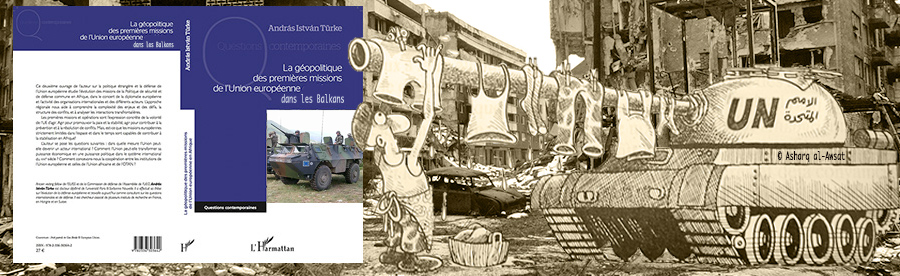
We are looking for sponsors for the English translation of these books, please contact turkeandras(at)gmail(dot)com