
You are here
Diplomacy & Defense Think Tank News
Governing the climate-mobility nexus: frameworks, institutions, and perspectives
This chapter deals with climate mobility and how it is addressed in international politics. Yet, no internationally binding convention explicitly addresses climate-related mobility. However, there are a couple of existing agreements, frameworks, policy processes and related institutions offering potential scope to address various aspects of the climate-mobility nexus. The policy landscape shaped in this way cuts across different policy and action areas such as climate policy, disaster risk management, human rights or migration/displacement policy. Particularly relevant frameworks and processes – including, for instance, the Global Compact on Migration or the Sendai Framework – and institutions such as the International Organization for Migration (IOM) are analysed in this chapter. Furthermore, the chapter also highlights focus areas of action in the contemporary policy landscape that has been formed around the topic of climate mobility and briefly explores potential future (coordination) models for this policy landscape.
Governing the climate-mobility nexus: frameworks, institutions, and perspectives
This chapter deals with climate mobility and how it is addressed in international politics. Yet, no internationally binding convention explicitly addresses climate-related mobility. However, there are a couple of existing agreements, frameworks, policy processes and related institutions offering potential scope to address various aspects of the climate-mobility nexus. The policy landscape shaped in this way cuts across different policy and action areas such as climate policy, disaster risk management, human rights or migration/displacement policy. Particularly relevant frameworks and processes – including, for instance, the Global Compact on Migration or the Sendai Framework – and institutions such as the International Organization for Migration (IOM) are analysed in this chapter. Furthermore, the chapter also highlights focus areas of action in the contemporary policy landscape that has been formed around the topic of climate mobility and briefly explores potential future (coordination) models for this policy landscape.
Categories: Diplomacy & Defense Think Tank News, Swiss News
Governing the climate-mobility nexus: frameworks, institutions, and perspectives
This chapter deals with climate mobility and how it is addressed in international politics. Yet, no internationally binding convention explicitly addresses climate-related mobility. However, there are a couple of existing agreements, frameworks, policy processes and related institutions offering potential scope to address various aspects of the climate-mobility nexus. The policy landscape shaped in this way cuts across different policy and action areas such as climate policy, disaster risk management, human rights or migration/displacement policy. Particularly relevant frameworks and processes – including, for instance, the Global Compact on Migration or the Sendai Framework – and institutions such as the International Organization for Migration (IOM) are analysed in this chapter. Furthermore, the chapter also highlights focus areas of action in the contemporary policy landscape that has been formed around the topic of climate mobility and briefly explores potential future (coordination) models for this policy landscape.
Categories: Diplomacy & Defense Think Tank News, Swiss News
Umwelt- und klimabedingte Mobilität: eine Analyse des medialen Diskurses
Das Ziel dieser Studie war es, gängige Narrative und Frames zu umwelt- und klimabedingter menschlicher Mobilität zu analysieren und einzuordnen. Frames und Narrative prägen die Wahrnehmung und Bewertung von Migration, indem sie bestimmten Akteuren spezifische Rollen und Verantwortlichkeiten zuschreiben.
Die Studie konzentriert sich innerhalb des öffentlichen Diskurses auf mediale Narrative. Dazu wurden 95 Artikel deutschsprachiger Leitmedien aus dem Zeitraum von August 2020 bis August 2024 untersucht. Die Auswertung erfolgte mittels qualitativer Inhaltsanalyse unter Verwendung der Kodierungssoftware MaxQDA. Dabei kam ein deduktiv-induktives Kodierungssystem zum Einsatz, um die Ergebnisse systematisch zu erfassen und miteinander zu vergleichen. Die deduktive Kodierung basierte auf einem Diskursanalyseschema, das zentrale Aspekte diagnostischer, prognostischer und motivationaler Framings berücksichtigt.
Im Rahmen der Diskursanalyse konnten drei prägende Narrative identifiziert werden, die die mediale Berichterstattung über umweltbedingte Mobilität maßgeblich beeinflussen: (a) Der dominante humanitär-wissenschaftliche Diskurs: das Leid des Südens und die Verantwortung des Nordens, (b) Der marginale Abwehrdiskurs: „Das Boot ist voll“ und „Klimaflüchtlinge gibt es eigentlich nicht“ und (c) Der aufkommende Diskurs zu Klimaflucht im Globalen Norden: differenziert und individualisiert.
Diese Studie ist Teil des UBA-Forschungsvorhabens „Politik am Nexus Umwelt, Entwicklung und Migration kohärent gestalten“ und trägt zur besseren Einordnung sowie zum tieferen Verständnis des öffentlichen Diskurses über diesen Nexus und seine gesellschaftliche Bedeutung bei.
Umwelt- und klimabedingte Mobilität: eine Analyse des medialen Diskurses
Das Ziel dieser Studie war es, gängige Narrative und Frames zu umwelt- und klimabedingter menschlicher Mobilität zu analysieren und einzuordnen. Frames und Narrative prägen die Wahrnehmung und Bewertung von Migration, indem sie bestimmten Akteuren spezifische Rollen und Verantwortlichkeiten zuschreiben.
Die Studie konzentriert sich innerhalb des öffentlichen Diskurses auf mediale Narrative. Dazu wurden 95 Artikel deutschsprachiger Leitmedien aus dem Zeitraum von August 2020 bis August 2024 untersucht. Die Auswertung erfolgte mittels qualitativer Inhaltsanalyse unter Verwendung der Kodierungssoftware MaxQDA. Dabei kam ein deduktiv-induktives Kodierungssystem zum Einsatz, um die Ergebnisse systematisch zu erfassen und miteinander zu vergleichen. Die deduktive Kodierung basierte auf einem Diskursanalyseschema, das zentrale Aspekte diagnostischer, prognostischer und motivationaler Framings berücksichtigt.
Im Rahmen der Diskursanalyse konnten drei prägende Narrative identifiziert werden, die die mediale Berichterstattung über umweltbedingte Mobilität maßgeblich beeinflussen: (a) Der dominante humanitär-wissenschaftliche Diskurs: das Leid des Südens und die Verantwortung des Nordens, (b) Der marginale Abwehrdiskurs: „Das Boot ist voll“ und „Klimaflüchtlinge gibt es eigentlich nicht“ und (c) Der aufkommende Diskurs zu Klimaflucht im Globalen Norden: differenziert und individualisiert.
Diese Studie ist Teil des UBA-Forschungsvorhabens „Politik am Nexus Umwelt, Entwicklung und Migration kohärent gestalten“ und trägt zur besseren Einordnung sowie zum tieferen Verständnis des öffentlichen Diskurses über diesen Nexus und seine gesellschaftliche Bedeutung bei.
Categories: Diplomacy & Defense Think Tank News, Swiss News
Umwelt- und klimabedingte Mobilität: eine Analyse des medialen Diskurses
Das Ziel dieser Studie war es, gängige Narrative und Frames zu umwelt- und klimabedingter menschlicher Mobilität zu analysieren und einzuordnen. Frames und Narrative prägen die Wahrnehmung und Bewertung von Migration, indem sie bestimmten Akteuren spezifische Rollen und Verantwortlichkeiten zuschreiben.
Die Studie konzentriert sich innerhalb des öffentlichen Diskurses auf mediale Narrative. Dazu wurden 95 Artikel deutschsprachiger Leitmedien aus dem Zeitraum von August 2020 bis August 2024 untersucht. Die Auswertung erfolgte mittels qualitativer Inhaltsanalyse unter Verwendung der Kodierungssoftware MaxQDA. Dabei kam ein deduktiv-induktives Kodierungssystem zum Einsatz, um die Ergebnisse systematisch zu erfassen und miteinander zu vergleichen. Die deduktive Kodierung basierte auf einem Diskursanalyseschema, das zentrale Aspekte diagnostischer, prognostischer und motivationaler Framings berücksichtigt.
Im Rahmen der Diskursanalyse konnten drei prägende Narrative identifiziert werden, die die mediale Berichterstattung über umweltbedingte Mobilität maßgeblich beeinflussen: (a) Der dominante humanitär-wissenschaftliche Diskurs: das Leid des Südens und die Verantwortung des Nordens, (b) Der marginale Abwehrdiskurs: „Das Boot ist voll“ und „Klimaflüchtlinge gibt es eigentlich nicht“ und (c) Der aufkommende Diskurs zu Klimaflucht im Globalen Norden: differenziert und individualisiert.
Diese Studie ist Teil des UBA-Forschungsvorhabens „Politik am Nexus Umwelt, Entwicklung und Migration kohärent gestalten“ und trägt zur besseren Einordnung sowie zum tieferen Verständnis des öffentlichen Diskurses über diesen Nexus und seine gesellschaftliche Bedeutung bei.
Categories: Diplomacy & Defense Think Tank News, Swiss News
Was ist klimabedingte Vertreibung? Trends, Ansätze und Herausforderungen
Die Auswirkungen des Klimawandels auf Flucht und Migration sind nicht mehr nur eine abstrakte Zukunftsvision. Die zunehmende Häufigkeit und Intensität von Extremereignissen wie Wirbelstürmen oder Dürren sowie immer neuer Temperaturrekorde auf der ganzen Welt haben einen maßgeblichen Einfluss auf Umsiedlungspläne, Binnenvertreibung und in geringerem Maße auf grenzüberschreitende Vertreibung. Die Ängste, die durch die globale Erwärmung ausgelöst werden, sind – insbesondere im Globalen Norden – auch eng mit den Themen Vertreibung und Migration verbunden. Die Befürchtung, dass der Klimawandel schon bald zig Millionen Menschen, gerade im Globalen Süden, ihrer Heimat berauben und sie dann als Flüchtlinge nach Europa treiben könnte, spiegelt sich in unzähligen Medienberichten der letzten Jahre wider. Immer wieder befeuerten umstrittene Prognosen zum Ausmaß der erwarteten »Klimaflucht« die mediale Aufmerksamkeit […]. Der Beitrag beginnt mit einem globalen Profil der klimabedingten Vertreibung auf der Basis aktueller Daten. Anschließend wird der wissenschaftliche Diskurs über den Zusammenhang zwischen Klima und Vertreibung dargestellt. Im dritten Teil des Beitrags werden die rechtlichen und politischen Rahmenbedingungen analysiert, in denen Vertreibung im Kontext des Klimawandels grundsätzlich berücksichtigt und adressiert wird.
Was ist klimabedingte Vertreibung? Trends, Ansätze und Herausforderungen
Die Auswirkungen des Klimawandels auf Flucht und Migration sind nicht mehr nur eine abstrakte Zukunftsvision. Die zunehmende Häufigkeit und Intensität von Extremereignissen wie Wirbelstürmen oder Dürren sowie immer neuer Temperaturrekorde auf der ganzen Welt haben einen maßgeblichen Einfluss auf Umsiedlungspläne, Binnenvertreibung und in geringerem Maße auf grenzüberschreitende Vertreibung. Die Ängste, die durch die globale Erwärmung ausgelöst werden, sind – insbesondere im Globalen Norden – auch eng mit den Themen Vertreibung und Migration verbunden. Die Befürchtung, dass der Klimawandel schon bald zig Millionen Menschen, gerade im Globalen Süden, ihrer Heimat berauben und sie dann als Flüchtlinge nach Europa treiben könnte, spiegelt sich in unzähligen Medienberichten der letzten Jahre wider. Immer wieder befeuerten umstrittene Prognosen zum Ausmaß der erwarteten »Klimaflucht« die mediale Aufmerksamkeit […]. Der Beitrag beginnt mit einem globalen Profil der klimabedingten Vertreibung auf der Basis aktueller Daten. Anschließend wird der wissenschaftliche Diskurs über den Zusammenhang zwischen Klima und Vertreibung dargestellt. Im dritten Teil des Beitrags werden die rechtlichen und politischen Rahmenbedingungen analysiert, in denen Vertreibung im Kontext des Klimawandels grundsätzlich berücksichtigt und adressiert wird.
Categories: Diplomacy & Defense Think Tank News, Swiss News
Was ist klimabedingte Vertreibung? Trends, Ansätze und Herausforderungen
Die Auswirkungen des Klimawandels auf Flucht und Migration sind nicht mehr nur eine abstrakte Zukunftsvision. Die zunehmende Häufigkeit und Intensität von Extremereignissen wie Wirbelstürmen oder Dürren sowie immer neuer Temperaturrekorde auf der ganzen Welt haben einen maßgeblichen Einfluss auf Umsiedlungspläne, Binnenvertreibung und in geringerem Maße auf grenzüberschreitende Vertreibung. Die Ängste, die durch die globale Erwärmung ausgelöst werden, sind – insbesondere im Globalen Norden – auch eng mit den Themen Vertreibung und Migration verbunden. Die Befürchtung, dass der Klimawandel schon bald zig Millionen Menschen, gerade im Globalen Süden, ihrer Heimat berauben und sie dann als Flüchtlinge nach Europa treiben könnte, spiegelt sich in unzähligen Medienberichten der letzten Jahre wider. Immer wieder befeuerten umstrittene Prognosen zum Ausmaß der erwarteten »Klimaflucht« die mediale Aufmerksamkeit […]. Der Beitrag beginnt mit einem globalen Profil der klimabedingten Vertreibung auf der Basis aktueller Daten. Anschließend wird der wissenschaftliche Diskurs über den Zusammenhang zwischen Klima und Vertreibung dargestellt. Im dritten Teil des Beitrags werden die rechtlichen und politischen Rahmenbedingungen analysiert, in denen Vertreibung im Kontext des Klimawandels grundsätzlich berücksichtigt und adressiert wird.
Categories: Diplomacy & Defense Think Tank News, Swiss News
Hitzestress: Wie der Klimawandel unsere Welt bereits heute verändert
Bemerkbar macht sich die menschengemachte globale Erwärmung etwa in der Nahrungsmittel- und Wassersicherheit, bei Wirtschaftssystemen, bei Siedlungs- und Infrastrukturen, bei bewaffneten Konflikten, bei der Kultur oder auch bei Flucht und Migration. Ebenso gibt es bedeutende Wechselwirkungen mit der Künstlichen Intelligenz, einem anderen großen Menschheitsthema des 21. Jahrhunderts. Dieses Heft möchte genau diese Themen unter die Lupe nehmen und darlegen, wie die Klimakrise sich auf die genannten Bereiche ausgewirkt hat bzw. welche Wechselbeziehungen es jeweils gibt. Es soll allein um den Kenntnisstand zum Status Quo gehen, nicht um Prognosen oder mögliche Szenarien. In einer Schlussbetrachtung wird versucht, die dargelegten Erkenntnisse einzuordnen.
Hitzestress: Wie der Klimawandel unsere Welt bereits heute verändert
Bemerkbar macht sich die menschengemachte globale Erwärmung etwa in der Nahrungsmittel- und Wassersicherheit, bei Wirtschaftssystemen, bei Siedlungs- und Infrastrukturen, bei bewaffneten Konflikten, bei der Kultur oder auch bei Flucht und Migration. Ebenso gibt es bedeutende Wechselwirkungen mit der Künstlichen Intelligenz, einem anderen großen Menschheitsthema des 21. Jahrhunderts. Dieses Heft möchte genau diese Themen unter die Lupe nehmen und darlegen, wie die Klimakrise sich auf die genannten Bereiche ausgewirkt hat bzw. welche Wechselbeziehungen es jeweils gibt. Es soll allein um den Kenntnisstand zum Status Quo gehen, nicht um Prognosen oder mögliche Szenarien. In einer Schlussbetrachtung wird versucht, die dargelegten Erkenntnisse einzuordnen.
Categories: Diplomacy & Defense Think Tank News, Swiss News
Hitzestress: Wie der Klimawandel unsere Welt bereits heute verändert
Bemerkbar macht sich die menschengemachte globale Erwärmung etwa in der Nahrungsmittel- und Wassersicherheit, bei Wirtschaftssystemen, bei Siedlungs- und Infrastrukturen, bei bewaffneten Konflikten, bei der Kultur oder auch bei Flucht und Migration. Ebenso gibt es bedeutende Wechselwirkungen mit der Künstlichen Intelligenz, einem anderen großen Menschheitsthema des 21. Jahrhunderts. Dieses Heft möchte genau diese Themen unter die Lupe nehmen und darlegen, wie die Klimakrise sich auf die genannten Bereiche ausgewirkt hat bzw. welche Wechselbeziehungen es jeweils gibt. Es soll allein um den Kenntnisstand zum Status Quo gehen, nicht um Prognosen oder mögliche Szenarien. In einer Schlussbetrachtung wird versucht, die dargelegten Erkenntnisse einzuordnen.
Categories: Diplomacy & Defense Think Tank News, Swiss News
The fence isn’t the problem: what Ceuta and Melilla really reveal
images of people scaling the fence into Ceuta and Melilla fuel the perception of a loss of control. Yet these people cannot simply travel on to the rest of the EU, nor are its external borders the real threat. Rather, the threats lie in the scapegoating and the knee-jerk call for isolation. Both obscure the view of what could be possible: partnership on equal terms to create opportunities for local youth, regulated entry coupled with justified deportation, and honest information.
The fence isn’t the problem: what Ceuta and Melilla really reveal
images of people scaling the fence into Ceuta and Melilla fuel the perception of a loss of control. Yet these people cannot simply travel on to the rest of the EU, nor are its external borders the real threat. Rather, the threats lie in the scapegoating and the knee-jerk call for isolation. Both obscure the view of what could be possible: partnership on equal terms to create opportunities for local youth, regulated entry coupled with justified deportation, and honest information.
Categories: Diplomacy & Defense Think Tank News, Swiss News
The fence isn’t the problem: what Ceuta and Melilla really reveal
images of people scaling the fence into Ceuta and Melilla fuel the perception of a loss of control. Yet these people cannot simply travel on to the rest of the EU, nor are its external borders the real threat. Rather, the threats lie in the scapegoating and the knee-jerk call for isolation. Both obscure the view of what could be possible: partnership on equal terms to create opportunities for local youth, regulated entry coupled with justified deportation, and honest information.
Categories: Diplomacy & Defense Think Tank News, Swiss News
Guinée : les victimes du massacre de Zogota optimistes après la décision française
À Zogota, en Guinée, où vivent toujours de nombreuses familles des victimes, cette décision est accueillie avec prudence mais aussi avec espoir.
Categories: Afrique, Diplomacy & Defense Think Tank News
Iran and the United States are once again at the center of global security. Is this just another crisis, or is it the beginning of a new geopolitical era in the Middle East? – ELIAMEP experts’ views
ELIAMEP’s analysts assess the latest developments and examine possible scenarios for the future of Iran–US relations, as well as their implications for the Middle East and international security.
Read it here (in Greek).
Categories: Diplomacy & Defense Think Tank News, Swiss News
Claudia Kemfert: „Reihenfolge stimmt noch nicht: Erst Infrastruktur, dann Marktintegration“
Das Bundeskabinett will heute Änderungen am Erneuerbare-Energien-Gesetz (EEG) auf den Weg bringen. Dazu folgt eine Einordnung von Claudia Kemfert, Leiterin der Abteilung Energie, Verkehr, Umwelt im DIW Berlin:
Die stärkere Ausrichtung auf Systemintegration, Speicher und Flexibilität ist grundsätzlich richtig. Positiv ist auch, dass beim Netzanschlusspaket gegenüber den ersten Plänen nachgebessert wurde. Dennoch bleibt problematisch, dass die Folgen unzureichender Netze zunehmend auf die Betreiber erneuerbarer Anlagen verlagert werden. Eine entschädigungsfreie Abregelung von bis zu 20 Prozent ist ein erheblicher Eingriff und kann Investitionen verteuern. Regionale Steuerung darf den dezentralen Netzausbau nicht ersetzen. Netzbetreiber müssen verbindlich zu schneller Optimierung, Digitalisierung und Ausbau verpflichtet werden.
Die Einigung auf die EEG-Novelle und das Netzanschlusspaket enthält wichtige Fortschritte: zusätzliche zwölf Gigawatt Windenergie an Land, stärkere Anreize für Speicher, eine höhere Beteiligung der Kommunen und gegenüber den ursprünglichen Plänen begrenztere Regeln zur entschädigungsfreien Abregelung. Positiv sind auch die Übergangsregelungen für kleine Photovoltaikanlagen. Damit wird ein wichtiger Schritt getan, um den Ausbau der Erneuerbaren ab 2027 rechtssicher fortzuführen.
Allerdings stimmt bei der EEG-Novelle die Reihenfolge noch nicht. Mehr Marktintegration kann sinnvoll sein, aber dafür müssen Smart Meter, digitale Infrastruktur, Speicher und bezahlbare Direktvermarktungsangebote vorhanden sein. Werden Einspeisevergütungen zurückgefahren, bevor diese Voraussetzungen flächendeckend geschaffen sind, droht vor allem bei kleiner Dach-Photovoltaik und Bürgerenergie ein Investitionsdämpfer. Entscheidend ist jetzt, Planungssicherheit über 2026 hinaus zu schaffen und Erneuerbaren-Ausbau, Netze, Speicher, Digitalisierung und Flexibilität konsequent gemeinsam voranzubringen.
Systemintegration ja, Investitionsbremse nein. Wer Erneuerbare stärker in den Markt schicken will, muss zuerst Netze, Smart Meter, Speicher und Flexibilität bereitstellen. Sonst werden Versäumnisse im Stromsystem auf diejenigen abgewälzt, die die Energiewende tragen. Kritisch bleibt, dass die Bundesregierung die Ursachen der Netzengpässe nicht konsequent beseitigt, sondern einen Teil der Risiken auf Investoren erneuerbarer Energien verlagert. Wer Investitionen in Wind- und Solarenergie durch neue Unsicherheiten erschwert, gefährdet den Ausbau ausgerechnet der Technologien, die für ein klimaneutrales, bezahlbares und sicheres Energiesystem gebraucht werden. Es ist ein Fehler, die Defizite bei Netzen, Digitalisierung und Flexibilität den Erneuerbaren anzulasten. Die Energiewende scheitert nicht an zu viel Wind- und Solarenergie, sondern an einem Stromsystem, das zu langsam modernisiert wird.
Categories: Afrique, Diplomacy & Defense Think Tank News
DIW-Konjunkturbarometer setzt Achterbahnfahrt im Juli fort
Das Konjunkturbarometer des Deutschen Instituts für Wirtschaftsforschung (DIW Berlin) ist im Juli deutlich gefallen. Mit 91,3 Punkten liegt der Wert nun so niedrig wie seit Herbst 2025 nicht mehr und entfernt sich damit merklich von der neutralen 100-Punkte-Marke, die ein durchschnittliches Wachstum ...
Categories: Afrique, Diplomacy & Defense Think Tank News
Warum Deutschland zurückfällt
Die deutsche Industrie verliert an Boden – viele Ursachen sind hausgemacht. Wie kann die stille Auszehrung gestoppt werden? Fünf Vorschläge., Dieser Gastbeitrag von Alexander Schiersch und Alexander S. Kritikos ist am 27. Juli 2026 in der Frankfurter Allgemeinen Zeitung erschienen., Deutschlands forschungsintensive Industrien bilden seit Jahrzehnten das Fundament der deutschen Wirtschaft. Doch ob Automobilindustrie, Maschinenbau, Chemie- oder Elektronikindustrie, es knirscht seit einiger Zeit. Das zentrale Problem ist eine politisch hausgemachte und inzwischen strukturell ...
Categories: Diplomacy & Defense Think Tank News, Swiss News
Pages
the old site is here



© 2012-2015 Europa Varietas Foundation © 2015-2020 Europa Varietas Association
www.europavarietas.org | info(@)europavarietas(dot)org | Switzerland
This is a GDPR ready site

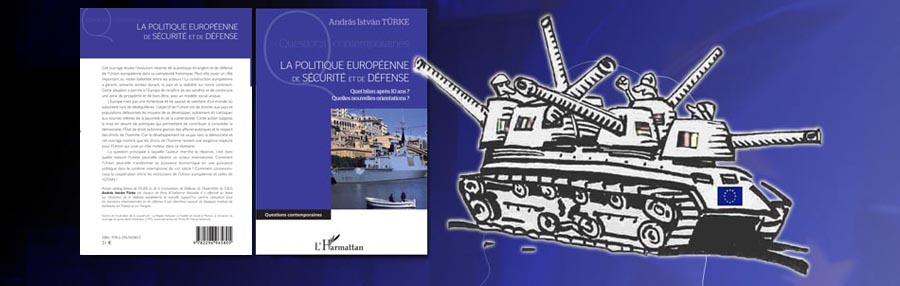
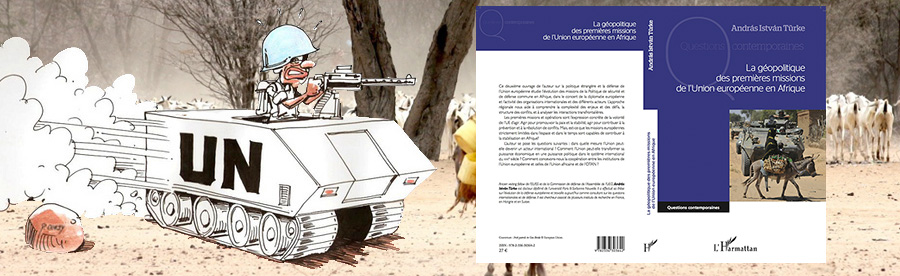

We are looking for sponsors for the English translation of these books, please contact turkeandras(at)gmail(dot)com