
You are here
Feed aggregator
Victoire insuffisante des Guépards face à la Tunisie
Les Guépards U-23 ont remporté le match retour du premier tour des éliminatoires de la CAN Egypte 2027, ce lundi 5 octobre 2026, au stade de Kégué à Lomé au Togo. Ils se sont imposés face à la Tunisie par un score étriqué de un but à zéro.
Les Guépards U-23 écartés de la suite des éliminatoires de la CAN U-23 Egypte 2027. Ceci, malgré leur victoire en match retour ce lundi 5 octobre au stade de Kégué face à la Tunisie. La sélection nationale n'a pas réussi à combler son retard du match aller.
Après une première période disputée mais pauvre en occasions franches, les jeunes béninois sont revenus des vestiaires avec davantage d'intentions offensives. Plus entreprenants, ils ont progressivement mis la défense tunisienne sous pression.

Les efforts béninois ont finalement été récompensés à la 72e minute. Servi dans de bonnes conditions, Kévin Alavo a trouvé le chemin des filets d'une superbe frappe décochée à environ 25 mètres du but. Un but qui a relancé les espoirs béninois dans cette rencontre.
Portés par leur public au stade de Kégué, les Guépards ont ensuite tenté de faire le break. Mais malgré leurs efforts en fin de match, ils ne sont pas parvenus à inscrire le deuxième but qui leur aurait permis de revenir à hauteur de la Tunisie sur l'ensemble des deux rencontres.
Avec une défaite 2-0 à l'aller et une victoire 1-0 au retour, le Bénin s'incline finalement 2-1 sur l'ensemble de la double confrontation.
Une victoire certes, mais insuffisante pour relancer les Guépards dans la suite des éliminatoires de la prochaine CAN U-23.
F. A. A.
Categories: Afrique
Press release - Parliament wants better protection of workers’ mental and physical health
Parliament is calling the European Commission to better protect workers from work-related psychosocial risks and stress.
Committee on Employment and Social Affairs
Source : © European Union, 2026 - EP
Committee on Employment and Social Affairs
Source : © European Union, 2026 - EP
Categories: Biztonságpolitika, European Union
Press release - Parliament wants better protection of workers’ mental and physical health
Parliament is calling the European Commission to better protect workers from work-related psychosocial risks and stress.
Committee on Employment and Social Affairs
Source : © European Union, 2026 - EP
Committee on Employment and Social Affairs
Source : © European Union, 2026 - EP
Categories: Afrique, European Union
Press release - Parliament wants better protection of workers’ mental and physical health
Parliament is calling the European Commission to better protect workers from work-related psychosocial risks and stress.
Committee on Employment and Social Affairs
Source : © European Union, 2026 - EP
Committee on Employment and Social Affairs
Source : © European Union, 2026 - EP
Categories: Europäische Union, European Union
Press release - Parliament wants better protection of workers’ mental and physical health
Parliament is calling the European Commission to better protect workers from work-related psychosocial risks and stress.
Committee on Employment and Social Affairs
Source : © European Union, 2026 - EP
Committee on Employment and Social Affairs
Source : © European Union, 2026 - EP
Categories: Európai Unió : hírek magyarul, Europäische Union
Météo Algérie : pluies et orages se poursuivent mercredi, plusieurs wilayas en alerte
La perturbation persiste sur plusieurs régions du pays. Ce mardi 6 octobre, les services de l’Office National de la Météorologie (ONM) maintiennent une alerte de […]
L’article Météo Algérie : pluies et orages se poursuivent mercredi, plusieurs wilayas en alerte est apparu en premier sur .
Categories: Afrique, Swiss News
Dementia: A Rapidly Rising Global Challenge
As the number of people living with dementia continues to rise, healthcare systems face increasing demand for medical and support services. Credit: Shutterstock
By Joseph Chamie
PORTLAND, USA, Oct 6 2026 (IPS)
Dementia is a rapidly growing global health challenge that affects many millions of people worldwide and places significant economic, healthcare, and social strains on societies, particularly as populations age.
Families, community organizations, and governments face growing difficulties in providing adequate care and support for older adults living with dementia.
A debilitating neurological condition, dementia is caused by various diseases or injuries that damage the brain and impair its functioning. Its increasing prevalence has made it a pressing global health concern.
Women are disproportionally affected by dementia, experiencing a greater burden of morbidity and disability than men. Women account for approximately two-thirds of deaths from Alzheimer’s disease and other forms of dementia worldwide and provide about 70% of informal care hours delivered by family and friends
Dementia can affect memory, thinking, communication, mood, and behavior, as well as a person’s ability to perform everyday activities. Symptoms generally worsen over time, often placing substantial emotional, physical, and financial burdens on individuals, families, caregivers, and health systems.
The number of people living with dementia is rising rapidly as populations age and life expectancies increase.
Dementia, however, is not a normal part of aging. Although some changes in memory and functioning are common among older adults, dementia can significantly impair memory, thinking, judgment, and the ability to perform everyday activities.
Dementia is the seventh leading cause of death worldwide and a major cause of disability and dependency among older adults.
Alzheimer’s disease is the most common type of dementia, accounting for roughly 60–70% of all dementia cases. Other types include vascular dementia, dementia with Lewy bodies, which is associated with abnormal protein deposits in nerve cells, and frontotemporal dementia, which involves degeneration of the brain’s frontal and temporal lobes.
Dementia affects not only individuals but also families, healthcare systems, and society as a whole. Its growing prevalence is creating substantial economic, healthcare, and social pressures worldwide.
As the number of people living with dementia continues to rise, healthcare systems face increasing demand for medical and support services. Governments and communities must devote additional resources to meet these needs, while families often assume significant and demanding caregiving responsibilities.
Hospitals and long-term care facilities also face growing pressure because people with advanced dementia may require intensive, around-the-clock supervision and assistance with everyday activities.
Beyond direct healthcare and long-term care expenses, dementia generates substantial indirect costs. These include lost productivity when people with dementia can no longer work and reduced workforce participation among family members who leave or reduce employment to provide unpaid care. Together, these direct and indirect costs add substantially to the broader economic and social burden of dementia.
Women are disproportionally affected by dementia, experiencing a greater burden of morbidity and disability than men. Women account for approximately two-thirds of deaths from Alzheimer’s disease and other forms of dementia worldwide and provide about 70% of informal care hours delivered by family and friends.
People who care for relatives with dementia face greater health risks than those caring for family members without dementia, and these risks can persist even after their relatives have died. Caring for people with dementia therefore places substantial burdens on families and society, while the growing global burden of dementia care remains largely underestimated.
In 2021, approximately 57 million people were living with dementia, according to the World Health Organization, and dementia caused about 2 million deaths. With nearly 10 million new cases of dementia occurring each year, largely reflecting population ageing and increasing longevity, the number of people living with dementia is projected to reach about 107 million by 2026 and more than 150 million by 2050 (Figure 1).
Source: World Health Organization.
Dementia can affect memory, thinking, communication, mood, and behavior. Early signs and symptoms of dementia are often observable and may involve difficulties with memory, attention, communication, reasoning, judgement, and processing visual information.
Possible early signs of dementia include forgetting recent events or familiar information, getting lost while walking or driving, becoming confused in familiar places, having difficulty following conversations, forgetting the names of close family members or friends, using unusual words to refer to familiar objects, and struggling to complete routine or familiar tasks independently (Table 1).
Source; U.S. Center for Disease Control.
Although there is currently no known cure for dementia, WHO guidelines report that up to 45% of dementia risk could potentially be prevented or delayed.
The WHO guidelines recommend several healthy behaviors and lifestyle interventions that may reduce dementia risk. These include cognitive training and stimulation, and participation in social activities for adults with normal cognition or mild cognitive impairment.
Other measures that may help reduce dementia risk and support quality of life and well-being include staying physically active, pursuing additional education, eating a healthy diet, drinking a couple of cups of coffee daily, quitting smoking, limiting alcohol consumption, reading regularly, engaging in mentally stimulating activities, and maintaining social connections. Keeping track of daily tasks, managing stress, and obtaining regular medical check-ups may also help people maintain independence and well-being (Table 2).
Source: World Health Organization and U.S. National Institutes of Health.
Some country studies report that each additional year of education is associated with a lower risk of dementia, with the protective association continuing beyond high school. In other words, additional years of education may provide cumulative protection against dementia. Recent research has also found that hearing aids can reduce the rate of cognitive decline in older adults at high risk of dementia by nearly 50%.
Much can also be done to support people living with dementia and those who care for them. Caring for a person with dementia, however, can be challenging and can affect caregivers’ own health and well-being.
Providing care requires patience, clear communication, and attention to the person’s emotional well-being.
Helpful caregiving tips include starting discussing care needs early, speaking calmly and clearly, avoiding arguments, providing reassurance, and avoiding questions such as “Don’t you remember?”. Other strategies include distracting an agitated person with a snack, photo album, humor, or soothing music; maintaining a consistent routine and familiar mealtime setting; encouraging independence and regular exercise; using written to-do lists and reminders; simplifying choices; and ensuring a safe environment.
Caregivers should also prioritize their own physical and emotional well-being. The demands of dementia caregiving can contribute to emotional stress, physical exhaustion, and burnout.
Helpful self-care strategies include taking regular breaks, seeking assistance from family members or others involved in caregiving, maintaining social connections, engaging in regular physical activity, and seeking mental health support when needed. These measures can help reduce stress and exhaustion and lower the risk of caregiver burnout.
Although age itself does not cause of dementia, it is the strongest known risk factor, with the likelihood of developing dementia generally increasing with age. Consequently, countries with older populations, such as Japan, Germany, Italy, and Greece, tend to report higher dementia rates (Figure 2).
Source: World Population Review.
In sum, dementia is a rapidly rising global health challenge, particularly as populations age. Countries face increasing difficulties in providing adequate care and support for older adults living with dementia.
Given the limited availability of effective treatments, there is an urgent need for comprehensive national strategies to prevent or delay dementia and address its broader social, economic, and health consequences. Such strategies should take a coordinated, long-term approach to strengthening prevention, improving care and support services, and reducing the burden on individuals, families, communities, and health systems.
Joseph Chamie is a consulting demographer, a former director of the United Nations Population Division, and author of numerous publications on population issues.
Categories: Africa, Swiss News
Press release - New AGILE defence innovation programme approved by Parliament
The programme aims to respond to the new security environment shaped by Russia's war of aggression against Ukraine, where fast and low-cost defence innovation cycles are critical.
Committee on Industry, Research and Energy
Committee on Security and Defence
Source : © European Union, 2026 - EP
Committee on Industry, Research and Energy
Committee on Security and Defence
Source : © European Union, 2026 - EP
Categories: Biztonságpolitika, European Union
Pressemitteilung - AGILE: Parlament gibt grünes Licht für schnellere Verteidigungsinnovation
Das AGILE-Programm soll Europas Verteidigungsinnovation beschleunigen und auf die neue Sicherheitslage infolge des russischen Angriffskriegs reagieren.
Ausschuss für Industrie, Forschung und Energie
Ausschuss für Sicherheit und Verteidigung
Quelle : © Europäische Union, 2026 - EP
Ausschuss für Industrie, Forschung und Energie
Ausschuss für Sicherheit und Verteidigung
Quelle : © Europäische Union, 2026 - EP
Press release - New AGILE defence innovation programme approved by Parliament
The programme aims to respond to the new security environment shaped by Russia's war of aggression against Ukraine, where fast and low-cost defence innovation cycles are critical.
Committee on Industry, Research and Energy
Committee on Security and Defence
Source : © European Union, 2026 - EP
Committee on Industry, Research and Energy
Committee on Security and Defence
Source : © European Union, 2026 - EP
Categories: Afrique, European Union
Pressemitteilung - AGILE: Parlament gibt grünes Licht für schnellere Verteidigungsinnovation
Das AGILE-Programm soll Europas Verteidigungsinnovation beschleunigen und auf die neue Sicherheitslage infolge des russischen Angriffskriegs reagieren.
Ausschuss für Industrie, Forschung und Energie
Ausschuss für Sicherheit und Verteidigung
Quelle : © Europäische Union, 2026 - EP
Ausschuss für Industrie, Forschung und Energie
Ausschuss für Sicherheit und Verteidigung
Quelle : © Europäische Union, 2026 - EP
Categories: Europäische Union, European Union
Propriétaire, homme d'affaires et joueur : Messi nourrit de grands projets à l'aube de la fin d'une ère dorée
La carrière internationale de Lionel Messi en Argentine prendra fin lors d'un match amical contre le Bénin. BBC Sport se penche sur l'avenir du joueur de 39 ans.
Categories: Afrique, Europäische Union
Sajtóközlemény - Az EP megszavazta a védelmi innováció felgyorsítását célzó új programot
A program célja, hogy reagáljon az Oroszország Ukrajna elleni háborúja miatt kialakult új biztonsági helyzetre, amelyben kritikus fontosságúak a gyors és költséghatékony védelmi innovációk.
Ipari, Kutatási és Energiaügyi Bizottság
Biztonság- és Védelempolitikai Bizottság
Forrás : © Európai Unió, 2026 - EP
Ipari, Kutatási és Energiaügyi Bizottság
Biztonság- és Védelempolitikai Bizottság
Forrás : © Európai Unió, 2026 - EP
Categories: Európai Unió : hírek magyarul, Europäische Union
Press release - Updated rules to protect workers from exposure to dangerous chemicals
On Tuesday, Parliament approved new rules to improve EU standards protecting workers from exposure to certain dangerous substances.
Committee on Employment and Social Affairs
Source : © European Union, 2026 - EP
Committee on Employment and Social Affairs
Source : © European Union, 2026 - EP
Categories: Biztonságpolitika, European Union
Press release - Updated rules to protect workers from exposure to dangerous chemicals
On Tuesday, Parliament approved new rules to improve EU standards protecting workers from exposure to certain dangerous substances.
Committee on Employment and Social Affairs
Source : © European Union, 2026 - EP
Committee on Employment and Social Affairs
Source : © European Union, 2026 - EP
Categories: Afrique, European Union
Press release - Updated rules to protect workers from exposure to dangerous chemicals
On Tuesday, Parliament approved new rules to improve EU standards protecting workers from exposure to certain dangerous substances.
Committee on Employment and Social Affairs
Source : © European Union, 2026 - EP
Committee on Employment and Social Affairs
Source : © European Union, 2026 - EP
Categories: Europäische Union, European Union
Press release - Updated rules to protect workers from exposure to dangerous chemicals
On Tuesday, Parliament approved new rules to improve EU standards protecting workers from exposure to certain dangerous substances.
Committee on Employment and Social Affairs
Source : © European Union, 2026 - EP
Committee on Employment and Social Affairs
Source : © European Union, 2026 - EP
Categories: Európai Unió : hírek magyarul, Europäische Union
Plus de 3kg de chanvre indien saisis, des suspects arrêtés
Dans la commune de Ouinhi, les opérations de la Police républicaine se multiplient contre les lieux de consommation et de trafic de chanvre indien. Plusieurs suspects sont tombés dans les filets des forces de sécurité lors d'une intervention menée dans la nuit du 30 septembre 2026.
Une équipe du commissariat d'arrondissement de Dassa a investi une cabane à Ouinhi où deux individus étaient en train de consommer du chanvre indien dans la nuit du 30 septembre 2026.
L'un des suspects interpellés a conduit les policiers jusqu'à son présumé fournisseur. La perquisition effectuée dans le repaire de ce dernier a permis de retrouver des emballages, des paquets de cigarettes, des boulettes ainsi que plus de trois kilogrammes de chanvre indien.
Au quartier Gnanly, d'autres suspects ont pris la fuite à l'arrivée des policiers, abandonnant sur place du matériel destiné à la consommation de stupéfiants ainsi que deux motocyclettes.
M. M.
Categories: Afrique
Les numéros gagnants du DIGITAL 08H
DIGITAL 08H : Avez-vous tenté votre chance ?
Le tirage DIGITAL 08H N°241 a livré son verdict !
Mardi 06 Octobre 2026
Avez-vous joué ?
Avez-vous misé sur vos numéros porte-bonheur ?
RÉSULTAT : 33 • 34 • 20 • 02 • 31
Félicitations aux heureux gagnants !
Pas encore cette fois ? Gardez le sourire.
Rendez-vous à 11H pour le prochain tirage.
Jouez dans les points de vente ou : Tapez *590# ou rendez-vous sur lnbloto.bj
Jouez avec modération et responsabilité. Le jeu doit rester un plaisir.
A TOI DE JOUER #XòGbɔnAlɔkpaVo
#LNBSA #JeuResponsable #LaChanceAvecModération
LA CROIX DU MARDI 6 OCTOBRE 2026

Categories: Afrique
Edmond K. Adjikpè nommé DG, Nina Armelle Guendehou reconduite DGA
NSIA Banque Bénin dispose désormais d'une nouvelle équipe dirigeante. Edmond K. Adjikpè a pris ses fonctions de directeur général le 1er octobre 2026, tandis que Nina Armelle V. Guendehou a été reconduite au poste de directrice générale adjointe. Cette nouvelle configuration repose sur la complémentarité de leurs parcours et expertises.
Deux profils complémentaires assurent désormais les fonctions de directeur général et de directrice générale adjointe de la filiale Bénin du groupe NSIA. Il s'agit de Edmond K. Adjikpè, et de Nina Armelle V.
Guendehou, entrés en fonction le 1er octobre 2026.
Fort de 22 années d'expérience dans les secteurs bancaire et financier ainsi que dans la finance du développement, Edmond K. Adjikpè prend les commandes de la filiale béninoise du groupe NSIA. Son parcours couvre notamment le financement, le développement des activités, la structuration de partenariats et la conduite d'opérations complexes.
À ses côtés, Nina Armelle V. Guendehou poursuit sa mission de N⁰ 2 au sein de la direction générale. Elle dispose de 23 années d'expérience, principalement dans la gestion des risques, l'audit, le contrôle interne et la gouvernance bancaire. Sa reconduction vise notamment à assurer la continuité dans le suivi prudentiel et opérationnel de l'établissement.
Une direction fondée sur la complémentarité
Cette organisation associe ainsi une expertise tournée vers le développement des activités à une expérience approfondie dans la maîtrise des risques. Elle intervient dans un contexte où les établissements bancaires de la sous-région sont appelés à accroître leur contribution au financement de l'économie, tout en renforçant leurs dispositifs de contrôle et de conformité.
Pour NSIA Banque Bénin, les principaux enjeux portent notamment sur le développement des financements, le renforcement de la proximité avec les clients et partenaires ainsi que l'amélioration de la performance opérationnelle. Ces objectifs devront être poursuivis dans un environnement marqué par l'évolution des exigences réglementaires, la digitalisation des services financiers et la transformation des besoins des entreprises et des particuliers.
Le groupe NSIA met également en avant, à travers ces nominations, la valorisation des compétences locales et de l'expertise africaine. Les deux dirigeants disposent d'une connaissance du marché béninois et d'expériences acquises au sein d'institutions financières à dimension panafricaine.
Avec cette nouvelle équipe dirigeante, NSIA Banque Bénin entend poursuivre sa dynamique de développement et renforcer sa contribution au financement de l'économie nationale. La nouvelle direction devra désormais traduire cette complémentarité en résultats, tant sur le développement des activités que sur la qualité des actifs, des services et de la gouvernance de la banque.
F. A. A.
Categories: Afrique, Europäische Union
Pages
the old site is here



© 2012-2015 Europa Varietas Foundation © 2015-2020 Europa Varietas Association
www.europavarietas.org | info(@)europavarietas(dot)org | Switzerland
This is a GDPR ready site


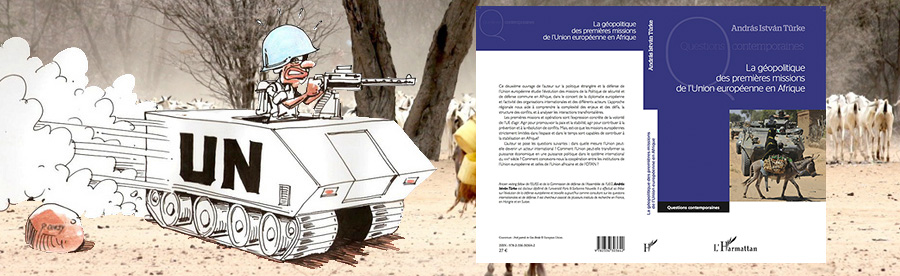
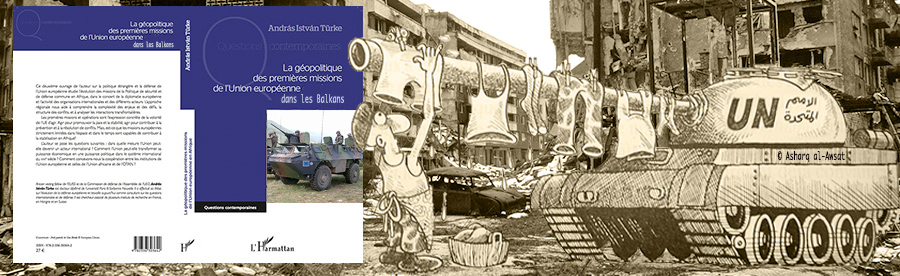
We are looking for sponsors for the English translation of these books, please contact turkeandras(at)gmail(dot)com