
You are here
Feed aggregator
La Police forme journalistes et acteurs culturels contre l'extrémisme violent
La Police républicaine a renforcé les connaissances des journalistes et acteurs culturels sur la police communautaire, la prévention de l'extrémisme violent et la lutte contre la désinformation. L'atelier s'est tenu les 26 et 27 novembre 2025 à Dassa-Zoumè.
25 journalistes et acteurs culturels ont été outillés pour une pratique médiatique plus responsable. L'objectif de la formation de deux journées, organisée par la Police républicaine avec l'appui de la coopération belge Enabel, est de faire des participants des relais d'information fiables et des acteurs de cohésion sociale.
Les échanges tenus les 26 et 27 novembre 2025 à Dassa-Zoumè ont tourné autour de quatre communications.
Le commissaire Ambroise Hounhouédo a ouvert les travaux avec un rappel historique et conceptuel sur la police communautaire.
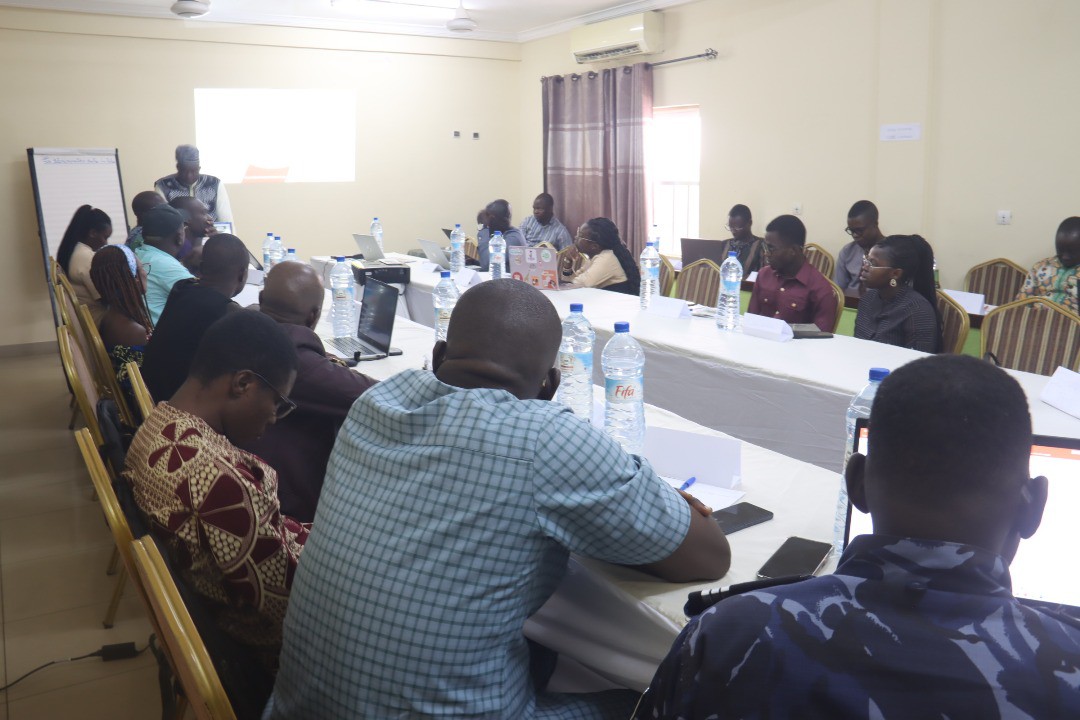
Le commissaire Jérémie Avadji a ensuite présenté les missions de la Police républicaine et ses relations avec la presse.
Deux interventions ont suivi : l'une sur l'intégrité de l'information, assurée par Romuald Vissoh, l'autre sur le rôle des médias dans la prévention de l'extrémisme violent, conduite par le commissaire major Jacques Singbo.
Former pour prévenir
Selon les participants, ces sessions ont permis d'affiner leur compréhension des enjeux sécuritaires et de mieux mesurer leur responsabilité face aux risques de radicalisation. L'initiative a également mis en avant l'importance d'une collaboration étroite entre médias, acteurs culturels et forces de sécurité.
Pour la Police républicaine, cette démarche s'inscrit dans une stratégie plus large de prévention et de rapprochement avec les communautés. L'information fiable et la vigilance citoyenne restent des piliers essentiels pour contenir les menaces d'extrémisme violent au Bénin, selon la Police.
M. M.
Categories: Afrique, Határon túli magyar portálok összesített hírei
Zazu lève 1 M$ pour bâtir la 1ère banque panafricaine dédiée aux PME
La fintech panafricaine Zazu annonce une levée de fonds pré-seed de 1 million de dollars. L'opération réunit plusieurs investisseurs africains et européens.
Zazu accèlère son déploiement en Afrique du Sud et au Maroc avant une expansion continentale en 2026. La startup veut devenir la première plateforme bancaire panafricaine dédiée aux entrepreneurs et aux PME. Elle a annoncé, ce 1er décembre 2025, la levée de fonds pré-seed de 1 million de dollars auprès dʼinvestisseurs africains et européens de premier.
« Nous construisons l'OS financier des entreprises africaines », affirment les fondateurs de Zazu.
La levée rassemble Plug and Play Ventures et un groupe d'anges investisseurs reconnus de l'écosystème fintech. On y retrouve notamment Zachariah George (Launch Africa Ventures), Axel Peyriere (AUTO24.africa), Akshay Patel (Paymentology), Ismael Belkhayat (Chari) ou encore Sophie Guibaud (Fiat Republic). Plusieurs membres fondateurs de Qonto et Solarisbank complètent le tour. Zazu revendique ainsi « l'un des cap tables les plus expérimentés de la fintech africaine ».
Fondée par Germain Bahri et Rinse Jacobs, anciens dirigeants de Solarisbank, Zazu veut offrir une expérience bancaire professionnelle moderne, inspirée de Mercury mais « adaptée aux réalités africaines ». La plateforme est déjà testée par plus de 50 PME, tandis que 1 000 entreprises figurent sur la liste d'attente.
Zazu entend servir les 50 millions de PME sous-bancarisées du continent. Les fondateurs misent sur une combinaison d'expertise européenne et de connaissance fine des marchés locaux.
La solution est déjà opérationnelle en Afrique du Sud et au Maroc. Elle s'appuie sur des intégrations avec Paystack, Shopstar ou Ozow. La startup revendique plus de 20 partenariats avec l'écosystème local. Elle a rejoint le Visa Accelerator Program, été élue KPMG Enterprise Innovator of the Year 2025, et figure dans les PwC Fintechs to Watch 2025.
Le choix de l'Afrique du Sud et du Maroc n'est pas fortuit. Les deux pays disposent de marchés entrepreneuriaux dynamiques et d'infrastructures fintech avancées. Ensemble, ils concentrent plus de 5 millions de PME et un marché B2B de plusieurs dizaines de milliards de dollars. Deux « portes d'entrée naturelles » vers le sud et le nord du continent, selon Zazu.
Forte de ses premiers résultats, la startup prévoit d'ouvrir un Seed Round début 2026, réservé à des investisseurs stratégiques. Ce tour doit permettre d'accélérer l'acquisition clients, d'enrichir la plateforme et d'étendre la solution à d'autres marchés africains.
Categories: Afrique, Határon túli magyar portálok összesített hírei
Dutch open EU defence meeting with €250m Ukraine weapons pledge
Dutch Defence Minister Ruben Brekelmans called on EU countries to not let peace negotiations "distract" from Ukraine support
Categories: Défense, European Union
The return of international war and rising deficits in state legitimacy: IDOS Constellations of State Fragility 3.0
The international context is changing profoundly, owing to rising autocratisation and the return of international war. These transformations also impact the long-standing problem of state fragility.
The IDOS Constellations of State Fragility (CSF) provides a differentiated model to measure state fragility along the three dimensions of authority, capacity and legitimacy. Rather than aggregating scores in these dimensions on a one-dimensional scale, the CSF identifies eight constellations of how deficits in these three dimensions occur jointly in reality. The CSF was launched in 2018 and was recently updated for the second time, now covering the period 2005 to 2024.
In this Policy Brief, we pursue three objectives. First, we briefly present the CSF model. Second, we describe the methodological adjustments of the 2025 update. This includes the use of a new measure for “battle-related deaths” – one indicator to assess the state’s monopoly on the use of force (authority). The modification became necessary due to a real-world development: the return of international war and, in particular, Russia’s war of aggression on Ukraine. Third, we elaborate on the main empirical trend that emerges from the 2025 update: the global rise of deficits in the legitimacy dimension, reflected in the increase of “illiberal functioning” and “low legitimacy” states. This development is in line with wider autocratisation trends. We derive the following recommendations for policy and policy-related research:
• Use multidimensional models to assess state fragility. Foreign and development policymakers as well as academics should employ multidimensional approaches to conceptualise and measure state fragility. Not only are such models better suited for adequately capturing the complexity of state fragility, but they also provide better starting points for designing tailored policy interventions sensitive to context.
• Acknowledge that deficits in the legitimacy dimension are also rising in Europe. Rather than considering state fragility a phenomenon limited to the Global South, German and European policy-makers would be well advised to acknowledge that deficits in the legitimacy dimension are also growing in Europe, including countries of the European Union (EU). Studying developments in the Global South and mutual learning with Southern policy-makers and civil society actors may contribute to enhanced resilience in Europe as well.
• Explore the relationship between state fragility and international war. Future research should explore how international war and state fragility are related, including investigating the relationship between internal fragility dimensions and vulnerabilities to external shocks, and whether defence capabilities matter in determining whether and to what extent a state is fragile.
• Explore and address the relationship between state fragility and autocratisation. Investigating how state fragility and autocratisation are interrelated is a promising research agenda. This comprises exploring whether and how changes in fragility patterns and autocratisation trends are correlated as well as under what conditions autocratisation acts as a driver of state fragility by prompting violent resistance. Foreign and develop-ment policymakers could build on the findings to design coherent policy interventions.
Dr Sebastian Ziaja is Team Lead for Survey Data Curation at GESIS (Leibniz Institute for the Social Sciences) in Cologne.
Categories: Diplomacy & Defense Think Tank News, Swiss News
The return of international war and rising deficits in state legitimacy: IDOS Constellations of State Fragility 3.0
The international context is changing profoundly, owing to rising autocratisation and the return of international war. These transformations also impact the long-standing problem of state fragility.
The IDOS Constellations of State Fragility (CSF) provides a differentiated model to measure state fragility along the three dimensions of authority, capacity and legitimacy. Rather than aggregating scores in these dimensions on a one-dimensional scale, the CSF identifies eight constellations of how deficits in these three dimensions occur jointly in reality. The CSF was launched in 2018 and was recently updated for the second time, now covering the period 2005 to 2024.
In this Policy Brief, we pursue three objectives. First, we briefly present the CSF model. Second, we describe the methodological adjustments of the 2025 update. This includes the use of a new measure for “battle-related deaths” – one indicator to assess the state’s monopoly on the use of force (authority). The modification became necessary due to a real-world development: the return of international war and, in particular, Russia’s war of aggression on Ukraine. Third, we elaborate on the main empirical trend that emerges from the 2025 update: the global rise of deficits in the legitimacy dimension, reflected in the increase of “illiberal functioning” and “low legitimacy” states. This development is in line with wider autocratisation trends. We derive the following recommendations for policy and policy-related research:
• Use multidimensional models to assess state fragility. Foreign and development policymakers as well as academics should employ multidimensional approaches to conceptualise and measure state fragility. Not only are such models better suited for adequately capturing the complexity of state fragility, but they also provide better starting points for designing tailored policy interventions sensitive to context.
• Acknowledge that deficits in the legitimacy dimension are also rising in Europe. Rather than considering state fragility a phenomenon limited to the Global South, German and European policy-makers would be well advised to acknowledge that deficits in the legitimacy dimension are also growing in Europe, including countries of the European Union (EU). Studying developments in the Global South and mutual learning with Southern policy-makers and civil society actors may contribute to enhanced resilience in Europe as well.
• Explore the relationship between state fragility and international war. Future research should explore how international war and state fragility are related, including investigating the relationship between internal fragility dimensions and vulnerabilities to external shocks, and whether defence capabilities matter in determining whether and to what extent a state is fragile.
• Explore and address the relationship between state fragility and autocratisation. Investigating how state fragility and autocratisation are interrelated is a promising research agenda. This comprises exploring whether and how changes in fragility patterns and autocratisation trends are correlated as well as under what conditions autocratisation acts as a driver of state fragility by prompting violent resistance. Foreign and develop-ment policymakers could build on the findings to design coherent policy interventions.
Dr Sebastian Ziaja is Team Lead for Survey Data Curation at GESIS (Leibniz Institute for the Social Sciences) in Cologne.
Categories: Diplomacy & Defense Think Tank News, Swiss News
The return of international war and rising deficits in state legitimacy: IDOS Constellations of State Fragility 3.0
The international context is changing profoundly, owing to rising autocratisation and the return of international war. These transformations also impact the long-standing problem of state fragility.
The IDOS Constellations of State Fragility (CSF) provides a differentiated model to measure state fragility along the three dimensions of authority, capacity and legitimacy. Rather than aggregating scores in these dimensions on a one-dimensional scale, the CSF identifies eight constellations of how deficits in these three dimensions occur jointly in reality. The CSF was launched in 2018 and was recently updated for the second time, now covering the period 2005 to 2024.
In this Policy Brief, we pursue three objectives. First, we briefly present the CSF model. Second, we describe the methodological adjustments of the 2025 update. This includes the use of a new measure for “battle-related deaths” – one indicator to assess the state’s monopoly on the use of force (authority). The modification became necessary due to a real-world development: the return of international war and, in particular, Russia’s war of aggression on Ukraine. Third, we elaborate on the main empirical trend that emerges from the 2025 update: the global rise of deficits in the legitimacy dimension, reflected in the increase of “illiberal functioning” and “low legitimacy” states. This development is in line with wider autocratisation trends. We derive the following recommendations for policy and policy-related research:
• Use multidimensional models to assess state fragility. Foreign and development policymakers as well as academics should employ multidimensional approaches to conceptualise and measure state fragility. Not only are such models better suited for adequately capturing the complexity of state fragility, but they also provide better starting points for designing tailored policy interventions sensitive to context.
• Acknowledge that deficits in the legitimacy dimension are also rising in Europe. Rather than considering state fragility a phenomenon limited to the Global South, German and European policy-makers would be well advised to acknowledge that deficits in the legitimacy dimension are also growing in Europe, including countries of the European Union (EU). Studying developments in the Global South and mutual learning with Southern policy-makers and civil society actors may contribute to enhanced resilience in Europe as well.
• Explore the relationship between state fragility and international war. Future research should explore how international war and state fragility are related, including investigating the relationship between internal fragility dimensions and vulnerabilities to external shocks, and whether defence capabilities matter in determining whether and to what extent a state is fragile.
• Explore and address the relationship between state fragility and autocratisation. Investigating how state fragility and autocratisation are interrelated is a promising research agenda. This comprises exploring whether and how changes in fragility patterns and autocratisation trends are correlated as well as under what conditions autocratisation acts as a driver of state fragility by prompting violent resistance. Foreign and develop-ment policymakers could build on the findings to design coherent policy interventions.
Dr Sebastian Ziaja is Team Lead for Survey Data Curation at GESIS (Leibniz Institute for the Social Sciences) in Cologne.
Categories: Diplomacy & Defense Think Tank News, Swiss News
Exclusive: Danish Presidency targets heated tobacco in new EU tax hike proposal
An industry source estimated that, compared with the Commission’s initial proposal, this represents a 132% increase
Categories: Défense, European Union
Visa Schengen pour l’Espagne : BLS à Alger annonce un report des rendez-vous
Le centre de dépôt des demandes de visa Schengen pour l’Espagne, BLS International, annonce une modification importante concernant son calendrier de rendez-vous et le niveau […]
L’article Visa Schengen pour l’Espagne : BLS à Alger annonce un report des rendez-vous est apparu en premier sur .
Categories: Afrique, European Union
Entwurf der Tagesordnung - Dienstag, 9. Dezember 2025 - PE779.808v01-00 - Ausschuss für auswärtige Angelegenheiten
Quelle : © Europäische Union, 2025 - EP
Categories: Europäische Union, Swiss News
First-gen biofuels: climate, competitiveness, and strategic autonomy
Europe faces a critical challenge: achieving ambitious climate targets while safeguarding its competitiveness and strengthening strategic autonomy in an uncertain global and geopolitical environment.
Categories: Africa, European Union
«Je dois tirer la sonnette d’alarme»: Avant Mattea Meyer, d’autres élus ont mis la politique sur pause
La coprésidente du PS ne sera pas présente à la session parlementaire qui débute ce jour. La Zurichoise parle d’une «grande fatigue».
Categories: European Union, Swiss News
Pastor and new bride abducted in latest Nigeria attacks
A church is raided in central Nigeria and a wedding party in the mostly Muslim north.
Categories: Africa, Swiss News
Coupe d'Afrique des Nations : les cinq équipes favorites pour remporter la CAN 2025
A un peu plus d’un mois du coup d’envoi de la Coupe d’Afrique des Nations 2025, les pronostics vont bon train. Lions de l’Atlas marocains, Eléphants de Côte d’Ivoire, Lions du Sénégal, Fennecs d’Algérie et Pharaons d’Egypte partent avec les faveurs des pronostics.
Categories: Afrique
Coupe d'Afrique des Nations : les cinq équipes favorites pour remporter la CAN 2025
A un peu plus d’un mois du coup d’envoi de la Coupe d’Afrique des Nations 2025, les pronostics vont bon train. Lions de l’Atlas marocains, Eléphants de Côte d’Ivoire, Lions du Sénégal, Fennecs d’Algérie et Pharaons d’Egypte partent avec les faveurs des pronostics.
Categories: Afrique, Swiss News
Météo de la semaine: Le stratus s’installe durablement sur la Suisse romande
La grisaille va dominer cette semaine. Le brouillard et les nuages bas persisteront jusqu’à vendredi sur le Plateau.
Categories: European Union, Swiss News
ENTWURF EINES BERICHTS über die EU-Strategie zum Umgang mit neuen demokratiefeindlichen Theorien - PE774.238v01-00
ENTWURF EINES BERICHTS über die EU-Strategie zum Umgang mit neuen demokratiefeindlichen Theorien
Ausschuss für auswärtige Angelegenheiten
Bernard Guetta
Quelle : © Europäische Union, 2025 - EP
Ausschuss für auswärtige Angelegenheiten
Bernard Guetta
Quelle : © Europäische Union, 2025 - EP
Categories: Europäische Union, Swiss News
COP30 Fails the Caribbean’s Most Vulnerable, Leaders Say: ‘Our Lived Reality Isn’t Reflected’
A coastal community in the Eastern Caribbean. Small island states say their extreme climate vulnerability is still not reflected in global finance decisions made at COP30. Credit: Alison Kentish/IPS
By Alison Kentish
CASTRIES, St Lucia, Dec 1 2025 (IPS)
Caribbean small island states say this year’s UN climate conference has once again failed to deliver the urgency and ambition needed to tackle escalating climate devastation across the region. From slow-moving climate finance to frustrating political gridlock, leaders say COP30 did not reflect the realities that small islands are living through every day.
Jamaica is recovering from Hurricane Melissa, which left over 30 percent of the country’s GDP in losses and billions of dollars in damage. While the country has been able to respond rapidly thanks to a suite of innovative developmental finance tools, including a USD 150 million catastrophe bond, parametric insurance and a disaster savings fund, its Minister for Water, Environment and Climate Change, Matthew Samuda, warns that the vast majority of Caribbean islands do not have similar mechanisms.
Speaking at a press conference organized by Island Innovation and themed “Islands, the Climate Finance Gap, and COP30 Reflections,” Samuda said this is precisely why global negotiations must center the lived experiences of SIDS.
“I think I perhaps may be a little more disappointed than I am usually at the end of a COP because seeing what Jamaica is going through, seeing what Vietnam is going through, seeing extreme weather events pop up all around the world over the last 10 days, you would think that the urgency and the facts staring us in the face would have brought about greater ambition,” he said, adding that “unfortunately, the global geopolitical landscape didn’t allow for us to go much further.”
A Struggle Just to be Heard?
For many small islands and territories, simply participating meaningfully at COP30 was an uphill battle. The British Virgin Islands, like other Caribbean territories, had to rely on partners, including the Organisation of Eastern Caribbean States and the Caribbean Community Climate Change Centre for accreditation and access to the negotiations.
“We try to split up and cover as much as we can,” said Dr. Ronald Berkeley, Permanent Secretary in the Ministry of Environment, Natural Resources and Climate Change. “Our reliance on partners shows how limited our reach still is.”
Berkeley said that despite the Caribbean’s visible and worsening climate impacts, it remains difficult to get major emitters to understand the region’s urgency.
“For small islands, this is real. I’m not sure a lot of the big players believe us,” he said. “Until you live through being almost blown to smithereens by a Category Five hurricane, you will never understand.”
The BVI recently established its own climate trust fund, currently funded with about US$5.5 million, to address some financing shortfalls, but Berkeley emphasized that this cannot make up for reliable, large-scale climate funding.
Barriers to Pledges
Caribbean officials are echoing the same concern—that climate finance exists on paper but rarely reaches small, vulnerable nations at the speed or scale required.
“At COP there were positive commitments, about US$1.3 trillion annually by 2035 for climate action, the tripling of adaptation finance and operationalizing the Loss and Damage Fund,” said Dr. Mohammad Rafik Nagdee, Executive Director of the Caribbean Centre for Renewable Energy and Energy Efficiency (CCREEE).
“But the elephant in the room is the global finance gap,” he said. “Even where access exists, it’s not accessible at the speed the climate crisis demands. Processes are lengthy, requirements heavy and small governments simply don’t have the technical capacity.”
Nagdee said the region needs “greater predictability, simpler pathways and finance that is actually ready to disburse.”
Living Through it—Not Debating it
For Jamaica, which is emerging from one of the most devastating storms in its history, the mismatch between climate impacts and climate action is glaring.
“In the past four years, Jamaica has had its hottest day on record, its wettest day on record, its worst droughts, two tropical storms, a Category 4 hurricane and now what could be classified as a Category 6,” Samuda said. “That’s climate change in reality. That’s not an academic debate for us.”
Caribbean leaders widely described COP30 as a ‘mixed bag,’ with negotiations with incremental progress overshadowed by inadequate urgency.
“We cannot talk about building back better if the resources arrive slowly,” Nagdee said.
For small island states living on the frontlines of warming seas, rising temperatures and record-breaking storms, the message from COP30 is clear and becoming all-too familiar—that climate change is accelerating and the price of delay is already being paid.
This feature is published with the support of Open Society Foundations.
IPS UN Bureau Report
Follow @IPSNewsUNBureau
!function(d,s,id){var js,fjs=d.getElementsByTagName(s)[0],p=/^http:/.test(d.location)?'http':'https';if(!d.getElementById(id)){js=d.createElement(s);js.id=id;js.src=p+'://platform.twitter.com/widgets.js';fjs.parentNode.insertBefore(js,fjs);}}(document, 'script', 'twitter-wjs');
Excerpt:
Regional leaders say the outcome of the ‘mixed bag’ climate talks once again overlooks the real and mounting threats faced by Caribbean countries.
Categories: Africa, Swiss News
Composez *254# : à quoi sert le nouveau code lancée par l’ARPCE ?
L’Autorité de Régulation de la Poste et des Communications Électroniques (ARPCE) a franchi une étape majeure dans la sécurisation des données des citoyens. L’Autorité a […]
L’article Composez *254# : à quoi sert le nouveau code lancée par l’ARPCE ? est apparu en premier sur .
Categories: Afrique, European Union
Die Wirtschaft muss Haltung zeigen
Die Familienunternehmer öffnen sich für die AfD. Dabei lebt die Wirtschaft von offenen Märkten, Stabilität und Vielfalt. Es ist ihre Aufgabe, diese Werte zu verteidigen. , Die jüngste Öffnung des Verbands der Familienunternehmer gegenüber der AfD ist weit mehr als ein politisches Manöver. Sie ist ein Fehler, der das wirtschaftliche Fundament Deutschlands untergraben und die gesellschaftliche Spaltung vertiefen könnte. Denn Unternehmen und ihre Verbände tragen nicht ...
Categories: Diplomacy & Defense Think Tank News, Swiss News
Basile Ahossi du parti LD se positionne pour Wadagni
À quatre mois de la présidentielle, Léon Basile Ahossi député du parti d'opposition Les Démocrates et vice-président de l'Assemblée nationale a officiellement levé le voile sur son choix politique. Devant plusieurs centaines de personnes rassemblées au stade d'Athiémé, samedi 29 novembre dernier, il annoncé un soutien « assumé » à la candidature de Romuald Wadagni.
Le meeting a réuni élus locaux, autorités administratives et figures du mouvement Les Ambassadeurs, dont le coordonnateur, Gilbert Bossou, a défendu un engagement fondé sur « l'analyse des politiques publiques » et la volonté de « redonner une place au dialogue citoyen ».
Les interventions se sont succédé pour appeler à élargir la mobilisation au-delà du Mono. Une minute de recueillement a également été observée en mémoire d'un militant récemment disparu.
Devant un public acquis, Ahossi a justifié sa décision au nom de la cohérence personnelle. « J'ai choisi d'être en accord avec ma conscience », a-t-il lancé, avant d'exprimer des regrets pour les « blessures » provoquées par sa prise de distance avec son ancien camp. Il a dénoncé un climat politique « marqué par l'exclusion », plaidant pour « une rupture qui rassemble ».
Répondant aux critiques sur son rapprochement avec un membre du gouvernement sortant, il a tenu à distinguer le candidat de l'actuel chef de l'État : « Wadagni n'est pas Talon. Wadagni n'a jamais été Président de la République ».
Un appel à “diriger en écoutant”
Selon Ahossi, son adhésion s'appuie aussi sur un échange direct avec Wadagni, au cours duquel il affirme avoir posé une exigence : « Diriger, c'est écouter ». Il a encouragé militants et indécis à soutenir le ticket Wadagni–Talata, présenté comme une option capable de renouer avec « humilité » et « proximité ».
Plusieurs députés ayant récemment quitté le parti d'opposition Les Démocrates étaient également présents au meeting d'Athiémé.
M. M.
Categories: Afrique, Határon túli magyar portálok összesített hírei
Pages
the old site is here


© 2012-2015 Europa Varietas Foundation © 2015-2020 Europa Varietas Association
www.europavarietas.org | info(@)europavarietas(dot)org | Switzerland
This is a GDPR ready site
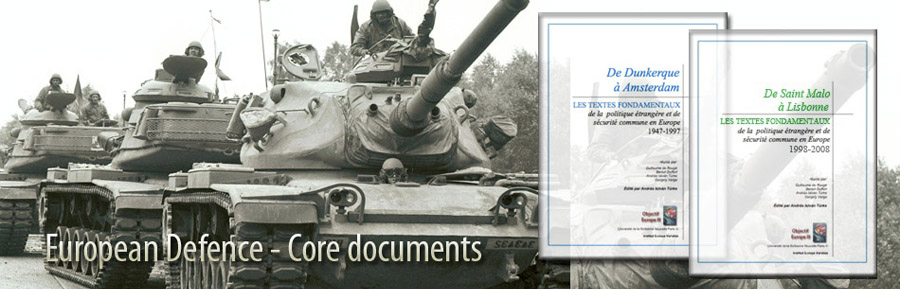
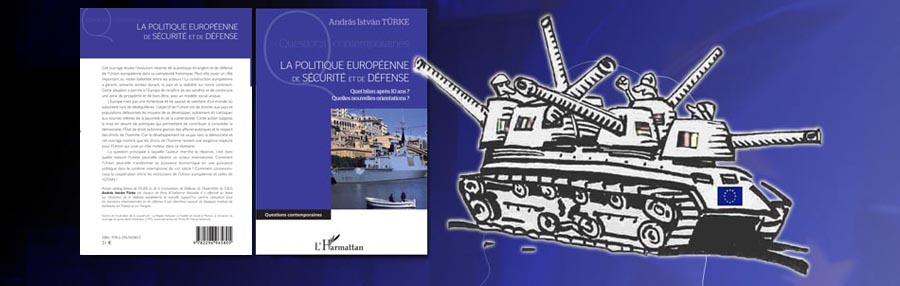
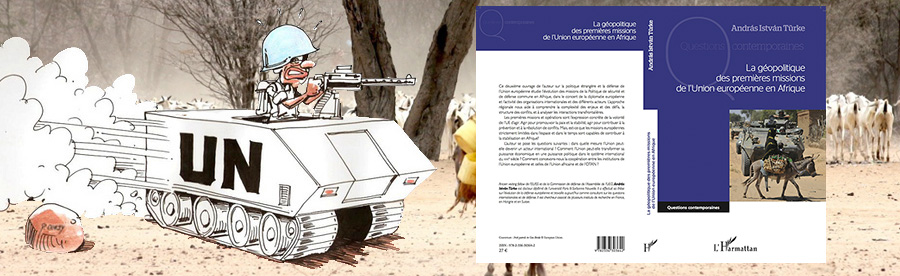
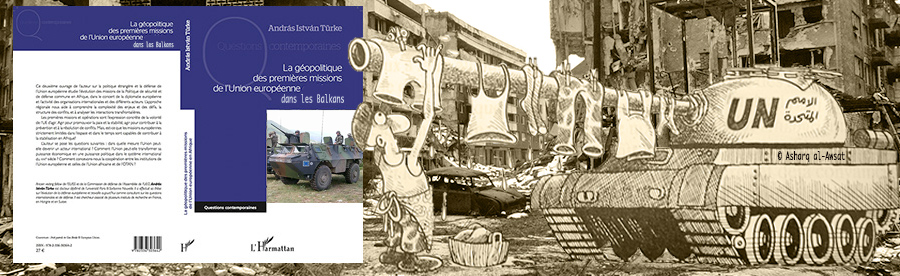
We are looking for sponsors for the English translation of these books, please contact turkeandras(at)gmail(dot)com