
You are here
Feed aggregator
DIGITAL 20 H : le verdict !
DIGITAL 20H : Avez-vous tenté votre chance ?
Le tirage DIGITAL 20H N°278 a livré son verdict !
Dimanche 18 Octobre 2026
Avez-vous joué ?
Avez-vous misé sur vos numéros porte-bonheur ?
RÉSULTAT : 03 • 28 • 30 • 10 • 48
Félicitations aux heureux gagnants !
Pas encore cette fois ? Gardez le sourire.
Rendez-vous à 00H pour le prochain tirage.
Jouez dans les points de vente ou : Tapez *590# ou rendez-vous sur lnbloto.bj
Jouez avec modération et responsabilité. Le jeu doit rester un plaisir.
A TOI DE JOUER #XòGbɔnAlɔkpaVo
#LNBSA #JeuResponsable #LaChanceAvecModération
Categories: Afrique, Határon túli magyar portálok összesített hírei
Un camion chargé de briques fait 1 mort et 5 blessés
Un camion chargé de briques a percuté un pont à Zogbodomey, le dimanche 18 octobre 2026. Le bilan provisoire fait état de 1 mort et de 5 blessés graves.
Un accident de la circulation a endeuillé l'arrondissement de Massi, dans la commune de Zogbodomey, ce dimanche 18 octobre. Le drame s'est produit vers 15 h 30 sur l'axe Zakpo-Hlagba-Dénou, impliquant un camion qui transportait des briques vers Cotonou.
L'un des pneus avant a éclaté provoquant la perte de contrôle du poids lourd.

Le véhicule a terminé sa course contre un pont.
Une personne a perdu la vie dans l'accident et cinq autres ont été grièvement blessées.
Les blessés ont été évacués vers un hôpital pour leur prise en charge, selon radio Sèdohoun.
La police républicaine assure la sécurisation de la zone, où le trafic reste perturbé.
M. M.
Categories: Afrique, Határon túli magyar portálok összesített hírei
Les inondations paralysent les cours au CEG des Tohouès
A Ouinhi, dans le département du Zou, les activités pédagogiques sont bloquées au CEG des Tohouès. Et pour cause, les inondations entravent le bon déroulement des cours dans le collège.
Depuis deux semaines environs, enseignants et apprenants du CEG des Tohouès, dans la commune de Ouinhi sont contraints de rester à la maison. Le collège est totalement inondé. La cour de l'établissement comme les salles de classes, construites pour la plupart en matériaux précaires, sont submergées par les eaux. Les bâtiments en matériaux définitifs selon des sources locales, sont inaccessibles.
Face à une telle situation, les apprenants des classes de 6e, 5e, et de la 4e, sont obligés de rester à la maison. Pour ceux de la classe de 3e qui doivent affronter les épreuves de l'examen du Brevet d'études du premier cycle (BEPC), des démarches ont été menées afin de leur permettre d'occuper une salle de classe à l'EPP de Dokodji, un village voisin.
« Tous les élèves sont actuellement à la maison, sauf ceux de 3e. Pour cette classe, nous avons négocié une salle à l'École primaire publique (EPP) de Dokodji. Le CEG des Tohouès est encore un collège de premier cycle. Les élèves de 6e, de 5e et de 4e sont donc à la maison », a confié le directeur, Hermann Tossou. dans un entretien à Libre Express. A l'en croire, 346 élèves sont concernés par cette situation.
En attendant la décrue, l'administration du collège doit réorganiser le calendrier scolaire pour limiter les conséquences de cette interruption sur les apprentissages et les évaluations.
F. A. A.
Categories: Afrique, Határon túli magyar portálok összesített hírei
Les numéros gagnants de la Double Chance
LES RÉSULTATS DOUBLE CHANCE SONT LÀ !
LOTO STAR Tirage N°125/26
Dimanche 18 Octobre 2026 (14H)
– Zone A (5 premiers numéros) :
19 • 68 • 05 • 76 • 48
– Zone B (5 derniers numéros) :
21• 66 • 03 • 23 • 83

Félicitations aux heureux gagnants.
Pas encore cette fois ? Gardez le sourire !
Rendez-vous à 18H pour le prochain tirage.
Jouez avec modération et responsabilité. Le jeu doit rester un plaisir.
A TOI DE JOUER #Akaxòa
#LNBSA #XòGbɔnAlɔkpaVo #JeuResponsable #LaChanceAvecModération
Categories: Afrique, Határon túli magyar portálok összesített hírei
Voici ce qui justifie la hausse du budget de l'Etat
Le projet de budget de l'État pour la gestion 2027 s'élève à 4 757,029 milliards de FCFA, contre 4 148,357 milliards de FCFA pour la loi de finances rectificative de 2026, soit une hausse de 14,7 %. Le ministre porte-parole du gouvernement, Wilfried Léandre Houngbédji, a expliqué les facteurs qui justifient cette augmentation, dimanche 18 octobre 2026, sur Bénin TV.
Face à l'actualité, Wilfried Léandre Houngbédji a évoqué les réformes économiques et l'élargissement de l'assiette fiscale pour expliquer la progression des ressources attendues par l'État en 2027.
« Ce taux d'augmentation que vous observez est lié à plusieurs facteurs qui tirent leurs ressources des réformes que nous avons effectuées pour solidifier notre économie, mais aussi pour responsabiliser davantage les acteurs », a-t-il déclaré.
Selon le porte-parole du gouvernement, cette mobilisation accrue des ressources ne repose pas sur la création de nouveaux impôts, mais sur les efforts visant à amener davantage d'acteurs économiques à se formaliser et à s'acquitter de leurs obligations fiscales.
Des indicateurs économiques mis en avant
Pour justifier la capacité du Bénin à mobiliser davantage de ressources, Wilfried Léandre Houngbédji a mis en avant les indicateurs macroéconomiques du pays. Il a évoqué une croissance économique projetée à au moins 8 % en 2027, après des prévisions situant celle de 2026 entre 8,3 % et 8,5 %. Il a aussi cité un taux d'inflation de 1,1 %, un déficit inférieur à 3 % du produit intérieur brut (PIB) et un taux d'endettement inférieur à 51 % du PIB.
« Nous sommes une économie résiliente, nous avons tous travaillé, peuple béninois, à bâtir une économie de plus en plus solide », a affirmé le ministre. Il a insisté sur la nécessité de préserver ces indicateurs, de réduire davantage le déficit et l'inflation, tout en renforçant la croissance et l'efficacité dans la gestion des ressources publiques.
Près de 1 600 milliards de FCFA pour les dépenses sociales
Au-delà de la mobilisation des recettes, le projet de budget 2027 accorde une place importante aux dépenses à sensibilité sociale. Selon la note de présentation du projet, celles-ci sont évaluées à 1 597,533 milliards de FCFA, contre 1 285,37 milliards de FCFA en 2026.
Parmi les mesures sociales appelées à se poursuivre figurent les cantines scolaires, la gratuité de la scolarité des filles dans les établissements publics d'enseignement général et technique, la généralisation de l'assurance maladie obligatoire ainsi que le projet Gbessoké consacré aux filets sociaux.
« Cela montre la volonté du gouvernement d'impacter davantage le social, la vie et les conditions d'existence de nos populations partout sur le territoire national », a déclaré Wilfried Léandre Houngbédji.
Interrogé sur les risques liés aux conflits internationaux et aux tensions sur les prix de l'énergie, le ministre a assuré que les incertitudes extérieures sont prises en compte dans l'élaboration du budget. Il a estimé que les efforts engagés ces dernières années visent à renforcer la capacité de résistance de l'économie béninoise face aux crises.
« Nous n'excluons jamais les chocs exogènes », a-t-il indiqué.
Alors que le projet de loi de finances doit être examiné par les députés, Wilfried Léandre Houngbédji a rappelé que les parlementaires peuvent proposer des amendements afin d'améliorer le texte. Il a assuré que le gouvernement reste disposé à examiner les propositions jugées pertinentes, y compris celles provenant de l'opposition.
« Le gouvernement sera tout ouvert aux critiques constructives et aux propositions qui améliorent son texte », a-t-il conclu.
Exportations hors hydrocarbures : près de 4 milliards de dollars en 2026
Les exportations algériennes hors hydrocarbures ont frôlé 4 milliards de dollars sur les huit premiers mois de 2026. Elles progressent d’environ 10% par rapport à […]
L’article Exportations hors hydrocarbures : près de 4 milliards de dollars en 2026 est apparu en premier sur .
Categories: Afrique, Swiss News
Prix de la viande importée en Algérie : Tebboune ordonne une enquête urgente
Tebboune a présidé ce dimanche un Conseil des ministres. Il a ordonné sept mesures immédiates pour suivre les prix et la disponibilité des produits de […]
L’article Prix de la viande importée en Algérie : Tebboune ordonne une enquête urgente est apparu en premier sur .
Categories: Afrique, Swiss News
Les résultats du Loto Star 18 H
LES RÉSULTATS LOTO STAR SONT LÀ !
TIRAGE N°125/26
Dimanche 18 Octobre 2026 (18H)
22 • 20 • 12 • 18 • 44

Félicitations aux heureux gagnants !
Pas encore gagné ? Gardez le sourire !
Rendez-vous au prochain tirage de 20H pour une nouvelle chance.
Jouez dans les centres de jeux ou en ligne : Tapez 590# ou lnbloto.bj
Jouez avec modération et responsabilité. Le jeu doit rester un plaisir.
A TOI DE JOUER
#LaChanceAvecModération
Categories: Afrique
Voitures chinoises : en 8 mois, l’Algérie en a déjà importé plus que sur toute l’année 2025
La Chine a expédié 190 045 véhicules vers l’Algérie entre janvier et août 2026, selon des données chinoises relayées par la presse. C’est déjà plus […]
L’article Voitures chinoises : en 8 mois, l’Algérie en a déjà importé plus que sur toute l’année 2025 est apparu en premier sur .
Categories: Afrique, Swiss News
Message d’erreur sur BaridiMob : Algérie Poste explique l’origine du bug
Les utilisateurs de BaridiMob confrontés à un blocage à l’ouverture de leur application ont désormais une explication officielle. Algérie Poste demande à l’ensemble de ses […]
L’article Message d’erreur sur BaridiMob : Algérie Poste explique l’origine du bug est apparu en premier sur .
Categories: Afrique, Swiss News
Visas Schengen : la France refuse près de trois fois plus en Algérie qu’au Maroc
En 2025, les consulats Schengen installés en Algérie ont refusé 31 % des demandes de visas de court séjour. C’est bien plus qu’au Maroc et […]
L’article Visas Schengen : la France refuse près de trois fois plus en Algérie qu’au Maroc est apparu en premier sur .
Categories: Afrique, Swiss News
Peine de mort en Algérie : deuxième condamnation contre deux narcotrafiquants
Deux hommes viennent d’entendre la sentence la plus lourde du code pénal algérien. La Cour d’Alger les a condamnés à la peine de mort pour […]
L’article Peine de mort en Algérie : deuxième condamnation contre deux narcotrafiquants est apparu en premier sur .
Categories: Afrique, Swiss News
Flotte d’Air Algérie : un sixième A330neo rejoint le pavillon national
La flotte du pavillon national s’enrichit d’une nouvelle unité. Air Algérie a confirmé samedi la réception d’un sixième appareil de type Airbus A330neo, un gros-porteur […]
L’article Flotte d’Air Algérie : un sixième A330neo rejoint le pavillon national est apparu en premier sur .
Categories: Afrique, Swiss News
Mali et Sénégal en finale Audit Genius Olympiades à Cotonou
La finale de l'édition 2026 des Audit Genius Olympiades opposera le Mali au Sénégal à Cotonou, en marge du 8e congrès des ordres des experts-comptables de l'UEMOA qui se tient les 21 et 22 octobre 2026. L'Audit Genius Olympiades entend promouvoir l'excellence et révéler les talents de l'audit dans l'espace OHADA.
Le Mali et le Sénégal se retrouvent face à face pour la finale des Audit Genius Olympiades 2026.
Organisée à Cotonou en marge du 8e congrès des ordres des experts-comptables de l'UEMOA, cette compétition met en lumière les compétences des professionnels de l'audit financier et la relève de l'expertise comptable dans l'espace OHADA.
Présentée par KSK Organisation, cette initiative entend challenger les talents, identifier les profils les plus prometteurs et contribuer à la poursuite de la formation professionnelle. Elle s'inscrit dans une dynamique de valorisation des métiers de l'audit et de renforcement de l'excellence au sein de la profession comptable.
Pour cette finale, deux équipes sont en lice, chacune composée de quatre auditeurs financiers. Elles disposeront d'une heure au maximum, remise des récompenses comprise, pour se départager devant un jury de trois membres composé d'experts-comptables de l'UEMOA, selon les informations communiquées par les organisateurs.
Les Olympiades ambitionnent de faire de la maîtrise technique, de la rigueur et du savoir-faire des critères de distinction dans un secteur où la qualité de l'audit constitue un enjeu majeur.
La finale est ouverte aux participants du congrès ainsi qu'au public béninois, notamment aux auditeurs financiers et aux étudiants du Diplôme d'expertise comptable et financière (DECOFI), dans la limite de 25 places en présentiel.
Une retransmission en ligne est également prévue, avec un objectif de plus de 500 téléspectateurs.
Le 8e congrès des ordres des experts-comptables de l'UEMOA s'ouvre le 21 octobre au Palais des Congrès de Cotonou. Les travaux prendront fin le jeudi 22 octobre 2026.
M. M.
Categories: Afrique
« L’Algérie a atteint l’autosuffisance » : Rezig dresse le bilan de la filière agroalimentaire
Ce samedi à Blida, le ministre du Commerce extérieur et de la Promotion des exportations, Kamel Rezig, a affirmé que le pays couvrait désormais ses […]
L’article « L’Algérie a atteint l’autosuffisance » : Rezig dresse le bilan de la filière agroalimentaire est apparu en premier sur .
Categories: Afrique, Swiss News
Incendies de forêt : le MDN accuse Amir DZ d’avoir manipulé des exécutants locaux
Un documentaire du ministère de la Défense nationale (MDN), diffusé sur la Télévision nationale, lève le voile sur l’origine criminelle de plusieurs incendies de forêt […]
L’article Incendies de forêt : le MDN accuse Amir DZ d’avoir manipulé des exécutants locaux est apparu en premier sur .
Categories: Afrique, Swiss News
Nouvelle perturbation météo dès lundi 19 octobre : jusqu’à 50 mm de pluie attendus !
La semaine débute sous le signe de l’instabilité météorologique en Algérie. Alors que plusieurs wilayas restent concernées par des alertes aux pluies et aux orages […]
L’article Nouvelle perturbation météo dès lundi 19 octobre : jusqu’à 50 mm de pluie attendus ! est apparu en premier sur .
Categories: Afrique, Swiss News
Voyager avec un enfant depuis l’Algérie : quand l’autorisation parentale est-elle obligatoire ?
Un enfant mineur qui quitte l’Algérie avec son père ou sa mère n’a pas besoin de l’autorisation de l’autre parent. Seule une décision de justice […]
L’article Voyager avec un enfant depuis l’Algérie : quand l’autorisation parentale est-elle obligatoire ? est apparu en premier sur .
Categories: Afrique, Swiss News
Infrastructures : Les « points noirs » de l’autoroute Est-Ouest dans le viseur de Djellaoui
Le ministère des Travaux publics entend impulser une nouvelle dynamique aux infrastructures routières. Entre accélération des chantiers en cours et plan d’entretien pluriannuel, la priorité […]
L’article Infrastructures : Les « points noirs » de l’autoroute Est-Ouest dans le viseur de Djellaoui est apparu en premier sur .
Categories: Afrique, Swiss News
LG Days 2026 : jusqu’à 53 000 DA de réduction sur les téléviseurs et l’électroménager LG
LG Electronics Algérie annonce le lancement de LG Days 2026. Cette opération promotionnelle se tient du 18 octobre au 8 novembre 2026. Elle se déroule […]
L’article LG Days 2026 : jusqu’à 53 000 DA de réduction sur les téléviseurs et l’électroménager LG est apparu en premier sur .
Categories: Afrique, Swiss News
Pages
the old site is here



© 2012-2015 Europa Varietas Foundation © 2015-2020 Europa Varietas Association
www.europavarietas.org | info(@)europavarietas(dot)org | Switzerland
This is a GDPR ready site


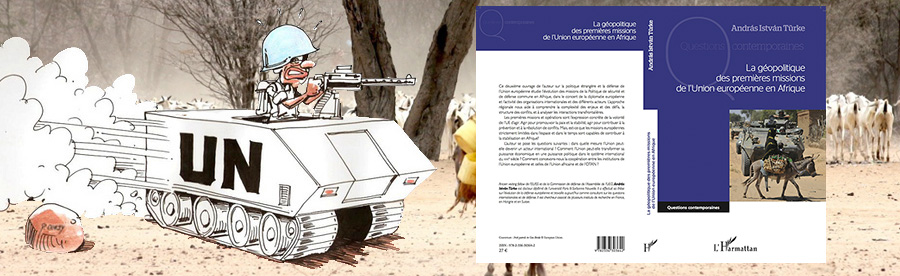
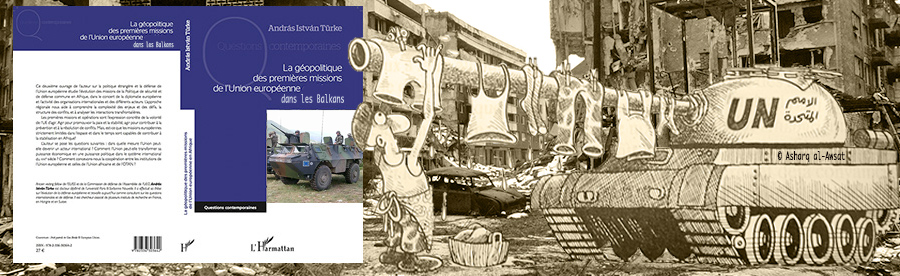
We are looking for sponsors for the English translation of these books, please contact turkeandras(at)gmail(dot)com