
You are here
Feed aggregator
‘Prioritize Social Inclusion as Rapid Transformations Risk Leaving Millions Behind’
UN DESA Assistant Secretary-General Bjørg Sandkjær (right) and Rashmi Banga, Chief of the Development Research Branch, brief journalists at UN Headquarters on the launch of the 2026 World Social Report, emphasizing the need for social inclusion as economic, digital, and climate transformations widen existing divides. Credit: UN DESA / P. Vasic
By Oritro Karim
UNITED NATIONS, Oct 16 2026 (IPS)
The United Nations Department of Economic and Social Affairs (UN DESA) new report, which addresses the rapid global transformations driven by artificial intelligence (AI), demographic shifts, climate change, and conflict, highlights the widening disparities in employment, social inclusion, and access to services.
The report titled The New Economics of Social Inclusion: Making Transformations Work for All was released on October 5.
Despite decades of progress in income, health, and education that drove development worldwide, the report warns that millions of people risk falling behind. Drawing on data collected over 25 years and across 168 countries, this year’s edition introduces a new Socially Inclusive Transformation (SIT) dashboard, which examines how a nation’s economic, digital, and energy transformations align with social and economic inclusion.
“On one hand, rapid transformations are reshaping our world: digital technologies, artificial intelligence, renewable energy, and the demographic and economic transition,” said UN Secretary-General António Guterres during a press briefing at the UN Headquarters coinciding with the report’s release. “On the other hand, these transformations are not working for all. Poverty and deprivation are widespread. Billions are locked out of opportunities because of income, gender, age, disability, ethnicity, or many other fault lines that undermine equality.”
In 2025, UN DESA found that roughly 58 percent of workers were informally employed, while approximately 27 percent of young women aged 15 to 24 were neither employed nor in education or training programs. The same year, UN DESA estimated that around 26 percent of the world’s population, or 2.2 billion, still lacked internet access. Roughly 730 million people lacked access to electricity. The report underscores that even among digitally connected communities, affordability and service quality continue to hinder meaningful participation.
Between 2000 and 2024, the agency reported that more than 50 countries experienced rising income inequality, including in 23 high-income countries. These gaps continue to stifle productivity and weaken community resilience to economic shocks from technological shifts, climate disasters, and geopolitical tensions.
Marginalized groups—including women and girls, youths, disabled persons, migrants, and Indigenous peoples—disproportionately experience limited access to essential resources, economic opportunities, and decision-making processes.
Rashmi Banga, Chief, Development Research Branch, Economic Analysis and Policy Division at UN DESA, stressed that transformations do not automatically translate into inclusion. She noted that none of the top five best-performing countries in transformation, specifically Malta, Ireland, the U.S., Singapore, and China, rank among the top five in inclusiveness, which mainly consist of European countries. The report reveals that numerous African countries continue to fall behind, especially with the proliferation of new digital technologies and the energy transition.
The report highlights the compounding climate crisis as a major driver of social exclusion, noting that approximately 887 million of the 1.1 billion people living in multidimensional poverty are also exposed to at least one major climate hazard. These impacts are most pronounced in regions entrenched in humanitarian crises, where communities have the fewest resources to adapt, significantly threatening long-term economic resilience.
Guterres warned that cascading global shocks, such as the Middle East crisis, are compounding existing threats through rising food, fertilizer, and fuel prices, resulting in more than 100 countries lowering their gross-domestic product forecasts this year alone.
UN DESA also identifies the growing digital divide driven by artificial intelligence as a major threat to social inclusion. While the report shows AI’s potential in enhancing agricultural productivity and generating meaningful gains for rural communities, it warns that significant threats remain. Entire communities with limited affordable, digital connectivity, coupled with insufficient digital skills, risk falling further behind.
Bjørg Sandkjær, UN DESA’s Assistant Secretary-General for Policy Coordination, told reporters that AI often reproduces “biases that exist in the world today” during hiring processes. She warned that this has severe implications for employment, particularly for women.
Banga added that equitable and effective AI governance is critical in preventing these biases and fostering economic and social inclusion. She highlighted India and China as examples of countries implementing AI education into school curriculum, while France has established access to digital infrastructure as a legal right.
Additional data from the report reveals that delaying social inclusion carries a “measurable economic cost.” UN DESA estimates show that if investments in social protection mechanisms are delayed by another decade, countries could face a potential decline in economic output by roughly 12 percent compared to countries that invested early. Conversely, efforts to include young people in employment could raise national GDP by 9.6 percent over the next decade.
“Inclusive societies are more productive, resilient, and prosperous,” said Guterres. “The report urges investments in education, job creation, and skill training, so all people can benefit from technological advancements and the growth of new industries. It calls for inclusive institutions and policymaking to ensure all voices are represented, and it advocates equity-focused approaches to labor markets and taxation to open opportunities for all people, no matter who they are or where they live.”
Banga emphasized that national investments alone cannot achieve adequate social inclusion without strong international cooperation. Multilateral support is pivotal in expanding fiscal space, providing long-term development financing, and widening access to digital infrastructure. Sandkjær called on governments to reframe social inclusion not only as an economic imperative, but as a strategic investment in long-term stability, resilience, and productivity. She also urged for greater integration of social commitments into macroeconomic planning.
“As transformations gather pace, there is no time to be lost by bringing social commitments into the heart of economic policymaking; we can unleash a virtuous cycle of greater inclusion and stronger growth,” said Sandkjær.
IPS UN Bureau Report
Categories: Africa, Swiss News
If the UN COP17 Is Serious About Biodiversity, It Needs to Follow the Money
Woodlands in nearly every forested country face threats from climate-change-driven fires and deforestation pressures fueled by economic interests exploiting natural resources. Credit: Imran Schah/IPS
By Stephanie Dowlen
MALMO, Sweden, Oct 16 2026 (IPS)
On Monday, governments from across the world will gather in Armenia for COP17, the UN biodiversity summit, to assess progress on the global agreement to halt and reverse biodiversity loss. For anyone who cares about the livability of our planet for future generations, and the richness of life on earth, the stakes could hardly be higher. Policy makers will debate targets, implementation, and the lack of money to protect nature, in particular the failure of developed countries to fulfil their obligations. But there is a more basic question that should put at the center of those discussions: what happens when the financial system governments are counting on to fund nature protection is also financing its destruction?
A new analysis by the Forests & Finance coalition provides an alarming answer. Since 2020, banks have provided $595 billion to companies operating in high-risk agribusiness and metal and mineral mining sectors across tropical forest regions. Of that, $351 billion went to agro-commodities and $244 billion to mining. These are among the primary industries driving deforestation, land degradation, pollution and conflicts with communities across the tropical forest regions of South America, Southeast Asia and Central and West Africa.
The significance of that figure goes beyond the amount of money involved. It exposes a fundamental weakness in the way the biodiversity crisis is being addressed. Governments have committed under the Kunming-Montreal Global Biodiversity Framework to aligning financial flows with biodiversity goals, yet financial institutions remain largely free to finance nature destruction as a risk to themselves rather than as harm they may in fact be helping to cause.
Nature-related risks are not like ordinary financial risks. A bank might assess how drought could affect a company’s revenues without adequately considering whether the company itself helped create that vulnerability by clearing forests, draining wetlands or degrading watersheds. By the time those consequences appear on a balance sheet, an ecosystem may already have crossed a threshold from which recovery is extremely difficult. The report finds that current financial risk frameworks and sustainability policies remain woefully ill-equipped to assess these real-world impacts.
The consequences are already visible in some of the world’s most important forest landscapes. In Brazil, banks have provided $83 billion to the soy sector since 2020, including $6.8 billion this year alone, despite the collapse in January of the Amazon Soy Moratorium, which had been credited with reducing soy-driven deforestation by 69 percent in monitored areas. The withdrawal of major exporters from the agreement removed a critical safeguard and traceability system keeping forests standing, yet banks have not publicly taken a position on its collapse.
Indonesia presents a similarly disturbing pattern. Banks have provided $67.1 billion to the country’s notoriously destructive pulp and palm oil sectors since 2020, including financing for companies associated with repeated breaches of their own commitments to avoid deforestation, peatland development and exploitation. Peat drainage and deforestation leave landscapes less able to retain water and resist fire, increasing the vulnerability of communities to climate extremes.
At the same time, the financial flows behind mining are growing rapidly. Governments and companies are scrambling to secure copper, lithium, nickel, cobalt and other minerals needed for energy technologies, while demand is also being driven by geopolitical competition and the expansion of artificial intelligence infrastructure. Financing for mining in tropical forest-rich countries increased 55 percent between 2016 and 2025, with lithium financing increasing more than elevenfold and nickel financing by 183 percent.
There is a danger in treating every new mine as part of a clean transition simply because its minerals may eventually be used in low-carbon technologies. Mining in tropical forest regions is associated with ecosystem destruction, pollution, land conflicts, violence and violations of Indigenous Peoples’ rights. A transition that sacrifices some of the world’s most biodiverse landscapes and the people who depend on them is not sustainable, whatever the end product.
What makes this particularly troubling is how little protection many banks actually require before providing this financing. The average score in the report’s assessment of bank policies covering forest-risk agro-commodities is only 25 percent, while 39 percent of banks assessed scored below 20 percent. JPMorgan Chase, one of the world’s largest and most influential banks, scored just 18 percent.
Voluntary commitments have done little to close this gap. Governments now need to establish binding rules requiring financial institutions to conduct meaningful environmental and human rights due diligence across corporate groups and supply chains, disclose where their money is going and what impacts that financing is associated with, and face consequences when they finance severe and unresolved harms.
Financial regulators also need to recognize biodiversity loss as more than a distant environmental concern. Tropical forests underpin food systems, water supplies and economic activity, while their degradation can create cascading risks across economies. Yet there is still no equivalent to the regulatory framework used for financial institutions considered systemically important, even as the degradation of these natural systems threatens consequences that extend far beyond individual companies or projects.
But banks should not wait for governments to act. They can establish clear red lines against deforestation, ecosystem conversion and serious human rights abuses, make those requirements enforceable in financing agreements, independently verify compliance and suspend or terminate financing when clients fail to address serious violations. Those safeguards must respect Indigenous Peoples’ rights, including Free, Prior and Informed Consent, and provide affected communities with meaningful access to remedy.
The choice facing governments at COP17 is therefore not simply how much money to mobilize for biodiversity. It is whether they are prepared to stop the financial system from undermining those investments in the first place.
The evidence is increasingly difficult to dismiss. Hundreds of billions of dollars are flowing into industries that are rapidly degrading the natural systems on which economies, and the web of life, depend. Governments have already promised to align financial flows with biodiversity goals. Now they need to make that commitment real.
At COP17, following the money would be a good place to start.
IPS UN Bureau
Categories: Africa, Swiss News
Briefing - Monthly Highlights: Research digest for committees - October 2026 - PE 789.227 - Committee on Legal Affairs - Committee on Civil Liberties, Justice and Home Affairs - Committee on Employment and Social Affairs - Committee on Culture and...
Source : © European Union, 2026 - EP
Categories: Europäische Union, Swiss News
International Day for the Eradication of Poverty 2026
By External Source
Oct 15 2026 (IPS)
A safe home is more than a roof over our heads.
It is the foundation of health, security, opportunity and human dignity.
Yet for billions of people, that foundation remains out of reach.
According to UN-Habitat, 2.8 billion people worldwide face some form of inadequate housing.
More than one billion live in slums and informal settlements.
And over 300 million people are homeless.
The housing crisis is unfolding alongside a wider struggle against poverty.
The United Nations estimates that 826 million people will live in extreme poverty in 2026 — surviving on less than three dollars a day.
That’s one in every ten people worldwide.
And having a job offers no guarantee of escaping poverty.
In 2025, 284 million workers were living in extreme poverty.
Meanwhile, 3.8 billion people remain without any form of social protection.
Conflict, climate-related disasters, displacement and rising living costs are placing further pressure on vulnerable communities.
Against this backdrop, the 2026 International Day for the Eradication of Poverty calls for Safe Homes for All, under the theme United for Peace and Human Rights.
The United Nations is urging governments to prioritize adequate housing, mobilize resources and involve people experiencing poverty in decisions that affect their lives.
Because ending poverty means more than increasing incomes.
It means ensuring that everyone has a safe place to live, access to essential services, and the opportunity to build a secure future.
This October 17th, the message is clear:
A safe home is not a privilege. It is a human right.
IPS UN Bureau
Categories: Africa, Swiss News
Afghanistan’s Stolen Peace: The Women Who Refuse to Be Silenced
By Sania Farooqui
BENGALURU, India, Oct 15 2026 (IPS)
When the Taliban took control of Afghanistan in August 2021, Zahra Nader was pursuing a doctorate in Women and Gender studies at York University in Canada. Nader had planned to return to Afghanistan to continue her research, possibly teach at Kabul University, and continue exploring Afghan women’s role in political history.
Zahra Nader, Editor-in-Chief, Zan Times
Then came the Taliban.Seeing the freedoms and opportunities that women had enjoyed being stripped away, Nader could not help but do something. A journalist with experience in Afghan newsrooms as well as with The New York Times in Kabul, she knew how dangerous life could be for women journalists under Taliban control.
“I knew who the Taliban are, what they will do if they took over. So I had no illusion about Taliban 2.0 and how the Taliban has changed. We knew they have not changed. And so we started Zan Times,” says Nader. Set up in 2022, Zan Times, is a news agency run by women who investigate human rights abuses under the Taliban government. Operating out of exile, the news agency works in collaboration with journalists operating within Afghanistan, most of them working under pseudonyms to remain anonymous.
“I was here in Canada, safe, my rights are protected, but the rights that I grew up with, the opportunities that I had in Afghanistan, going to school, going to university, are now being denied to millions of women,” Nader says.
According to this report by the United Nations, five years since the Taliban have seized power, women and girls in Afghanistan have been systematically stripped of their rights. De facto authorities have issued more than 100 decrees curbing “education, including one that’s left 2.4 milion girls excluded from secondary education, work and freedom of movement – restrictions now compounded by deep cuts to aid on the ground”. The report states that the unprecedented restrictions have triggered a mental health crisis.
“The results are devastating,” the agency added, stressing that shorter life expectancy, higher risks of maternal death, child marriage and gender-based violence alongside the loss of education, work and freedom of movement have also triggered a mental health crisis.”The systemic erasure of women from public life, including their exclusion from higher education and employment, also removes the visible role models that show what is possible and narrows what Afghan women and girls can imagine for their own futures, this report adds.
For Nader, these are examples of efforts to strip women of their presence in the world around them. Nader refutes the assumption that it is the Afghan culture itself that stops women from getting involved in public affairs and activities. She mentions her personal experience of how she was encouraged by her family to get educated and work as a journalist. “What I really want the world to know about us is that our culture does not prevent Afghan women from joining public life and social activities.” The marginalization of women is not an inevitable or predestined cultural process; it is something that is being imposed on them through specific policies.
One of the groups most visible to suffer from these measures has been women journalists. “Since taking over Afghanistan five years ago, the Taliban have made Afghanistan one of the world’s hardest places for journalists to report,” says this statement by the Committee to protect Journalists. “Women in the media face particularly severe and escalating discrimination. Taliban authorities have banned women’s voices from radio and TV in Helmand, prevented them from attending press conferences, and mandated that they cover their faces when appearing on TV.”
Limitations imposed on women’s dress code and activities have diminished the opportunities for women journalists to perform their duties even more. Taliban’s 2024 Law on the Promotion of Virtue and Prevention of Vice includes additional limitations regarding the voice of Afghan women in public space.
Women journalists also encounter limitations on freedom of movement by having to travel with a male guardian in most places. Investigating topics like the education of girls and the wellbeing of women exposes journalists to intimidation and questioning.
Insecurity of income is another problem that women journalists face. Nader argues that women journalists have claimed being offered unpaid jobs, exclusion from staff positions since their presence would make them vulnerable to questioning by Taliban officials, and sexual abuse in job hunting.
Journalists who opt to continue working under such conditions also expose themselves to danger. In the case of Zan Times, journalists working in Afghanistan do so clandestinely, using pseudonyms.
Despite all the restrictions, Afghan women keep finding ways of resisting their marginalization.
Women teachers turn their own homes, bedrooms, and even basements into informal schools, where girls could still get education. Other women organize online classes and educational programs, but the lack of Internet connection and funds is preventing many people from participating.
Women also create private literary clubs, exchange books, and attend meetings of poets. These places enable them to communicate, share knowledge, and stay in touch despite the prohibition of public gatherings.
Nader considers such actions to be strong examples of women’s resistance. The work of women journalists who document cases of violation belongs to this form of struggle since through their activity, Afghan women manage to keep their stories visible in public sphere.Their work is especially important because not only they observe the restrictions imposed on women, but they experience them too.
Nader appeals for increased efforts from the international community in protecting Afghan refugees from any kind of forced return.
Moreover, there should be support for Afghan women, particularly in matters such as education and resettlement. There should also be increased protection for journalists under threat. Accountability is equally significant. Through international legal proceedings, there is a possibility of those who perpetrate persecution being taken to book in the future.
At the end of the day, the situation in Afghanistan, along with that of women’s rights and of press freedom, is that of peace. In order to have peace, you need to have half the country educated and involved into public life. You need to have the other half able to earn money on its own without being afraid of demanding anything. Even if the Taliban managed to establish control over Afghanistan, this is not the same thing as peace.
Afghanistan has been unable to give its women peace because its system relies on their complete isolation from the process of development of the country, their participation, dignity and freedom. Without the establishment of justice and rights for all the citizens, there is no peace. The Afghan women who are still fighting and educating, organising and reporting under extremely tough conditions prove that peace should not be confused as absence of war.
To Nader, the crisis in Afghanistan is an indicator of the vulnerability of women’s rights throughout the world.
“Failure to hear from Afghanistan does not mean that all is well and peaceful. Failure to hear from Afghanistan means that we don’t know what is happening,” Nader says.
Sania Farooqui is an independent journalist and host of The Peace Brief, a platform dedicated to amplifying the voices of women in peacebuilding and human rights.
IPS UN Bureau
Categories: Africa, Swiss News
BERICHT zu dem Pakt für den Mittelmeerraum als neue gemeinsame Verantwortung für die Zukunft der Beziehungen zwischen der EU und dem Mittelmeerraum - A10-0239/2026
BERICHT zu dem Pakt für den Mittelmeerraum als neue gemeinsame Verantwortung für die Zukunft der Beziehungen zwischen der EU und dem Mittelmeerraum
Ausschuss für auswärtige Angelegenheiten
Nicola Zingaretti
Quelle : © Europäische Union, 2026 - EP
Ausschuss für auswärtige Angelegenheiten
Nicola Zingaretti
Quelle : © Europäische Union, 2026 - EP
Categories: Europäische Union, Swiss News
Staying Competitive, Being Vigilant: Digital Cooperation as a New Momentum in EU–Turkey Relations
The following paper has received a distinction in the policy paper competition organized by ELIAMEP’s Turkey Programme, focusing on Turkey’s domestic developments, foreign relations, and socio-political dynamics.
Amidst intensifying global technological rivalry, this paper examines digital cooperation as a vital functional anchor for EU– Turkey relations. It argues that engaging through frameworks like the Digital Europe Program (DEP) allows both actors to navigate the “technosphere trap” by balancing economic competitiveness with strategic vigilance. While acknowledging structural fault lines regarding digital sovereignty and trust, the analysis outlines three pragmatic pathways—market, innovation, and technical-driven cooperation—for fostering a resilient, future-proof partnership despite broader political stagnation.
Read here in pdf the Policy paper by Jacopo Franceschini, Fellow at Centre of Applied Turkish Studies (CATS); Ayhan Gücüyener Evren, Postdoctoral Researcher, TRSIDIPLOM Project and Erman Ermihan, Assistant Professor, Istanbul Nişantaşı University.
IntroductionFrom platform regulation to chip exports, technological domains now lie at the heart of global geopolitical contestation. The “innovation imperative”[1] pushes rising powers to see technology not only as a driver of economic growth, but also as a prerequisite for sustaining their international ascent, generating pressures and spillover effects for the established international order.[2] Furthermore, this rivalry is not dyadic between China and the United States; it is increasingly forcing other countries to position themselves and navigate growing uncertainty under the threat of technological decoupling.[3]
Competitiveness requires greater control over technology use, vibrant industrial ecosystems, and the ability to shape digital standards, while vigilance demands secure infrastructure and the diversification of technological dependencies.
Confronted by the “technosphere trap” dilemma, a condition in which the governance of the digital ecosystem (through standards, infrastructures, platforms, and norms) is dominated by a few actors, regional powers can mitigate the risk of overdependence on a single pole by cooperating in different functional digital domains. In such a context, competitiveness and vigilance become complementary rather than competing imperatives. Competitiveness requires greater control over technology use, vibrant industrial ecosystems, and the ability to shape digital standards, while vigilance demands secure infrastructure and the diversification of technological dependencies. Digital cooperation, in turn, paves the way for regulatory convergence that minimizes compliance costs and prevents market fragmentation, while resilient data governance and infrastructures are sustained through joint innovation frameworks.[4]
In this context, examining the potential promises and pitfalls of a Turkey–EU digital partnership becomes essential for understanding how both actors might escape the technosphere trap shaped by the competition between major technopoles. Therefore, in this article, we argue that alignment between their digital visions through initiatives like the Digital Europe Program (DEP) acts as a potential form of functional integration, particularly at a time when Turkey’s EU accession process remains stalled. In a period of growing instability, the EU and Turkey have already demonstrated the capacity to strengthen their political and economic alignments, as recently seen in the defense sector. Similarly, a closer partnership in the digital field would allow joint efforts to stay competitive and preserve both their strategic digital autonomy in the global tech race. In this way, we argue that the EU and Turkey could forge a more resilient position in the future global digital landscape.
We further assert that, against the backdrop of increasing technological rivalry between the US and China, initiatives like the DEP serve not only as frameworks for technical cooperation but also as strategic (geo)economic tools, providing opportunities for concrete alignments in key sectors such as artificial intelligence (AI), cybersecurity, high-performance computing, and advanced digital skills. In essence, this paper explores how digital cooperation allows Turkey and the EU to pursue both competitiveness and vigilance imperatives simultaneously, advancing common interests through a forward-looking and strategically balanced framework.
The timing of this agenda is particularly critical. As the EU accelerates its comprehensive digital agenda and pursues greater digital autonomy, and as Turkey seeks to enhance its strategic autonomy and diversify technological partnerships, digital cooperation emerges as one of the few policy fields where both sides share an objective sense of urgency. The rollout of the EU’s AI Act and Digital Services Package, and Europe’s broader drive for digital sovereignty, coincides with Turkey’s efforts to modernize its data governance, expand its cybersecurity capacities, and strengthen its digital economy.[5] These parallel trajectories create a unique window for pragmatic and mutually reinforcing engagement.
Digital cooperation can serve as a foundation for high-impact “low politics” capable of rebuilding mutual trust even when political channels remain strained.
This paper first outlines the strategic drivers that make digital cooperation increasingly necessary. Digital cooperation can serve as a foundation for high-impact “low politics” capable of rebuilding mutual trust even when political channels remain strained. Such cooperation has the potential to standardize digital regulations, bolster an innovative ecosystem, and integrate Turkey into the emerging European digital governance framework. The EU is already influencing Turkey’s digital policies, as evidenced by Ankara’s recent legislative processes aligning with the EU Digital Markets and AI Act. Overall, this section examines the cooperation mechanisms already in place and explains how shared economic, societal and political interests make such cooperation sustainable.
The paper then evaluates the principal fault lines. These challenges do not necessarily undermine the possibility of cooperation, but they may shape its depth[6]. As elaborated in the following sections, while the EU and Turkey’s differentiated narratives and strategies on digital sovereignty and strategic autonomy may constitute sources of friction, challenges in establishing trust across domains such as cybersecurity warrant further consideration. Finally, the paper outlines three pathways for EU–Turkey digital cooperation based on approaches driven by markets, innovation, and technical factors. The market-driven pathway prioritises joint efforts on securing digital supply chains, particularly in the AI domain. The innovation-driven pathway focuses on joint innovation initiatives, especially within the framework of the DEP. And t he technically driven pathway emphasizes regulatory rapprochement to sustain resilient and vigilant infrastructures, as both actors become increasingly digitally interconnected.
The Strategic Logic of Digital CooperationThe history of EU–Turkey relations demonstrates that functional, technically driven cooperation often endures, even when political channels falter. The Customs Union, migration management mechanisms, and joint research initiatives such as Horizon Europe have shown that rule-based, depoliticized coordination can sustain and even advance bilateral ties. Digital governance—at once strategic, technocratic, and innovation-oriented—has the potential to replicate this pattern, offering a contemporary functional anchor at a time when broader accession-related dynamics remain uncertain.
By accelerating EU–Turkey joint efforts on innovation and supply chain security, digital cooperation can gradually help both actors reduce their dependencies without requiring intensive engagement in high diplomacy.
From this perspective, digital cooperation fits into a more effective tradition of “functional integration” in EU–Turkey relations. Instead of reopening the politically sensitive debate on accession, cooperation on concrete digital tools—from defining digital standards to adopting similar frameworks for data and digital infrastructure or emerging technologies—allows both actors to deepen their interdependence in a targeted manner. By accelerating EU–Turkey joint efforts on innovation and supply chain security, digital cooperation can gradually help both actors reduce their dependencies without requiring intensive engagement in high diplomacy. Over time, this could help reduce the political, economic and social costs of misalignment and increase the attractiveness of greater integration—not just digital, but also in other EU– Turkey dossiers.
The DEP is emblematic of this logic. Designed to bridge the gap between research and large-scale deployment, the DEP prioritizes investments in high-performance computing, AI, cybersecurity, advanced digital skills, and the dissemination of innovative digital technologies. For Turkey, participation in the DEP offers a structured channel to access European know-how, infrastructure, and project portfolios, while also aligning domestic policy choices with emerging EU priorities. For the EU, engaging with Turkey means extending the reach of its regulatory and technological ecosystem to a key neighboring economy whose digital market is already deeply intertwined with the Single Market.
…the rationale for digital cooperation rests on three core strategic tenets: that cooperation can boost each party’s competitiveness when it follows a win-win and symmetrical logic; that cooperation through convergence on standards can accelerate interoperability and reduce transaction costs; and that cooperation through pooling expertise and resources can sustain and expand innovation capacity.
EU–Turkey cooperation on innovation is already well established, as Turkey has participated in EU research and innovation programmes since 2003, with Turkish entities receiving €362 million in net EU contributions to date.[7] Beyond this, the rationale for digital cooperation rests on three core strategic tenets: that cooperation can boost each party’s competitiveness when it follows a win-win and symmetrical logic; that cooperation through convergence on standards can accelerate interoperability and reduce transaction costs; and that cooperation through pooling expertise and resources can sustain and expand innovation capacity.
First, this cooperation responds to the shared imperative of competitiveness. Both Turkey and the EU risk falling behind the United States and China in key enabling technologies. Against this backdrop, while the EU seeks to address fragmentation within its research and innovation system, Turkey is mobilising its resources around the National Technology Initiative (Milli Teknoloji Hamlesi) and launching programmes such as HIT-30[8] to attract investment in high-technology sectors. Meanwhile, cultivating digital skills has become a priority for both actors: while the EU finances initiatives under the DEP to attract young talent to the ICT field, Turkey is seeking to ease bureaucratic barriers to work permits for international digital talent through programmes such as Talent Transfer (Yetenek Transferi).
Turkish businesses and research institutions have already been given the opportunity to integrate into European value chains in areas such as trustworthy AI, industrial data spaces, or secure cloud services.[9] At the same time, European partners benefit from the rapidly expanding Turkish technology ecosystem. In 2023, Turkey was one of the EU’s leading markets for high-technology exports, accounting for €14 billion.[10] In this landscape, pooling resources through joint projects, within the frameworks like DEP can mitigate structural disadvantages such as a lack of venture capital, market fragmentation, or skills shortages.
By promoting interoperable standards and secure cross-border digital infrastructure, EU– Turkey cooperation can reduce both sides’ vulnerability to value chain disruptions, cyber threats, and extraterritorial pressures exerted by third countries.
Beyond the economic benefits, the aforementioned “technosphere trap” directly links to the quest for resilience. By promoting interoperable standards and secure cross-border digital infrastructure, EU– Turkey cooperation can reduce both sides’ vulnerability to value chain disruptions, cyber threats, and extraterritorial pressures exerted by third countries. Joint investments in cybersecurity centers, threat intelligence sharing mechanisms, and regional early warning systems can help manage cyber risks that do not stop at territorial borders. Similarly, collaboration on data governance and cloud infrastructure can support diversification strategies that mitigate excessive dependence on a single technological hub.
Another driver of digital cooperation lies in the dissemination of regulatory standards and convergence on models. European digital governance, ranging from the General Data Protection Regulation (GDPR) and Cyber Resilience Act (CRA) to the Digital Services and Digital Markets Acts, is more than just a set of technical instruments; it also acts as a technopolitical force, defining what is “trustworthy”, “reliable”, and “secure”[11]. These instruments also exert a real influence on the Turkish regulatory framework. In the field of AI, the Grand National Assembly of Turkey is demonstrating its intention to adopt a European-style regulatory framework, drawing inspiration from the EU AI Act rather than deregulatory models of the American sort, or the centralized control models preferred in China. This alignment in the digital sphere is neither linear nor automatic, but it is certainly a facilitator in the dialogue between the EU and Turkey in areas ranging from trade to data protection where having a common legal approach already makes dialogue easier. Overall, fragmented regulation tends to lock countries into external technospheres; in contrast, regulatory convergence-driven digital cooperation can create strategic leverage, particularly in areas such as AI governance that are still taking shape.
Digital cooperation also has a clear social and political dimension. Collaboration on digital skills, e-government services, and smart city solutions addresses the tangible needs of citizens and local administrations. Joint projects that improve connectivity in underserved regions, digital literacy, or public-sector innovation can yield visible benefits and be less susceptible to the fluctuations of daily political tensions. This “low politics with a high impact” can help revitalize pro-cooperation constituencies in both Turkey and the EU, particularly among younger generations, tech entrepreneurs, and public officials directly involved in implementation.
Finally, the strategic logic of digital cooperation is based on a dense network of existing sectoral and institutional connections. Turkish universities, research centers, municipalities, and business associations have gained experience managing EU-funded digital projects and collaborating with European counterparts through Horizon Europe, Erasmus+, and IPA-supported initiatives. The DEP builds upon these networks and amplifies them, offering a more targeted framework focused on deployment and capacity- building, rather than solely on research. If effectively utilized, this cumulative experience can reduce administrative and political transaction costs, making digital cooperation one of the most realistic and scalable areas for future engagement between the EU and Turkey.
At the same time, the strategic importance of digital technologies implies that cooperation is not without risks. Issues such as the adequacy of the data protection regime, trust in cyber threat intelligence sharing, dependence on critical infrastructure, and differing interpretations of digital sovereignty can quickly politicize what initially appears to be a technocratic agenda.
Fault Lines in the Digital PartnershipDespite a solid strategic rationale, EU– Turkey digital cooperation is developing amid structural barriers and diverging political priorities. These fault lines do not negate the partnership’s potential, but they do define its terms and depth. Understanding them is essential, if the digital agenda is not to be burdened with expectations it cannot meet, as well as making it easier to identify where well-designed tools like the DEP can or cannot contribute to collaborations and alignment between the EU and Turkey.
A first source of friction concerns the differing narratives about digital sovereignty and strategic autonomy.[12] For the EU, digital sovereignty increasingly means the ability to regulate global platforms, protect fundamental rights online, and reduce critical technological dependencies in areas such as cloud computing, semiconductors, and cybersecurity services. A dense EU legal and institutional framework anchors this agenda, presenting it as compatible with an open and rules-based international order. In Turkey, debates about digital sovereignty are closely intertwined with national security concerns, industrial upgrading goals, and a multi-vector foreign policy that keeps channels open to diverse, and often competing, technology providers and partners. This can lead to divergent risk assessments across areas such as 5G, surveillance technologies, data localization, and digital supply chain security, making it more difficult to build compatible, digitally integrated environments in fields such as cross-border data flows and cybersecurity cooperation.
Secondly, regulatory commitments in the digital sphere, from data protection to freedom of expression, are tightly bound up with the EU’s acquis. In Turkey, ongoing debates about internet and social media legislation such as platform liability have raised questions in Brussels about how digital regulatory tools intersect with broader governance priorities. Furthermore, while Turkey has increasingly consolidated its institutional framework, particularly through the establishment of the Cybersecurity Directorate, the European Commission’s 2025 Enlargement Report calls for further alignment with EU initiatives, notably the NIS2 Directive and the 5G Cybersecurity Toolbox. These concerns do not necessarily block technical projects under the DEP or other instruments, but they may limit Turkey’s engagement with more advanced agreements in the long run.
A further fault line concerns differences in digital governance and their implications for regulatory trust. The European digital acquis is not solely a technical rulebook, as instruments such as the GDPR, the Digital Services Act, and the AI Act combine regulatory requirements with safeguards concerning fundamental rights, oversight, transparency, and proportionality. Meaningful convergence therefore requires not only the formal approximation of legislation but also compatible administrative practices.
In the case of Turkey, cooperation is complicated by differences in content moderation, data governance, and institutional oversight. Requirements concerning local representation, platform compliance, content removal, and restrictions on access have generated recurring debates. These debates do not preclude cooperation, but they increase the importance of confidence-building, regulatory dialogue, and clearer procedural safeguards. This is particularly relevant in areas such as platform governance and AI oversight, where legal alignment alone may be insufficient without mutual confidence in how rules are interpreted and applied.
At the same time, Turkey has taken part in the DEP as an associated country since 2023, and a draft AI law reflecting the principles of the EU AI Act is currently under parliamentary consideration.[13] These signals of openness coexist, however, with a strong official emphasis on digital and data sovereignty. The willingness to converge on European norms has thus been articulated more clearly at the level of principle than demonstrated in the governance of the cyber and data domains, where the practical divergence remains greatest, and it is precisely there that declared intent will need to be matched by verifiable practice.
A persistent lack of mutual trust in the most security-sensitive domains constitutes a third point of contention.[14] Cybersecurity cooperation requires sharing information on vulnerabilities, incidents, and potential threats—areas that overlap with intelligence practices and military planning. Past crises in EU–Turkey relations have reinforced the perception that sensitive data can be instrumentalized within the framework of a broader geopolitical standoff. In this context, initiating joint cybersecurity exercises or shared situational awareness platforms can be challenging, especially in the absence of clear governance structures. The result is a tendency to confine cooperation to relatively low-sensitivity areas, limiting the transformative potential of the partnership. It remains indicative that, within the six DEP Clusters, the only one that was never formally activated by the EU, and from which Turkey officially withdrew, is the Cybersecurity and Trust Cluster (Table 1).
Table 1. DEP Clusters & Turkish Participation
DEP Cluster Turkish Participation Notes HPC ✓ Strong alignment AI ✓ Sandbox possibilities Cybersecurity ✗ (withdrawn) Political sensitivityInstitutional fragmentation and variation due to the rapid pace of the technological change and emerging security challenges pose an additional challenge. For instance, in Turkey, agencies designated to coordinate national cybersecurity efforts have changed rapidly in recent years. The frequent reorganizations, overlapping competencies, and high staff turnover in some institutions make a coherent national position difficult for external actors to discern. Meanwhile, European cyber policy is also complex, with various institutional bodies tasked with coordination. While a vibrant cooperation necessitates predictability and sustainable efforts on both sides, this challenge can be mitigated; indeed, Turkey has consolidated its cybersecurity policymaking under the recently established Cybersecurity Directorate, while the EU is increasingly shifting toward a more robust and integrated cyber policy landscape.
Similarly, both sides tend to approach digital cooperation in a short-term manner rather than as part of a long-term strategic framework. Geopolitical pressures from the outside further complicate the situation, forcing both actors to prioritize short-term arrangements over longer-term strategic planning. On the EU side, engagement with Turkey is often channeled through temporary funding windows and ad hoc calls for proposals, which can incentivize competition among Turkish stakeholders without providing a stable vision for the future of the digital partnership. On the Turkish side, political attention dedicated to the European digital agenda oscillates between intensifying digital cooperation with the EU and benefiting from regulatory know-how. This combination of short-term pragmatism and a lack of binding long-term commitments can create a cycle of inflated expectations followed by disappointments, progressively eroding the sustainability of the digital partnership.
Finally, there are significant asymmetries in the EU–Turkey digital interdependence. The EU sets the rules for the Single Market, which Turkish digital operators largely have to comply with to remain competitive, while Turkey has a more limited scope to influence these rules from the outside. This structural imbalance can reinforce the perception in Turkey that digital cooperation simply extends the scope of European regulation without adequately reflecting Turkish perspectives. While countries such as China have introduced specialised visa schemes for science and technology talent, visa-related constraints continue to feature as a persistent issue in the EU–Turkey context. On the other hand, Turkey’s recent commitment to digital sovereignty, combined with its increasingly centralized digital governance structure, enables rapid policy action that may outpace the EU’s comparatively slower regulatory processes. Managing these asymmetries requires carefully designed governance mechanisms capable of balancing flexibility and predictability and integrating political dialogue on contentious issues. Indeed, while the perception of digital cooperation as a solely technical environment has fostered genuine dialogue and rapid understanding between Brussels and Ankara, the lack of a political entente to accompany it risks undermining a necessary and lasting collaboration, despite the promising starting points.
Overall, the path toward a meaningful digital partnership between the EU and Turkey is constrained by a complex interplay of regulatory, political, institutional, and geopolitical fault lines. Digital cooperation between the EU and Turkey should therefore transcend specific sectors or international crisis moments, and be accompanied by a political mechanism and mutual understanding framework to secure the continuity and resilience of the partnership, leaving no room for ambiguity. Acknowledging this does not mean questioning the cooperation; on the contrary, it is a prerequisite for identifying realistic entry points and for designing tools capable of withstanding political turbulence. Below, we outline three policy visions, exploring concrete pathways through which programs like the DEP, along with complementary policy initiatives, can contribute to translating strategic intent into a future-proof digital cooperation framework.
Pathways towards a Future-Proof Digital PartnershipA future EU–Turkey digital partnership must rest on a set of pragmatic frameworks for cooperation visions that balance strategic ambition with political and institutional realism. We therefore propose three pathways, each of which relies on a different strategic focus; the pathways are not necessarily mutually exclusive.
The first pathway is market- and, more specifically, supply-chain- driven cooperation. As both sides seek to secure their position in increasingly fragile digital value chains, joint efforts in areas such as the development of trusted cloud infrastructure, secure data flows, semiconductor-adjacent manufacturing, and digital services certification can strengthen mutual resilience. In recent years, Turkish stakeholders have shown a strong interest in attracting European companies seeking to relocate their activities and supply chains to Turkey through nearshoring,[15] particularly in response to emerging geopolitical fault lines. In this context, digital nearshoring would enable both sides to collaborate in critical digital industries, delivering scale and speed advantages without necessarily undermining strategic autonomy considerations. Turkey’s large digital market, entrepreneurial ecosystem, and emerging regulatory alignment provide a natural complement to the EU’s need for diversified, proximate, and standards-compatible partners. Strengthening digital supply-chain security can thus create tangible interdependence without requiring deeper political alignment.
A second pathway follows innovation-driven and human- skills-centric collaboration. The EU’s structural innovation gap and severe digital skills shortage contrast with Turkey’s young talent pool, dynamic start-up environment, and growing interest in AI, cybersecurity, and advanced computing. Joint testbeds for trustworthy AI, high-performance computing access schemes, cross-border digital skills academies, and sandbox environments for SMEs represent low-cost, high-impact cooperation mechanisms. Human-centric cooperation has the added advantage of generating visible social returns, digital inclusion, enhanced employability, and local innovation capacity, which makes it less vulnerable to political turbulence and more likely to mobilize constituencies that favor stable relations.
The third pathway, accelerated technical cooperation, offers a realistic foundation for long-term convergence, particularly from the regulatory point of view. Turkey’s ongoing efforts to reform data protection, align its AI governance with the EU’s risk-based approach and AI Act, and in tention to align with the CRA provide fertile ground for deeper regulatory and technical synchronization. Furthermore, alignment with CRA-like instruments has generated positive spillover effects within Turkey’s domestic digital ecosystem, as the Ministry of Industry and Technology is currently introducing mandatory cybersecurity standards for the design, development, production, and market placement of digital and industrial products. Beyond these practices, cooperation between municipalities, research and innovation institutions, and public administrations, particularly through DEP clusters, can further incrementally internalize European practices. Overall, horizontal standards on data governance, interoperability, and secure digital services constitute areas where alignment is both feasible and mutually beneficial.
These three frameworks for cooperation operate within clear boundaries, however. Political volatility, normative divergence, and potential mistrust in sensitive domains such as cybersecurity limit how far and how fast this functional cooperation can advance. Furthermore, the predominance of short-term pragmatism on both sides further constrains strategic depth. A future-proof digital partnership therefore requires not only technical tools but also a governance framework capable of managing asymmetries, buffering political shocks, and sustaining long-term commitment. Within such a calibrated architecture, programs like the DEP or regulatory rapprochement can serve as both catalyst and stabilizer, allowing EU–Turkey digital cooperation to progress incrementally while preserving strategic flexibility for both parties.
Finally, the cooperation frameworks outlined in this article should also address the institutional and rights-related dimensions. In practice, cooperation instruments and any structured cyber dialogue could provide space for discussion on data-protection oversight, proportionality, transparency, and relevant legal safeguards. The purpose would not be to introduce additional political conditionality, but rather to bolster mutual confidence to the level required for cooperation in sensitive areas. Greater clarity regarding how security objectives, regulatory powers, and fundamental rights are balanced would support the development of trusted infrastructures and closer coordination on AI and platform governance. Framed in this way, the political dimension of digital cooperation becomes a building block for a more predictable, resilient, and mutually credible EU–Turkey digital partnership.
ConclusionIn the current geopolitical landscape of increasingly polarized technological competition between the United States and China, EU–Turkey digital cooperation should be understood as a form of functional integration. Thus, while it does not replace structural political nodes, it can produce measurable benefits even when “high-level” channels remain constrained. The resumption and multiplication of sectoral dialogues in 2024–2025 confirms that there is mutual interest in maintaining spaces for collaboration on innovative and high-impact dossiers, even while the relationship between the EU and Turkey remains selective and being restrictive to certain areas.[16]
Table 2. Drivers – Fault Lines – Pathways
Drivers Fault Lines Pathways Digital sovereignty Normative clashes Market-driven cooperation Data governance convergence Lack of trust Innovation-driven Shared competitiveness Institutional fragmentation Technical-driven
Ultimately, EU–Turkey digital cooperation should be seen not as a political shortcut, but as a practical framework for strengthening digital capabilities, reducing critical technological dependencies, and advancing regulatory interoperability through three complementary pathways: market-driven, innovation-driven, and technical cooperation. From this perspective, the goal is not a “total” and immediate convergence, but rather a modular path that builds interoperability and capacity through incentives, standards, and verifiable policy outcomes.
The first driver, digital sovereignty, is pushing both sides to reduce critical dependencies and maintain options in supply chains and standards. The main disagreement lies in normative clashes: while the EU tends to connect digital trust and predictability with accountability and guarantees, Turkey links digital sovereignty with security concerns and industrial development. To prevent this divergence from disrupting the agenda, the most effective short-term approach lies in market-driven cooperation: shared standards, reliability requirements for services and infrastructure, and risk management across supply chains. This need is made more urgent by the decision cycle on networks: Turkey held a 5G tender for mid-October 2025, and commercial services were launched on 1 April 2026. Additionally, the presence of both European and Chinese vendors in the network market shows that, without a more unified interoperability and assurance framework, industrial choices could lead to hard-to-reverse technological lock-in.
The second driver, the convergence of data governance, is vital for reducing compliance costs and enabling cooperation on AI and digital services. The main obstacle is the lack of trust, which limits the most ambitious efforts where high level guarantees and regulatory stability are needed. The most practical approach in this area is innovation-driven cooperation that builds trust through results: testbeds, sandboxes, and programs focused on skills and deployment. EU initiatives like the DEP are key because they provide a structured and relatively “depoliticized” channel for collaboration on capabilities and implementation. At the same time, the way participation is structured highlights the selectivity of trust: Turkey is involved in the DEP with regard to objectives 1, 2, 4, and 5; it is not involved with regard to objective 3, which focuses on Cybersecurity & Trust. However, the expansion of the European Digital Innovation Hubs network to include enlargement countries, including hubs in Turkey starting January 1, 2025, has enhanced technology transfer and deployment capacity—a necessary step for turning regulatory convergence into real-world administrative and industrial practices.
The third driver, shared competitiveness, reflects a structural fact: neither the EU nor Turkey can replicate the scale of large tech hubs on their own, but they can both gain resilience and negotiating power if they converge on standards, interoperability, and skills. The main fault line is institutional fragmentation, which tends to produce misalignments between strategic objectives and implementation. Hence the importance of the third pathway: technical- driven cooperation between administrations, regulators, innovation ecosystems, and deployment actors to reduce coordination costs and make convergence “executable” over time.
All of this remains constrained by the macroeconomic context, which necessitates pragmatic instrument selection. In the EU, forecasts indicate moderate growth in 2025–2026 and a policy framework where the selectivity of public investment becomes stricter. In parallel, increasing spending needs (particularly on defense) continue to exacerbate budget trade-offs, making scalable interventions in skills, standards, and deployment more credible than in highly capital-intensive infrastructure. In Turkey, the disinflation and macro adjustment path is underway but remains exposed to financial constraints and a high cost of capital—factors that make capacity building and applied innovation-oriented instruments more politically and economically sustainable.
Ultimately, EU–Turkey digital cooperation should be seen not as a political shortcut, but as a governance framework capable of supporting a “third way” of standards, rules, and capabilities between dominant models via three related pathways focused respectively on the market (supply chain and interoperability), innovation (DEP and deployment), and technical expertise (regulations, education, training, and implementation consistency). The key to the partnership’s long-term viability lies in mutual benefits: for the EU, expanding digital trust toward an interconnected partner; for Turkey, translating European engagement into tangible strategic advantages (access to capabilities, development of local industry, lower compliance costs, and integration into more diverse supply chains). It is this mutuality, more than mere declarative convergence, that can turn digital cooperation into a stable, innovative channel that is less vulnerable to the ups and downs of daily politics.
ReferencesAyhan Gücüyener Evren and Jacopo Franceschini, “Between Sovereignty and Solidarity: EU–Türkiye Cybersecurity Relations in Turbulent Times,” in Türkiye, the EU, and the Double-Edged Sword of Security Discourses and Populism: Turbulence and Ties, ed. Veli Özdemir and Fatmanur Kaçar Aşcı (Routledge, forthcoming 2026).
Bradford, Anu. 2020. The Brussels Effect: How the European Union Rules the World. Oxford: Oxford University Press.
Delegation of the European Union to Türkiye. “EU and Türkiye Deepen Cooperation in Industrial Decarbonisation and Innovation Policy.” European External Action Service, November 27, 2025. https://www.eeas.europa.eu/delegations/turkiye/eu-and-turkiye-deepen-cooperation-industrial-decarbonisation-and-innovation-policy_en?s=230.
Dunn Cavelty, Myriam. 2008. Cyber-Security and Threat Politics: US Efforts to Secure the Information Age. London: Routledge.
European Commission. 2020. Shaping Europe’s Digital Future. Brussels: European Commission.
Eurostat. “EU High-Tech Trade: Exports Up in 2023.” European Commission. October 4, 2024. https://ec.europa.eu/eurostat/web/products-eurostat-news/w/ddn-20241004-1.
Farrell, Henry, and Abraham L. Newman. 2019. “Weaponized Interdependence: How Global Economic Networks Shape State Coercion.” International Security 44 (1): 42–79. https://doi.org/10.1162/isec_a_00351
Floridi, Luciano, Josh Cowls, Monica Beltrametti, Raja Chatila, Patrice Chazerand, Virginia Dignum, Christoph Luetge, et al. 2018. “AI4People—An Ethical Framework for a Good AI Society.” Minds and Machines 28 (4): 689–707. https://doi.org/10.1007/s11023-018-9482-5
Kennedy, Andrew B., and Darren J. Lim. “The Innovation Imperative: Technology and US–China Rivalry in the Twenty-First Century.” International Affairs 94, no. 3 (May 2018): 553–572. https://doi.org/10.1093/ia/iiy044
Pohle, Julia, and Thorsten Thiel. “Digital sovereignty.” Internet Policy Review 9, no. 4 (2020). https://doi.org/10.14763/2020.4.1532
Republic of Türkiye Ministry of Industry and Technology. “HIT-30 High Tech Türkiye.” Accessed January 16, 2026. https://hit30.sanayi.gov.tr.
Yaşar Aydın, “Turkey’s Industrial and Supply Chain Policy Goals and Prospects for German-Turkish Economic Cooperation and Bilateral Relations”, SWP. (2025). Turkey’s Industrial and Supply Chain Policy – Stiftung Wissenschaft und Politik
[1] Andrew B. Kennedy and Darren J. Lim, “The Innovation Imperative: Technology and US–China Rivalry in the Twenty-First Century,” International Affairs 94, no. 3 (May 2018): 553–572.
[2] Andrew B. Kennedy and Darren J. Lim, “The Innovation Imperative: Technology and US–China Rivalry in the Twenty-First Century,” International Affairs 94, no. 3 (May 2018): 553–572.
[3] Henry Farrell and Abraham L. Newman, “Weaponized Interdependence: How Global Economic Networks Shape State Coercion,” International Security 44, no. 1 (2019): 42–79.launching programmes such as HIT-30
[4] Henry Farrell and Abraham L. Newman, “Weaponized Interdependence: How Global Economic Networks Shape State Coercion,” International Security 44, no. 1 (2019): 42–79.
[5] European Commission, Shaping Europe’s Digital Future (Brussels: European Commission, 2020).
[6] Ayhan Gücüyener Evren and Jacopo Franceschini, “Between Sovereignty and Solidarity: EU–Türkiye Cybersecurity Relations in Turbulent Times,” in Türkiye, the EU, and the Double-Edged Sword of Security Discourses and Populism: Turbulence and Ties, ed. Veli Özdemir and Fatmanur Kaçar Aşcı (Routledge, forthcoming 2026).
[7] Delegation of the European Union to Türkiye, “EU and Türkiye Deepen Cooperation in Industrial Decarbonisation and Innovation Policy,” European External Action Service, November 27, 2025, https://www.eeas.europa.eu/delegations/turkiye/eu-and-turkiye-deepen-cooperation-industrial-decarbonisation-and-innovation-policy_en?s=230.
[8] Republic of Türkiye Ministry of Industry and Technology, “HIT-30 High Tech Türkiye,” accessed January 16, 2026, https://hit30.sanayi.gov.tr.
[9] Luciano Floridi et al., “AI4People—An Ethical Framework for a Good AI Society,” Minds and Machines 28, no. 4 (2018): 689–707.
[10] Eurostat, “EU High-Tech Trade: Exports Up in 2023,” European Commission, October 4, 2024, https://ec.europa.eu/eurostat/web/products-eurostat-news/w/ddn-20241004-1.
[11] Claudia Emilie Aanonsen., “The power of standards in European Union digital governance”. Norwegian Institute of International Affairs (NUPI). (2025), https://www.jstor.org/stable/resrep76862.
[12] Julia Pohle and Thorsten Thiel, “Digital sovereignty,” Internet Policy Review 9, no. 4 (2020), https://doi.org/10.14763/2020.4.1532.
[13] Republic of Türkiye, Directorate for EU Affairs, “Digital Europe Programme,” https://www.ab.gov.tr/dijital-avrupa-programi-digital-europe-_53088.html. Turkey has participated in the programme as an associated country since 2023, but does not take part in its cybersecurity component owing to security restrictions. On the draft artificial intelligence law reflecting the principles of the EU AI Act, see the Law of Tomorrow policy tracker (status as of mid-2026); its legislative status should be re-confirmed at publication.
[14] Myriam Dunn Cavelty, Cyber-Security and Threat Politics: US Efforts to Secure the Information Age (London: Routledge, 2008).
[15] Yaşar Aydın, “Turkey’s Industrial and Supply Chain Policy Goals and Prospects for German-Turkish Economic Cooperation and Bilateral Relations”, SWP. (2025). https://www.swp-berlin.org/en/publication/turkeys-industrial-and-supply-chain-policy#:~:text=Turkey%E2%80%99s%20geopolitically%20motivated%20industrial%20and%20supply%20chain%20policy,and%20establish%20a%20green%20high-tech%20and%20services%20economy.
[16] Delegation of the European Union to Türkiye, “EU and Türkiye Deepen Cooperation in Industrial Decarbonisation and Innovation Policy,” European External Action Service, November 27, 2025, https://www.eeas.europa.eu/delegations/turkiye/eu-and-turkiye-deepen-cooperation-industrial-decarbonisation-and-innovation-policy_en?s=230.
Categories: Afrique, Diplomacy & Defense Think Tank News
Press release - Press briefing on next week’s plenary session
Spokespersons for Parliament and for the political groups will hold a briefing on the 19 – 22 October plenary session, on Friday at 11.00 in Parliament’s Anna Politkovskaya press room.
Source : © European Union, 2026 - EP
Source : © European Union, 2026 - EP
Categories: Afrique, Europäische Union
Press release - Press briefing on next week’s plenary session
Spokespersons for Parliament and for the political groups will hold a briefing on the 19 – 22 October plenary session, on Friday at 11.00 in Parliament’s Anna Politkovskaya press room.
Source : © European Union, 2026 - EP
Source : © European Union, 2026 - EP
Categories: European Union, Swiss News
Press release - Press briefing on next week’s plenary session
Spokespersons for Parliament and for the political groups will hold a briefing on the 19 – 22 October plenary session, on Friday at 11.00 in Parliament’s Anna Politkovskaya press room.
Source : © European Union, 2026 - EP
Source : © European Union, 2026 - EP
Categories: Európai Unió : hírek magyarul, European Union
30 Years of War, 30 Years of Impunity in DR Congo
Impunity for past crimes has fueled decades of violence and human rights abuses in the Democratic Republic of Congo. Credit: MONUSCO/Aubin Mukoni
By Ida Sawyer
WASHINGTON DC, Oct 15 2026 (IPS)
It has been 30 years since Rwanda-backed rebel forces attacked Lemera hospital in what was then eastern Zaire, killing 37 patients and medical staff. This was one of the first major atrocities during what became known as the First Congo War, helping to unleash decades of foreign-backed rebellions and grave abuses against civilians by all sides, including ethnic-based massacres, widespread rape and sexual violence, forced recruitment of children, abductions, torture, mutilation, and forced displacement.
The Congolese Nobel Peace Prize laureate, Dr. Denis Mukwege, began his career as a doctor at Lemera hospital, and he was there on October 6, 1996 when the place he thought was safe, protected by international humanitarian law, became the scene of carnage. Dr. Mukwege has since dedicated his life to supporting survivors of sexual violence in the Democratic Republic of Congo and to advocating justice for victims.
The attack on Lemera hospital was one of the 617 incidents in the United Nations Mapping Report, which documents alleged serious violations of international humanitarian and human rights law in Congo between 1993 and 2003.
What’s missing now is the political will to prioritize justice for the Congolese people. With millions killed during hostilities or dying from conflict-related causes, the war in Congo is widely regarded as the deadliest conflict for civilians since World War II
Yet the serious crimes went on. Despite the important work of the International Criminal Court (ICC) and Congolese military courts, the vast majority of alleged perpetrators remain unpunished, including high-level government and military officials from Congo, Rwanda, and Uganda.
Attacks as horrific as the one on Lemera hospital continue today, as an abusive Rwanda-backed armed group, known as the M23, controls large swathes of North and South Kivu provinces, while numerous other armed groups as well as Congolese army forces and their allies continue to target civilians.
Many of the commanders responsible for abuses that Human Rights Watch and others have documented in recent months are the same ones whose crimes we have documented for decades – often as they move from one armed group to another, integrate into the Congolese army, and then leave again when they have new grievances. Impunity for these past crimes has fueled the abuses we’re documenting today.
What’s missing now is the political will to prioritize justice for the Congolese people. With millions killed during hostilities or dying from conflict-related causes, the war in Congo is widely regarded as the deadliest conflict for civilians since World War II. Yet despite, or perhaps because of, its brutal and seemingly intractable nature, the conflict rarely dominates headlines or high-level diplomatic agendas.
When Congo does capture the world’s attention, it is more often for its natural resources than the plight of its citizens. Powerful foreign countries and companies – facilitated and enabled by self-serving national leaders – exploit and plunder the country’s wealth. Congo’s minerals help power the technological revolution driving so much of global economic growth, all while a litany of grave abuses go unpunished and undeterred.
To break this culture of violence and impunity, world leaders should put meaningful pressure on both the Congolese and Rwandan governments to end all support to abusive armed groups operating in Congo.
They should also press the Congolese government to implement a vetting program, with international support, to remove those implicated in serious human rights abuses from the Congolese security forces, intelligence services, and government positions.
And they should support a multi-tiered justice response to address the scale and gravity of Congo’s impunity gap. This should include support to the ICC and its ongoing investigation in Congo, the pursuit abroad of universal jurisdiction cases wherever possible, and continued support to improve Congo’s military justice system.
There also needs to be an internationalized justice mechanism to complement the work of the ICC and purely domestic courts, and a comprehensive reparations program for victims of serious international crimes.
I was honored to join Dr. Mukwege in Brussels and Strasbourg in recent days to initate a campaign, “30 Years of War, 30 Years of Impunity,” during events organized by the Panzi Foundation, the René Cassin Foundation, the city of Brussels, and the Eurometropolis of Strasbourg, to raise awareness about the conflict in Congo and to mobilize strong international action to end the cycles of violence, abuse, and impunity.
As Dr. Mukwege said in Strasbourg: “Thirty years of war is thirty years too many. Thirty years of impunity is thirty years too many. … . It is time to place the right of millions of victims to justice at the heart of efforts to establish peace and consolidate the rule of law.”
Ida Sawyer is crisis, conflict, and arms director at Human Rights Watch.
Categories: Africa, Swiss News
Press briefing - Employment, Social Policy, Health and Consumer Affairs Council (Employment and social policy) of 19 October 2026
Press briefing ahead of the Employment, Social Policy, Health and Consumer Affairs Council (Employment and social policy) will take place on 16 October at 17:00. The briefing will be "off the record".
Rescheduling of the EU-GCC Summit
The second Summit between the European Union and the Gulf Cooperation Council, originally planned for 24 October 2026 in Riyadh, Saudi Arabia, has been postponed. A new date will be announced in due course.
Steady progress on the 'One Europe, One Market' Roadmap
In their second review of the joint declaration and roadmap, designed to boost economic growth, the EU institutions reaffirmed their commitment to timely delivery.
Press release - Metsola: We cannot agree on Europe's ambitions and cut the means to achieve them
At the European Council, President Metsola called for a long-term EU budget that matches Europe's ambitions, faster progress on competitiveness, and continued momentum for enlargement.
Source : © European Union, 2026 - EP
Source : © European Union, 2026 - EP
Categories: Afrique, Europäische Union
Press release - Metsola: We cannot agree on Europe's ambitions and cut the means to achieve them
At the European Council, President Metsola called for a long-term EU budget that matches Europe's ambitions, faster progress on competitiveness, and continued momentum for enlargement.
Source : © European Union, 2026 - EP
Source : © European Union, 2026 - EP
Categories: European Union, Swiss News
Press release - Metsola: We cannot agree on Europe's ambitions and cut the means to achieve them
At the European Council, President Metsola called for a long-term EU budget that matches Europe's ambitions, faster progress on competitiveness, and continued momentum for enlargement.
Source : © European Union, 2026 - EP
Source : © European Union, 2026 - EP
Categories: Európai Unió : hírek magyarul, European Union
Pages
the old site is here



© 2012-2015 Europa Varietas Foundation © 2015-2020 Europa Varietas Association
www.europavarietas.org | info(@)europavarietas(dot)org | Switzerland
This is a GDPR ready site


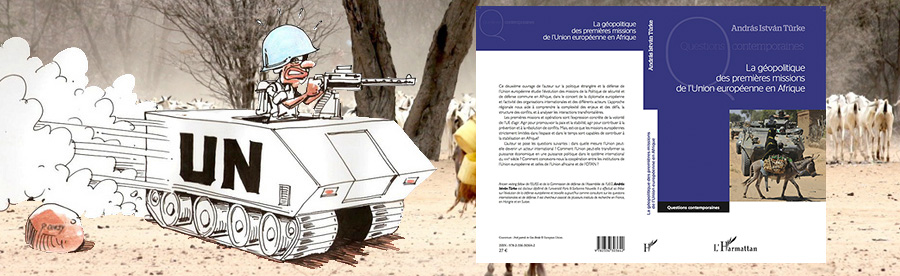
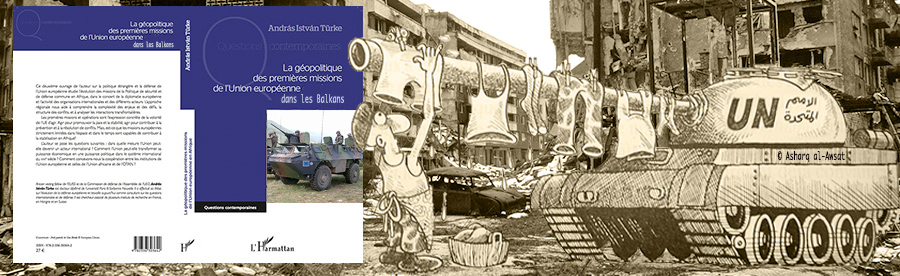
We are looking for sponsors for the English translation of these books, please contact turkeandras(at)gmail(dot)com