
You are here
Afrique
Media advisory - Employment, Social Policy, Health and Consumer Affairs (Employment and social policy) Council of 19 October 2026
Main agenda items, approximate timing, public sessions and press opportunities.
Categories: Afrique, Europäische Union
Begrüßungsworte von Präsident António Costa bei der gemeinsamen Doorstep-Erklärung mit Präsident Wolodymyr Selenskyj und Präsidentin Ursula von der Leyen
Vor Beginn des zweiten Tags der Tagung des Europäischen Rates vom 15./16. Oktober 2026 traten der Präsident des Europäischen Rates António Costa, die Präsidentin der Europäischen Kommission Ursula von der Leyen und der ukrainische Präsident Wolodymyr Selenskyj vor die Presse.
Categories: Afrique, Europäische Union
Schlussfolgerungen des Europäischen Rates zur Wettbewerbsfähigkeit, dem nächsten Mehrjährigen Finanzrahmen sowie dem Thema Erweiterung und Reformen
Der Europäische Rat hat am 15. Oktober Schlussfolgerungen zur Wettbewerbsfähigkeit, dem nächsten Mehrjährigen Finanzrahmen sowie dem Thema Erweiterung und Reformen angenommen.
Categories: Afrique, Europäische Union
President of the Eurogroup, Kyriakos Pierrakakis, discusses “How to raise Europe’s productivity” with the Atlantic Council at the IMF meetings in Bangkok
President of the Eurogroup, Kyriakos Pierrakakis, discussed “How to raise Europe’s productivity” with the Atlantic Council at the IMF meetings in Bangkok
Categories: Afrique, Europäische Union
Schlupflöcher schließen: Rat listet Personen und Organisationen wegen Umgehung von EU-Sanktionen
Der Rat hat restriktive Maßnahmen gegen drei Personen und neun Organisationen erlassen, die an der Einfuhr von mit Sanktionen belegten Gütern nach Russland und an der Umgehung von Sanktionen im Zusammenhang mit Erdöl und Finanztransaktionen beteiligt sind.
Categories: Afrique, Europäische Union
Press briefing - Employment, Social Policy, Health and Consumer Affairs Council (Employment and social policy) of 19 October 2026
Press briefing ahead of the Employment, Social Policy, Health and Consumer Affairs Council (Employment and social policy) will take place on 16 October at 17:00. The briefing will be "off the record".
Categories: Afrique, Europäische Union
Council and Parliament strike deal on updated measures to support organic farming in the EU
The Council and the European Parliament have reached a provisional agreement on simpler and clearer rules on the production, labelling, certification and trade of organic products.
Categories: Afrique, Európai Unió : hírek magyarul
Réunion des ministres sectoriels de l'UEMOA ce 23 octobre
La Commission de l'Union économique et monétaire ouest-africaine (UEMOA) organise, le 23 octobre 2026 à Ouagadougou, une réunion des ministres sectoriels des États membres consacrée à la restitution des livres blancs des filières coton-textile, phosphates-engrais et riz.
Cette rencontre vise à présenter aux ministres sectoriels les livres blancs et les programmes relatifs aux filières coton-textile, phosphates-engrais et riz afin de favoriser leur appropriation, de susciter leur adhésion et d'obtenir leur soutien politique pour une mise en œuvre réussie.
Selon le communiqué de presse, les échanges permettront de recueillir les orientations et recommandations des ministres, ainsi que leur adhésion à la vision régionale. Il s'agira aussi de renforcer leur engagement dans une coalition d'acteurs publics et privés en vue de mobiliser les financements nécessaires et d'assurer la mise en œuvre des livres blancs et des programmes régionaux des filières concernées.
Trois filières prioritaires
Les filières coton-textile, phosphates-engrais et riz sont les trois premières retenues dans le cadre du Plan stratégique 2025-2030 de la Commission de l'UEMOA, dénommé « IMPACT 2030 ». Ce plan constitue une déclinaison de la Vision prospective 2040 de l'Union.
En prélude à la réunion ministérielle, les experts des États membres se retrouveront du 20 au 22 octobre 2026 à Ouagadougou pour une rencontre préparatoire.
Categories: Afrique, Swiss News
Allocation touristique : CPA, BDL, BNA, BEA… quelle banque propose la carte la moins chère ?
Depuis le 19 juillet 2026, l’allocation touristique pour voyage passe obligatoirement par une carte de paiement internationale. Il atteint 750 euros pour les adultes et […]
L’article Allocation touristique : CPA, BDL, BNA, BEA… quelle banque propose la carte la moins chère ? est apparu en premier sur .
Categories: Afrique, Swiss News
Langue arabe obligatoire, programmes étrangers interdits : les écoles privées dans le viseur de l’État
Le gouvernement algérien impose un sévère tour de vis aux établissements d’enseignement privés. À travers le décret exécutif numéro 26-310 du 22 septembre 2026, l’État […]
L’article Langue arabe obligatoire, programmes étrangers interdits : les écoles privées dans le viseur de l’État est apparu en premier sur .
Categories: Afrique, Swiss News
Alger : une arnaque aux visas du hajj et de la omra à plus de 11 milliards
Une affaire d’escroquerie présumée aux visas religieux vient d’éclater à Alger. La brigade de lutte contre la grande criminalité de la 3e sûreté urbaine de […]
L’article Alger : une arnaque aux visas du hajj et de la omra à plus de 11 milliards est apparu en premier sur .
Categories: Afrique, Swiss News
Attaques armées à Ménaka, au Mali : Ce que l'on sait du massacre de plus de 40 civils
Plus de 40 civils ont été tués dimanche 18 octobre dernier dans la localité de Tagadayat, près de Tinabow, dans la région de Ménaka, au nord-est du Mali. Selon plusieurs sources locales et sécuritaires rapportées lundi par l’AFP, les attaques ont été perpétrées par des hommes armés à bord de motos.
Categories: Afrique
Un blessé grave et des dégâts matériels à Djidja
Un accident de la circulation s'est produit dans la matinée de ce mardi 20 octobre 2026 à Avocanzoun, une localité de la commune de Djidja, dans le département du Zou. Le bilan provisoire fait état d'un blessé grave et d'importants dégâts matériels.
Accident à Djidja ce mardi 20 octobre 2026. Un véhicule bâché transportant des commerçantes en route pour le marché d'Agouna et un tricycle seraient entrés en collision. Selon les témoignages recueillis sur place, un dépassement mal maîtrisé serait à l'origine du choc. Sous la violence de l'impact, le véhicule bâché a quitté la chaussée avant de terminer sa course dans un grand caniveau. D'importants dégâts matériels ont été enregistrés.
Le bilan humain selon nos sources, fait état d'un blessé grave, évacué à l'hôpital de zone de Mougnon.
Les éléments du commissariat de Mougnon se sont rendus sur les lieux pour procéder au constat.
F. A. A.
Categories: Afrique, Swiss News
«Ich würde nie wieder für Deutschland spielen!»
Kerem Demirbay spielte zweimal für Deutschland, gewann den Confed Cup und verschwand danach aus dem Nationalteam. Jetzt erhebt er schwere Vorwürfe, auch bezogen auf Rassismus.
Categories: Afrique, Swiss News
Double Chance : les numéros tirés ce mardi
LES RÉSULTATS DOUBLE CHANCE SONT LÀ !
LOTO FORTUNE Tirage N°168/26
Mardi 20 Octobre 2026 (14H)
– Zone A (5 premiers numéros) :
51 • 52 • 35 • 45 • 14
– Zone B (5 derniers numéros) :
38 • 59 • 90 • 67 • 75

Félicitations aux heureux gagnants.
Pas encore cette fois ? Gardez le sourire !
Rendez-vous à 18H pour le prochain tirage.
Jouez avec modération et responsabilité. Le jeu doit rester un plaisir.
A TOI DE JOUER #Akaxòa
#LNBSA #XòGbɔnAlɔkpaVo #JeuResponsable #LaChanceAvecModération
Categories: Afrique, Swiss News
Marché noir des devises en Algérie : l’euro en légère baisse ce 20 octobre
Le taux de change des devises sur le marché informel, communément appelé marché noir, affiche un léger repli ce mardi 20 octobre. L’euro et le […]
L’article Marché noir des devises en Algérie : l’euro en légère baisse ce 20 octobre est apparu en premier sur .
Categories: Afrique, Swiss News
Air Algérie : un nouveau partenariat pour relancer la ligne Alger-Tripoli
Dans le cadre de la réouverture progressive de la ligne Alger-Tripoli, le pavillon national vient de sceller un contrat d’assistance au sol majeur avec Libyan […]
L’article Air Algérie : un nouveau partenariat pour relancer la ligne Alger-Tripoli est apparu en premier sur .
Categories: Afrique, Swiss News
Trois jeunes meurent après le chavirement d'une pirogue
Un chavirement de pirogue sur le fleuve Mékrou a fait trois morts, dimanche 18 octobre 2026, dans l'arrondissement de Gnèmasson, commune de Ouassa-Péhunco, dans le département de l'Atacora.
Trois morts, c'est le bilan d'un chavirement de barque dimanche 18 octobre 2026 à Gnèmasson, commune de Ouassa-Péhunco. Selon les informations rapportées par Naanè FM, douze jeunes s'apprêtaient à traverser le fleuve lorsque le drame s'est produit. Alors que sept d'entre eux avaient déjà pris place dans la pirogue, celle-ci a chaviré, précipitant ses occupants dans l'eau.
Malgré l'intervention des riverains, trois jeunes n'ont pu être sauvés. L'une des victimes selon le chef du village, serait originaire de Gnèmasson et les deux autres, de Bibékou.
Après ce drame, les autorités locales ont appelé les populations à davantage de prudence lors des traversées du fleuve. Elles insistent notamment sur le respect des règles de sécurité et la nécessité d'éviter la surcharge des pirogues, particulièrement en cette période de montée des eaux.
F. A. A.
Categories: Afrique, Swiss News
La première femme Premier ministre du Maroc prise entre le roi, les religieux et les féministes
Fatima El Mansouri parviendra-t-elle à faire progresser les droits des femmes malgré les barrières religieuses et politiques ?
Categories: Afrique
Votre facture d’électricité va-t-elle augmenter en 2027 ? Adjal répond
Le ministre de l’Énergie et des Énergies renouvelables, Mourad Adjal, a tranché : aucune hausse des tarifs de l’électricité n’est inscrite dans le projet de […]
L’article Votre facture d’électricité va-t-elle augmenter en 2027 ? Adjal répond est apparu en premier sur .
Categories: Afrique, Swiss News
Pages
the old site is here


© 2012-2015 Europa Varietas Foundation © 2015-2020 Europa Varietas Association
www.europavarietas.org | info(@)europavarietas(dot)org | Switzerland
This is a GDPR ready site
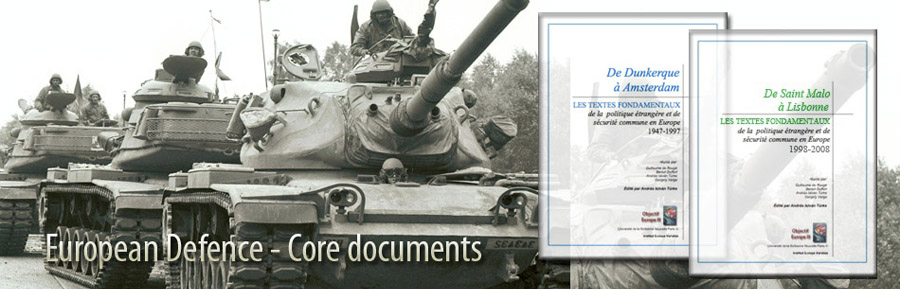
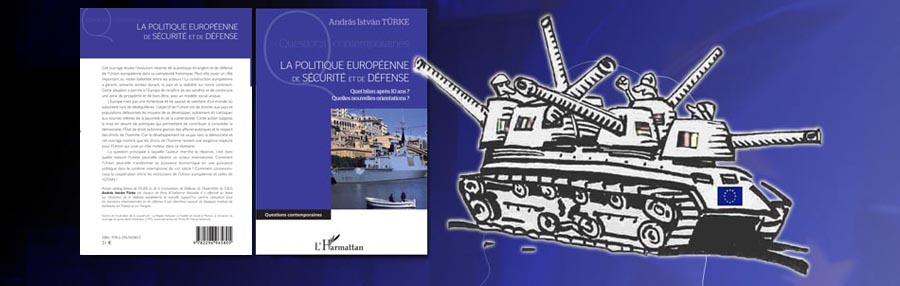
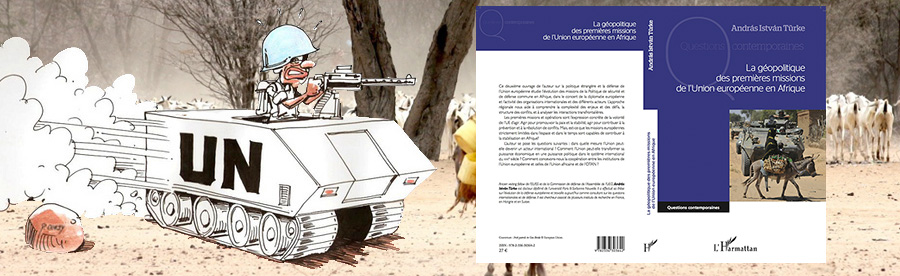
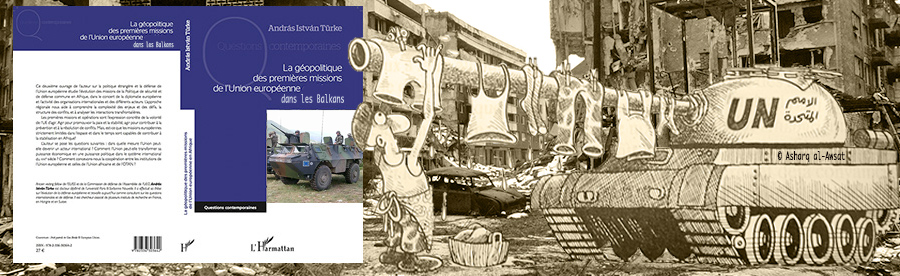
We are looking for sponsors for the English translation of these books, please contact turkeandras(at)gmail(dot)com