
You are here
Feed aggregator
Stierli trifft mit einem Traumfreistoss in der Nachspielzeit
Julia Stierli trifft in der Nachspielzeit mit einem Traum-Freistoss aus knapp 25 Metern.
Categories: Határon túli magyar portálok összesített hírei, Swiss News
Grippe saisonnière : êtes-vous prioritaire pour le vaccin ?
Le ministère de la Santé annonce le lancement de la campagne de vaccination contre la grippe saisonnière pour 2026-2027. Elle débutera le 27 octobre, avec […]
L’article Grippe saisonnière : êtes-vous prioritaire pour le vaccin ? est apparu en premier sur .
Categories: Afrique, Swiss News
Le Groupe Ecobank inaugure de nouveaux bureaux à Pékin
Le Groupe Ecobank a inauguré ses nouveaux bureaux à Pékin, consolidant ainsi sa présence en Chine, où elle est établie depuis plus de dix ans, et offrant aux entreprises et institutions financières chinoises un accès encore plus direct à son réseau bancaire panafricain.
Présente dans 34 marchés africains, Ecobank associe une connaissance approfondie des réalités locales à des capacités régionales couvrant le financement du commerce, les paiements, la gestion de trésorerie et les solutions de fonds de roulement. Son implantation à Pékin permet aux clients chinois d'interagir plus étroitement avec les équipes d'Ecobank ainsi qu'avec ses bureaux dédiés à la clientèle chinoise en Afrique de l'Ouest, centrale et de l'Est.
Pour les entreprises chinoises qui développent leurs activités à travers le continent africain, opérer dans plusieurs pays implique souvent de composer avec des devises, des réglementations, des systèmes de paiement et des environnements commerciaux différents. Grâce à son modèle panafricain unique, Ecobank facilite cette expansion en offrant un point d'entrée bancaire unique, appuyé par une exécution locale dans chaque marché.
Ecobank est présente en Chine depuis l'ouverture de son Bureau de représentation de Pékin en 2012. L'inauguration de ces nouveaux locaux marquent une nouvelle étape dans son développement dans un contexte où les relations économiques entre la Chine et l'Afrique continuent de se renforcer dans des secteurs tels que le commerce, l'industrie manufacturière, les infrastructures, la technologie, l'énergie et bien d'autres.
Les échanges commerciaux entre la Chine et l'Afrique ont atteint un niveau record d'environ 348 milliards de dollars américains en 2025. Parallèlement, la Chine a accordé un accès en franchise de droits de douane à l'ensemble des 53 pays africains avec lesquels elle entretient des relations diplomatiques, créant ainsi de nouvelles opportunités pour les exportations africaines et favorisant l'approfondissement des relations commerciales entre les deux régions.
La plateforme Chine d'Ecobank s'appuie sur un réseau croissant de partenariats avec des institutions financières chinoises et des acteurs spécialisés dans les paiements transfrontaliers. En décembre 2025, Ecobank a signé un protocole d'accord avec Bank of China (Mauritius), prolongeant une relation initiée avec Bank of China dès 2010, afin de renforcer leur coopération dans les domaines du financement du commerce, du règlement des transactions transfrontalières et d'autres services financiers soutenant les flux économiques entre la Chine et l'Afrique.
Le Groupe collabore également avec des partenaires tels que XTransfer afin d'élargir l'accès aux services financiers transfrontaliers pour les entreprises engagées dans les échanges commerciaux entre la Chine et l'Afrique.
Les nouveaux bureaux de Pékin constitueront un point central des relations d'Ecobank avec les entreprises chinoises, les institutions financières, les investisseurs et les partenaires commerciaux. Ils permettront de mettre en relation leurs besoins avec l'expertise bancaire et la connaissance des marchés locaux offertes par le réseau du Groupe à travers l'Afrique.
En renforçant sa présence en Chine tout en s'appuyant sur son réseau couvrant 34 marchés africains, Ecobank ambitionne de faciliter l'accès des entreprises chinoises aux opportunités du continent et d'accompagner les entreprises africaines dans leurs activités commerciales et leur croissance avec la Chine.
A propos du Groupe Ecobank
Groupe Ecobank est le premier groupe bancaire panafricain du secteur privé, reconnu pour son expertise unique du continent africain. Présent dans 34 pays d'Afrique subsaharienne ainsi qu'en France, au Royaume-Uni, aux Émirats arabes unis et en Chine, il offre, grâce à sa plateforme panafricaine intégrée, un accès unique aux services de paiements, de gestion de trésorerie, de commerce international et d'investissement. Le Groupe emploie plus de 14 000 collaborateurs et propose à plus de 32 millions de clients des produits, services et solutions de banque de détail, commerciale, d'entreprise et d'investissement, accessibles via de multiples canaux, notamment digitaux.
Categories: Afrique, Swiss News
Exportation : 2,3 tonnes de médicaments « Made in Algeria » expédiées vers la Côte d’Ivoire
Une cargaison de 2,3 tonnes de médicaments algériens a pris la direction de la Côte d’Ivoire, selon un communiqué du ministère de l’Industrie pharmaceutique. L’opération […]
L’article Exportation : 2,3 tonnes de médicaments « Made in Algeria » expédiées vers la Côte d’Ivoire est apparu en premier sur .
Categories: Afrique, Swiss News
Ecobank et CIPS s'associent pour renforcer le corridor financier entre la Chine et l'Afrique
Le Groupe Ecobank a signé un protocole d'accord avec le Cross-Border Interbank Payment System (CIPS) afin de renforcer la connectivité des paiements en renminbi (RMB) entre la Chine et l'Afrique. La cérémonie de signature s'est tenue en présence du ministre des Finances et du budget de la République du Togo, en marge de la visite officielle du Président du conseil de la République du Togo, Faure Essozimna Gnassingbe, en Chine. Cela souligne l'importance stratégique du renforcement des relations économiques et financières entre la Chine, le Togo et l'ensemble du continent africain.
Cette étape majeure s'inscrit dans la stratégie de long terme d'Ecobank visant à rapprocher les entreprises et institutions financières chinoises de son réseau bancaire panafricain couvrant 34 marchés africains.
Cette collaboration avec CIPS a pour objectif d'élargir les capacités de paiement et de compensation en RMB entre la Chine et l'Afrique. Elle devrait faciliter les règlements en monnaie chinoise, réduire la complexité des opérations de compensation et améliorer l'accès aux canaux de paiement transfrontaliers, tout en renforçant l'infrastructure financière qui soutient les échanges commerciaux sino-africains.
Renforcer les infrastructures au service du commerce sino-africainLa Chine demeure le premier partenaire commercial de l'Afrique, avec un volume d'échanges bilatéraux ayant atteint environ 348 milliards de dollars américains en 2025. Dans un contexte de croissance continue des échanges, les infrastructures de paiement, de règlement et des services bancaires performants deviennent des leviers essentiels pour les entreprises opérant entre les deux régions.
Commentant cette annonce, Jeremy Awori, directeur général du Groupe Ecobank, a déclaré :
« Les échanges entre la Chine et l'Afrique sont devenus l'un des corridors économiques les plus dynamiques au monde. À mesure que les relations commerciales se renforcent et que les flux d'investissement s'intensifient, les infrastructures financières qui les soutiennent doivent évoluer au même rythme. »
« Notre partenariat avec CIPS renforce l'interconnexion entre l'écosystème de paiement en renminbi de la Chine et le vaste réseau africain d'Ecobank. Il accroît notre capacité à accompagner les importateurs, exportateurs et entreprises souhaitant développer leurs activités entre l'Afrique et la Chine de manière plus efficace et en toute confiance. Notre ambition est de rendre l'Afrique plus accessible aux entreprises basées en Chine, tout en permettant aux sociétés africaines d'interagir plus efficacement avec les marchés chinois. »
Une plateforme Chine-Afrique en pleine expansionEcobank est présente en Chine depuis 2012. Dans le cadre de son engagement à approfondir les relations économiques entre la Chine et l'Afrique, le Groupe a officiellement inauguré ses nouveaux bureaux à Pékin, renforçant ainsi sa présence locale et offrant aux entreprises, institutions financières et investisseurs chinois un point d'accès privilégié à son réseau panafricain.
Grâce à ses Bureaux dédiés à la Chine présents en Afrique de l'Ouest, en Afrique centrale et en Afrique de l'Est, Ecobank met à la disposition de ses clients une expertise locale ainsi qu'une gamme complète de solutions bancaires couvrant le financement du commerce, les paiements, la gestion de trésorerie et les investissements transfrontaliers.
Le corridor Chine-Afrique constitue l'un des axes de croissance stratégiques de la feuille de route de la stratégie de Croissance, Transformation et Rendements (GTR) du Groupe Ecobank. Le partenariat avec CIPS vient renforcer un écosystème plus large de collaborations destinées à faciliter les échanges commerciaux, les investissements et les flux de paiement entre la Chine et l'Afrique. Il s'ajoute notamment aux récentes coopérations engagées entre Ecobank et Bank of China (Mauritius) ainsi qu'aux partenariats conclus avec plusieurs plateformes de paiement transfrontalier, dont XTransfer, YeePay et WorldFirst.
À travers sa présence à Pékin, ses partenariats stratégiques et son réseau bancaire couvrant 34 marchés africains, Ecobank contribue à consolider l'infrastructure financière nécessaire pour accompagner la prochaine phase de croissance du commerce et des investissements entre la Chine et l'Afrique.
À propos du Groupe Ecobank
Le Groupe Ecobank est le premier groupe bancaire panafricain du secteur privé et bénéficie d'une expertise inégalée sur le continent africain. Présent dans 34 pays d'Afrique subsaharienne ainsi qu'en France, au Royaume-Uni, aux Émirats arabes unis et en Chine, il offre, grâce à sa plateforme panafricaine unique, un point d'accès intégré aux services de paiement, de gestion de trésorerie, de commerce international et d'investissement.
Le Groupe emploie plus de 14 000 collaborateurs et sert plus de 32 millions de clients à travers une large gamme de produits et services destinés aux particuliers, aux entreprises, aux grandes corporates et aux investisseurs, via des canaux physiques et digitaux.
Categories: Afrique, Swiss News
Enlargement: EU opens accession negotiations with Ukraine on internal market, competitiveness and inclusive growth
The EU and Ukraine opened negotiations on the EU acquis related to internal market, competitiveness and inclusive growth.
Categories: European Union, Swiss News
Enlargement: Albania and EU provisionally close negotiations on enterprise and industrial policy
The EU and Albania provisionally closedaccession negotiations on enterprise and industrial policy (chapter 20).
Categories: European Union, Swiss News
Enlargement: EU opens accession negotiations with Ukraine on internal market, competitiveness and inclusive growth
The EU and Ukraine opened negotiations on the EU acquis related to internal market, competitiveness and inclusive growth.
Categories: Europäische Union, Swiss News
Enlargement: Albania and EU provisionally close negotiations on enterprise and industrial policy
The EU and Albania provisionally closedaccession negotiations on enterprise and industrial policy (chapter 20).
Categories: Africa, Europäische Union
Enlargement: EU opens accession negotiations with Ukraine on internal market, competitiveness and inclusive growth
The EU and Ukraine opened negotiations on the EU acquis related to internal market, competitiveness and inclusive growth.
Categories: Africa, Európai Unió : hírek magyarul
Enlargement: Albania and EU provisionally close negotiations on enterprise and industrial policy
The EU and Albania provisionally closedaccession negotiations on enterprise and industrial policy (chapter 20).
Categories: Africa, Európai Unió : hírek magyarul
«Times»-Bericht enthüllt mutmassliche Zusatzzahlung an Infantino
Ein zweites Salär in Millionenhöhe, aber nur eines öffentlich ausgewiesen? Ein brisanter Bericht der «Times» bringt Fifa-Präsident Gianni Infantino unter Druck.
Categories: Határon túli magyar portálok összesített hírei, Swiss News
Italienerin prellt Restaurants im grossen Stil – jetzt wehren sich Wirte
Eine 57-jährige Italienerin soll in Norditalien über 300-mal Rechnungen in Restaurants und Hotels nicht bezahlt haben. Mehrfach kam es zu Randalen. Nach neuen Vorfällen warnen Geschäftsinhaber nun vor der Masche.
Categories: Határon túli magyar portálok összesített hírei, Swiss News
«Alle wollen zum Äscher, und ich weiss jetzt, ob es sich lohnt»
Instagram-Idylle oder Touristenfalle? Der Äscher und der Seealpsee gehören zu den bekanntesten Ausflugszielen im Alpstein. Doch das eine gilt als überlaufen, der Weg zum anderen als gefährlich. Blick macht den Selbsttest – mit überraschendem Ergebnis.
Categories: Határon túli magyar portálok összesített hírei, Swiss News
«Es ist Mittwoch – und trotzdem voll»
Instagram-Idylle oder Touristenfalle? Der Aescher und der Seealpsee gehören zu den bekanntesten Ausflugszielen im Alpstein. Doch das eine gilt als überlaufen, der Weg zum anderen als gefährlich.
Categories: Határon túli magyar portálok összesített hírei, Swiss News
Wie gross sind seine Heilungschancen?
Papst Leo XIV. musste sich aufgrund von Lungenkrebs einer Operation unterziehen. Mittlerweile konnte er wieder in sein Zimmer zurückkehren. Die bange Frage ist: Kann er sein Amt noch weiter ausüben?
Categories: Határon túli magyar portálok összesített hírei, Swiss News
Algérie-UE : lancement du programme « EU–Algeria for Business »
L’Algérie et l’Union européenne préparent un nouveau programme de partenariat intitulé « EU–Algeria for Business ». Il vise à promouvoir l’investissement, à améliorer le climat […]
L’article Algérie-UE : lancement du programme « EU–Algeria for Business » est apparu en premier sur .
Categories: Afrique, Swiss News
Métiers du numérique en Algérie : Code213 mise sur la pratique et l’alternance
À Alger, l’École de Tech 213, plus connue sous le nom de Code213, associe formations diplômantes, parcours courts et accompagnement des entreprises. Son offre met […]
L’article Métiers du numérique en Algérie : Code213 mise sur la pratique et l’alternance est apparu en premier sur .
Categories: Afrique, Swiss News
Un faux policier interpellé à Kétou
Un individu se faisant passer pour un policier a été interpellé, dimanche 11 octobre 2026, par les éléments de la Police républicaine de Kétou, après des plaintes pour escroquerie et enlèvement présumé.
Un faux policier est accusé d'avoir soutiré 100 000 FCFA à une victime sous prétexte de lui procurer une moto lors d'une vente aux enchères au commissariat. Selon les informations, le suspect s'est également rendu dans une cafétéria de Kétou, où il aurait emmené la caissière ainsi que la recette du jour. Il aurait ensuite retenu la jeune femme à son domicile en prétendant la placer en garde à vue pendant deux semaines.
Les investigations menées par la police ont permis de l'identifier et de l'interpeller le dimanche 11 octobre 2026. Une perquisition à son domicile a permis de découvrir une tenue de police camouflée qu'il utilisait pour se faire passer pour un agent des forces de sécurité.
Le suspect est gardé à vue et devrait être présenté au procureur de la République.
Categories: Afrique, Swiss News
Loto Fortune : la combinaison gagnante du tirage de 18 H
LES RÉSULTATS LOTO FORTUNE SONT LÀ !
TIRAGE N°164/26
Mardi 13 octobre 2026 (18H)
80 • 27 • 67 • 32 • 21
Félicitations aux heureux gagnants !
Pas encore gagné ? Gardez le sourire !
Rendez-vous au prochain tirage de 20H pour une nouvelle chance.
Jouez dans les centres de jeux ou en ligne : Tapez 590# ou lnbloto.bj
Jouez avec modération et responsabilité. Le jeu doit rester un plaisir.
A TOI DE JOUER #Akaxòa
#LNBSA #XòGbɔnAlɔkpaVo #JeuResponsable #LaChanceAvecModération
Categories: Afrique, Swiss News
Pages
the old site is here


© 2012-2015 Europa Varietas Foundation © 2015-2020 Europa Varietas Association
www.europavarietas.org | info(@)europavarietas(dot)org | Switzerland
This is a GDPR ready site

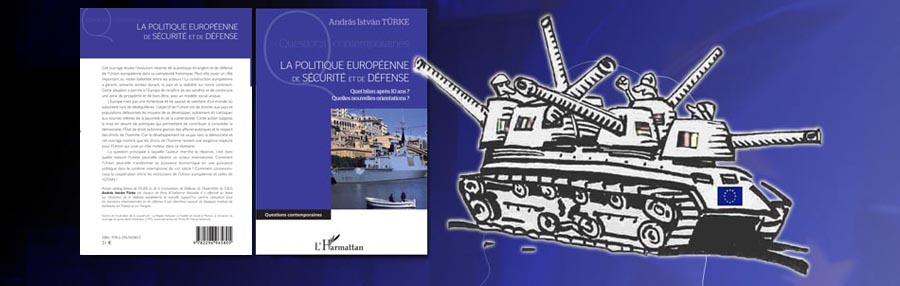
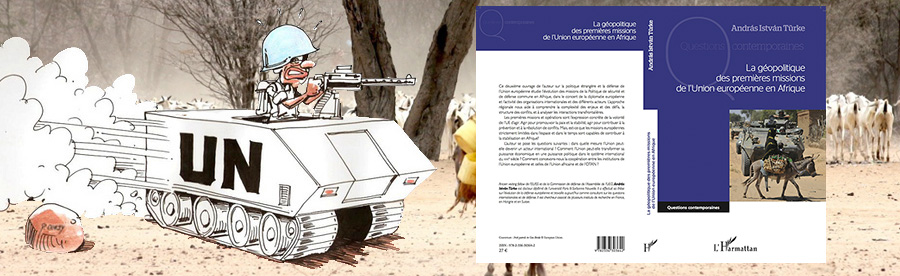
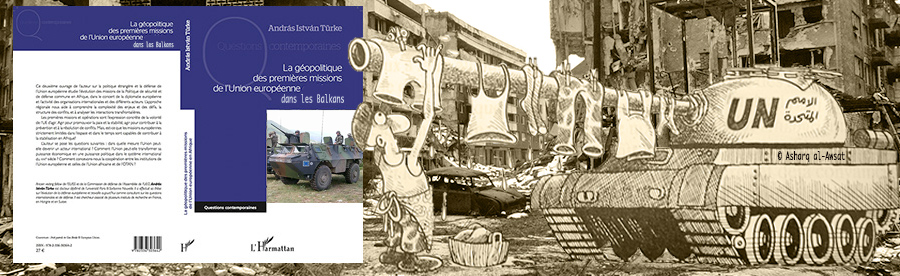
We are looking for sponsors for the English translation of these books, please contact turkeandras(at)gmail(dot)com