
You are here
Feed aggregator
Die französische Autorevolution
An ihrem Heimspiel am Pariser Autosalon übertreffen sich die französischen Hersteller mit coolen Conceptcars. Während der Star der Messe bereits dem Serienmodell entspricht, blicken andere Marken ferner in die Zukunft und lassen ihre Fans träumen.
Categories: Határon túli magyar portálok összesített hírei, Swiss News
Hier soll in zwei Wochen der Ski-Weltcup starten
Am 24. Oktober soll die Weltcup-Saison im Ski beginnen. Trotz wenig Schnee auf dem Rettenbachgletscher laufen die Vorbereitungen auf Hochtouren, dabei konnte man sogar auf Schneedepots zurückgreifen.
Categories: Afrique, Swiss News
Schüler überraschen ihren Lehrer am Geburtstag
Ein Lehrer aus Kentucky, USA, erlebte an seinem Geburtstag eine besonderen Moment. Seine Schüler überraschen ihn mit Geschenken für seine grosse Sammlung.
Categories: Afrique, Swiss News
Alarmstufe Rot beim FCB: Diese Probleme muss Jokanovic lösen
Das 0:3 in Vaduz hat dem neuen FCB-Trainer gnadenlos aufgezeigt, woran es seiner Mannschaft derzeit mangelt.
Categories: Afrique, Swiss News
Snapchat-Job endet für Schweizer in Thai-Gefängnis
Über Snapchat lockten Kriminelle zwei Schweizer Jugendliche nach Thailand. Am Flughafen Phuket klickten die Handschellen – wegen 32 Kilo Cannabis.
Categories: Afrique, Swiss News
Selma Blair dreht in Flugzeug durch
Was ist mit Selma Blair passiert? Die US-Schauspielerin benahm sich in einem Flugzeug total daneben. Nach der Landung in New York wurde sie verhaftet.
Categories: Afrique, Swiss News
Enlargement: EU and Montenegro close accession negotiations in the areas of economic and monetary policy, statistics, and social policy and employment
The EU and Montenegro provisionally closed accession negotiations on economic and monetary policy (chapter 17), statistics (chapter 18) and social policy and employment (chapter 19).
Categories: Afrique, Európai Unió : hírek magyarul
Les résultats du tirage DIGITAL 00 H
DIGITAL 00H : Avez-vous tenté votre chance ?
Le tirage DIGITAL 00H N°261 a livré son verdict !
Mardi 13 Octobre 2026
Avez-vous joué ?
Avez-vous misé sur vos numéros porte-bonheur ?
RÉSULTAT : 06 • 72 • 76 • 44 • 69
Félicitations aux heureux gagnants !
Pas encore cette fois ? Gardez le sourire.
Rendez-vous à 08H pour le prochain tirage.
Jouez dans les points de vente ou : Tapez *590# ou rendez-vous sur lnbloto.bj
Jouez avec modération et responsabilité. Le jeu doit rester un plaisir.
A TOI DE JOUER #XòGbɔnAlɔkpaVo
#LNBSA #JeuResponsable #LaChanceAvecModération
Categories: Afrique, Europäische Union
Pouvoir d’achat : comment l’État compte soutenir les Algériens en 2027
Céréales, lait, allocation chômage, logement… Le projet de loi de finances pour 2027 prévoit d’importantes enveloppes pour soutenir le pouvoir d’achat des Algériens. Avec 18,5 […]
L’article Pouvoir d’achat : comment l’État compte soutenir les Algériens en 2027 est apparu en premier sur .
Categories: Afrique
Passeport algérien : où voyager sans visa, avec e-visa ou visa à l’arrivée ?
Où voyager avec un passeport algérien sans effectuer une demande de visa auprès d’une ambassade ? Voici une sélection de destinations et de formalités d’entrée, […]
L’article Passeport algérien : où voyager sans visa, avec e-visa ou visa à l’arrivée ? est apparu en premier sur .
Categories: Afrique
Voici le budget des ministères et institutions de la République
Le projet de budget de l'État pour 2027 prévoit 2 607,39 milliards de FCFA de crédits au profit des ministères et institutions, contre 2 352,98 milliards de FCFA dans la loi de finances rectificative de 2026. Cette enveloppe représente une hausse de 10,8 %.
Le ministère du Cadre de vie et des Transports, chargé du Développement durable, bénéficie de la plus importante dotation, avec 594,075 milliards de FCFA. Il est suivi du ministère de l'Enseignement supérieur et de la Recherche scientifique, doté de 313,17 milliards, et de celui de l'Énergie, de l'Eau et des Mines, qui dispose de 225,47 milliards de FCFA.
Le secteur de l'éducation mobilise également des crédits importants. L'Enseignement maternel et primaire bénéficie de 212,26 milliards de FCFA, tandis que l'Enseignement secondaire dispose de 124,838 milliards. Le ministère de la Santé est doté de 174,83 milliards de FCFA et celui de l'Agriculture, de l'Élevage et de la Pêche de 181,93 milliards.
Du côté des institutions, la Présidence de la République bénéficie de 73,515 milliards de FCFA, contre 69,80 milliards en 2026, soit une hausse de 5,3 %. L'Assemblée nationale enregistre, en revanche, une baisse de 4,4 %, avec 31,64 milliards de FCFA. Le Sénat, dont la dotation passe de 100 millions à 3,64 milliards de FCFA, figure également parmi les institutions budgétisées pour 2027.
Le Conseil économique et social dispose de 5,295 milliards de FCFA, en hausse de 40,7 %. Cette progression s'explique par la reprise des attributions de l'ancien Médiateur de la République. Les autres institutions affichent des dotations comprises entre 960,869 millions et 4,92 milliards de FCFA.
Au total, le projet de loi de finances pour 2027 est équilibré en ressources et en charges à 4 757,029 milliards de FCFA, soit une progression annoncée de 14,7 % par rapport à la loi de finances rectificative de 2026. Le gouvernement prévoit une croissance économique d'au moins 8 % et entend orienter les dépenses vers cinq priorités : la modernisation de l'agriculture, la promotion industrielle, le tourisme et la culture, l'innovation technologique ainsi que le renforcement du capital humain.
Le projet de loi de finances sera examiné par les députés lors de la prochaine session parlementaire, dont l'ouverture est prévue le 19 octobre 2026.
Budget des ministères pour 2027
– Cadre de vie et Transports, chargé du Développement durable : 594,075 milliards FCFA
– Enseignement supérieur et Recherche scientifique : 313,17 milliards FCFA
– Énergie, Eau et Mines : 225,47 milliards FCFA
– Enseignement maternel et primaire : 212,26 milliards FCFA
– Agriculture, Élevage et Pêche : 181,93 milliards FCFA
– Santé : 174,83 milliards FCFA
– Enseignement secondaire : 124,838 milliards FCFA
– Défense nationale : 113,98 milliards FCFA
– Intérieur et Sécurité publique : 90,73 milliards FCFA
– Décentralisation et Gouvernance locale : 62,95 milliards FCFA
– Justice et Législation : 53,21 milliards FCFA
– Sports et Engagement : 44,82 milliards FCFA
– PME et Promotion de l'emploi, chargé de la formation professionnelle : 41,79 milliards FCFA
– Tourisme et Commerce extérieur : 38 milliards FCFA
– Économie et Finances : 37,18 milliards FCFA
– Finances et Microfinance : 36,81 milliards FCFA
– Famille et Action sociale : 28,72 milliards FCFA
– Culture, Arts et Patrimoine : 22,57 milliards FCFA
– Affaires étrangères : 20,78 milliards FCFA
– Budget et Fonction publique : 18,61 milliards FCFA
– Communication et Médias : 12,39 milliards FCFA
– Transformation digitale et Innovation : 11,589 milliards FCFA
– Commerce intérieur : 7,40 milliards FCFA
– Mobilisation des ressources extérieures : 7,02 milliards FCFA
Budget des institutions pour 2027
– Présidence de la République : 73,515 milliards FCFA
– Assemblée nationale : 31,64 milliards FCFA
– Sénat : 3,64 milliards FCFA
– Conseil économique et social : 5,295 milliards FCFA
– Cour des comptes : 4,92 milliards FCFA
– Cour suprême : 3,97 milliards FCFA
– Haute Autorité de l'audiovisuel et de la communication (HAAC) : 3,34 milliards FCFA
– Cour constitutionnelle : 2,84 milliards FCFA
– Autorité de protection des données à caractère personnel : 1,077 milliard FCFA
– Commission béninoise des droits de l'homme : 1,03 milliard FCFA
– Haute Cour de justice : 960,869 millions FCFA
Categories: Afrique
La COPAGEN promeut l'agroécologie et les semences paysannes
La Coalition pour la protection du patrimoine génétique africain (COPAGEN), a tenu un Village agroécologique, samedi 8 août 2026, sur le thème : « Nourrir les hommes sans empoisonner la planète ». La rencontre organisée en marge du Forum social international, a eu pour cadre, le jardin botanique du campus universitaire d'Abomey-Calavi.
« La souveraineté semencière en Afrique de l'ouest et les outils de plaidoyer » et « Forum multiacteurs sur l'agroécologie », sont les deux thématiques développées sur des panels à l'occasion du Village agroécologique de la COPAGEN. L'initiative selon Balkissa DAOURA, Secrétaire exécutive de la COPAGEN, s'inscrit dans le cadre de leur mission d'alerte aux dangers menaçant l'agriculture et la biodiversité en Afrique. Les panels offrent l'espace aux experts ayant travaillé sur différents programmes, de partager leurs expériences avec les participants.
Sur la question de la Souveraineté semencière en Afrique de l'ouest
Pour Abdoul-Aziz SAÏDOU du Centre Imaan research du Niger, l'un des experts du programme EGALE-AO, le panel sur « La souveraineté semencière en Afrique de l'Ouest et les outils de plaidoyer », pose les enjeux liés à la semence qui, d'après lui, est une « question centrale » pour le système agricole africain. « Aujourd'hui, on travaille beaucoup pour faire avancer les questions de transition agroécologique, et la semence est l'objet au centre de cette transition », a-t-il confié.
Le plaidoyer de la COPAGEN selon cet expert, est adressé aux Etats et aux structures sous régionales telles la CEDEAO (Afrique de l'Ouest), les autres communautés économiques régionales africaines, l'Union africaine (UA), ainsi que les instances internationales intervenant dans la régulation semencière et dans les politiques semencières. Il consiste à « reconnaitre » les systèmes semenciers gérés par les paysans, et qu'aucune disposition légale ne reconnait encore. Ceci, faute de mécanismes, de stratégies et de politiques permettant de les mettre en valeur au même titre que les semences d'origine industrielle, a expliqué Dr Abdoul-Aziz SAÏDOU. Il n'a pas manqué de souligner l'effort de reconnaissance de la COPAGEN pour la mise en place de stratégies ou des plans d'action visant à valoriser les semences paysannes.

Pour les autres experts d'Enda Pronat du Sénégal, d'Inades Formation au Burkina Faso et au Togo, de Tiniguena de la Guinée Bissau ayant contribué au programme EGALE-AO, la souveraineté semencière, relève de la possibilité pour une communauté, un pays, ou un territoire, de parvenir de « façon autonome », à conserver, à multiplier, et à gérer ses semences de sorte que son système de production ne dépende de semences importées ou de systèmes contrôlés par des groupes industriels. Elément fondamental qui permet de rétablir le droit des agriculteurs et de valoriser le patrimoine génétique disponible au sein des communautés, et par-delà, les pays.
Forum multi acteurs sur l'agroécologie
Ce panel vise à mettre en évidence les principaux acquis, les défis et les perspectives pour accélérer la transition agroécologique dans un contexte marqué par les enjeux de souveraineté alimentaire, de résilience climatique et de développement durable.
Ibrahim HAMADOU, Coordonnateur régional du programme OXFAM, a indiqué que l'agroécologie dans sa dimension « mouvement » doit réunir plusieurs acteurs ; élément important qui facilite le dialogue et la promotion. Pour lui, le « Forum multi acteurs sur l'agroécologie » s'inscrit dans cette dynamique de promotion de l'agroécologie à travers différentes dynamiques en Afrique de l'Ouest.

L'initiative du Village Agroécologique selon Balkissa DAOURA, Secrétaire Exécutive de la COPAGEN, vise à offrir un espace de cohésion autour de l'agroécologie paysanne impliquant divers acteurs de la société civile. Ces acteurs selon ses explications, travaillent pour accélérer la transition agroécologique dans la région. Et ce cadre de concertation permettra au public de comprendre ce qui est fait en terme de synergie et de mutualisation pour véritablement accélérer la transition agroécologique non seulement dans la région Afrique de l'Ouest, mais aussi, porter le mouvement au niveau des instances régionales et continentales telles que l'Union africaine.
Pour sa part, Souleymane YOUGBARÉ du CnaBio au Burkina Faso a partagé la contribution des mouvements sociaux, des organisations paysannes, des organisations de la société civile, des réseaux d'acteurs et des partenaires techniques à l'émergence, à la structuration, à l'institutionnalisation et à la mise à l'échelle de l'agroécologie au Burkina Faso.
Le panel vise également à mettre en évidence les principaux acquis, les défis et les perspectives pour accélérer la transition agroécologique dans un contexte marqué par les enjeux de souveraineté alimentaire, de résilience climatique et de développement durable.
Moulaye DEMBÉLÉ quant à lui a évoqué les différentes collaborations du Réseau Wassa Mali au profit de l'agroécologie paysanne. Il a cité en exemple le Centre Sahélien pour la Biodiversité, un réseau qui forme et accompagne les jeunes pour l'adoption des pratiques agroécologiques.
À travers le programme APAESC-AO, plusieurs résultats ont été obtenus, notamment la mise en place des « écoleaders », et des relais au niveau des communautés qui facilitent l'expansion de l'agroécologie paysanne au sein des terroirs dans un contexte de crise sécuritaire, contribuant ainsi à l'autonomisation des groupements féminins de Ségou, Koutiala et Dioïla.

Coordonnateur APAESC-AO Ibrahim Hamadou, Moulaye Dembélé Wassa Mali, Ramadan Sylla CNOP Mali, Razack Belemgnegré BeoNeeré Burkina Faso, Souleymane Yougbare CnaBio Burkina Faso, et Alou Coulibaly CAD Mali
Pour Abdoul Razack BELEMGNEGRÉ de la ferme-école agroécologique Beo neeré au Burkina Faso, l'agroécologie renforce les capacités agroécologiques des jeunes et des femmes à travers l'immersion aux pratiques agroécologiques, la production de semences paysannes, l'élevage, le maraîchage et la recherche-action.
Alou COULIBALY a présenté le dispositif itinérant mis en place par le Réseau Wassa Mali pour rapprocher les producteurs des consommateurs, dans le cadre de la commercialisation des produits agroécologiques et de la promotion de la consommation des mets locaux. Il s'est focalisé sur la synergie, le travail collectif et l'engagement des mouvements sociaux maliens pour la promotion de l'agroecologie paysanne au niveau national et local et sa prise en compte dans les politiques publiques et privées.
Le CAD Mali a permis à 20 mairies d'insérer une ligne budgétaire spécifique pour l'agroécologie paysanne dans leurs PDSEC (Plan de Développement Économique, Social et Culturel) et au niveau national, la participation et l'implication des acteurs de l'Agroécologie Paysanne dans l'élaboration de la Stratégie Nationale Agroécologique et sa transition au Mali.
Quant à Souleymane OUSMANE du Réseau des Chambres d'Agriculture au Niger (RECA Niger), leur engagement sur les systèmes alimentaires en transition agroécologique se traduit dans la vulgarisation des pratiques agroécologiques et surtout l'appui-conseil au plus proche des producteurs et des organisations agricoles pour faciliter l'innovation agroécologique. Le réseau est aussi réputé dans le partage régulier de fiches techniques et de diagnostics sur leur portail et la plus grande bibliothèque en ligne en développement rural en Afrique de l'Ouest (DUDDAL).

Ramadan SYLLA de la Coordination Nationale des Organisations Paysannes (CNOP) Mali a presenté le Centre International de Formation en Agroécologie Paysanne (CIFAN) formant des relais qui deviennent à leur tour des formateurs dans leurs villages assurant la transmission des savoirs de manière autonome. La CNOP a impulsé l'élaboration de documents importants en Agroécologie tels que le Manifeste de Nyéléni tout en soutenant les labels locaux via le système participatif de garantie (SPG) pour certifier les produits issus de l'agroéologie en facilitant les circuits de vente et en rapprochant les consommateurs aux producteurs.
Categories: Afrique
Ambri-Kultfigur Pestoni musste zuschauen – bis er fit genug ist
Weil er geforderte Fitness-Werte nicht erreichte, wurde Inti Pestoni von Trainer Tapola lange nicht eingesetzt. Es ist nicht das erste Mal, dass der Leventiner mit seiner fehlenden Form konfrontiert wurde. Der 35-Jährige, dessen Vertrag ausläuft, kann es einordnen.
Categories: Afrique, Swiss News
Le pari de Moov Africa pour propulser l'e-sport béninois
Les défis de l'industrie du gaming ont été au cœur d'un panel organisé, samedi 10 octobre 2026 à Cotonou, en marge de la finale de la Moov Gaming League 4.
« Innovation technologique et gaming : quels modèles de partenariat entre opérateurs télécoms, équipementiers et acteurs locaux ? ».
C'est le thème du panel qui a réuni équipementiers et acteurs locaux, samedi 10 octobre 2026 au Majestic Cinéma de Wologuèdè, à Cotonou dans le cadre de la finale de la Moov Gaming League 4.
Pour Kévin Degila, Directeur de l'Innovation et de l'expérimentation au ministère de la Transformation digitale et de l'Innovation, l'enjeu est de savoir comment un jeune Béninois pourra vivre de cette activité dans les prochaines années. « Il est important qu'on ait davantage de studios au Bénin qui créent des jeux vidéo », a-t-il indiqué. Le Bénin dispose, selon lui, d'un patrimoine culturel et historique susceptible d'inspirer des créations originales. Des récits mettant en scène les Agojié, des personnages familiers aux jeunes ou des lieux emblématiques de Cotonou pourraient ainsi alimenter des jeux conçus pour le public béninois avant de conquérir d'autres marchés. « Créons des jeux qui parlent à la jeunesse », a-t-il lancé, en invitant les développeurs à explorer aussi des usages éducatifs. Il imagine notamment des jeux permettant d'apprendre des notions scolaires ou de comprendre le fonctionnement de services essentiels, comme la distribution d'eau potable.
Pour lui, le Bénin ne doit pas se contenter de consommer les productions étrangères. Il doit également se donner les moyens de concevoir ses propres jeux et de créer des entreprises autour de cette activité. « Tout ce que nous faisons comme innovation doit pouvoir créer du revenu pour nos populations », a-t-il déclaré, soulignant que la création de richesse constitue un débouché important de l'innovation.
Des partenaires appelés à élargir leur engagement
Moov Africa, qui organise la Gaming League depuis quatre ans, souhaite aller au-delà des compétitions ponctuelles. « L'idée pour nous, c'est d'accompagner tout un écosystème, et pas juste de manière isolée, organiser une compétition à côté pendant trois semaines », a expliqué Morel Hounkpevi, responsable communication de Moov Africa. L'objectif est de permettre à des joueurs de se préparer à des rendez-vous internationaux, avec un accompagnement complet.
Moov Africa prévoit également de faire évoluer le format de ses initiatives. Il envisage notamment de recenser les compétitions organisées par les associations et les salles de jeux, ainsi que les initiatives d'autres acteurs, afin de mieux identifier celles qui pourraient bénéficier d'un accompagnement.
L'opérateur souhaite également voir d'autres entreprises rejoindre cette dynamique.
Morel Hounkpevi a par ailleurs insisté sur l'importance d'une connexion internet adaptée aux exigences des joueurs. Il a notamment cité Moov Liberté, l'offre d'abonnement à 17 000 FCFA par mois, présentée comme une formule sans limite de données, pour répondre aux besoins des amateurs de jeux en ligne.
L'amélioration de l'expérience utilisateur demeure, selon lui, un chantier permanent.
Partenaire technologique de l'événement, Ericsson défend également l'intérêt de cet investissement. Abdallah Salifou, solution architect chez l'équipementier, a souligné que le gaming permet d'associer divertissement et revenus. Pour une entreprise spécialisée dans les infrastructures, soutenir ce type d'initiative contribue à créer les conditions nécessaires au développement de la pratique.
Interrogé sur les démarches à entreprendre pour obtenir un accompagnement, le représentant de Moov Africa a invité les porteurs de projets à présenter des dossiers solides, documentés et adaptés aux structures sollicitées. « Il ne faut pas juste envoyer un courrier. Il faut un dossier assez concret », a-t-il conseillé.
La structuration du secteur passe aussi par une meilleure connaissance de son poids économique. Mike Agbo, président de l'association Danxomè Legacy Esports, a indiqué que son organisation a travaillé en 2026 à documenter l'évolution de l'e-sport au Bénin, notamment sur la période 2024-2025.
Ce travail vise à produire des données sur les acteurs présents, le nombre de pratiquants, leur répartition par genre et la concentration géographique des activités. L'objectif est de fournir aux entreprises et aux décideurs des éléments concrets pour orienter leurs investissements.
Selon les chiffres présentés par Mike Agbo, le livre blanc de l'association fait état de plus de 9.000.000 de FCFA distribués dans l'e-sport au Bénin en 2025, dont plus de 8.000.000 portés par Moov Africa.
Pour les panélistes, une synergie entre les acteurs et partenaires est nécessaire à la structuration de l'écosystème des e-sport en général et du gaming en particulier. Les leviers à actionner constituent les infrastructures et la connectivité pour les équipementiers et les opérateurs, l'expérimentation et la facilitation pour les pouvoirs publics, la création de contenus pour les développeurs et un travail de structuration pour les associations.
Marc MENSAH
Categories: Afrique
«Wer eine Party feiern will, nimmt keine Pflastersteine mit»
Eine illegale Party ist am Wochenende am Zürcher Hardplatz eskaliert. Die Situation war so gefährlich, dass sich die Polizisten zwischenzeitlich zurückziehen mussten. Ex-Kriminalkommissar Markus Melzl und Extremismus-Forscher Dirk Baier schätzen die Eskalation ein.
Categories: Afrique, Swiss News
Ausgerechnet Trödel-Kantone wehren sich gegen strengere Ausschaffungen
Laut der SVP verwenden die kantonalen Justizämter die Härtefallklausel «inflationär». Die Staatspolitische Kommission gab nun einen Gesetzesentwurf in die Vernehmlassung, der dies ändern soll. Besonders in der Westschweiz fällt er durch.
Categories: Swiss News, Union européenne
Un repris de justice égorge sa sœur au marché
Une commerçante a été tuée par son frère jumeau, ce lundi 12 octobre 2026, au marché de Dangbo, dans le département de l'Ouémé.
Il tue sa sœur jumelle en plein marché. Le drame s'est produit ce lundi à Hanvoussodji au marché de Dangbo. Le présumé auteur aurait attaqué sa sœur à l'arme blanche alors qu'elle vendait ses marchandises. La victime est décédée sur les lieux, sous les yeux des commerçants et des usagers du marché. Selon plusieurs sources, le suspect venait de sortir de prison et bénéficiait du soutien de sa sœur. Des tensions et des disputes auraient dégradé leurs relations ces derniers jours.
Le mis en cause a été interpellé et se trouve désormais aux mains de la Police républicaine. Il a été placé en garde à vue en attendant sa présentation au procureur.
Categories: Afrique
Le péage de Kétou entre en service le 19 octobre
La SIRAT annonce la mise en service du poste de péage de Kétou, sur la Route nationale n°26, dans l'axe Kétou–Idigny, à compter du lundi 19 octobre 2026. Les tarifs sont fixés à 1 000 FCFA pour les véhicules légers et peuvent atteindre 18 000 FCFA pour les poids lourds.
Les usagers de la Route nationale n°26 (RN26), sur l'axe Kétou–Idigny, devront désormais prévoir le paiement des droits de passage. Dans un communiqué radio-télédiffusé en date du 7 octobre 2026, la Société des infrastructures routières et de l'aménagement du territoire (SIRAT SA) annonce la mise en service du poste de péage de Kétou à partir du 19 octobre prochain.
Cette mise en exploitation s'inscrit, selon la société, dans le cadre de ses actions visant à « assurer l'entretien, la maintenance, la préservation et la durabilité des infrastructures routières ». Elle intervient conformément à un arrêté interministériel du 2 juillet 2026 qui fixe les modalités de perception des droits de passage à ce poste.
Pour les véhicules légers d'une hauteur inférieure à 2,55 mètres, le tarif est fixé à 1 000 FCFA par passage.
Les poids lourds et les autres véhicules dont la hauteur est supérieure ou égale à 2,55 mètres sont soumis à une tarification qui varie selon le nombre d'essieux équivalents.
Ainsi, les véhicules à deux essieux devront s'acquitter de 2 000 FCFA par passage. Le tarif est fixé à 4 000 FCFA pour trois essieux, 6 000 FCFA pour quatre essieux, 8 000 FCFA pour cinq essieux et 10 000 FCFA pour six essieux.
Pour les véhicules à sept essieux et plus, le montant est fixé à 18 000 FCFA par passage.
Ces tarifs s'appliquent aux véhicules concernés, qu'ils soient vides ou chargés.
Des consignes à respecter
À quelques jours de l'entrée en vigueur de cette mesure, la SIRAT invite les usagers à se conformer aux consignes des agents du poste de péage. L'objectif annoncé est de « faciliter la circulation et le bon déroulement des opérations ».
Pour toute information complémentaire ou en cas de besoin d'assistance, les usagers peuvent joindre la société au 7414 ou lui écrire à l'adresse contact@sirat.bj.
M. M.
LIRE LE COMMUNIQUE DE LA SIRAT

Categories: Afrique
Rodriguez feiert Sieg gegen Inler-Klub
Torino schlägt Inler-Klub Udinese zu Hause mit 2:1. Ricardo Rodriguez steht in der Turiner Startelf, wird aber zur Pause ausgewechselt.
Categories: Défense, Swiss News
«Breaking Bad»-Star RJ Mitte stirbt mit 34
Der Schauspieler und Aktivist RJ Mitte ist tot. Er verstarb überraschend im Alter von 34 Jahren. Bekannt wurde der US-Amerikaner vor allem durch seine ikonische Rolle als Walter «Flynn» White Jr. in der preisgekrönten Hit-Serie «Breaking Bad».
Categories: Défense, Swiss News
Pages
the old site is here


© 2012-2015 Europa Varietas Foundation © 2015-2020 Europa Varietas Association
www.europavarietas.org | info(@)europavarietas(dot)org | Switzerland
This is a GDPR ready site
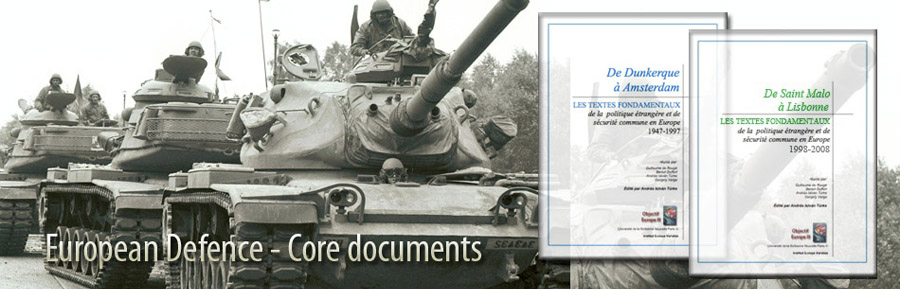

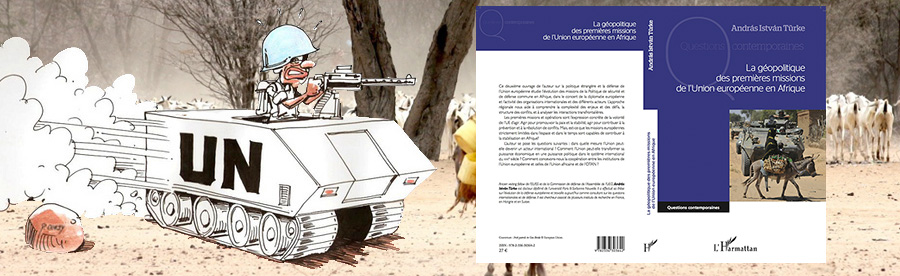
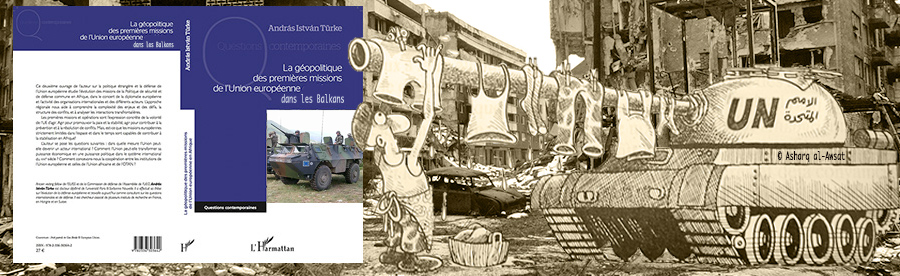
We are looking for sponsors for the English translation of these books, please contact turkeandras(at)gmail(dot)com